
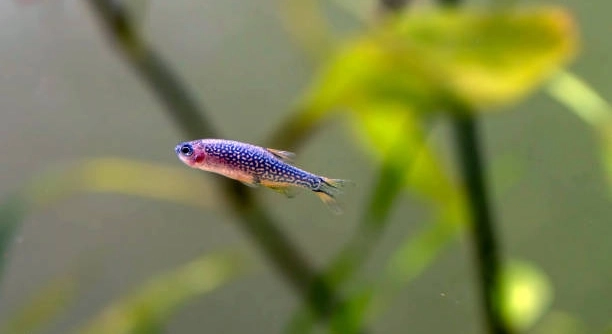
Are your danios showing interest in breeding but not quite taking the next step in your aquarium setup, this simple guide will help you understand the essential tank items that support their natural spawning behaviors.
Encouraging danio breeding relies on purposeful tank items that create stable spawning conditions. These additions support water balance, provide structured shelter, and mimic natural habitats that stimulate reproductive activity, resulting in stronger eggs and more reliable breeding outcomes over time.
These simple considerations show how small changes in your setup support steady breeding progress and encourage your danios to thrive.
Spawning Mops
Spawning mops give your danios a safe place to scatter their eggs, and they make breeding much easier to manage. I like how these simple tools create a soft surface that protects the eggs from being eaten. They also keep the breeding area organized and allow you to monitor the process without disturbing the fish. When placed in a calm section of the tank, they help the adults settle quickly and encourage natural spawning behavior. The fibers stay gentle on delicate eggs while giving the danios a familiar structure to interact with. Many keepers appreciate how spawning mops reduce stress, support consistent activity, and make cleanup straightforward. With the right placement, you can guide your fish toward healthier breeding habits and more predictable results for a setup that feels steady and reliable during each breeding cycle, helping you maintain strong conditions without adding complicated steps to your daily tank routine.
Using spawning mops keeps the eggs safer by lifting them away from active adults and reducing accidental damage. Their soft fibers offer a controlled area for scattering, making it easier to protect developing eggs and maintain consistent breeding conditions without stressing the fish during routine checks in your aquarium care.
Spawning mops work well because danios naturally scatter their eggs among fine structures, so the fibers mimic what they seek in the wild. When the mops float or rest near the bottom, they guide the adults toward a secure spot to release eggs. This helps you manage breeding without requiring complex equipment. The mops also let you remove eggs quickly if you plan to raise fry in a separate tank. With gentle maintenance, they stay effective for repeated use and support stable breeding habits. Their simple design keeps everything easy and encourages predictable behavior in active danios throughout each cycle.
Marbles or Egg Grate
Marbles or egg grates protect fertilized eggs by allowing them to fall safely out of reach of adult danios. This simple barrier reduces losses, keeps the eggs undisturbed, and supports steady development in a controlled area that remains easy for you to monitor and maintain during early growth and care.
Using marbles or an egg grate creates a protective gap that keeps breeding attempts more successful by preventing adult danios from consuming freshly scattered eggs. Since these fish scatter eggs freely, any surface that lets them drop out of reach increases survival. The setup is simple, and the benefits are noticeable once you incorporate it into your routine. You place a layer of marbles or a fitted grate at the bottom of the tank, leaving enough space for eggs to slip through. This keeps them safe while allowing clean water to circulate naturally around them. Many keepers appreciate how this reduces the need for constant supervision, since the eggs remain protected even when activity in the tank increases. It also helps maintain cleaner conditions, because debris stays mostly above the barrier instead of mixing with the eggs. When fry begin to hatch, they remain sheltered until they are large enough to move safely in open water. This small addition supports predictable breeding outcomes and removes much of the stress associated with protecting delicate eggs. Once established, the structure remains easy to clean, reuse, and adjust to match different tank layouts, giving you steady control over each breeding cycle.
Live Plants
Live plants create gentle cover that helps danios feel secure while breeding. They soften the tank environment, steady the water conditions, and give the adults calm areas to release eggs without added stress. Their natural structure supports steady activity and keeps the space feeling balanced during each breeding attempt.
Live plants work well because they offer textured areas where danios can scatter eggs without interference. They help stabilize water parameters by absorbing excess nutrients, which supports healthier development for both eggs and adults. I like how they lower stress in active fish, since dense plant sections break up movement and create quieter pockets in the tank. When you choose plants with fine leaves or bushy growth, they resemble the natural spaces danios use in the wild. This encourages more consistent breeding behavior and gives the adults a comfortable place to settle. Keeping the plants trimmed and healthy maintains strong conditions throughout the breeding cycle.
Plants like java moss, hornwort, or water sprite make breeding setups feel natural and easy to manage. Their soft surfaces cushion scattered eggs, and their dense growth lets them catch some eggs before they fall deeper into the tank. This gives you extra protection without relying on heavy equipment. I find that plants also help maintain cleaner water, since they slow debris movement and create mild filtration as water passes through their leaves. They keep activity calm, reduce skittish behavior, and support better egg survival. With regular care, they stay reliable and continue offering structure that encourages steady spawning habits.
Sponge Filter
A sponge filter keeps the water clean without creating strong currents that disturb breeding behavior. It gently circulates the tank while protecting delicate eggs and fry from being sucked into fast filtration. This makes the environment more dependable and easier for you to maintain during active breeding periods.
Sponge filters work because they offer biological filtration with soft surfaces that handle waste without disrupting the tank. Their gentle flow keeps the water oxygenated, which is important for egg development and the comfort of adult danios. I appreciate how the sponge prevents debris from scattering through the tank, making cleanup straightforward. Since the filter stays calm and quiet, it supports natural movement instead of pushing the fish around. You can place it anywhere without affecting stability, and it’s easy to clean without harming beneficial bacteria. This keeps your breeding setup steady, simple, and comfortable for both adults and developing fry.
Leaf Litter
Leaf litter creates a soft and natural layer that helps danios feel comfortable while breeding. It releases mild tannins that support calmer behavior and steadier water conditions. I like how it settles gently and provides quiet areas where adults can move without stress during active spawning.
Leaf litter also offers light cover that encourages eggs to remain hidden and undisturbed. It cushions the bottom of the tank, which helps protect scattered eggs as they fall. This simple addition keeps the environment stable and supports natural breeding habits without adding complicated steps.
Adjustable Heater
An adjustable heater keeps the temperature consistent, which is important for encouraging breeding behavior and healthy egg development. Stable warmth helps danios stay active, comfortable, and more willing to spawn. A reliable heater prevents sudden drops that may disrupt their natural rhythm and reduce successful breeding attempts. I find that setting the heater to a steady range keeps the tank predictable and reduces stress in active groups. When the temperature remains balanced, the adults settle more easily, and the environment stays supportive for both spawning and early fry growth.
Breeding Net
A breeding net gives developing fry a protected space away from active adults. It keeps them safe during early growth and allows you to monitor them closely without disrupting the main tank. This simple tool supports steady development and helps maintain calmer conditions throughout the breeding process.
FAQ
How do I know if my danios are ready to breed?
Danios ready to breed usually show active swimming and chasing behavior. Males often become more colorful, with bright stripes and lively movement. You may notice them nudging females gently near plants or spawning mops. Females appear fuller in the abdomen when carrying eggs. Observing these behaviors over a few days helps confirm readiness without causing unnecessary stress. Consistent water quality and temperature also play a role, so maintaining stable conditions supports natural breeding instincts.
What is the best water temperature for danio breeding?
A steady temperature between 74°F and 78°F works well for encouraging spawning. Slightly warmer conditions stimulate reproductive behavior, while stable temperatures reduce stress that can prevent breeding. Sudden drops or spikes can disturb adults and harm developing eggs. Using an adjustable heater ensures the temperature remains consistent, and checking daily helps you notice small variations before they affect the fish. Combining this with gentle filtration keeps the environment calm and predictable, which improves success rates.
How can I prevent adults from eating the eggs?
Using spawning mops, marbles, or egg grates is the simplest way to protect eggs. These tools create a safe space that keeps fertilized eggs out of reach of adults. Leaf litter or dense live plants can also help by providing natural cover. Removing eggs promptly for separate raising is another effective approach. Minimizing disturbance during and after spawning reduces the chance of adults becoming stressed and feeding on their eggs.
What should I feed danios to encourage breeding?
High-quality, protein-rich foods are best for stimulating breeding behavior. Live or frozen options such as brine shrimp, daphnia, or bloodworms provide energy for spawning. Small, frequent feedings ensure adults remain healthy without overfeeding, which could affect water quality. Including a mix of vegetable matter keeps them balanced. A consistent feeding routine helps maintain vitality and supports natural reproductive activity while preventing stress that might delay spawning.
How often should I change the water during breeding?
Frequent small water changes are better than large, sudden changes. Replacing 20–30% of the water every few days keeps parameters stable and removes excess waste. Avoid major disruptions during the egg-laying period, as sudden changes can stress adults and harm eggs. Using dechlorinated water at the same temperature helps maintain calm conditions. Regular monitoring of pH, ammonia, and nitrate levels also ensures eggs and fry remain in a safe environment.
Do I need a separate tank for raising fry?
A separate tank is highly recommended for fry survival. Adults may eat eggs or young fry, and a dedicated tank allows for controlled feeding and gentle water conditions. Using a sponge filter and small amounts of food such as infusoria or finely crushed flakes supports healthy growth. Gradually introducing fry to the main tank after they reach a certain size ensures safety and reduces stress for both adults and young fish.
How long does it take for danio eggs to hatch?
Danio eggs usually hatch within 2 to 3 days under optimal conditions. Temperature and water quality affect the exact timing. Fry remain small and delicate, requiring careful attention to feeding and water stability. Observing daily ensures that any unfertilized or fungus-affected eggs can be removed promptly. Early care supports stronger, healthier fry that grow steadily in the following weeks.
Can I use artificial decorations for breeding?
Yes, artificial plants and structures can work if they provide fine coverage or crevices for eggs. They should be smooth to avoid harming delicate eggs and positioned where adults can interact safely. While not as natural as live plants, these decorations still support spawning activity and offer protection for scattered eggs, making them a useful alternative for setups where live plants are difficult to maintain.
What is the role of water hardness and pH in breeding?
Danios prefer slightly soft to moderately hard water with a neutral pH around 6.8 to 7.5. Stable conditions encourage spawning and reduce stress that can prevent egg-laying. Sudden shifts in hardness or pH can harm eggs or discourage adult activity. Regular monitoring and gentle adjustments help maintain an optimal environment, supporting successful breeding without complicated chemical interventions.
How can I tell if the fry are developing properly?
Healthy fry move actively, feed consistently, and gradually increase in size. They develop stripes and begin swimming more confidently after a few days. Any lethargy, discoloration, or unusual behavior may indicate water issues, insufficient food, or overcrowding. Observing them closely and maintaining stable conditions ensures steady growth and reduces the risk of early losses.
How do I introduce fry back into the main tank?
Once fry are large enough to avoid being eaten, acclimate them slowly to the main tank. Gradually adjust water temperature and chemistry to match their new environment. Releasing them in small groups helps reduce stress, and providing cover with plants or decorations gives them safe areas to explore. This careful transition supports survival and helps maintain a stable, thriving tank community.
Can danios breed without any special tank items?
While it’s possible, using structured items like spawning mops, plants, or marbles significantly improves egg survival and adult comfort. Without these tools, eggs are often eaten or lost, and adults may become stressed. These items make breeding more predictable and reduce the effort required to manage both adults and fry.
How often should I clean breeding equipment?
Rinse spawning mops, egg grates, and filters gently every few days to remove debris. Avoid harsh scrubbing that could damage eggs or remove beneficial bacteria. Keeping equipment clean prevents fungus, reduces waste buildup, and ensures stable water conditions, supporting better egg and fry survival while maintaining a calm environment for the adults.
What signs indicate unsuccessful spawning?
If adults show little chasing, eggs are sparse, or eggs are being eaten immediately, spawning may be unsuccessful. Stress, improper temperature, poor water quality, or lack of hiding places are common factors. Addressing these issues and providing structured breeding items usually improves results for the next attempt.
How long should I keep adults in the breeding tank?
Keep adults in the breeding tank only until spawning is complete. Removing them afterward prevents egg predation and reduces stress. The duration depends on activity but is typically one to two days. This approach helps protect eggs, maintains calm conditions, and ensures a higher survival rate for fry.
Final Thoughts
Breeding danios can feel complicated at first, but having the right tank items makes it much more manageable. Small additions like spawning mops, marbles, or live plants provide structure that supports natural behavior without requiring extra effort. These items create secure spaces for eggs, reduce stress for adults, and make monitoring the breeding process easier. When the environment feels safe and stable, danios are more likely to spawn regularly, and the eggs have a higher chance of surviving. Consistency in the tank setup, along with a calm atmosphere, encourages steady activity and reliable results over time.
Temperature, water quality, and feeding routines also play an essential role in encouraging breeding. Maintaining a steady temperature with an adjustable heater, monitoring pH and hardness, and providing high-quality, protein-rich food all contribute to healthy adults and stronger eggs. Gentle filtration, like a sponge filter, keeps the water clean without creating strong currents that could disturb eggs or fry. By paying attention to these details, you create a predictable environment that supports both adult danios and developing fry. Small daily efforts, like partial water changes and careful observation, go a long way in keeping the tank balanced and ensuring the breeding process goes smoothly.
Using these tools and techniques also helps simplify the care of fry once they hatch. Items like leaf litter, dense plants, or breeding nets give young fish protection while allowing easy access for feeding and monitoring. Removing adults after spawning reduces egg predation and supports fry survival. Over time, a well-organized breeding setup helps you observe healthy growth, reduces losses, and makes the process less stressful for both you and the fish. These practical steps create a steady, reliable breeding environment that allows your danios to thrive naturally while giving you confidence in your aquarium management and care routines.

Hello,
If you enjoy the content that we create, please consider saying a "Thank You!" by leaving a tip.
Every little bit helps us continue crafting quality advice that supports the health, happiness, and well-being of pets around the world, for pets of all shapes, sizes, and species.
We really appreciate the kindness and support that you show us!