
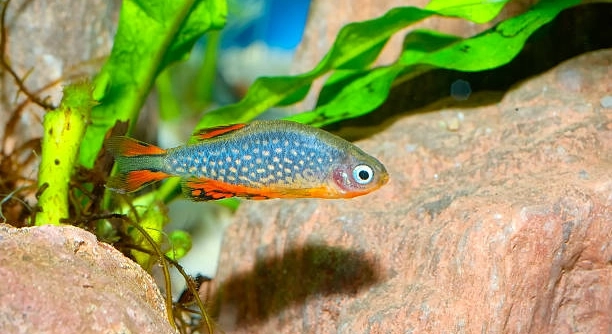
Watching danios move through the tank can reveal shifts in their behavior as they tighten their formation. These moments show their instinct to stay close, creating a sense of unity that reflects their social nature.
Danios group more tightly when environmental cues shift, such as sudden movement, changes in light, water flow adjustments, or nearby larger fish. This behavior highlights their schooling instinct, supporting coordinated movement, lowering stress, and improving safety within the group overall.
As you explore these moments, you will notice how shifts reveal patterns in their behavior that shape their shared routines.
Sudden Changes in Light
Sudden changes in light can make danios tighten their formation in a very noticeable way. When the brightness shifts quickly, they respond by gathering close and moving as a coordinated cluster. This reaction is tied to their instinct to stay protected when something feels uncertain in their surroundings. You can often see them glide toward each other with quick but smooth motions, forming a tighter group that moves with purpose. As someone who pays close attention to these patterns, I have noticed how their pace becomes more even and their spacing grows smaller. This behavior is not dramatic, but it is clear enough to understand that they are reacting to a signal. Light changes can come from turning on a room lamp, opening blinds, or adjusting the tank light. No matter the source, danios rely on this instinctive response to stay aware and connected within their group at all times.
These light based reactions help danios maintain a sense of order when conditions shift. By staying close, they reduce stress and keep their movement balanced. This simple response also supports their overall comfort in the tank, allowing them to adjust quickly without feeling exposed in a way that feels steady.
Slight changes in brightness are common around home tanks, so understanding this behavior can help you notice small shifts before they turn into stress. When danios tighten their group for brief moments, it usually means they detected something unexpected. Observing these patterns can make your care routine feel smoother and more thoughtful. You might see this reaction during regular household activity, which is perfectly normal. As long as they settle back into their usual spacing, the behavior is simply part of their natural rhythm. This awareness can help you support a calm and stable environment for your fish each day.
Movement Around the Tank
Quick movement near the tank often makes danios draw closer as they react to changes around them. This response happens fast and fades just as quickly, helping them stay aware. Their instinct to group tightly keeps them steady and coordinated during brief moments of surprise in their shared space each day.
Movement around the tank, whether from feeding time or simple activity in the room, can influence how closely danios gather. When something shifts near the glass, they may tighten their formation as a natural response to sudden motion. This behavior is common in schooling fish and reflects their instinct to stay safe by staying close. It is not a sign of distress most of the time, but rather a quick adjustment that lets them read their surroundings. I have seen how they regroup within seconds, moving as one smooth line before spreading out again. Their reaction is gentle and controlled, showing how well they coordinate even in small spaces. Understanding these patterns helps you recognize when their behavior is normal and when it might signal something more persistent. Most of the time, the grouping lasts only a moment, then they return to exploring the tank with their usual pace. Paying attention to these shifts can guide you in creating a stable and calm environment that supports their natural tendencies. With consistent care and minimal sudden disturbances, danios will continue to show balanced movement that reflects their comfort and security.
Strong Water Flow
Strong water flow often encourages danios to tighten their formation as they work against the current together. This behavior helps them stay steady while moving through the stream, keeping their pace even and reducing unnecessary energy use in the process.
When the filter output increases or the current shifts, danios naturally pull closer to maintain balance. Their instinct guides them to form a compact group that moves smoothly through the flow. This helps each fish follow the movement of the others without drifting apart. I have noticed how their speed becomes more controlled during these moments, creating a steady rhythm in the tank. This reaction is not a sign of discomfort but a coordinated response that supports their comfort when the current becomes stronger than usual. Watching them adjust like this can help you understand how environmental changes influence their daily patterns and how they adapt with simple, unified movements.
A strong flow can be helpful in moderation, but keeping it balanced ensures the group does not stay tightly packed for too long. When the current eases, danios usually spread out again and resume their usual spacing. Monitoring this pattern can help you fine tune the tank’s water movement so it supports natural activity without overwhelming them. Their ability to adjust quickly shows how responsive and adaptable they are when something changes in their environment. Small adjustments in flow can make their movements smoother and more relaxed, creating a more stable atmosphere in the tank.
Presence of Larger Tank Mates
Larger tank mates can influence how closely danios gather, especially when the bigger fish move more quickly or swim near their space. This reaction helps them stay alert and maintain a sense of order. Their tightened grouping usually settles once the larger fish shift away or resume slower movement.
Danios often respond to bigger tank mates by forming a compact cluster that moves with careful coordination. This is not panic, but a natural instinct that helps them stay aware when sharing space with active or fast moving companions. I have seen how their movements become more synchronized in these moments, keeping their formation tight yet controlled. This behavior supports their comfort by giving them a sense of direction and shared awareness. Once the larger fish return to calmer motion, the danios gradually loosen their formation and spread through the tank again. Keeping a balanced mix of peaceful tank mates helps maintain smooth interactions and reduces prolonged tension during swimming routines.
Feeding Activity
Feeding activity often brings danios closer as they react to movement and scent in the water. They tighten their formation while they wait for food to settle, creating a quick and organized response that helps them stay aware of each other.
As the food enters the tank, their pace becomes more focused. They gather closely, moving in short bursts while watching the flakes or pellets drift down. This brief grouping helps them stay aligned before they spread out to eat at a steady and comfortable rhythm.
Mild Stress or Sudden Sounds
Mild stress or sudden sounds around the tank can make danios draw closer for a short time. Their instinct leads them to form a compact group that supports their sense of security. When the noise fades, they slowly return to their usual spacing with calm and balanced movement.
Rearranging Decorations
Rearranging decorations can prompt danios to tighten their group temporarily as they assess the new layout. This response helps them stay alert while they adjust to any changes in flow, shadows, or hiding spots. Once everything feels familiar again, their spacing returns to normal.
FAQ
Why do my danios suddenly group more tightly during normal tank activity?
Danios often tighten their formation when they sense changes around them, even small ones. Their instinct guides them to stay close so they can react together. I have seen this happen during simple daily movement in the room, and it usually settles quickly as the environment returns to normal.
Is tight grouping always a sign that something is wrong?
Tight grouping is not always a sign of trouble. Most of the time, it reflects a natural response to shifts in light, sound, or surrounding motion. If the behavior lasts only a few moments and they spread out again, it is usually nothing to worry about. Prolonged tight grouping may require a closer look.
How can I tell if the grouping is linked to stress?
Stress based grouping often lasts longer and may come with fast, uneven swimming. If danios remain tightly packed for extended periods, it helps to check water parameters, temperature, and filter flow. Subtle signs like avoiding certain areas of the tank can also show lingering stress.
Do danios group more tightly when kept in small numbers?
Danios rely strongly on their group, so keeping a small number can influence how tightly they swim. A group that is too small may feel exposed and stick close more often. Larger groups create a more natural spread, giving them comfort and allowing smoother movement.
Can sudden sounds outside the tank affect their formation?
Sudden sounds can cause momentary grouping. Even soft noises like closing a door or placing something on a nearby table can make them react. Their instinct is quick, and they usually loosen up again once they sense everything is calm. This is a normal part of their behavior.
Do danios tighten their group during feeding time?
Yes, feeding time commonly triggers closer swimming. As food enters the water, they move together while waiting for flakes or pellets to settle. This pattern helps them stay aware of each other before they begin spreading out to eat. It is a natural and expected reaction.
Can tank layout changes cause danios to group closely?
Any change in layout, like moving decorations or plants, can make them group more tightly for a short period. They respond to new shadows, shifts in flow, or altered hiding spots. Once they adjust and feel comfortable with the new setup, they return to their usual spacing.
Does the type of tank mate influence tight grouping behavior?
Danios often group more tightly when housed with active or larger tank mates. This does not mean the combination is unsafe, but their instinct guides them to stay close when they sense quick movement nearby. Peaceful companions generally help them maintain a relaxed formation.
Can water flow strength affect how danios swim together?
Stronger water flow can encourage tighter grouping as they move against the current. This response helps them stay coordinated and prevents unnecessary drifting. A moderate flow often supports healthy activity, while overly strong flow may cause persistent grouping that feels less relaxed.
How can I help reduce tight grouping from stress?
Supporting consistent water quality, stable lighting, calm surroundings, and balanced activity around the tank can help reduce stress based grouping. Regular maintenance and predictable routines often make danios feel more secure. Observing their patterns helps you respond to changes before they grow.
Why do danios spread out again after grouping tightly?
Once the trigger fades, danios spread out naturally as their sense of safety returns. This shift shows they feel comfortable enough to explore the tank again. Watching this pattern helps you understand their comfort level and how they respond to everyday changes in their environment.
Should I be concerned if my danios never loosen their grouping?
If they remain tightly clustered most of the time, it may indicate an ongoing issue with water quality, temperature, or tank mates. Checking conditions and making small adjustments can help relieve this tension. When everything is balanced, danios usually return to a steady and relaxed swimming pattern.
Final Thoughts
Danios show many small behaviors that reveal how they interpret their surroundings, and understanding these patterns can help you support a more stable home for them. Their tendency to group more tightly at certain moments is not random. It reflects a natural response shaped by instinct, awareness, and the constant flow of activity around their tank. When you pay attention to these shifts, you start to notice how their movements change with lighting, sounds, water flow, and the presence of other fish. None of these reactions are dramatic, yet each one tells you something about their comfort and alertness. Seeing them pull together and then relax again gives you a clear sense of how they adjust to daily changes. Over time, you begin to recognize which reactions are normal and which ones may need more attention. This awareness can help you create a tank environment that feels balanced and steady for them, allowing their movements to stay smooth and calm throughout the day.
Caring for danios becomes easier when you understand how their grouping behavior connects to their surroundings. Small adjustments such as keeping the lighting consistent, managing the filter flow, and maintaining a calm area around the tank can make a meaningful difference in how relaxed they feel. Danios often respond to even the simplest changes, so creating a predictable routine helps them feel secure. When their environment is steady, they move with more freedom, exploring each part of the tank without the sudden need to cluster together. I have noticed how they swim more evenly and spread out when everything feels normal to them. This balance supports their overall well being, helping them stay active, alert, and comfortable. Even small considerations like choosing peaceful tank mates or placing decorations carefully can affect how confidently they move. When these elements work together, their grouping behavior becomes less about reacting to stress and more about moving naturally as a coordinated and lively group.
As you continue observing your danios, you will start to appreciate the small signals that guide their interactions and routines. Their tight grouping moments often last only a short time, which shows how adaptable they are to changes around them. Once you understand what these signals mean, you can respond in ways that help them settle quickly and feel supported in their environment. This understanding helps you build a tank that matches their instincts and keeps them in a steady rhythm. Danios thrive when their surroundings feel familiar and calm, and your attention to detail helps make that possible. Their behavior is gentle and predictable when everything is balanced, and these small moments of gathering close become just another part of their natural pattern. With consistent care and simple adjustments, you can create a space where they move confidently, interact easily, and show the peaceful and harmonious behavior that makes them enjoyable to watch.

Hello,
If you enjoy the content that we create, please consider saying a "Thank You!" by leaving a tip.
Every little bit helps us continue crafting quality advice that supports the health, happiness, and well-being of pets around the world, for pets of all shapes, sizes, and species.
We really appreciate the kindness and support that you show us!