
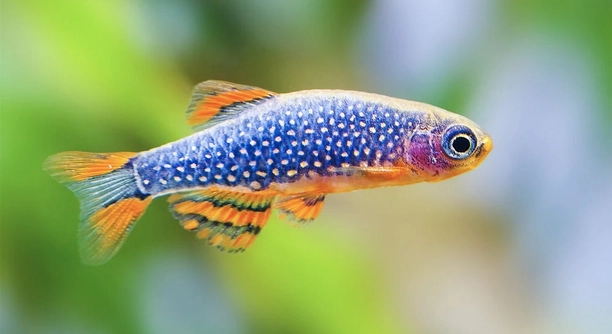
Setting up a new Danio tank can feel exciting, yet it often comes with unexpected challenges. Even careful planning does not always prevent problems from showing up early in a fresh aquatic environment. Observing your fish closely is essential.
New Danio setups often display seven key warning signs that indicate water quality, equipment function, and fish health may be compromised. Early recognition of these signs helps prevent stress, disease, and mortality, ensuring a stable and thriving aquatic environment.
Noticing these early warning signs allows you to take action before small issues become serious problems for your fish. Proper attention ensures a healthier, more stable tank for your Danios.
Sudden Cloudy Water
When I first set up my Danio tank, I noticed the water turned cloudy almost immediately. This usually happens when the tank is new and beneficial bacteria haven’t fully established. Even if the tank looks clean, microscopic particles and organic waste can quickly accumulate. Cloudiness can also indicate overfeeding or too many fish in a small space. I learned to test the water regularly for ammonia and nitrites, which spike during early cycling. Frequent small water changes help, along with using a gentle filter that doesn’t stir up debris too aggressively. Patience is key because new tanks often clear up naturally once bacterial colonies stabilize. Avoid adding chemical clarifiers unless absolutely necessary, as these may interfere with the tank’s natural balance. Observation is the best tool, and keeping notes on feeding and maintenance schedules helped me spot trends that improved water clarity over time.
Cloudy water signals instability and should prompt careful monitoring. Immediate changes prevent harm to Danios.
Managing water clarity involves checking filter performance, avoiding overfeeding, and performing partial water changes. Testing ammonia and nitrites regularly ensures the tank is cycling properly. Stability takes time, but consistent attention results in clear water, healthier fish, and a more reliable aquatic environment for your Danios to thrive.
Fish Hiding Constantly
I noticed my Danios staying near the bottom and hiding behind plants almost all the time. Constant hiding is usually a sign of stress or discomfort. It can result from sudden temperature changes, poor water quality, or aggressive tank mates. Even a new filter or lighting change can unsettle them. I made sure the water temperature was stable and within the recommended range, around 72–78°F, and checked the water parameters regularly. Providing sufficient plants and hiding spots reduced their stress over time. It’s easy to underestimate how sensitive Danios are in a new setup. I also monitored for signs of disease, as illness can make fish retreat. They started swimming more confidently once water quality improved and they adjusted to the environment. Hiding behavior is subtle but important to catch early to ensure your fish remain healthy and active.
Constant hiding in a new setup signals stress and requires attention to water conditions and tank environment.
Observing hiding behavior closely helps identify underlying issues. Ensure stable temperature, adequate oxygenation, and proper tank size. Check for ammonia, nitrites, and nitrates, adjusting water changes as needed. Avoid sudden lighting or filter changes, and provide secure hiding spaces. This proactive approach reduces stress, encourages normal swimming, and prevents long-term health problems in your Danios. Regular observation and gradual environmental adjustments ensure your fish feel secure and thrive in their new home.
Loss of Appetite
When my Danios stopped eating, I noticed immediately that something was off. Appetite loss can indicate stress, poor water quality, or illness. Monitoring feeding habits daily helps catch these issues before they worsen.
Loss of appetite often appears when water parameters are unstable. Ammonia, nitrite, or nitrate spikes can make fish refuse food, as can sudden temperature fluctuations. Overcrowding or new tankmates may also stress fish, causing them to eat less. I began testing water daily and adjusted feeding schedules, offering small amounts multiple times a day rather than one large portion. Observing each fish helped me identify which ones were affected and ensure they received extra care. Maintaining stable conditions gradually restored their eating habits.
I also watched for physical signs of illness that could coincide with appetite loss. Cloudy eyes, clamped fins, or pale coloring often appear alongside refusal to eat. Adjusting water quality and removing any sick or stressed fish allowed healthier tankmates to thrive. I found that patience, small feedings, and consistent observation were key to encouraging Danios to resume normal eating patterns. Proper care and monitoring prevent long-term nutritional deficiencies.
Erratic Swimming
Erratic swimming in a new setup often indicates stress or irritation. My Danios would dart suddenly or spin in circles, signaling a problem with water conditions.
Erratic swimming can result from high ammonia or nitrite levels, fluctuating temperatures, or poor oxygenation. I used a test kit to monitor chemical levels daily, adjusting water changes as needed to stabilize the environment. Sometimes, improper placement of the filter or air stones caused strong currents, making fish struggle to swim naturally. I rearranged the tank to reduce strong flows and added plants for calmer areas. Stress can also come from sudden light changes or loud vibrations near the tank. Monitoring behavior consistently allowed me to correct issues quickly before injuries occurred.
Another factor affecting swimming is the tank’s layout. Open swimming spaces combined with shaded areas give Danios control over their environment, reducing stress. Providing gentle filtration, regular partial water changes, and steady temperatures gradually normalized their movement. Once conditions stabilized, the fish swam calmly, exploring the tank naturally without sudden jerks or frantic swimming. Regular observation remains essential to catch early signs of discomfort or environmental problems that could impact long-term health.
Gasping at the Surface
I noticed my Danios spending too much time at the water surface, gulping air. This usually signals low oxygen levels or poor water circulation in the tank. Immediate attention is needed to avoid serious stress.
Improving aeration with an air stone or adjusting the filter helped my fish breathe normally. Regular water changes also maintained proper oxygen levels.
Faded Colors
My Danios’ vibrant colors began to dull within a week of setup. Color loss often reflects stress, poor water quality, or inadequate nutrition. Regular testing and a balanced diet restored their natural brightness.
Excessive Algae Growth
Algae started covering the tank surfaces quickly, making the water look green and dirty. This growth often occurs from overfeeding or excessive light exposure. Controlling feeding amounts, adjusting light duration, and adding algae-eating species helped me regain balance in the tank.
Lethargy
Some fish became unusually inactive, resting at the bottom for long periods. Lethargy is often caused by poor water quality, incorrect temperatures, or stress. Maintaining stable conditions and monitoring water parameters gradually restored their energy.
What causes sudden cloudy water in a new Danio setup?
Cloudy water in a new tank is often caused by a bacterial bloom. When beneficial bacteria are still establishing, tiny particles and organic waste remain suspended, making the water look hazy. Overfeeding can worsen this by adding excess food that decomposes and increases ammonia levels. Strong filter currents can also stir up debris, contributing to cloudiness. I found that regular small water changes and careful observation helped the water clear over time without using chemical clarifiers. Testing ammonia, nitrites, and nitrates gave me a clearer picture of the tank’s cycling progress. Patience is important, as cloudy water often resolves naturally once bacteria colonies stabilize. Avoid sudden changes in lighting or filter power, which can disrupt the balance further.
Why do Danios hide constantly in a new tank?
Constant hiding usually signals stress. Danios are sensitive to sudden temperature shifts, poor water quality, or aggressive tankmates. In my setup, hiding decreased after I stabilized the water temperature and provided adequate plants and decorations for shelter. They also adjust to the environment gradually, so frequent observation is necessary. Illness can also make fish retreat, so checking for signs like clamped fins or pale coloring is important. Hiding behavior should prompt careful monitoring of water parameters, tank layout, and interactions among fish to reduce stress and encourage normal activity.
What leads to loss of appetite in new Danios?
Loss of appetite is a common stress response. In my experience, unstable water parameters such as high ammonia, nitrites, or nitrates caused some Danios to stop eating. Overcrowding or sudden environmental changes can also trigger refusal to feed. Small, frequent meals rather than one large portion helped encourage feeding. Monitoring each fish allowed me to provide extra care to weaker individuals. Loss of appetite may coincide with physical signs of illness, such as clamped fins or faded colors, so careful observation and water testing are critical. Adjusting water quality and ensuring a calm environment gradually restored their normal eating habits.
Why do Danios exhibit erratic swimming?
Erratic swimming is often a response to stress or irritation. I noticed my fish darting suddenly or spinning in circles when ammonia levels were high or water temperature fluctuated. Strong currents from a filter or air stone can also force fish to struggle against the flow. Providing gentle filtration, stable temperature, and shaded areas for resting reduced erratic behavior. Monitoring tank conditions closely allowed me to correct these issues quickly before injuries occurred. Layout adjustments and calm zones encouraged natural swimming patterns, and observing daily behavior ensured early intervention if problems reappeared.
What causes faded colors in Danios?
Faded colors usually indicate stress, poor water quality, or inadequate nutrition. In my tank, water testing revealed elevated nitrate levels, which coincided with dull coloring. Providing a balanced diet rich in natural pigments and stabilizing water parameters gradually restored their vibrancy. Avoiding sudden changes in lighting or temperature also helped. Continuous observation allowed me to detect fading early, which made corrective measures more effective. Faded colors are a warning sign that the environment may not be optimal and need adjustment.
How can I control excessive algae growth?
Excessive algae growth occurs when feeding is too high or light exposure is excessive. I managed this by reducing food portions, limiting light duration, and adding algae-eating species. Regular water changes and cleaning tank surfaces helped maintain balance. Monitoring nutrient levels, particularly nitrates and phosphates, prevents algae from taking over. Consistency in maintenance is key to controlling growth. Algae may seem harmless at first, but unchecked growth competes with plants for nutrients and can affect water quality.
What should I do if my Danios are lethargic?
Lethargy often signals stress, incorrect temperature, or poor water quality. I noticed some Danios staying at the bottom for long periods, which prompted me to check water parameters and adjust the heater. Gradual improvements in temperature stability, proper oxygenation, and tank cleanliness restored energy levels. Lethargic fish may need small, frequent feedings and stress reduction measures like plants or hiding spots. Observing activity patterns daily helps catch issues before they worsen. Addressing underlying causes promptly prevents long-term health problems.
Why are my Danios gasping at the surface?
Gasping at the surface usually points to low oxygen levels. My Danios began doing this when water circulation was weak. I improved aeration with an air stone and ensured partial water changes maintained oxygen content. Avoid overcrowding and monitor temperature, as warmer water holds less oxygen. Consistent observation allows quick intervention and prevents prolonged stress or suffocation. Proper tank setup, gentle filtration, and sufficient open water space improve oxygen availability, keeping Danios healthy and active.
How often should water parameters be tested in a new setup?
Testing water parameters daily in a new tank is essential. I checked ammonia, nitrite, nitrate, and pH levels to track cycling progress and detect problems early. Regular testing allowed me to make small adjustments before serious stress or illness appeared. Once the tank stabilized, testing frequency could be reduced, but initial daily checks are critical. Recording results helped me identify trends and respond effectively. Consistency and patience ensure the tank matures safely, supporting healthy Danios and preventing common new setup issues.
How can I minimize stress in a new Danio tank?
Stress reduction starts with stable water conditions and proper tank layout. I ensured temperature consistency, gentle water flow, and adequate hiding spaces. Avoiding sudden changes in lighting or introducing too many tankmates at once helped Danios adjust naturally. Regular observation and small, gradual changes prevent unnecessary stress, improving health, appetite, and activity. A calm environment is essential for fish to settle, thrive, and display natural behaviors without the risk of disease or erratic actions caused by tension.
Setting up a new Danio tank can feel exciting, but it comes with a lot of responsibility. Observing your fish closely during the first few weeks is very important because early warning signs often appear quickly. Changes in behavior, appetite, or appearance can signal stress, illness, or water problems. In my experience, keeping a regular schedule for feeding, water testing, and maintenance made a big difference. Even small adjustments, like adding extra hiding spots or adjusting filter flow, helped my Danios feel secure. Paying attention to their environment early prevents minor issues from becoming serious problems. A new setup takes time to stabilize, and patience is a key part of keeping your fish healthy.
Water quality is one of the most important factors in a new tank. Ammonia, nitrites, and nitrates can rise quickly in a recently established system, causing stress or illness if left unchecked. I found that testing water daily and performing small partial water changes helped maintain a safer environment. Overfeeding or overcrowding can make these issues worse, so controlling the number of fish and portion sizes is essential. Temperature stability also plays a big role. Sudden shifts can upset the fish and affect their immune systems. Providing the right food, proper lighting, and adequate oxygenation all contribute to overall health. Watching for behavioral changes like hiding, lethargy, or gasping can alert you to problems before they escalate. Simple observation combined with consistent care creates a strong foundation for a thriving Danio tank.
Keeping a new Danio setup stable is a balance between careful monitoring and allowing the tank to settle naturally. Patience and consistency are critical because rushing changes or overreacting to small problems can cause additional stress for the fish. I learned to make gradual adjustments and keep track of water parameters and feeding routines. Providing a calm and safe environment encouraged normal swimming and natural behavior, while also reducing stress-related issues. Paying attention to algae growth, cloudy water, and color changes in the fish allowed me to address each issue promptly. By following these steps, the Danios in my tank became healthier, more active, and displayed their natural colors. A new tank requires time and care, but careful observation, steady maintenance, and patience make the experience rewarding and help ensure long-term health for your fish.

Hello,
If you enjoy the content that we create, please consider saying a "Thank You!" by leaving a tip.
Every little bit helps us continue crafting quality advice that supports the health, happiness, and well-being of pets around the world, for pets of all shapes, sizes, and species.
We really appreciate the kindness and support that you show us!