
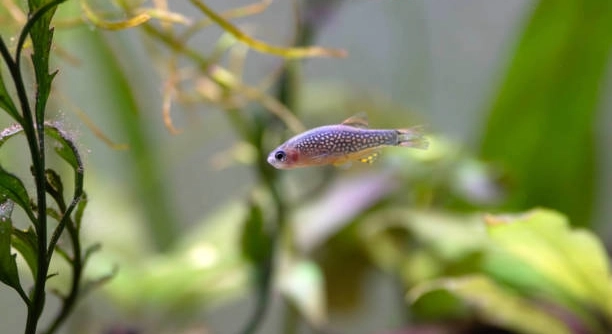
Keeping Danios in outdoor tubs can be a rewarding experience for any aquarist. These small, active fish bring movement and color to a garden setup while remaining relatively low-maintenance and adaptable to different water conditions.
Maintaining Danios outdoors requires attention to water quality, temperature, and proper shelter. Tub size, aeration, feeding routines, and regular cleaning are essential to prevent stress, disease, and mortality, ensuring a healthy and sustainable environment for these active fish species.
Following these essential steps will help your Danios thrive, creating a vibrant and balanced outdoor aquatic setup that remains healthy throughout the seasons.
Choosing the Right Tub
Selecting an appropriate tub is the first step in creating a healthy environment for Danios. The tub should be large enough to provide ample swimming space, as these fish are active and enjoy movement. Depth is also important, offering areas for hiding and reducing stress. Material matters; sturdy plastics or fiberglass resist weather changes and algae buildup, making maintenance easier. Avoid shallow or flimsy containers that can heat too quickly or crack in cold conditions. Positioning the tub in a spot with partial shade helps prevent overheating while still providing natural light. Proper drainage is essential to allow easy cleaning and water changes, ensuring a stable environment. Before adding Danios, fill the tub with water and test its temperature, pH, and hardness. Conditioning the water to remove chlorine and harmful chemicals is critical to avoid shock. Gradually acclimating fish to the tub ensures they adjust safely to their new habitat, reducing stress and improving survival.
Large tubs with stable water conditions are ideal for keeping Danios active and healthy.
Adding the right tub makes maintenance simpler. It supports water stability and gives Danios room to swim, explore, and grow naturally, reducing stress and the risk of disease.
Water Quality and Filtration
Maintaining clean water is essential for Danios’ health. Regular testing for pH, ammonia, nitrites, and nitrates prevents dangerous conditions from developing. A small, gentle filter keeps water moving without creating strong currents that stress the fish. Partial water changes of about 20-30% weekly help remove waste and maintain chemical balance. Avoid using soaps or chemicals during cleaning, as residues can harm Danios. Removing debris and uneaten food prevents algae growth and keeps the water clear. Temperature monitoring is important; Danios thrive in moderate conditions and sudden fluctuations can weaken their immune systems. Aeration supports oxygen levels, especially in warmer months. Leaf litter or plants can provide natural filtration and shelter. Observing the fish daily helps identify early signs of stress or disease. A well-maintained tub reduces health risks, encourages natural behavior, and creates a visually appealing aquatic setup that is easier to manage over time.
Feeding and Nutrition
Danios require a balanced diet to stay healthy and active. High-quality flakes or pellets, supplemented with occasional live or frozen foods, provide necessary proteins and nutrients. Avoid overfeeding to prevent water contamination and obesity, keeping the tub clean and fish thriving.
Feeding small amounts two to three times daily ensures that Danios receive enough nutrients without leaving excess food to decay. Live or frozen foods like daphnia, brine shrimp, or bloodworms add variety and support natural hunting behavior. Vegetables such as blanched spinach or zucchini can be offered occasionally to provide fiber and vitamins. Monitoring the fish during feeding helps identify health issues early, such as loss of appetite or abnormal behavior. Proper portion control maintains water quality and reduces the risk of disease while promoting consistent growth. A well-planned feeding routine keeps the fish lively and colorful, enhancing the overall tub environment.
Observing feeding habits provides insight into the fish’s health and temperament. Adjusting the diet according to activity levels and season prevents nutritional deficiencies. Rotating food types stimulates appetite and encourages natural behavior, making the tub a more dynamic habitat. Consistency in timing and quantity also reduces stress and helps the fish adapt to outdoor conditions smoothly.
Temperature and Shelter
Maintaining stable water temperature is critical for Danios’ health. Sudden changes can cause stress or illness, so monitoring and adjusting is necessary. Provide shaded areas or floating plants to protect from heat and offer hiding spots.
Temperature should ideally remain between 18°C and 24°C, avoiding extremes. Using a thermometer regularly helps detect fluctuations caused by weather changes. Outdoor tubs can heat quickly under direct sunlight, so partial shade is essential. Adding floating plants or small shelters offers refuge, helping fish feel secure. Cold snaps can be mitigated by moving the tub to a sheltered location or adding insulating materials around it. Consistent temperature and adequate shelter promote natural activity, reduce stress, and prevent susceptibility to infections. Observing the fish daily ensures they respond well to environmental conditions, allowing adjustments when necessary.
Shelter also plays a role in social behavior. Danios are active and sometimes territorial, so hiding spaces reduce conflicts. Plants, rocks, or small decorations create microenvironments, encouraging exploration and natural patterns. Proper placement balances open swimming areas with protected spots, supporting both physical and mental well-being. Combining temperature control with thoughtful shelter design creates a stable and comfortable outdoor habitat where Danios can thrive throughout the seasons.
Stocking Density
Overcrowding can quickly stress Danios and reduce water quality. A moderate number of fish ensures enough swimming space and reduces aggression, keeping the tub balanced and healthy.
A general guideline is one inch of fish per gallon of water, adjusting for tub depth and surface area. Avoid adding too many at once, as this can destabilize the ecosystem. Gradually introducing fish allows the tub to maintain chemical balance. Proper stocking supports natural behavior, reduces disease risk, and keeps the fish active and colorful.
Monitoring Health
Regular observation is key to identifying illness early. Look for changes in behavior, appetite, or appearance, and address problems promptly to maintain a healthy tub environment.
Cleaning Routine
Routine cleaning prevents buildup of waste and algae. Partial water changes and debris removal keep the water clear, supporting fish health and reducing stress.
Seasonal Adjustments
Outdoor tubs face temperature swings and weather changes. Adjust feeding, shelter, and water maintenance according to seasonal conditions to keep Danios safe and thriving throughout the year.
FAQ
How often should I feed my Danios?
Feeding two to three small meals a day is sufficient. Overfeeding can foul the water and stress the fish, while underfeeding affects growth and activity. Stick to portion sizes the fish can consume in about two minutes. Rotate between flakes, pellets, and occasional live or frozen foods for balanced nutrition. Vegetables like blanched zucchini or spinach can be offered once or twice a week to provide extra vitamins and fiber. Observing the fish during feeding ensures all individuals are eating and helps identify health concerns early. Consistency in timing and amount also reduces stress.
What is the ideal water temperature for outdoor tubs?
Danios thrive between 18°C and 24°C. Sudden fluctuations can stress them and weaken their immune system. Monitor temperature daily using a reliable thermometer, especially during hot summer days or cold snaps. Provide partial shade or floating plants to prevent overheating and create cooler areas. During cold weather, insulating the tub or moving it to a sheltered spot can help maintain stable conditions. Keeping the water consistent encourages natural activity, feeding, and breeding behavior. Gradual acclimation during seasonal transitions minimizes shock and ensures long-term health.
How many Danios should I keep in one tub?
Stocking density depends on the size of the tub and fish. A good guideline is one inch of fish per gallon of water, accounting for depth and swimming space. Avoid overcrowding, which increases stress, aggression, and disease risk. Gradually adding fish helps maintain water chemistry balance. Providing open swimming areas along with hiding spots ensures the fish feel secure while remaining active. Observing behavior can help determine if adjustments are needed. Proper stocking encourages healthy growth, reduces competition for food, and keeps the tub ecosystem stable.
Do Danios need a filter in an outdoor tub?
Yes, even a small, gentle filter is beneficial. It maintains water movement, removes debris, and supports oxygenation without creating strong currents that stress the fish. Filters reduce the frequency of full water changes while keeping water quality consistent. Regular maintenance of the filter, including rinsing or replacing media, ensures it functions efficiently. Combining filtration with partial water changes keeps chemical levels stable. A filter also supports bacterial colonies that break down waste, which is especially important in outdoor tubs exposed to leaves and other debris.
How often should I change the water?
Partial water changes of 20-30% weekly are recommended. This removes accumulated waste, controls nitrate levels, and maintains a stable environment. Avoid changing all the water at once, as it can shock the fish. Pre-treat replacement water to remove chlorine and adjust temperature to match the tub. Regular monitoring of ammonia, nitrite, and nitrate levels helps determine if more frequent changes are needed. Combining water changes with routine cleaning of debris and uneaten food reduces algae buildup and maintains clarity. Observing the fish’s activity can indicate whether water conditions are optimal.
What plants or decorations work best in outdoor tubs?
Floating plants and small decorations provide shelter and reduce stress. Plants like water lettuce or hornwort offer shade, oxygenation, and hiding spots. Rocks or small structures allow Danios to explore and retreat when needed. Avoid sharp edges that could injure fins. Well-placed plants balance open swimming areas with cover, supporting natural behavior. Plants also help with natural filtration by absorbing excess nutrients. Rotating or trimming plants keeps the tub visually appealing and prevents overcrowding. Providing a mix of plants and decor improves fish activity and well-being while maintaining a stable, balanced environment.
How can I prevent diseases in my Danios?
Maintaining clean water, stable temperature, and a balanced diet is the first defense. Quarantine new fish before adding them to the tub. Observe for signs of illness like clamped fins, discoloration, or unusual swimming patterns. Remove sick fish promptly to prevent spread. Avoid overfeeding, which promotes bacterial and fungal growth. Regular tub cleaning, partial water changes, and proper filtration reduce pathogen buildup. Stress reduction through proper stocking, shelter, and consistent care also strengthens their immune system. Early detection and intervention improve recovery and keep the entire tub healthy.
Do Danios breed in outdoor tubs?
Yes, they can breed if conditions are stable. Adequate space, clean water, and a balanced diet encourage spawning. Providing fine-leaved plants or spawning mops gives eggs a safe place to attach. Remove adult fish after spawning to prevent them from eating the eggs. Temperature and water quality influence breeding success. Observing their behavior helps identify courtship and egg-laying activity. Raising fry requires separate space with gentle aeration, small food, and careful monitoring. Maintaining stable conditions throughout the process ensures healthy growth and reduces stress on both adults and fry.
Can Danios tolerate outdoor weather changes?
They tolerate moderate fluctuations but sudden extremes can be harmful. Shade, shelter, and insulated tubs help buffer temperature changes. Monitor water during heat waves or cold spells. Gradual acclimation is safer than abrupt moves. Seasonal adjustments in feeding and maintenance support health. Observing behavior during changes provides insight into stress levels and allows for quick interventions if needed.
What signs indicate my Danios are stressed?
Clamped fins, erratic swimming, loss of appetite, or hiding frequently signal stress. Poor water quality, overcrowding, or sudden temperature changes are common causes. Addressing the underlying issue quickly prevents illness. Adjusting water conditions, providing shelter, or modifying feeding routines reduces stress and restores normal activity.
How do I keep water clear in an outdoor tub?
Regular partial water changes, debris removal, and proper filtration are essential. Floating plants absorb excess nutrients, and avoiding overfeeding prevents cloudiness. Cleaning filters and monitoring chemical levels maintains clarity. Sun exposure can promote algae growth, so partial shade is helpful. Observing the tub daily helps catch cloudiness early.
Final Thoughts
Keeping Danios in outdoor tubs can be a very satisfying experience when done correctly. These small, lively fish add movement and color to any garden or patio space, creating a calming and engaging environment. Success begins with the basics, including choosing a suitable tub, maintaining water quality, and providing proper nutrition. Each of these elements works together to create a stable habitat that supports the natural behavior of the fish. By paying attention to their needs, you can ensure that the Danios remain healthy, active, and vibrant throughout the year. Observing them daily allows you to notice changes in behavior or appearance that may indicate stress or illness, which makes early intervention much easier and more effective. Consistency in care is key to maintaining a thriving outdoor tub setup, and the effort invested in proper maintenance pays off with long-term satisfaction and a visually appealing aquatic display.
Water quality and temperature stability are two of the most important factors for keeping Danios outdoors. These fish are sensitive to sudden changes, so monitoring the tub regularly is essential. Using a small filter and performing partial water changes each week helps maintain a balanced chemical environment, reducing the buildup of harmful substances like ammonia and nitrates. Providing shade and shelter not only protects the fish from temperature extremes but also gives them spaces to hide and feel secure. Including plants and small decorations can enhance both their physical and mental well-being. Feeding a balanced diet with occasional live or frozen foods supports growth and natural behavior, while portion control prevents leftover food from contaminating the water. Over time, creating a routine that balances these elements allows the fish to thrive, minimizing stress and promoting a healthy, active life.
Planning for seasonal changes is another essential aspect of keeping Danios outdoors. Temperature fluctuations, rainfall, and sunlight exposure can affect water quality and the comfort of the fish. Adjusting feeding schedules, shelter placement, and water maintenance helps the fish adapt safely to changing conditions. For example, during hotter months, partial shade or floating plants can prevent overheating, while colder periods may require moving the tub to a more protected area. Observing the fish closely during these changes ensures that they remain healthy and that any problems are addressed promptly. By combining proper tub selection, water management, nutrition, and seasonal adjustments, you can provide a stable and enriching environment for your Danios. Consistent care and attention to detail allow these small fish to flourish outdoors, offering a lively and enjoyable display that can be appreciated throughout the year.

Hello,
If you enjoy the content that we create, please consider saying a "Thank You!" by leaving a tip.
Every little bit helps us continue crafting quality advice that supports the health, happiness, and well-being of pets around the world, for pets of all shapes, sizes, and species.
We really appreciate the kindness and support that you show us!