
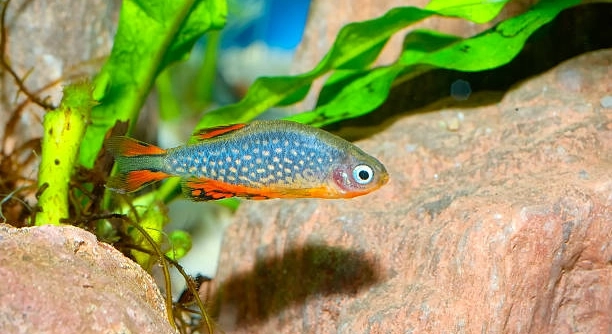
Keeping a Danio-heavy aquascape clean can feel challenging, especially when these active fish constantly stir up the substrate. Maintaining clarity and preventing algae buildup requires consistent attention, proper techniques, and a careful balance of plant and fish care.
Effective cleaning of Danio-dense aquascapes involves a combination of partial water changes, substrate vacuuming, algae management, and equipment maintenance. Regular observation, careful plant trimming, and maintaining balanced filtration are essential to ensure a healthy, visually appealing aquatic environment.
Following these steps can make your aquascape more manageable and support the health of your Danios and plants. Proper care creates a vibrant, clean, and sustainable aquarium ecosystem.
Preparing the Aquarium for Cleaning
Before starting any cleaning, I always turn off electrical equipment to ensure safety. Removing decorations carefully helps prevent disturbing the fish too much. I like to have a bucket and siphon ready, along with a soft brush for algae. Substrate maintenance is easier if I gently stir the top layer, loosening debris without stressing the Danios. It is also important to check water parameters before cleaning, so adjustments can be made if necessary. Plants should be trimmed and dead leaves removed, which improves water quality and creates less work during vacuuming. Filters can be rinsed in removed tank water to avoid killing beneficial bacteria. I usually plan to clean one section at a time to keep the tank organized and reduce stress for the fish. Having all tools prepared makes the process smoother and less disruptive. Small, consistent efforts prevent heavy buildup over time.
Cleaning preparation reduces stress for the fish and ensures efficiency during the process.
Taking these steps allows the tank to stay clean longer, maintaining healthy water and active Danios.
Water Changes and Filtration
Partial water changes are essential for Danio-heavy tanks.
I usually replace 20–30 percent of the water weekly to maintain quality. Using a siphon helps remove debris from the substrate while minimizing disturbance. Freshwater should be dechlorinated and matched to tank temperature to avoid shocking the fish. I pay attention to filter maintenance at the same time, rinsing media gently in removed water to retain beneficial bacteria. Keeping filters free of debris ensures water circulates properly and reduces waste buildup. Over time, consistent water changes reduce algae growth and maintain oxygen levels. Observing fish behavior during and after changes helps detect stress or issues early. Combining careful water replacement with regular filter care creates a stable environment. This method keeps the Danios healthy and active while maintaining a visually clear aquascape. Planning these changes into a weekly routine simplifies long-term maintenance and ensures the aquarium remains vibrant.
Managing Algae Growth
Algae can quickly take over a Danio-heavy tank if left unchecked. I use a soft brush to remove it from glass and decorations. Limiting direct light and maintaining proper nutrient balance also helps control growth naturally.
Regular observation is key. I check leaves and hard surfaces for early signs of algae. Using fast-growing plants reduces excess nutrients that algae feed on. I occasionally adjust feeding routines because overfeeding contributes to growth. Scraping stubborn patches with a gentle tool prevents spreading while avoiding damage to plants. Combining light control, nutrient management, and careful cleaning keeps algae manageable without harsh chemicals.
For tanks with dense fish populations, I rotate algae scrubbing tasks. Glass, rocks, and ornaments are cleaned separately to avoid contamination. I avoid cleaning everything at once to maintain beneficial bacteria. Maintaining consistent water parameters, limiting excess nutrients, and trimming plants regularly keeps algae under control. Observing the tank daily allows quick action if algae starts growing, preventing large-scale outbreaks that require intensive cleaning. Small, frequent efforts are far easier than a single intensive session.
Substrate Maintenance
Siphoning debris regularly keeps the substrate clean and prevents toxic buildup.
I use a gravel vacuum during water changes to remove uneaten food, fish waste, and detritus. Stirring lightly prevents compacting while keeping beneficial bacteria intact. Deep cleaning is done sparingly to maintain ecosystem balance.
Choosing the right substrate helps. Fine gravel or sand works best with Danios since they often stir the substrate while swimming. Layering plants and decorations strategically reduces trapped debris and improves water flow. I divide the substrate into sections, cleaning one area per session to minimize stress on the fish. Regular inspection allows me to notice changes in substrate color or texture, indicating when extra cleaning is needed. This approach keeps waste levels low and water quality high, supporting the health of both plants and fish consistently.
Trimming and Plant Care
Regular trimming prevents plants from overcrowding and keeps water flowing. I remove dead or decaying leaves promptly to maintain water quality and reduce waste buildup. Healthy plants support a balanced aquarium environment for Danios.
Fast-growing species require frequent attention. I cut back stems gradually, ensuring trimmed sections do not float freely and create debris. Spacing plants properly allows light to reach lower leaves, reducing algae growth. Maintaining plant health improves oxygen levels and provides hiding spots for fish. A consistent trimming schedule makes maintenance easier and the tank more visually appealing, while preventing overgrowth that can interfere with feeding and swimming.
Cleaning Decorations
Decorations accumulate algae and debris. I remove ornaments carefully and scrub them with a soft brush in tank water. Avoiding soap preserves beneficial bacteria and prevents chemical contamination.
Filter Maintenance
Filters need regular cleaning to work efficiently. I rinse sponges or cartridges in removed tank water during water changes to avoid killing helpful bacteria. Keeping the filter clear ensures proper circulation and water quality.
Observation and Adjustment
Daily observation of fish behavior and water clarity helps detect problems early. Minor adjustments prevent larger maintenance issues and keep the aquarium stable.
FAQ
How often should I clean a Danio-heavy tank?
I clean my tank weekly, doing partial water changes and substrate vacuuming. Trimming plants and removing dead leaves is also done regularly. Frequent maintenance prevents debris buildup, reduces algae growth, and keeps fish healthy. Consistency is more effective than occasional deep cleaning.
Can I use chemical cleaners in my tank?
I avoid all chemical cleaners. They can harm Danios and beneficial bacteria. Instead, I rely on soft brushes, siphons, and gentle scrubbing with tank water. Mechanical cleaning paired with proper filtration and water changes is safe and effective for maintaining a healthy aquarium.
What is the best way to control algae naturally?
Algae control comes from balancing light, nutrients, and plant growth. I limit direct light to 8–10 hours per day, avoid overfeeding, and keep fast-growing plants trimmed. Rotating algae scrubbing tasks and cleaning surfaces regularly prevents overgrowth without harsh chemicals.
How much water should I change during cleaning?
I usually replace 20–30 percent of the tank water each week. This amount removes waste while keeping beneficial bacteria intact. Replacing more than this can stress the fish and disrupt the tank’s ecosystem. I match water temperature and treat tap water before adding it.
How do I clean the substrate without disturbing the fish?
I use a siphon to gently vacuum debris, working in small sections at a time. Stirring lightly prevents compacting and reduces dust clouding. Removing only part of the substrate each session keeps Danios calmer and avoids disrupting the tank ecosystem too much.
How should I care for live plants during cleaning?
Trimming dead leaves and pruning overgrowth is essential. I remove floating debris and clean plant bases gently in tank water. Healthy plants improve water quality, prevent algae growth, and provide hiding spots for Danios. Consistent attention keeps plants thriving and the tank balanced.
How often should I clean decorations?
Decorations should be cleaned whenever algae buildup is visible. I remove them carefully and scrub with a soft brush in removed tank water. This preserves beneficial bacteria and prevents chemicals from contaminating the aquarium. Frequent small cleanings are better than occasional deep scrubs.
What is the best way to maintain filters?
Filters should be rinsed in removed tank water during water changes. I avoid using tap water or soap, which can kill helpful bacteria. Keeping the filter free of debris ensures proper circulation and water quality. Regular observation helps detect clogging early, maintaining stable conditions for Danios.
How do I know if my cleaning routine is effective?
Clear water, healthy plants, and active fish are good indicators. I monitor water parameters, check for algae growth, and observe fish behavior. Adjustments in frequency or technique may be needed if debris accumulates or water becomes cloudy. Consistency keeps the aquarium stable and visually appealing.
Can I clean everything at once?
I never clean the entire tank at once. Doing so can stress the Danios and disrupt beneficial bacteria. Instead, I divide tasks into sections and spread them across several days. This approach maintains water quality, reduces fish stress, and makes maintenance more manageable.
How do I handle stubborn algae or debris?
I scrub stubborn patches gently with a soft brush in tank water. Rotating cleaning tasks, adjusting light, and trimming plants reduce recurrence. Persistent algae may indicate excess nutrients or light imbalance, so I monitor feeding and light exposure carefully to prevent future buildup.
What tools are essential for maintaining a Danio-heavy tank?
A siphon, soft brushes, a bucket, and plant scissors are my main tools. I keep a thermometer and water test kits handy to monitor conditions. Having the right tools ready makes cleaning safer, faster, and less stressful for both me and the Danios.
How can I make cleaning less stressful for the fish?
I clean in small sections, remove decorations carefully, and limit water disturbance. Observing their behavior helps me adjust the pace. Providing hiding spots with plants and decorations also keeps them calmer during maintenance. Gradual, consistent cleaning keeps the tank stable and fish comfortable.
Is overfeeding a concern for Danio-heavy tanks?
Yes. Excess food increases waste and encourages algae growth. I feed small portions, only what the Danios can eat in a few minutes. Controlling feeding habits reduces substrate buildup, keeps water quality high, and makes cleaning easier.
How do I balance plant care and fish activity?
I space plants to allow swimming areas while trimming overgrowth. Dense plants help absorb nutrients and reduce algae. Observing fish movement helps me adjust layout. Maintaining a balance between plant health and fish activity supports water quality and reduces cleaning frequency.
Are there any shortcuts to cleaning a busy aquarium?
There are no true shortcuts. Skipping steps or using chemicals can harm the tank. Small, frequent tasks, proper tools, and monitoring water conditions are the most effective approach. Staying consistent prevents large-scale issues and keeps the tank visually appealing and safe for Danios.
How do I know when to replace filter media?
I replace filter media based on manufacturer guidelines and water clarity. Rinsing sponges in tank water helps extend their life. If water flow decreases or debris remains, it may be time for a replacement. Maintaining the filter supports consistent water quality.
Can Danios be stressed by cleaning?
Yes, they are active and sensitive to disturbances. I reduce stress by cleaning in sections, limiting sudden movements, and keeping water parameters stable. Providing hiding spaces and gentle handling ensures Danios remain healthy and active during maintenance.
How do I prevent substrate compaction?
I stir the top layer lightly while vacuuming to prevent compacting. Avoiding deep digging preserves bacteria and prevents anaerobic zones. Dividing cleaning into sections helps maintain proper substrate structure and reduces stress on the fish.
What should I monitor after cleaning?
Water clarity, temperature, and fish behavior are key indicators. I also check for algae growth and plant health. Observing these factors daily allows me to adjust care, ensuring the aquarium remains balanced and Danios stay healthy.
How can I keep cleaning manageable long-term?
Consistency is the main factor. Weekly water changes, substrate vacuuming, plant trimming, and filter maintenance make tasks easier. Observing fish and plants regularly allows early intervention. Small, regular efforts prevent major buildup and maintain a vibrant, healthy Danio-heavy aquascape.
What are common mistakes to avoid?
Overfeeding, neglecting water changes, and deep-cleaning filters too often are common issues. Using chemicals or cleaning everything at once can harm beneficial bacteria. Consistency, gentle techniques, and careful observation prevent these problems and support long-term tank health.
Final Thoughts
Maintaining a Danio-heavy aquascape requires consistent effort, but it is rewarding when the tank remains clear and vibrant. Regular water changes, substrate cleaning, and trimming plants prevent waste buildup and help maintain a stable environment. Over time, following a routine makes each cleaning session easier and less stressful for both the fish and the caretaker. Paying attention to small details, like removing decaying leaves or gently scrubbing decorations, has a significant impact on water quality and overall tank health. Observing fish behavior and plant condition regularly allows early detection of potential issues, reducing the need for emergency interventions. Small, frequent tasks are far more effective than sporadic deep cleaning, and they contribute to a long-lasting, balanced aquatic environment.
Proper filtration and algae control are essential components of maintaining a healthy Danio-heavy tank. Filters should be cleaned carefully without disrupting beneficial bacteria, and partial water changes help keep water parameters stable. Algae management can be achieved by controlling light exposure, avoiding overfeeding, and maintaining fast-growing plants. Decorations and hardscape elements should be cleaned regularly to prevent buildup, but always in a way that avoids harming fish or plants. By combining these practices, the tank stays visually appealing, and the Danios remain active and healthy. Over time, maintaining this balance becomes a natural part of aquarium care, making the entire process less time-consuming and more efficient.
Long-term success in a Danio-heavy aquascape comes from consistency, observation, and proper technique. Following a structured maintenance routine ensures that the substrate, water, plants, and fish all coexist in a stable environment. Adjustments may be necessary as the tank matures, but understanding the basic principles of cleaning, trimming, and monitoring water quality provides a solid foundation. By taking care of each aspect of the aquarium carefully and regularly, it is possible to maintain a thriving, balanced ecosystem. A well-maintained tank not only supports the health of the Danios but also enhances the beauty of the aquascape, creating a space that is enjoyable to watch and easy to manage.

Hello,
If you enjoy the content that we create, please consider saying a "Thank You!" by leaving a tip.
Every little bit helps us continue crafting quality advice that supports the health, happiness, and well-being of pets around the world, for pets of all shapes, sizes, and species.
We really appreciate the kindness and support that you show us!