
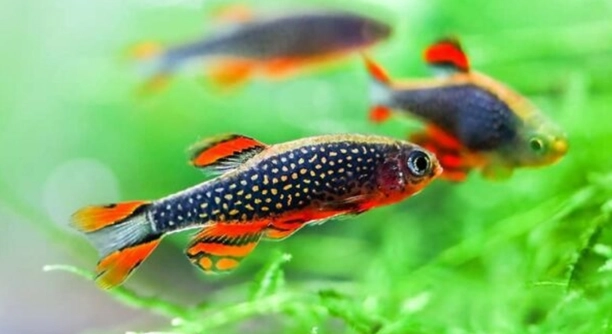
Danios are active, small fish that thrive in lively aquariums. Many owners notice their fish swimming less freely due to subtle environmental or care-related issues that often go unnoticed. Simple adjustments can improve their comfort and activity.
Ensuring Danios swim freely requires optimizing tank size, maintaining proper water quality, providing adequate plants or hiding spaces, controlling temperature and lighting, and reducing stressors. These adjustments create a suitable habitat, encouraging natural, unrestricted movement.
By making these changes, your Danios can enjoy a more comfortable and active life, allowing you to observe their energetic behavior more clearly.
Tank Size Matters
Danios are active swimmers that need space to move freely. A cramped tank can limit their activity and cause stress, which affects their health. Experts recommend a minimum of 10 gallons for a small group, but larger tanks are always better. Adding more horizontal space rather than just height encourages swimming. Overcrowding is common, especially when multiple species share the same tank. It can lead to aggression, fin nipping, and uneven feeding. Observing your fish can help you identify if the tank is too small. Signs include hiding, sluggish swimming, or staying near the surface. Increasing tank size or reducing the number of fish can resolve these problems. Combining a proper tank size with hiding spots and plants creates a comfortable environment. This balance ensures Danios have room to explore while feeling secure. Consistent water quality maintenance complements the added space, promoting overall health and vitality.
Providing enough room helps your Danios stay active, healthy, and playful in the tank.
A well-sized tank also makes maintenance easier and reduces stress-related diseases. Fish thrive with clear, oxygen-rich water and space to establish territories.
Water Quality and Filtration
Keeping water clean is essential for Danios. Poor water quality stresses fish, reducing activity and making them vulnerable to disease. Regular water changes, proper filtration, and testing for ammonia, nitrite, and nitrate levels maintain a healthy environment.
Maintaining consistent water temperature, ideally between 70-78°F, is critical. Fluctuations can shock Danios, slowing their movements and affecting appetite. pH should remain stable, around 6.5-7.5, to match natural conditions. Filtration systems remove waste and keep water clear, but over-filtering can create strong currents that tire small fish. Combining gentle flow with mechanical and biological filtration ensures optimal conditions. Avoid using harsh chemicals or cleaning agents that can harm beneficial bacteria. Frequent partial water changes, approximately 20-30% weekly, prevent toxin buildup. Aeration and proper circulation also improve oxygen levels, supporting healthy activity. By maintaining water quality, you reduce stress and encourage natural swimming patterns. Monitoring water conditions regularly allows early detection of problems, preventing long-term issues and promoting a vibrant, lively tank environment. This creates a habitat where Danios can express their full energy and personality.
Temperature and Lighting
Danios need stable temperatures to swim actively. Sudden changes can stress them and reduce movement. Lighting should mimic natural day-night cycles to maintain regular activity patterns and support overall health.
Maintaining a consistent temperature between 70-78°F prevents stress and supports metabolism. Too cold, and Danios slow down, hiding or staying near the bottom. Too warm, and oxygen levels drop, causing fatigue and erratic swimming. Using a reliable heater and thermometer helps monitor temperature accurately. Lighting should be gentle, around 8-10 hours per day, to simulate natural conditions without overstimulation. Avoid placing the tank in direct sunlight, which can cause temperature spikes and algae growth. Timed lighting ensures Danios follow a regular routine, promoting normal activity. Gradual adjustments when needed reduce shock and encourage a smooth transition.
Consistent conditions support natural behavior, keeping Danios lively. Balanced lighting combined with proper temperature encourages feeding, exploration, and social interactions, creating a healthy, stress-free environment where the fish feel secure and energetic throughout the day.
Plants and Hiding Spots
Providing plants and hiding spaces reduces stress and encourages natural movement. Danios feel secure with cover, which supports exploration and playful swimming without fear.
Live or artificial plants offer shelter and enrich the environment. Dense planting allows Danios to dart through leaves and stems, mimicking natural habitats. Hiding spots, like small caves or decorations, help fish escape aggressive tank mates or sudden disturbances. Grouping plants in corners and along the back of the tank creates open swimming space while maintaining security. Floating plants also offer shade, which lowers stress and reduces bright lighting exposure. When arranging the tank, balance open areas for swimming with sheltered areas for rest. Using varied textures and heights encourages activity and curiosity, helping Danios exercise and stay healthy. Regularly cleaning plants and decor prevents debris buildup, which could affect water quality. Providing this mix of open and protected space ensures Danios remain active, confident, and comfortable in their aquarium.
Proper Feeding
Feeding Danios the right amount encourages activity and prevents water pollution. Overfeeding leads to uneaten food, which can harm water quality and slow swimming.
A balanced diet with high-quality flakes, pellets, and occasional live or frozen foods keeps them energetic. Small, frequent meals work best, avoiding leftover waste that can decay and stress fish.
Tank Mates
Choosing compatible tank mates reduces aggression and stress. Peaceful species allow Danios to swim freely without competition or bullying.
Water Flow
Moderate water flow keeps Danios active and stimulates natural swimming behavior. Strong currents tire them, while stagnant water limits movement. Proper flow mimics natural habitats, encouraging healthy activity patterns.
Stress Reduction
Minimizing sudden changes in environment or handling helps Danios stay calm. A stable tank with gentle care allows them to explore and swim confidently.
FAQ
Why are my Danios not swimming actively?
Danios may slow down due to poor water quality, incorrect temperature, or overcrowding. Stress from aggressive tank mates or lack of hiding spots can also reduce activity. Regular water testing, proper tank maintenance, and providing a comfortable environment can help restore normal swimming behavior.
How often should I change the water?
Partial water changes of about 20-30% weekly help maintain clean, safe conditions. This removes excess waste, reduces nitrate buildup, and keeps oxygen levels stable. Consistent maintenance prevents stress and supports energetic, healthy Danios.
What is the ideal tank size for Danios?
A minimum of 10 gallons is recommended for a small group, but larger tanks are preferable. More space allows natural swimming patterns, reduces aggression, and provides room for plants and decorations. Horizontal swimming space is especially important for their activity.
Can Danios live with other fish?
Yes, they thrive with peaceful species of similar size. Avoid aggressive or slow-moving fish, as they may stress or injure Danios. Providing hiding spots and monitoring interactions ensures a balanced, harmonious tank.
What temperature is best for Danios?
A stable range between 70-78°F supports metabolism and activity. Sudden fluctuations can stress them, slow movement, and affect appetite. Using a reliable heater and thermometer helps maintain consistent conditions.
Do Danios need live plants?
Live plants are beneficial but not required. They provide hiding spots, reduce stress, and mimic natural habitats. Artificial plants can serve the same purpose if maintained properly and arranged to balance open swimming areas.
How should I feed Danios?
Offer a balanced diet of flakes, pellets, and occasional live or frozen foods. Feed small amounts 2-3 times daily, ensuring all food is eaten within a few minutes. Overfeeding can pollute water and reduce swimming activity.
How do I reduce stress in my Danios?
Keep the tank environment stable, avoid sudden changes, and provide hiding spots. Minimize handling and sudden loud noises near the tank. Gentle, consistent care encourages confident swimming and exploration.
Why do Danios jump out of the tank?
Jumping often occurs due to stress, poor water quality, or overcrowding. A secure lid, proper water conditions, and enough space prevent this behavior and keep fish safe.
How much water flow is ideal?
Moderate water flow encourages natural swimming without exhausting the fish. Too strong a current can tire them, while stagnant water reduces activity. Adjust filtration to balance movement and comfort.
Can poor lighting affect swimming?
Yes, lighting that is too bright or irregular can stress Danios. Simulating a natural day-night cycle with gentle lighting encourages regular activity and supports overall health.
How many Danios should be kept together?
Danios are social fish and thrive in groups of at least 5-6. Smaller groups may lead to stress or timid behavior. Keeping a proper group size encourages schooling and active swimming.
What are signs of a healthy Danio?
Active swimming, clear eyes, bright colors, regular feeding, and interaction with tank mates indicate good health. Lethargy, hiding, or clamped fins may suggest environmental or health issues.
Can temperature changes make Danios sick?
Yes, rapid temperature fluctuations can weaken their immune system, making them prone to disease. Maintaining a consistent range prevents stress-related illnesses and supports natural swimming behavior.
Is tank decoration important?
Yes, decorations like plants, rocks, and caves provide shelter and reduce stress. Open swimming areas combined with hiding spots create a balanced environment for activity and comfort.
How often should I test water parameters?
Weekly testing of ammonia, nitrites, nitrates, and pH is recommended. Regular monitoring helps detect issues early, ensuring Danios remain healthy and active in their tank.
Can Danios adapt to different water types?
Danios are hardy but prefer stable conditions. Gradual acclimation is necessary when introducing them to new water to prevent stress and encourage normal swimming patterns.
Why do Danios sometimes hide all day?
Excessive hiding can indicate stress from tank mates, poor water quality, or inadequate environment. Adding plants, improving water conditions, and monitoring social dynamics can encourage activity.
Are Danios sensitive to noise or vibrations?
Yes, loud sounds or sudden movements near the tank can stress them. Minimizing external disturbances allows Danios to swim freely and maintain normal behavior.
How do I encourage more active swimming?
Provide ample space, proper water quality, compatible tank mates, moderate flow, and hiding spots. Balanced care and a stable environment naturally promote energetic, lively swimming in Danios.
This FAQ covers essential questions to help maintain Danios in a healthy, active, and stress-free aquarium, ensuring they swim freely and display natural behavior.
Danios are lively fish that thrive in a well-maintained and thoughtfully arranged aquarium. Observing them swim freely is a sign of good health and proper care. Ensuring that tank conditions meet their basic needs is crucial, from maintaining water quality to providing the right amount of space. Each adjustment, even if it seems small, can have a significant impact on their behavior and overall wellbeing. A properly sized tank allows them to swim naturally, exercise, and interact with other Danios without feeling crowded. Overcrowding, on the other hand, can lead to stress, reduced activity, and aggression, which negatively affects both the fish and the tank environment. Regular monitoring and adjustments help maintain balance, supporting not only the physical health of the fish but also their natural patterns of movement and interaction.
Water quality is another fundamental aspect of keeping Danios healthy and active. Regular water changes, proper filtration, and consistent testing for ammonia, nitrites, and nitrates are essential practices. Water temperature and pH levels should remain stable to prevent stress and illness. Even slight fluctuations can cause discomfort, reduce activity, or make Danios more susceptible to disease. Using a reliable heater, thermometer, and water testing tools makes it easier to maintain consistent conditions. Moderate water flow encourages swimming without causing exhaustion, while calm areas allow them to rest and feel secure. Adding plants and decorations also creates a comfortable environment that balances open swimming space with hiding spots, reducing stress and encouraging natural behavior. Attention to these details ensures that Danios can thrive physically and display their characteristic energy and playfulness.
Feeding and stress management are equally important for promoting active, healthy fish. A balanced diet of flakes, pellets, and occasional live or frozen foods provides essential nutrients, while small, controlled portions prevent overfeeding and water pollution. Reducing stress involves minimizing sudden changes in the environment, avoiding loud noises near the tank, and providing safe spaces where Danios can retreat if needed. Compatible tank mates, gentle handling, and stable lighting further support a calm and secure environment. When all these factors are considered together—space, water quality, temperature, flow, nutrition, and stress reduction—Danios are more likely to swim confidently and energetically. By maintaining these conditions consistently, owners can enjoy the full range of behaviors and activity that make Danios such engaging and rewarding fish to keep. Creating this kind of balanced, stable environment ensures long-term health and happiness for the fish while also making the aquarium a visually pleasing and lively display.

Hello,
If you enjoy the content that we create, please consider saying a "Thank You!" by leaving a tip.
Every little bit helps us continue crafting quality advice that supports the health, happiness, and well-being of pets around the world, for pets of all shapes, sizes, and species.
We really appreciate the kindness and support that you show us!