
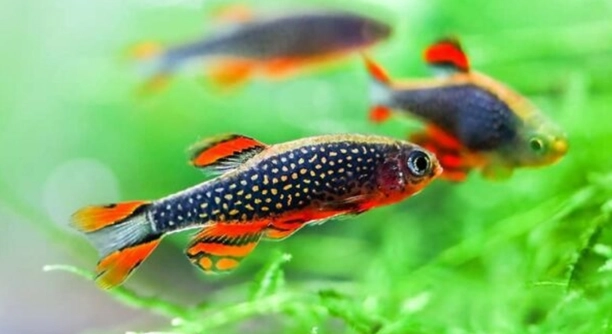
Danios are lively fish that enjoy well-planted aquariums. Adding the right plants can create a comfortable and safe space for them to build nests and care for their eggs. A thoughtful plant selection benefits both fish and tank.
The best plants for encouraging danio nesting include dense, fine-leaved species that provide hiding spots and support for eggs. Plants like Java moss, hornwort, and cabomba create optimal conditions for breeding, offering safety, stability, and shelter for developing fry.
Choosing these plants can improve the overall health and activity of your aquarium, creating a balanced and thriving environment for your danios.
Java Moss
Java moss is a versatile plant that grows well in most aquarium conditions. Its dense, branching structure gives danios plenty of places to hide and lay eggs. This plant can attach to rocks, driftwood, or substrate, creating natural-looking patches. It also absorbs excess nutrients in the water, helping keep the tank cleaner. Danios are small and active, so having fine, thick foliage like Java moss makes them feel safe and encourages natural nesting behavior. Over time, moss spreads and forms mats that can hold hundreds of tiny eggs. It’s low-maintenance, requiring minimal light and no special fertilizers. Even in tanks with moderate water movement, Java moss stays anchored and continues to grow, giving constant shelter. Additionally, it provides surfaces where fry can feed on microorganisms. Many breeders prefer it because it increases survival rates for eggs and hatchlings. Observing danios use Java moss for spawning is rewarding and shows how plants directly influence fish behavior.
Java moss is ideal for danio tanks because it provides cover, attachment surfaces, and egg protection, supporting successful breeding.
This plant grows slowly but steadily, requiring little care. It improves tank appearance and creates natural hiding spaces, making the aquarium safer for fish and their young.
Hornwort
Hornwort floats or anchors easily, adapting to various tank setups. Its bushy structure encourages danios to explore and nest among its stems.
Hornwort is a fast-growing, hardy plant that tolerates a wide range of water conditions. Its long, feathery stems create vertical spaces that give eggs protection from currents and predators. Danios enjoy swimming through its dense foliage, which mimics their natural habitat. Hornwort also reduces nitrate levels by absorbing excess nutrients, promoting cleaner water and healthier fish. The plant can be left floating or planted lightly in substrate, providing flexible placement options. Unlike delicate plants, hornwort withstands active fish without breaking easily. It’s also effective in breeding setups because its stems create layers where eggs can settle naturally. Even if some eggs fall off, they are likely to stick to the plant or nearby surfaces. This adaptability makes hornwort a practical choice for both beginner and experienced aquarists who want to encourage danio nesting in a low-maintenance way.
Cabomba
Cabomba grows quickly and has fine, feathery leaves that danios love for nesting. Its dense structure gives eggs protection while allowing water to flow through. It thrives in moderate light and slightly acidic water.
This plant creates a natural shelter that encourages danios to spawn more frequently. Its soft leaves prevent damage to delicate eggs while providing surfaces for them to attach. Cabomba spreads well, forming thick patches where fry can hide immediately after hatching. Danios feel secure moving through its stems, which reduces stress and promotes healthier behavior. Regular trimming prevents overcrowding and keeps the plant looking tidy, but otherwise, it requires minimal care. Planted or floating, cabomba supports both egg protection and overall aquarium balance. Its delicate appearance adds visual appeal while serving a practical breeding function, making it a favorite for those managing small to medium tanks. Over time, it can transform an ordinary tank into a layered habitat that mimics natural river environments.
Dense planting with cabomba also helps filter water naturally. The plant absorbs excess nutrients, which limits algae growth and keeps the environment clean for both fish and fry.
Anacharis
Anacharis roots easily and grows thick stems, providing cover for danios. Its hardy nature allows it to tolerate varying light and temperature conditions, making it suitable for most aquariums.
The plant’s long stems create vertical and horizontal spaces where eggs can safely settle. Danios actively use these stems to attach eggs, giving them stability against currents. Anacharis grows fast, offering continuous shelter as older stems are replaced by new growth. It is easy to propagate, so maintaining dense coverage is simple and sustainable. Healthy anacharis absorbs nitrates and other nutrients from the water, indirectly improving egg survival. By planting several bunches or letting it float, you ensure multiple safe zones throughout the tank. This flexibility allows breeders to create spawning areas without sacrificing swimming space for the fish. Its durability and rapid growth make anacharis a reliable choice for tanks that experience high activity or minor water fluctuations.
Alongside breeding benefits, anacharis contributes to oxygenating the water and balancing the ecosystem, making it both practical and visually appealing.
Water Wisteria
Water wisteria grows quickly and forms dense clusters, perfect for danio nesting. Its broad leaves offer hiding spots while still allowing water movement, which keeps eggs healthy.
It adapts to different water conditions and does well in moderate light. Its growth helps reduce algae and provides a safe environment for both eggs and fry.
Amazon Sword
Amazon sword plants develop strong roots and large leaves, creating a stable base for danios to explore and attach eggs. The leaves give ample shelter, protecting eggs from strong currents and active tank mates. Its long lifespan and slow growth make it ideal for long-term breeding setups.
Vallisneria
Vallisneria grows tall and straight, forming vertical barriers that danios use for spawning. Its flexible leaves create gentle hiding spaces while allowing eggs to stick safely. Its resilience to various tank conditions makes it easy to maintain and supports natural nesting behavior effectively.
FAQ
What plants are best for danio breeding?
Plants with dense, fine foliage work best for danio breeding. Java moss, hornwort, cabomba, anacharis, water wisteria, Amazon sword, and vallisneria provide shelter, attachment points for eggs, and reduce stress for the fish. Their growth patterns and structure encourage natural nesting behaviors.
How do I set up plants for nesting?
Arrange plants in clusters or along tank edges to give danios protected areas. Place tall or floating plants near swimming spaces to break strong currents. Dense patches encourage eggs to attach while still leaving swimming room. Avoid overcrowding, which can restrict movement and reduce oxygen circulation.
Can danios lay eggs without plants?
Yes, but plants increase egg survival rates. Without cover, eggs are more exposed to currents and risk being eaten by adults or other fish. Plants create safer, more natural environments that stimulate danios to spawn more frequently.
How often should I trim these plants?
Regular trimming prevents overcrowding, especially for fast-growing species like cabomba or water wisteria. Trimming maintains water flow and light penetration, which keeps eggs healthy. Remove decaying leaves promptly to prevent water quality issues.
Are floating plants better than rooted plants?
Both have advantages. Floating plants like hornwort offer cover without taking up substrate, while rooted plants like Amazon sword and vallisneria provide stability for egg attachment. Combining both types can create layered protection and varied surfaces for spawning.
Do these plants need special care?
Most are low-maintenance. Java moss, hornwort, and anacharis grow well in moderate light with minimal fertilization. Cabomba and water wisteria may need occasional trimming. Amazon sword and vallisneria require slightly more nutrient-rich substrate but are generally hardy once established.
Will plants affect water quality?
Yes. Healthy plants absorb excess nutrients like nitrates and phosphates, which helps prevent algae growth. They also produce oxygen, which benefits both adult danios and fry. Dead plant material should be removed to avoid water contamination.
Can I mix different plant types in one tank?
Absolutely. Mixing fast-growing, slow-growing, floating, and rooted plants creates varied habitats. This mimics natural environments, giving eggs more attachment options and fry more hiding spots. It also balances oxygen levels and nutrient absorption in the tank.
How do I encourage danios to use the plants for nesting?
Maintain clean water, moderate lighting, and stable temperatures. Place dense plants near tank edges or in corners. Reducing strong currents and keeping a calm environment makes danios feel safe, which encourages spawning on or near the plants.
What should I do after eggs are laid?
Check for any detached eggs and ensure they are not being eaten by adults. Consider leaving dense plants undisturbed to protect the eggs. Maintaining good water quality and minimal disturbance will help the eggs develop into fry successfully.
Are all danio species the same with plants?
Different species may have slight preferences. Zebra danios, for example, often use dense moss or floating plants, while pearl danios may prefer tall stems like vallisneria. Observing their behavior helps determine which plants are most effective for your tank setup.
How do plants help fry survival?
Plants provide hiding spots for fry, protecting them from adult fish. They also harbor microorganisms that serve as a natural food source. Dense foliage reduces stress and gives young fish a safe environment to grow, increasing overall survival rates in the tank.
Can I use artificial plants instead?
Artificial plants can offer hiding spaces but lack the oxygenation and nutrient absorption benefits of live plants. They also do not support microorganisms that fry feed on. Live plants are generally more effective for promoting natural spawning and healthy fry development.
How long does it take for plants to support nesting?
It depends on the plant. Fast-growing plants like hornwort and water wisteria can provide cover within a few weeks. Slower growers like Amazon sword and vallisneria may take months to establish, but once mature, they offer long-term benefits for nesting and tank health.
Is lighting important for plant growth and spawning?
Yes. Moderate light supports healthy plant growth, which in turn creates safe areas for eggs. Too little light slows growth, reducing available cover, while too much light can encourage algae growth. Finding a balance ensures both plant and fish health.
Can plants survive with high fish activity?
Many plants like Java moss, hornwort, and anacharis are resilient and can handle active fish. Fragile plants may need protection or trimming to prevent damage. Choosing hardy species ensures that the plants remain effective for nesting despite the movement of danios.
How do I know if the plants are healthy?
Healthy plants have vibrant green leaves, steady growth, and no signs of decay. Brown or slimy leaves indicate poor health, which can affect eggs and fry. Regular maintenance and proper tank conditions keep plants thriving for long-term nesting support.
Do danios need specific water conditions to nest on plants?
Stable water temperature, low stress, and moderate flow encourage nesting. Most plants thrive in similar conditions, so maintaining appropriate pH, temperature, and cleanliness ensures both plants and fish are comfortable for breeding.
Can plants reduce the risk of egg loss?
Yes. Dense foliage shelters eggs from strong currents and adult fish that may eat them. Providing multiple attachment surfaces increases the chance that eggs survive to hatch, making plants essential for successful danio breeding.
How often should I check on the plants?
Regular weekly checks are sufficient. Look for overgrowth, dead leaves, or algae. Trimming and cleaning when needed maintains optimal conditions for spawning while minimizing disturbance to eggs or fry hiding among the foliage.
Do plants influence danio behavior beyond nesting?
Absolutely. Plants provide shelter, reduce stress, and encourage natural swimming patterns. Active and confident fish are more likely to breed successfully, making plant choice important not only for eggs but for overall aquarium health and harmony.
Plants play an essential role in creating a safe and comfortable environment for danios. Choosing the right types can directly influence whether your fish feel secure enough to spawn and care for their eggs. Plants such as Java moss, hornwort, and cabomba provide dense foliage where eggs can attach, protecting them from currents and active fish. Taller species like vallisneria and Amazon sword offer vertical surfaces that mimic natural habitats, giving danios areas to explore and hide. Even floating plants, like hornwort, provide overhead cover that reduces stress and encourages natural behavior. By including a mix of plant types, you can create a balanced environment that promotes both healthy fish activity and successful breeding. This approach also helps maintain water quality, as healthy plants absorb excess nutrients, limit algae growth, and produce oxygen, which is vital for both adult fish and fry.
Maintaining these plants is usually simple, though some require occasional trimming to prevent overcrowding and ensure proper water flow. Fast-growing plants such as cabomba and water wisteria benefit from regular pruning, which keeps the tank visually appealing while still providing hiding places for eggs. Slower-growing plants like Amazon sword need less attention once established but offer long-term stability for the tank layout. Observing how your danios interact with the plants can help you decide if adjustments are necessary. For example, if eggs are consistently falling into open areas, you may need to add denser or taller plants to encourage attachment in safer spots. Paying attention to plant health is also important, as decaying leaves can negatively impact water quality and, in turn, the survival of eggs and fry. A little maintenance goes a long way in supporting both the plants and the fish, creating a harmonious environment that benefits all inhabitants.
Finally, understanding the needs of your danios and how they use plants for nesting allows you to create a thriving aquarium. Providing a mix of dense, fine-leaved plants, tall vertical plants, and floating options ensures that eggs are protected, fry have hiding spaces, and adult fish feel comfortable. Healthy plants contribute to water quality and offer surfaces for microorganisms that fry can feed on, which helps increase survival rates. Over time, a well-planted aquarium not only supports successful breeding but also encourages natural behavior, reduces stress, and enhances the visual appeal of the tank. By focusing on both the fish and the plants, you create a balanced ecosystem that promotes long-term health and activity. Observing the changes in your tank as plants grow and fish use them for nesting can be rewarding and provides insight into how even small adjustments can improve outcomes. Proper plant selection and care are simple steps that make a significant difference in creating an environment where danios can thrive and reproduce naturally.

Hello,
If you enjoy the content that we create, please consider saying a "Thank You!" by leaving a tip.
Every little bit helps us continue crafting quality advice that supports the health, happiness, and well-being of pets around the world, for pets of all shapes, sizes, and species.
We really appreciate the kindness and support that you show us!