
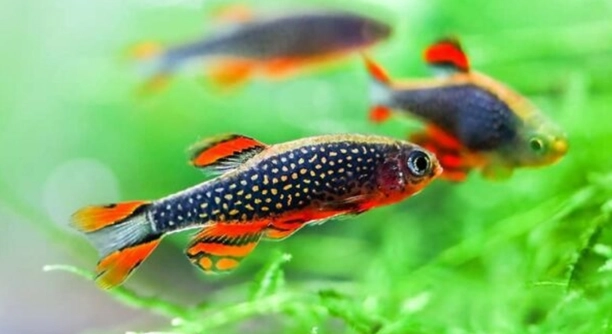
Have you ever noticed that your fry often hide and seem stressed in their tank? Many aquarists want their young fish to feel safe, secure, and comfortable while they grow in their environment. Tank design plays a big role.
Providing hiding spots through tank modifications encourages fry to seek shelter and reduces stress, promoting healthier growth. Adding structures, plants, and caves creates a safer environment that mimics natural habitats, allowing fry to develop natural behaviors and thrive in captivity.
These simple adjustments can make a noticeable difference in your aquarium’s overall balance and the well-being of your fry. Paying attention to their environment will help them feel more secure and active.
Adding Live Plants
Live plants create natural hiding spots for fry, giving them security and comfort. They also improve water quality by absorbing nitrates and producing oxygen, which helps maintain a stable environment. Fast-growing plants like hornwort or java moss are ideal because they provide dense cover without requiring constant trimming. Young fish can dart between the leaves, reducing stress and encouraging natural behavior. In addition, plants help break the line of sight for larger fish, preventing fry from being chased or bullied. A planted tank can simulate the conditions of their natural habitat, helping fry grow healthier and more resilient. Over time, plants can also reduce algae growth by competing for nutrients, keeping the tank cleaner. Using a mix of tall and short plants can create layers of hiding spots, allowing fry of all sizes to find shelter. Live plants not only support fry but enhance the tank’s overall appearance, making it more calming and balanced.
Planting dense greenery allows fry to feel safer, reducing aggression from larger tank mates and minimizing stress-related issues.
Setting up live plants requires patience but is rewarding. Placement should focus on creating small clusters, leaving open swimming spaces in between. Fast-growing plants need occasional trimming, while slow-growing species provide long-term cover. Moss mats and floating plants can also be added for additional shelter, making the tank feel secure. Over time, fry will learn to use the plants efficiently for hiding and feeding, which encourages natural behaviors and strengthens their instincts. Plants also help maintain water quality, creating a healthier environment for all inhabitants. Choosing a variety of plant species ensures continuous coverage and aesthetic appeal. By observing fry interactions, you can adjust plant placement to maximize safety. A planted tank is a simple but effective way to support fry growth, encourage natural behavior, and create a visually appealing aquarium that feels alive and balanced.
Incorporating Small Caves
Small caves give fry a place to retreat and feel safe, especially in community tanks where larger fish may be present.
Adding caves made from ceramic, resin, or rock offers structured hiding areas that mimic natural shelters. They reduce stress by providing secure zones where fry can rest and feed undisturbed. Caves can be placed at various points in the tank to create multiple safe spots. Some designs allow fry to swim through, offering both protection and exercise. These structures also help establish territories, reducing conflicts among fry as they grow. Caves can be combined with plants for layered hiding options. Their presence encourages natural behaviors such as exploring, sheltering, and seeking safety, which improves overall development. Fry quickly learn to recognize caves as safe zones, reducing panic responses. Properly cleaned and positioned caves last a long time and contribute to a balanced tank environment, supporting both fry health and tank aesthetics. Regular inspection ensures caves remain free from debris and harmful buildup.
Floating Plants
Floating plants give fry instant cover and a sense of security near the water surface. They reduce light intensity, helping shy fry feel less exposed and more willing to explore other areas of the tank.
Plants like duckweed or water lettuce create soft shadows that fry can hide under. They are easy to maintain and provide additional benefits, including slowing water movement at the surface and creating microhabitats for microorganisms that fry may feed on. Floating plants also help reduce stress by breaking the line of sight from larger, more aggressive fish, allowing fry to move more freely without constant fear. They can be trimmed or repositioned easily, giving you control over coverage levels as fry grow. Combining floating plants with rooted plants and caves ensures fry have shelter at all levels of the tank, supporting healthy development and natural behavior patterns.
Regularly adding floating plants encourages fry to explore the mid and lower levels while still having access to top cover. They contribute to oxygen exchange and create a calmer tank environment.
PVC Pipe Hides
PVC pipes are a simple, customizable hiding option for fry. They are inexpensive, easy to clean, and can be arranged to suit different tank sizes and layouts.
By cutting pipes to various lengths, you can create tunnels, single entrances, or cluster formations, giving fry multiple options to escape or rest. Pipes are durable and inert, so they won’t alter water chemistry, making them ideal for sensitive fry. Positioning pipes horizontally or at slight angles encourages exploration and helps fry develop spatial awareness. Some aquarists combine pipes with plants to soften the look and create naturalistic environments. Fry quickly learn which pipes are safe, reducing stress and improving feeding confidence. Over time, pipes can be integrated into larger hiding networks alongside caves, driftwood, and rocks, offering a structured environment that mimics natural shelters. Properly anchored pipes prevent movement during water changes or active swimming, maintaining safety and stability for fry.
PVC pipe hides can be adapted for growth stages, with smaller diameter pipes for tiny fry and larger ones as they grow, ensuring long-term usability and consistent shelter.
Driftwood and Rocks
Driftwood and rocks create natural hiding areas and break open swimming spaces. They offer both vertical and horizontal cover, giving fry a sense of security while encouraging natural exploration.
These materials also help establish territories and reduce stress from more aggressive tank mates. Arranging them in clusters or layering smaller rocks creates nooks fry can easily access.
Moss Walls
Moss walls provide dense, soft cover that fry can cling to and hide within. They encourage grazing on microorganisms, supporting early feeding habits and healthy growth.
Moss walls also help diffuse light and create a calm environment. Placing them along tank sides or near structures enhances hiding options, giving fry consistent security throughout the aquarium.
Ceramic Ornaments
Ceramic ornaments offer stable, easy-to-clean hiding spaces. They can be simple caves or decorative shapes that double as shelter, adding variety to the tank layout.
These ornaments don’t alter water chemistry and are durable. They give fry safe retreats and can be combined with plants or moss to create layered environments that mimic natural habitats.
FAQ
How do I know if my fry are stressed?
Signs of stress in fry include hiding excessively, erratic swimming, loss of appetite, or staying near the tank bottom. Stress can also cause slower growth and weaker immune responses. Observing behavior daily helps detect problems early. Changes in water conditions, aggressive tank mates, or lack of hiding spots often trigger stress. Providing plants, caves, or other shelter allows fry to feel secure and reduces these negative behaviors. Consistent feeding schedules and maintaining clean water also play a crucial role in lowering stress levels and supporting healthy development.
Can fry hide too much?
Yes, if fry are constantly hidden, it can indicate fear or poor tank conditions. Lack of exploration may lead to reduced feeding, slower growth, and weaker immune systems. Fry need a balance of shelter and open space to develop natural behaviors. Adjusting tank layout, adding light cover, or rearranging decorations can encourage movement while still providing security. Monitoring growth and activity levels helps determine whether hiding behavior is normal or excessive. Gradual changes to the environment allow fry to feel safe while encouraging exploration and interaction with their surroundings.
Are live plants better than artificial ones for hiding?
Live plants generally provide more benefits than artificial plants. They improve water quality by absorbing nitrates and oxygenating the tank while creating natural hiding spaces. Live plants also encourage grazing on microorganisms, which can support early fry nutrition. Artificial plants can offer cover but do not contribute to water quality or natural behaviors. They are easier to clean and maintain, however, and can be useful in tanks where light or nutrients for live plants are limited. Combining both types can create visually appealing and functional hiding spots while supporting fry safety.
How many hiding spots should I add?
The number of hiding spots depends on fry population and tank size. A general rule is to provide one shelter for every two to three fry to reduce competition and stress. Overcrowding hiding areas can limit swimming space, while too few shelters can cause aggression or panic. Using a mix of caves, plants, moss, and floating options ensures coverage at all tank levels. Monitoring fry behavior helps adjust placement and quantity. As fry grow, hiding spots may need to be resized or rearranged to accommodate changing needs and maintain a secure environment.
Can hiding spots affect tank maintenance?
Yes, more structures can make cleaning and water changes more challenging. Plants, caves, and decorations can trap debris or uneaten food, increasing the risk of poor water quality. Regular inspection and gentle cleaning prevent buildup without disturbing fry. Using easy-to-remove decorations or modular setups helps simplify maintenance while keeping hiding areas intact. Choosing materials like ceramic, PVC, or smooth rocks also reduces algae accumulation. Balancing hiding spots with maintenance needs ensures fry remain safe, healthy, and the tank stays clean. Observation and routine upkeep make it easier to manage a secure and sustainable tank environment.
Do hiding spots help fry survive with larger fish?
Absolutely. Hiding spots reduce predation risk and give fry a place to escape when larger or more aggressive fish are present. Vertical cover, caves, and floating plants allow fry to avoid direct confrontation while exploring the tank. Fry learn to recognize these safe areas, lowering stress and improving feeding confidence. Combining multiple types of shelters ensures that fry have options at all levels of the tank, giving them freedom to move safely. A well-planned environment supports healthy growth, encourages natural behavior, and improves overall survival rates in mixed-species aquariums.
Should I rearrange hiding spots often?
Occasional rearrangement can encourage exploration and prevent fry from relying on a single area for security. It can also reduce territorial disputes as fry grow. However, frequent changes may increase stress, so adjustments should be gradual. Rearranging plants, caves, or decorations carefully helps fry adapt without panic. Monitoring their behavior before and after changes ensures the environment remains safe. This practice keeps the tank dynamic, promotes activity, and allows fry to develop better spatial awareness. A balanced approach maintains security while fostering healthy growth and curiosity in young fish.
What materials are safest for fry hiding spots?
Safe materials include ceramic, PVC, smooth rocks, and natural driftwood. They are inert, do not leach harmful substances, and are easy to clean. Avoid sharp edges, treated wood, or painted ornaments, as these can injure fry or alter water chemistry. Moss, live plants, and floating vegetation also provide safe, natural cover. Choosing durable, non-toxic materials ensures fry can explore and hide freely without risk of harm. Layering different materials creates diverse hiding options that mimic natural habitats, supporting fry behavior, reducing stress, and improving overall tank health.
Can hiding spots improve feeding behavior?
Yes, hiding spots give fry confidence to explore and feed without fear of predation. Fry that feel secure are more likely to actively search for food, resulting in better growth. Placing food near plants or caves encourages safe foraging and helps fry learn feeding patterns. Over time, fry use shelters as staging areas to venture out and return safely, reinforcing natural instincts. A combination of secure zones and accessible feeding areas promotes balanced nutrition, reduces competition, and supports healthy development throughout the early stages of life.
Creating a safe and comfortable environment for fry is an important part of successful fishkeeping. Fry are small, delicate, and easily stressed by their surroundings or larger tank mates. Providing hiding spots helps reduce fear and allows them to grow at a steady, healthy pace. Simple modifications, like adding live plants, moss, caves, or floating vegetation, make a significant difference in their well-being. These additions mimic natural conditions and allow fry to display instinctive behaviors, such as seeking shelter and exploring cautiously. Even basic options, like PVC pipes or ceramic ornaments, can offer security and structure in the tank without requiring much maintenance. Over time, fry learn to recognize these safe zones, which encourages them to move more confidently throughout the aquarium, interact with their environment, and establish normal feeding habits.
A well-thought-out tank setup not only benefits fry but also improves overall tank health. Live plants and moss walls, for example, provide both shelter and water filtration, reducing harmful nitrate levels and improving oxygenation. Arranging hiding spots in layers or clusters ensures coverage at all levels of the tank, giving fry options for retreat and exploration. Floating plants create shaded areas near the surface, while driftwood and rocks provide mid-level or bottom cover. These structures also help reduce aggressive interactions among fry or with larger fish by breaking sight lines and allowing fry to retreat safely. Consistently monitoring fry behavior helps identify whether the setup is meeting their needs. Adjustments, such as moving plants, adding new caves, or resizing PVC pipes as fry grow, allow the environment to remain appropriate for their changing size and activity levels. A balanced setup creates a calmer, more natural tank atmosphere that supports healthier growth and reduces stress.
Focusing on hiding spots is a long-term investment in the success of your fry. It encourages natural behaviors, boosts survival rates, and allows you to observe growth and activity with less worry. By combining multiple types of shelters, you can create a dynamic, layered environment that meets both practical and biological needs. Maintaining these areas through gentle cleaning, occasional trimming of plants, and repositioning of structures keeps the tank safe and functional. The results are visible in the health, behavior, and development of the fry, as they feel secure, eat well, and explore confidently. Thoughtful planning of hiding spots benefits every aspect of a fry’s early life, providing them with stability, comfort, and protection in a small but meaningful way. A well-organized tank setup shows that careful attention to their environment can make a measurable difference in the growth and success of young fish.

Hello,
If you enjoy the content that we create, please consider saying a "Thank You!" by leaving a tip.
Every little bit helps us continue crafting quality advice that supports the health, happiness, and well-being of pets around the world, for pets of all shapes, sizes, and species.
We really appreciate the kindness and support that you show us!