
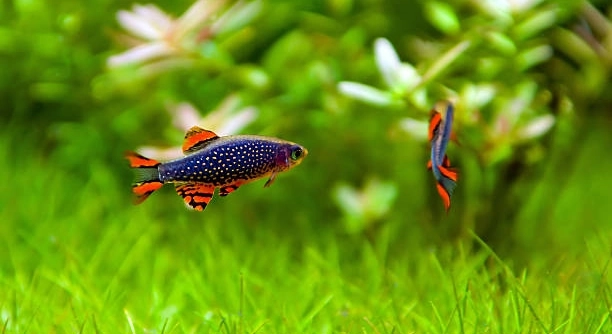
Danios are small, active fish that often catch the eye in home aquariums. Their behavior can change subtly depending on environmental conditions, including the lighting in the room. Observing these changes can reveal interesting patterns.
Danios respond to room lighting through movement, schooling behavior, color intensity, feeding patterns, stress levels, rest periods, and interaction with other tank inhabitants. These reactions are influenced by light intensity, duration, and the consistency of their environment.
Learning how lighting affects their behavior can improve care and create a more balanced, healthy aquarium environment. Small adjustments often lead to noticeable differences in their daily routines.
Light Sensitivity and Movement
Danios are very sensitive to light, and changes in room lighting can affect how they swim. In brighter conditions, they tend to move quickly and explore more of the tank. Shadows or dim lighting often make them slower, keeping closer to plants or decorations. This behavior helps them feel safer when light levels fluctuate. Observing these changes over time can help identify their preferred lighting and reduce stress. Many aquarists notice that consistent lighting schedules lead to calmer, more predictable movements. Adjusting light gradually rather than suddenly prevents startling them and maintains a stable routine. Their activity patterns often reflect the light cycle in the room, showing that even small adjustments can impact behavior.
Light changes directly influence how active danios appear and how often they swim across the tank, impacting their overall comfort.
A steady lighting schedule ensures danios maintain regular activity levels. Abrupt changes can cause erratic movement and tension. Understanding their sensitivity allows for creating an environment that supports natural swimming patterns while minimizing stress and promoting healthier interactions among the fish.
Color Response to Lighting
Danios display subtle shifts in coloration depending on light exposure.
Lighting affects the intensity of their colors, with brighter lights enhancing vibrancy and dimmer conditions muting tones. Proper lighting can highlight natural patterns and make their appearance more striking. Consistent exposure also helps in maintaining pigment health over time.
The way danios reflect light can reveal their overall health and comfort. When lighting is well-managed, colors remain vivid, and stress-related fading is less common. Fish that are regularly exposed to balanced light cycles often show stronger, more defined stripes and hues. This not only makes them visually appealing but also indicates a stable environment. Adjusting light carefully supports both aesthetic and biological needs. Monitoring color changes can serve as a non-invasive method to gauge wellbeing, ensuring their tank environment remains suitable. Selecting lighting that mimics natural daylight and avoiding harsh artificial sources prevents rapid fading and helps maintain natural vibrancy throughout the day.
Feeding Behavior and Light
Danios tend to feed more actively under moderate lighting. Too bright or too dim conditions can reduce their interest in food. Observing their feeding patterns helps adjust light levels for optimal activity.
Lighting directly impacts how danios approach food. When lights are too bright, some may hide or hesitate, while others become more aggressive. Dim lighting can make them sluggish, leading to slower response times. Consistent, moderate lighting encourages predictable feeding and reduces competition. Adjusting light intensity gradually ensures they adapt without stress. Watching feeding behavior over several days allows for small adjustments that improve appetite and energy.
In addition, lighting affects where danios choose to feed. They often move to well-lit areas when searching for flakes or pellets. Uneven lighting can cause some to dominate certain spots while others avoid food. Gradual changes in brightness promote fair access and balanced consumption. By aligning feeding times with stable lighting conditions, their natural rhythm is supported, which benefits digestion, growth, and overall health.
Schooling and Social Behavior
Danios school more consistently under stable lighting. Sudden changes can cause scattering or disorganized swimming, disrupting their natural group dynamics.
Their social behavior is closely tied to light cues. When lighting is consistent, danios maintain tighter schools, demonstrating coordinated swimming and clear hierarchy. Erratic or fluctuating light can create stress, causing fish to isolate or act unpredictably. Schooling provides safety and enhances comfort, and consistent illumination supports this instinct.
Stable light encourages natural interactions among danios. They rely on visual signals to stay together, which strengthens group cohesion. Disrupted lighting may result in increased chasing, aggression, or separation. Gradual light adjustments allow them to maintain routine schooling behavior while reducing stress. Properly managed lighting not only improves social structure but also ensures calmer tank conditions, making daily observation more predictable and enjoyable. Monitoring these patterns helps maintain balance and promotes healthy interactions within the group.
Resting Patterns
Danios adjust their resting patterns according to room lighting. Brighter rooms during the day often encourage more active periods, while dimmer areas allow them to rest and conserve energy. Observing these cycles helps create a balanced environment.
Consistent light schedules support regular rest periods. Sudden changes in lighting can disturb their natural rhythm, causing restlessness or prolonged inactivity. Gradual adjustments maintain their comfort and overall wellbeing.
Stress Responses
Danios exhibit noticeable stress reactions under inconsistent lighting. Sudden bright flashes or prolonged darkness can trigger rapid swimming, hiding, or frantic movements, indicating discomfort and heightened alertness.
Monitoring stress behaviors allows for better light management. Fish under stable conditions show calmer responses, normal swimming patterns, and regular interactions with tank mates. This reduces the risk of long-term health issues linked to chronic stress.
Interaction with Tank Environment
Lighting influences how danios engage with plants, decorations, and hiding spots. They often prefer well-lit open areas for activity and dimmer corners for retreat.
Observing these preferences ensures the tank layout complements their natural tendencies. Proper lighting enhances both activity and comfort, creating a harmonious environment that encourages natural behavior.
How does room lighting affect danios’ daily activity?
Danios are very sensitive to light changes, and their activity often mirrors the lighting conditions in the room. Brighter light usually triggers more movement and exploration, while dim or inconsistent lighting can make them sluggish or hesitant. Maintaining a stable light schedule encourages predictable activity patterns. Gradual changes are important because sudden shifts can startle them, causing rapid swimming or hiding. Monitoring their behavior throughout the day helps identify the ideal balance, ensuring they remain active during daylight hours and calm during rest periods. Proper lighting helps maintain their natural circadian rhythm and overall wellbeing.
Can lighting impact danios’ feeding behavior?
Yes, lighting has a direct effect on how danios approach food. Moderate lighting encourages normal feeding, while overly bright light can make them hide or compete aggressively. Dim lighting often slows their response to food, resulting in uneven consumption. Maintaining consistent light levels helps them develop predictable feeding patterns, reduces stress during meals, and ensures all fish have fair access to food. Aligning feeding times with stable lighting improves appetite and digestion. Observing their approach to flakes or pellets under different lighting conditions helps fine-tune both the intensity and duration of light exposure for optimal feeding.
Why do danios change color under different lighting?
Lighting affects the vibrancy and intensity of danios’ colors. Brighter light enhances natural hues, while dim lighting can mute their tones. Proper and consistent lighting supports pigment health and reduces fading. These color changes are often subtle but provide important insight into their comfort and stress levels. Monitoring coloration can be a non-invasive way to gauge overall health. Fish under balanced lighting display stronger patterns and stripes, indicating a stable environment. Avoiding abrupt or harsh lighting prevents stress-induced color loss and helps maintain natural vibrancy throughout the day. Gradual adjustments ensure the changes are comfortable for the fish.
Do danios’ social behaviors change with lighting?
Lighting has a strong influence on schooling and interaction. Consistent lighting encourages tight schooling and coordinated movement, while sudden changes can cause scattering, isolation, or increased aggression. Stable light conditions help maintain hierarchy and calm interactions. Danios rely on visual cues, and proper illumination supports these natural social behaviors. Gradual light changes prevent disruption and reduce stress, allowing them to maintain organized groups. Observing their interactions under different light conditions helps ensure the tank environment fosters natural social patterns.
How does lighting affect stress levels in danios?
Danios show stress responses under inconsistent or abrupt lighting changes. Rapid flashing, prolonged darkness, or overly bright conditions can trigger hiding, frantic swimming, or reduced activity. Consistent, moderate lighting reduces stress, promotes calm swimming, and supports healthier interactions with other tank inhabitants. Monitoring behavior during different lighting conditions helps identify what causes discomfort. By maintaining a stable light schedule, stress-related behaviors are minimized, which contributes to overall physical health. Stress management through proper lighting is essential for long-term wellbeing, as chronic stress can lead to weakened immunity and less vibrant coloration.
Is it necessary to adjust tank lighting gradually?
Yes, gradual adjustments are key for danios. Sudden changes can startle them, disrupt feeding, and impact schooling behavior. Incremental increases or decreases allow fish to adapt naturally without stress. Matching light duration and intensity to their natural rhythm supports normal behavior, comfort, and overall health. Observing responses during gradual adjustments ensures they are comfortable and reduces the likelihood of erratic or harmful behavior. Proper management of lighting transitions helps maintain stable routines and keeps the tank environment predictable and safe for all inhabitants.
What are the best practices for room lighting with danios?
Maintain consistent light schedules that mimic natural daylight patterns. Avoid harsh or flickering lights, and provide gradual transitions between bright and dim periods. Ensure moderate intensity to support activity, feeding, schooling, and color vibrancy. Observe their behavior to adjust for comfort, and use shaded areas for resting or retreat. Combining stability with thoughtful placement of lights helps create a healthy, stress-free environment where danios can thrive, interact naturally, and display their best coloration. Properly managed lighting enhances the overall experience of maintaining a vibrant and balanced aquarium.
Observing how danios respond to room lighting offers valuable insight into their behavior and wellbeing. Their activity, schooling, feeding, and coloration are all influenced by the intensity and consistency of light in their environment. Bright light can encourage exploration and movement, while dimmer conditions often promote resting and hiding. Gradual changes in lighting are important because sudden shifts may startle them or cause stress, which can negatively affect their health. Maintaining a stable schedule that mimics natural light cycles helps support predictable daily routines, allowing them to remain active during appropriate times and rest when needed. Over time, these observations make it easier to understand their preferences and make small adjustments that improve overall comfort and tank harmony.
Lighting also plays a role in their social interactions and feeding behavior. Danios rely heavily on visual cues to coordinate schooling and recognize their tank mates. Consistent lighting supports these natural behaviors, while sudden changes can disrupt group cohesion, leading to scattered or isolated swimming. Feeding is similarly affected; moderate lighting encourages normal consumption, while overly bright or dim conditions can reduce appetite or cause competition at feeding times. By carefully monitoring these patterns, adjustments can be made to ensure that all fish have equal access to food and remain calm during meals. This not only promotes physical health but also encourages a more balanced social environment, reducing stress-related aggression or avoidance behaviors.
Finally, paying attention to lighting can improve the visual appeal and long-term health of danios. Proper illumination enhances their natural colors, making stripes and patterns more vivid, while dim or inconsistent light can cause fading or dullness. Maintaining stable light conditions also helps prevent chronic stress, which is linked to weakened immunity and irregular behavior. Providing areas of both light and shade allows the fish to choose their preferred environment for activity or rest. Small, thoughtful adjustments to lighting can have a noticeable impact, promoting natural routines, reducing stress, and supporting overall vitality. By observing their reactions and adapting the lighting accordingly, it is possible to create a healthier, more comfortable habitat that benefits both the fish and the enjoyment of their keeper.

Hello,
If you enjoy the content that we create, please consider saying a "Thank You!" by leaving a tip.
Every little bit helps us continue crafting quality advice that supports the health, happiness, and well-being of pets around the world, for pets of all shapes, sizes, and species.
We really appreciate the kindness and support that you show us!