
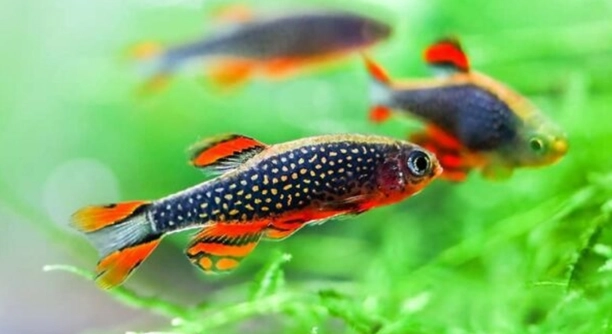
Are your Danios swimming sluggishly or gathering in corners of the tank? Ensuring proper water circulation is essential for their health and vitality. Small adjustments in your aquarium can make a big difference for active, happy fish.
Optimizing water circulation for Danios involves regulating flow patterns, maintaining proper filtration, and strategically placing pumps. Consistent movement ensures oxygen distribution, reduces debris buildup, and promotes a stable aquatic environment, directly supporting the species’ natural swimming behaviors and overall well-being.
Implementing these circulation tips can transform your aquarium into a lively, healthy space for your Danios to thrive effortlessly.
Understanding Danios’ Swimming Patterns
Danios are naturally active swimmers that prefer constant water movement. Observing how they interact with currents in your tank can guide your adjustments. These fish tend to swim in mid to upper levels of the aquarium, often forming small groups that move together. A tank with stagnant areas can lead to uneven oxygen distribution, stress, and less natural behavior. Small modifications, such as repositioning decorations or adjusting flow from filters and pumps, can help create a more consistent current. These adjustments encourage Danios to swim actively and reduce areas where detritus can settle. Even minor tweaks, like tilting a sponge filter or adding a small circulation pump, can make a noticeable difference. Additionally, matching flow intensity with the size of your tank and number of fish is crucial. Too strong a current can exhaust them, while too weak may lead to lethargy. Observing their reactions is the best way to find the right balance for your specific setup.
Carefully watching your Danios will show if water adjustments improve their movement and energy levels.
Creating a balanced swimming environment takes small, thoughtful steps. Moving decorations slightly or redirecting filter outputs can improve water flow without overcomplicating the tank’s layout. The goal is consistent circulation, which reduces dead spots and promotes healthier behavior. Combining natural observation with gentle adjustments ensures Danios remain active, bright, and stress-free, benefiting both fish and tank aesthetics. Over time, you can fine-tune currents, providing an environment that supports natural schooling and reduces buildup of debris. Keeping the tank dynamic yet controlled improves oxygen levels and prevents stagnation. Observing your Danios’ patterns regularly helps identify when further tweaks are needed. The result is an aquarium where fish swim confidently, feeding habits are consistent, and the water remains clear and lively. These practical strategies encourage both longevity and vitality in your Danios without introducing unnecessary complexity.
Choosing the Right Equipment
Selecting pumps and filters with adjustable flow helps manage circulation efficiently.
Choosing the right equipment means considering tank size, number of Danios, and desired current strength. Different filters and pumps create varying flow patterns, and having adjustable options allows fine-tuning without stress on the fish. Equipment placement also matters, as improper positioning can create turbulence or stagnant areas. Testing different setups and observing the fish’s response ensures optimal results. Regular maintenance, including cleaning filters and checking pumps, keeps water moving consistently. For larger tanks, combining multiple devices may be necessary to maintain uniform circulation. Balancing flow strength is key—strong enough for oxygenation but gentle enough to prevent exhaustion. Using gentle spray bars or directing output along tank walls can help disperse currents evenly. Simple tools like sponge filters, powerheads, or canister filters can work in harmony to simulate natural water movement. Keeping circulation predictable yet dynamic supports Danios’ schooling behavior and overall tank health, promoting an environment where they thrive and remain active.
Proper equipment setup supports efficient circulation and healthy tank conditions. Choosing adjustable, well-positioned devices ensures consistent water movement while preventing stress or stagnant areas. Regular testing and maintenance further enhance effectiveness. These decisions directly influence the activity, oxygenation, and comfort of Danios, creating a stable and lively aquarium. Effective equipment selection, paired with mindful adjustments, provides a controlled but dynamic environment that keeps the fish swimming naturally. Each piece of equipment contributes to an integrated system, where flow, filtration, and water quality work together. This approach reduces the need for constant intervention and supports long-term tank stability. Observing the fish’s reaction to different flow strengths helps refine settings, ensuring Danios remain energetic and healthy. Balancing equipment power with tank size and decoration placement prevents excessive turbulence and uneven current distribution. Over time, these considerations establish a harmonious environment, benefiting both the fish’s behavior and the overall aesthetics of the aquarium. Properly chosen tools ultimately enhance water movement, oxygenation, and the general well-being of Danios in any tank setup.
Positioning Decorations and Plants
Plants and decorations should be placed to allow smooth water flow while creating hiding spots. Avoid blocking filter outputs or clustering too many objects in one area, which can cause stagnant zones or excessive turbulence for Danios.
Arranging decorations with flow in mind ensures currents reach all parts of the tank. Tall plants and rocks can be used to guide water gently without restricting movement. Grouping objects along the sides or corners leaves open swimming space in the center, which Danios prefer. Open areas encourage schooling behavior and natural exploration, while strategically placed plants provide cover without impeding circulation. Adjusting placement gradually allows observation of how fish react to changes, ensuring currents remain consistent and stress-free. Balancing aesthetics with function maintains both water movement and a pleasing tank environment.
Flexible placement is key, as small adjustments can significantly improve circulation and fish comfort. Shifting objects or trimming plants allows better water distribution and prevents debris buildup. Over time, finding the right arrangement supports both Danios’ active swimming and tank clarity.
Monitoring Water Quality and Flow
Regularly testing water ensures proper oxygen levels and flow efficiency. Adjustments can be made quickly if circulation or quality drops, protecting Danios from stress or health issues.
Monitoring flow involves observing currents and fish behavior alongside water parameters. Oxygen levels, temperature, and nitrate concentration all influence how effectively water moves and supports fish activity. Inconsistencies can indicate filter issues or blocked outputs. Keeping a routine schedule for checking flow, cleaning pumps, and trimming plants prevents problems before they affect Danios. Simple tools, like floating indicators or flow meters, help identify stagnant zones and measure movement. Small interventions, such as repositioning a pump or unclogging a filter, restore proper circulation quickly. Tracking water quality also ensures that any changes in tank layout or fish load do not compromise oxygenation or waste removal. Consistent monitoring allows proactive management and reduces the risk of stress-related behaviors, ensuring a stable, lively environment where Danios can thrive.
Adjusting Flow Direction
Directing water flow along tank walls or around plants prevents strong currents in open swimming areas. This method encourages smooth circulation while letting Danios swim naturally without fatigue.
Small adjustments, such as angling filter outputs or repositioning powerheads, can change flow patterns. Observation helps identify where water slows, allowing targeted corrections for balanced movement throughout the tank.
Using Multiple Flow Sources
Combining filters, pumps, or air-driven devices ensures uniform water movement in all parts of the aquarium. Multiple sources reduce dead spots and create consistent currents for Danios to swim freely. Proper placement and careful balancing prevent overly strong currents while maintaining oxygenation and cleanliness.
Routine Maintenance
Cleaning filters, pumps, and decorations regularly prevents blockages and maintains steady water movement. Consistent upkeep ensures that Danios experience continuous circulation, promoting health and activity.
FAQ
How do I know if my Danios have enough water circulation?
If your Danios swim actively, explore the tank, and group naturally, circulation is likely sufficient. Signs of poor flow include fish staying in corners, lethargy, or debris accumulating in certain areas. Observing their swimming patterns throughout the day gives a clear picture of current effectiveness.
Can too much flow harm Danios?
Yes, strong currents can exhaust Danios and interfere with feeding. While they are active swimmers, overly turbulent water may cause stress, reduce energy, and prevent proper schooling. Balancing flow strength with tank size and fish number is essential for their comfort and natural behavior.
Should decorations be moved often to improve circulation?
Frequent major rearrangements can stress fish, but small adjustments can help guide water movement. Slightly shifting plants or rocks can prevent stagnant zones without disturbing your Danios’ routine or creating turbulence that interrupts schooling.
Is it better to use one powerful pump or multiple smaller ones?
Multiple smaller pumps or filters usually create more even water movement than a single strong source. They reduce dead spots, allow precise flow control, and prevent strong currents that can exhaust Danios while maintaining proper oxygenation and waste removal throughout the tank.
How do I prevent debris buildup in corners?
Regular water circulation combined with strategic pump placement helps prevent debris accumulation. Avoid placing decorations directly in front of filter outputs and maintain open swimming areas so water moves freely, carrying waste toward filtration systems. Occasional gentle siphoning also keeps corners clean.
What role do plants play in circulation?
Plants can guide or block water flow depending on placement. Tall or dense plants along tank sides can channel currents without restricting open swimming areas. Observing how water moves around foliage helps adjust placement to support circulation while providing cover for Danios.
How often should I clean filters and pumps?
Filters and pumps should be cleaned regularly according to manufacturer instructions, usually every 2–4 weeks. Regular maintenance prevents blockages, ensures consistent flow, and maintains oxygen distribution, directly supporting Danios’ activity and health in the tank.
Can air stones or bubbler devices improve circulation?
Air stones create gentle movement on the surface and improve oxygenation, complementing pumps or filters. While they do not replace proper flow, they help maintain steady water movement and encourage Danios to swim more actively in surface areas.
How do I adjust flow for a heavily planted tank?
In dense plant setups, direct outputs along the tank walls or above plants to avoid strong currents. Combining gentle pumps or powerheads with natural obstruction from plants ensures circulation without stressing fish or damaging foliage.
Is water temperature linked to circulation needs?
Yes, warmer water holds less oxygen, making proper flow more critical. Maintaining consistent temperature and ensuring even circulation helps oxygenate all areas of the tank, keeping Danios energetic and preventing lethargy caused by low oxygen zones.
What is the best way to observe circulation effectiveness?
Watch Danios’ movement patterns, check for debris buildup, and observe plant swaying. Even distribution of swimming activity and absence of stagnant areas indicate effective circulation. Adjust flow direction or strength as needed based on these observations.
Can flow adjustments reduce algae growth?
Proper circulation minimizes dead spots where algae tend to accumulate. By keeping water moving consistently, debris and nutrients are less likely to settle, helping manage algae naturally while promoting a healthier environment for Danios.
How do I balance filtration and flow for a small tank?
In smaller tanks, gentle flow is sufficient. Use low-output filters or adjustable pumps to create consistent movement without overwhelming the fish. Avoid clustering decorations that obstruct circulation, ensuring Danios have open space to swim actively.
Should I consider Danios’ schooling behavior when adjusting flow?
Yes, Danios swim in groups and prefer uniform currents. Uneven flow can split schools or stress individual fish. Observing their natural grouping helps guide pump placement and current adjustments to support cohesive schooling.
What is the easiest way to test new flow adjustments?
After repositioning pumps or decorations, observe fish for several hours. Active swimming, schooling, and consistent movement through the tank indicate successful adjustments. Minor tweaks can then be made to fine-tune flow without creating strong or stagnant areas.
Do all Danio species have the same circulation needs?
Different species have slightly varied activity levels. While most Danios prefer moderate, consistent flow, observing your specific species’ behavior ensures that circulation meets their natural swimming preferences without causing stress or exhaustion.
How can I maintain circulation during water changes?
Water changes can temporarily alter flow patterns. Reposition pumps or filter outputs after refilling and gently stir water to avoid dead zones. Ensuring proper flow post-change maintains oxygen levels and supports Danios’ active swimming immediately.
Is monitoring surface movement important?
Yes, surface activity reflects overall water circulation. Gentle ripples indicate oxygen exchange, while still water can suggest stagnant areas. Adjusting pumps or adding an air stone improves surface movement and supports healthy Danio behavior.
Can circulation adjustments help fish health issues?
Improving water flow can reduce stress, prevent oxygen depletion, and decrease debris accumulation, all of which support general health. Active, well-circulated tanks promote stronger immune systems, better feeding, and more natural behavior patterns in Danios.
How long does it take to see improvements after adjusting circulation?
Changes are often noticeable within hours to a few days. Fish may swim more actively, debris may disperse, and plants may sway naturally. Consistent observation ensures that adjustments are effective without creating unintended stress or turbulence.
Proper water circulation is essential for keeping Danios healthy and active. Consistent movement ensures oxygen is evenly distributed throughout the tank, which supports metabolism and overall well-being. Poor circulation can lead to stagnant areas where debris collects, reducing water quality and causing stress for the fish. When flow is balanced, it encourages natural swimming patterns, helping Danios school and explore their environment comfortably. Observing how your fish react to different currents is important. Small changes, such as adjusting a filter output or repositioning decorations, can improve flow significantly without creating turbulence or overly strong currents that tire the fish. Even minor improvements can have a noticeable effect on water clarity and the general health of your aquarium.
Choosing the right equipment and placing it effectively can make circulation management easier. Adjustable pumps and filters allow you to fine-tune flow according to the size of your tank and the number of Danios. Using multiple flow sources can reduce dead spots and create a uniform current that benefits all areas of the aquarium. Decorations and plants should be positioned with water movement in mind. Open swimming areas in the center of the tank allow Danios to school naturally, while plants and rocks along the sides or corners can guide flow without blocking it. Maintaining this balance keeps both fish and plants healthy, while also making tank maintenance simpler. Regular cleaning and monitoring prevent blockages and maintain consistent circulation.
Observing your Danios regularly helps ensure they are thriving in the environment you create. Signs of healthy water movement include active swimming, schooling behavior, and even debris distribution. When circulation is consistent, fish are less stressed and more energetic. Combining proper equipment, thoughtful decoration placement, and routine maintenance creates a stable environment that supports long-term fish health. Over time, the adjustments you make will become easier to manage and help maintain a visually appealing aquarium. By focusing on both the physical and behavioral needs of your Danios, you create a balanced tank where fish can thrive, swim actively, and display their natural behaviors, while keeping water quality high and maintenance manageable.

Hello,
If you enjoy the content that we create, please consider saying a "Thank You!" by leaving a tip.
Every little bit helps us continue crafting quality advice that supports the health, happiness, and well-being of pets around the world, for pets of all shapes, sizes, and species.
We really appreciate the kindness and support that you show us!