
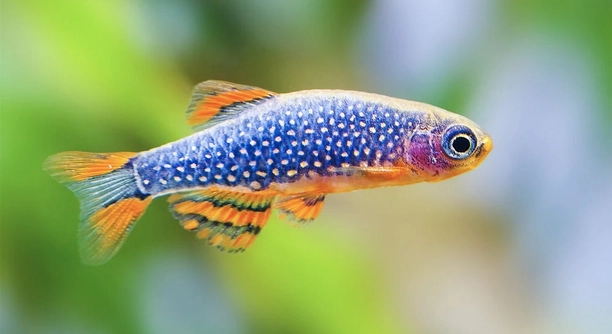
Danio fish are lively and social, often moving together in coordinated groups. Observing a healthy school can be enjoyable, as their activity and interactions create a vibrant atmosphere in a well-maintained aquarium.
The most active danio schools display consistent synchronized swimming, rapid responses to environmental changes, frequent foraging, clear social hierarchies, uniform coloration, strong health indicators, and minimal signs of stress, which collectively define their energetic behavior patterns.
Recognizing these traits can help hobbyists maintain a thriving aquarium and promote the well-being of their danios effectively.
Synchronized Swimming
Danios that move together in a coordinated way tend to be the most active and healthy. Their swimming patterns are smooth, with fish maintaining similar speed and direction. This coordination reduces stress and improves feeding efficiency. A school that swims erratically or isolates itself may indicate health or environmental issues. Providing enough space in the aquarium is essential, as cramped conditions can disrupt natural movement. Plants and open swimming areas help them navigate freely. Observing their behavior regularly can reveal subtle changes, such as slower reactions or uneven spacing. Consistent patterns in movement also suggest strong social bonds among the fish. Lighting can influence their activity; gradual light changes reduce sudden stress. Temperature stability is another key factor, as fluctuations can cause sluggish swimming. Overall, synchronized swimming is a reliable sign of a thriving, active danio school in any tank setting.
Schools showing synchronized swimming display balance, coordination, and strong social structure, making them more active and resilient to stressors in their environment.
Recognizing coordinated movement helps hobbyists adjust tank conditions, improve feeding, and ensure danios remain energetic and healthy.
Rapid Responses
Active danios react quickly to changes around them. They dart toward food, hide when sensing movement, or adjust their position when water flow changes.
Quick reactions indicate alertness and vitality, reflecting proper nutrition, water quality, and minimal stress. Observing these responses allows you to gauge the overall health of the school. Schools that respond sluggishly may require adjustments to diet, temperature, or tank layout. For instance, adding open swimming areas encourages exploration and increases responsiveness. Similarly, hiding spots reduce stress, allowing fish to feel safe while maintaining activity. Feeding at consistent times helps them anticipate food and remain engaged. Proper filtration keeps water clean and oxygen levels high, supporting rapid movements. Even small environmental changes, like gentle water currents, can trigger bursts of energy, keeping the school lively. Monitoring these reactions also aids in detecting early signs of illness or behavioral issues. By focusing on responsiveness, you can maintain a dynamic and interactive aquarium, ensuring that danios thrive physically and socially.
Frequent Foraging
Active danios spend much of their time searching for food. They explore plants, substrate, and open areas, rarely staying idle, which keeps them physically fit and mentally stimulated.
Regular foraging behavior indicates a healthy appetite and proper nutrition. Fish that feed actively demonstrate strong energy levels, while those that ignore food may have underlying health issues. Providing varied foods like flakes, pellets, and occasional live or frozen treats encourages this natural behavior. Scattering food across the tank can promote movement and reduce competition, ensuring all fish receive adequate nutrition. Observing how eagerly they forage helps gauge their overall well-being. Maintaining a clean tank with clear water ensures foraging is safe and efficient. Over time, consistent foraging patterns show that the school is thriving and engaged.
Foraging also supports social interactions. Danios often follow each other while exploring, reinforcing group cohesion. This behavior strengthens hierarchy and keeps the school coordinated, contributing to the lively atmosphere typical of active danio groups.
Clear Social Hierarchies
Danios establish pecking orders through swimming patterns, chasing, and position within the school. Strong hierarchies reduce conflict and maintain stability.
A clear social structure is evident when dominant fish lead swimming routes, while others follow without constant aggression. Subordinate fish still feed and swim comfortably, indicating balance. Hierarchies prevent persistent fighting that can stress weaker fish. Tank size and population density influence these dynamics; overcrowding may disrupt order, leading to aggression. Social cues like chasing or tail flicks help fish recognize positions within the group, maintaining smooth interactions. Balanced hierarchies encourage schooling behavior and synchronized swimming, supporting overall activity. Observing these patterns regularly ensures interventions like adjusting tank mates or rearranging space can prevent long-term stress. Maintaining hierarchy contributes to healthier, more energetic schools.
Uniform Coloration
Healthy danios in active schools usually display consistent coloration across the group. Bright, even colors signal good nutrition, minimal stress, and strong genetics, while faded or blotchy fish may indicate illness or poor water conditions.
Uniform coloration helps the school maintain cohesion. Fish with similar appearance swim more confidently together, reducing hesitation or isolation, which supports overall activity levels and social stability in the tank.
Strong Health Indicators
Active danios show clear eyes, smooth scales, erect fins, and steady swimming. These visible signs reflect proper diet, water quality, and minimal stress. Poorly maintained tanks or nutritional gaps often lead to dull coloration, torn fins, or lethargy, which directly affects the school’s activity and coordination.
Regular monitoring of health indicators is crucial. Observing movement patterns, appetite, and external appearance allows quick intervention if problems arise. Maintaining stable water parameters, providing varied nutrition, and keeping the tank clean all contribute to sustained vitality. Healthy fish not only perform better in group swimming but also reproduce successfully, ensuring long-term stability of the school.
Minimal Stress
Danios in low-stress environments are more active, swim confidently, and interact freely with tank mates.
FAQ
How many danios should I keep in a school?
Keeping danios in groups of at least six is ideal. Smaller numbers can lead to stress, shyness, and lack of synchronized swimming. Larger schools encourage natural schooling behavior, increased activity, and balanced social interactions. Tank size should be sufficient to accommodate their movement and reduce overcrowding.
What tank size is best for active danios?
A minimum of 20 gallons is recommended for a small school of danios. Larger tanks allow more swimming space, reduce territorial disputes, and promote natural behaviors. Long tanks are preferable to tall tanks, as horizontal swimming space is more important for coordinated movement. Plants and open areas should be balanced to provide exploration and hiding spots.
What type of water conditions do danios need?
Danios thrive in temperatures between 70–78°F and a pH of 6.5–7.5. Stable water parameters are essential; sudden fluctuations can cause stress, dull coloration, and decreased activity. Regular water changes and filtration help maintain clarity and oxygen levels. Avoid overcrowding, as poor water quality increases disease risks.
What should I feed my danios to keep them active?
A varied diet of high-quality flakes, pellets, and occasional frozen or live foods is best. Feeding small amounts several times a day encourages frequent movement and foraging behavior. Avoid overfeeding, as excess food can pollute the tank and reduce water quality, affecting their energy levels and overall health.
How can I tell if my danio school is healthy?
Healthy schools swim in coordinated groups, forage actively, and display bright, even coloration. Fish react quickly to changes in their environment and show minimal signs of stress like hiding or lethargy. Observing these behaviors regularly helps detect early issues before serious problems arise.
Why do some danios swim erratically or alone?
Erratic or isolated swimming may indicate stress, illness, or environmental issues such as poor water quality or insufficient space. Observing other behaviors like appetite, coloration, and fin condition can help determine the cause. Adjusting tank conditions and ensuring a proper school size can restore normal activity.
How can I reduce stress in my danio tank?
Providing enough space, hiding spots, stable water parameters, and consistent feeding routines reduces stress. Minimizing sudden light changes, loud noises, and aggressive tank mates also helps. Stress-free danios are more active, display natural behaviors, and maintain synchronized swimming and healthy social hierarchies.
Is it important to monitor social hierarchies?
Yes, observing social interactions helps maintain school stability. Dominant fish should lead without constant aggression, and subordinate fish should feed and swim comfortably. Proper hierarchy prevents ongoing stress, supports synchronized movement, and ensures all fish remain active and healthy.
Can tank decorations affect danio activity?
Yes, plants, rocks, and open swimming areas influence movement and foraging. Dense plants offer hiding spots but too many obstructions can limit schooling. Balanced decorations encourage exploration, reduce stress, and promote natural swimming patterns that increase overall activity.
How often should I check water quality for active danios?
Water parameters should be checked weekly. Monitoring temperature, pH, ammonia, nitrites, and nitrates ensures a healthy environment. Frequent checks allow early detection of changes that could impact activity, coloration, and feeding behavior, keeping the school energetic and thriving.
Can danios become less active with age?
Yes, older danios may slow down naturally, but significant decreases in activity can indicate health issues. Maintaining proper diet, water quality, and social conditions helps older fish remain engaged. Observing their behavior alongside younger school members provides insights into their well-being.
Are there signs of disease I should watch for?
Signs include faded color, torn fins, unusual swimming patterns, loss of appetite, or isolation. Early detection allows treatment before the problem spreads. Quarantining new fish and keeping the tank clean reduces the risk of disease, maintaining an active, healthy school.
How does lighting affect danio activity?
Moderate, consistent lighting encourages natural swimming patterns and foraging. Sudden bright lights can stress fish, causing hiding or erratic swimming. Gradual light changes and a regular day-night cycle support predictable activity and overall well-being.
Can water flow influence how active my danios are?
Yes, gentle water currents mimic natural conditions and stimulate swimming. Too strong a flow can exhaust fish, while stagnant water reduces activity. A balance of current and calm areas helps danios explore, forage, and maintain a healthy, active school.
What is the role of temperature in danio activity?
Stable temperatures between 70–78°F support metabolism and energy levels. Sudden drops or rises can slow swimming, reduce appetite, and increase stress. Using a reliable heater and thermometer ensures conditions that keep the school active and healthy.
How do I introduce new danios to an existing school?
Quarantine new fish for at least two weeks, then introduce them gradually. Monitor social interactions to prevent aggression. Proper acclimation allows new members to integrate smoothly, maintaining synchronized swimming, social hierarchy, and high activity levels.
Can danios live with other fish species without affecting activity?
Yes, peaceful tank mates work well, but aggressive or slow species may stress danios, reducing their movement. Choosing compatible fish helps preserve natural schooling, synchronized swimming, and frequent foraging, keeping the school active and healthy.
What long-term practices keep danio schools energetic?
Consistent water quality checks, balanced diet, proper tank size, monitoring health, and maintaining social hierarchy all contribute. Regular observation allows adjustments that support vitality. Healthy, low-stress environments encourage synchronized swimming, rapid responses, and active foraging for years.
How important is observation for maintaining an active school?
Frequent monitoring of swimming patterns, feeding, and social interactions is essential. Observation helps detect early signs of illness, stress, or environmental issues, allowing timely interventions. Maintaining this habit ensures danios remain active, coordinated, and healthy in the long term.
Danios are naturally active fish that thrive in groups. Observing their behavior in a healthy school can be very rewarding. Their coordinated swimming, frequent foraging, and quick responses to the environment are signs of vitality. Maintaining these traits requires attention to tank conditions, diet, and social structure. A school that is active and synchronized is easier to care for and more visually engaging. Paying attention to small details, like swimming patterns or appetite, can help identify problems before they become serious. Ensuring enough space, hiding spots, and a balanced tank environment allows danios to perform their natural behaviors. Overcrowding or poor water quality can quickly reduce activity, so it is important to maintain regular water changes and monitor parameters like temperature, pH, and ammonia levels. Healthy danios are generally more colorful, energetic, and interactive with each other, which reflects their overall well-being. By focusing on these aspects, you can create a lively, thriving aquarium that supports their natural instincts.
Synchronized swimming is one of the most noticeable traits in active schools. When fish move together, it shows that social hierarchies are stable and stress levels are low. Danios that display erratic or isolated swimming may be experiencing discomfort or health issues. Observing the school’s coordination helps determine if the tank environment is suitable. Feeding also plays a large role in activity. A varied diet encourages frequent foraging, which keeps the fish moving and mentally stimulated. Providing food in different areas of the tank promotes exploration and reduces competition. Quick responses to environmental changes, such as water currents or movement nearby, are another indicator of vitality. Fish that react naturally to stimuli are alert and well-adjusted to their surroundings. Regularly monitoring these behaviors ensures early detection of issues and allows adjustments to improve overall health and energy levels. By focusing on synchronized swimming, foraging, and responsiveness, the school remains active, healthy, and socially balanced.
Maintaining an active school of danios requires consistent attention to multiple factors. Water quality, diet, space, and social interactions all influence how lively the fish will be. Clear social hierarchies reduce conflict, allowing subordinate fish to feed and swim without stress. Bright, uniform coloration is another sign of good health and vitality. Tanks that provide both open swimming space and hiding spots support exploration and reduce anxiety. Avoiding sudden changes in lighting, temperature, or tank setup helps maintain consistent activity levels. Regular observation of behavior, appearance, and interaction ensures any problems are addressed promptly. Over time, these practices help danios remain energetic, coordinated, and healthy. By prioritizing environmental stability, proper nutrition, and social balance, hobbyists can enjoy the full activity and natural behavior of their schools. This consistent care not only supports physical health but also enhances the overall enjoyment of keeping a lively and dynamic aquarium.

Hello,
If you enjoy the content that we create, please consider saying a "Thank You!" by leaving a tip.
Every little bit helps us continue crafting quality advice that supports the health, happiness, and well-being of pets around the world, for pets of all shapes, sizes, and species.
We really appreciate the kindness and support that you show us!