
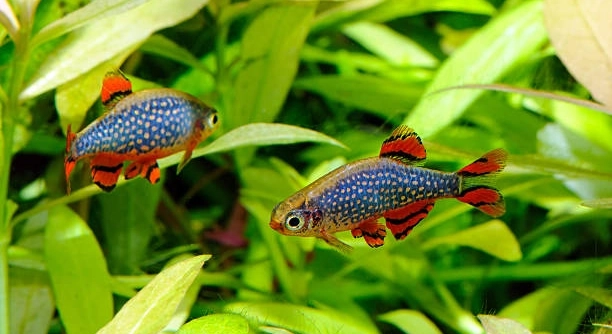
Are your danios eating more than they need and leaving behind uneaten food in the tank? Overfeeding is a common mistake among fish keepers, often leading to messy tanks and stressed fish over time.
Overfeeding danios can result in poor water quality, digestive issues, and abnormal behavior. Monitoring feeding amounts and adjusting portions according to fish size and tank conditions are essential steps to maintain their health and aquatic environment.
Recognizing the early signs of overfeeding can help you prevent long-term health problems and maintain a balanced, thriving aquarium for your danios.
Uneaten Food Accumulating in the Tank
When leftover food is visible at the bottom of the tank, it is a clear indication that your danios are being overfed. Uneaten flakes or pellets can quickly decompose, leading to spikes in ammonia and nitrite levels. Over time, this can harm your fish, causing stress, fin damage, and even illness. Observing the tank after feeding helps you gauge how much food is appropriate. A good rule is to offer only what the fish can consume in two to three minutes. Feeding smaller portions multiple times a day often works better than a single large meal. Additionally, removing any uneaten food promptly can prevent water quality issues. Maintaining a consistent feeding schedule reduces waste and keeps the tank environment healthier. Regular monitoring of the tank’s cleanliness also encourages healthier fish behavior and prevents problems before they escalate.
Proper feeding prevents decay and protects water quality, keeping your danios active and healthy.
Keeping food portions controlled allows you to reduce water maintenance and encourages your fish to eat more efficiently.
Bloated or Swollen Appearance
A bloated appearance in your danios can indicate overfeeding or digestive problems. Swollen abdomens may cause your fish to struggle with swimming or maintaining balance.
Overfeeding increases the risk of constipation and swim bladder issues. Fish may float near the surface or stay at the bottom, showing signs of discomfort. Feeding small, controlled amounts and including fiber-rich foods like daphnia or peas can help regulate digestion. Avoid giving high-fat or high-protein meals repeatedly, as these contribute to bloating. Observing their behavior after each feeding allows you to notice subtle changes in activity or appetite. Adjusting the diet promptly can prevent long-term health issues and improve overall vitality. A consistent feeding routine combined with proper tank maintenance ensures that your danios remain lively and free from digestive complications.
Balancing feeding portions, monitoring behavior, and including appropriate foods can resolve bloating and improve the health and activity of your fish over time.
Rapid Water Cloudiness
Cloudy water often appears soon after overfeeding. Excess food decomposes, increasing waste and promoting bacterial growth. Tank clarity is affected, and ammonia levels can rise quickly, creating a stressful environment for your danios.
Maintaining clean water is essential for fish health. Uneaten food produces organic waste that fuels bacterial blooms, resulting in cloudy water. Even small overfeeding habits can accumulate over time, reducing oxygen levels and altering pH balance. Regular water testing helps detect rising ammonia, nitrite, and nitrate levels early. Removing uneaten food after each feeding and performing partial water changes can prevent cloudiness. Using a fine filter can also capture particles before they affect clarity, creating a stable environment. Overfeeding repeatedly stresses your fish, making them more vulnerable to infections. Observing the tank daily allows you to spot water quality changes before they become severe.
Cloudy water can also reduce light penetration and disturb natural fish behavior. Proper feeding control and routine tank maintenance are key to keeping water clean and safe for danios.
Excessive Algae Growth
Too much food in the tank fuels algae growth. Leftover particles release nutrients that algae use to multiply rapidly, turning your aquarium green.
Algae blooms can affect the aesthetic of your tank and compete with fish for oxygen, especially at night. Overfeeding increases nitrate and phosphate levels, which are primary nutrients for algae. Even small quantities of uneaten food can trigger growth if left unchecked. Managing feeding portions and maintaining consistent water changes help keep algae under control. Using live plants can also compete with algae for nutrients, reducing growth naturally. Avoid overfeeding alongside artificial lighting, as extra light intensifies algae reproduction.
Controlling nutrient input through careful feeding is the most effective way to manage algae. Combined with proper lighting and plant coverage, your tank can remain balanced and visually appealing.
Restless or Lethargic Behavior
Overfed danios may show unusual activity, swimming frantically or remaining inactive. Digestive discomfort and poor water quality can affect their energy levels and normal routines.
Changes in behavior often indicate stress caused by overfeeding. Monitoring patterns helps identify feeding adjustments and maintain fish well-being.
Foul Odor in the Tank
A strong, unpleasant smell often comes from decomposing leftover food. Overfeeding creates excess waste, which produces ammonia and other compounds. Maintaining proper feeding amounts and cleaning the tank regularly reduces odor and keeps the environment healthy for your danios.
Uneaten Food at the Surface
Floating food that remains uneaten attracts bacteria and affects oxygen levels. Monitoring feeding portions and removing leftovers prevents buildup and supports a stable tank environment.
How often should I feed my danios?
Feeding frequency depends on their age and size. Adult danios usually thrive on small meals two to three times a day. Juveniles may need more frequent feedings to support growth. Overfeeding even once can harm water quality, so it’s better to give smaller portions. Observing how quickly they consume food helps determine the right amount. Feeding consistently at the same times each day also reduces stress and supports their natural behavior.
What is the proper portion size for danios?
A good guideline is to provide only what they can eat in about two to three minutes. Flakes or pellets should be given sparingly, and it’s better to split the total daily portion into multiple small servings. Using a feeding ring or measuring spoon can prevent accidental overfeeding. Watch the fish as they eat, and remove any leftovers promptly. This approach keeps the tank cleaner and prevents digestive problems. Portion control is the most effective way to maintain a healthy aquarium.
Can overfeeding cause health problems for danios?
Yes. Overfeeding can lead to bloating, constipation, and swim bladder issues. Excess food produces waste, which raises ammonia and nitrite levels in the tank. Poor water quality weakens their immune system and increases the risk of infections. Digestive problems can make fish lethargic or cause erratic swimming. Keeping feedings moderate and monitoring their behavior helps prevent these health concerns. Providing a balanced diet with occasional fiber-rich foods supports digestion and reduces bloating.
How can I prevent uneaten food from harming my tank?
Remove any leftover food shortly after feeding. Regular partial water changes help control waste buildup and maintain water quality. Avoid overfeeding by giving smaller amounts, and use tools like feeding rings to keep food contained. A properly sized filter also helps remove excess particles. Observing the tank daily ensures that food does not accumulate and cause water issues. Maintaining cleanliness reduces stress on your fish and prevents bacterial or algae problems.
What signs indicate my danios are overfed?
Signs include bloated or swollen abdomens, slow swimming, or unusual floating near the surface or bottom. Cloudy water, strong odors, and excess algae growth are also common indicators. Uneaten food at the bottom or surface of the tank shows that portions are too large. Monitoring their behavior and the tank environment allows you to adjust feeding habits promptly. Early detection prevents long-term health issues.
Is it safe to feed my danios human food or treats?
Human food is generally not recommended. It can be too rich, salty, or oily for fish and may cause digestive issues. Occasional safe treats, such as blanched peas or daphnia, can be offered in moderation. Treats should never replace their main diet. Overfeeding with human food contributes to water quality problems and can harm their health. Stick to food formulated for danios for balanced nutrition.
How do I adjust feeding if my tank has multiple fish species?
Feed according to the smallest or most delicate species in the tank. Some fish eat faster than danios, so monitor their portions closely. Distribute food evenly to ensure all fish get their share without excess waste. Adjust quantities over time based on observation of each species’ behavior and appetite. Keeping a close eye on feeding prevents overfeeding and helps maintain a balanced tank environment.
Can overfeeding affect tank maintenance?
Yes. Overfeeding increases waste, clouding water, and creating odors. It accelerates algae growth and increases the need for frequent water changes. Proper feeding reduces maintenance efforts, keeps water chemistry stable, and prolongs the lifespan of filters and equipment. Controlled feedings make daily tank care easier and support the health of all aquatic life.
How do I transition to proper feeding after overfeeding?
Start by gradually reducing the portion size. Feed only what the fish consume in a few minutes, and remove leftovers. Monitor water quality closely and perform partial water changes if necessary. Over a week or two, adjust feeding frequency and amount to match their normal appetite. Consistent, controlled feeding helps fish recover from digestive stress and restores a healthy tank environment.
Are there any tools to help manage feeding?
Yes. Feeding rings, measuring spoons, and automatic feeders can help control portions. Timed feeders reduce the risk of accidental overfeeding, especially when you are busy or away. Using these tools ensures consistent meals, prevents waste, and supports a clean tank. Observing fish behavior remains important, as automated systems cannot replace visual monitoring. Proper portioning combined with tools helps maintain a healthy aquarium.
How often should I feed my danios?
Feeding frequency depends on their age and size. Adult danios usually thrive on small meals two to three times a day. Juveniles may need more frequent feedings to support growth. Overfeeding even once can harm water quality, so it’s better to give smaller portions. Observing how quickly they consume food helps determine the right amount. Feeding consistently at the same times each day also reduces stress and supports their natural behavior.
What is the proper portion size for danios?
A good guideline is to provide only what they can eat in about two to three minutes. Flakes or pellets should be given sparingly, and it’s better to split the total daily portion into multiple small servings. Using a feeding ring or measuring spoon can prevent accidental overfeeding. Watch the fish as they eat, and remove any leftovers promptly. This approach keeps the tank cleaner and prevents digestive problems. Portion control is the most effective way to maintain a healthy aquarium.
Can overfeeding cause health problems for danios?
Yes. Overfeeding can lead to bloating, constipation, and swim bladder issues. Excess food produces waste, which raises ammonia and nitrite levels in the tank. Poor water quality weakens their immune system and increases the risk of infections. Digestive problems can make fish lethargic or cause erratic swimming. Keeping feedings moderate and monitoring their behavior helps prevent these health concerns. Providing a balanced diet with occasional fiber-rich foods supports digestion and reduces bloating.
How can I prevent uneaten food from harming my tank?
Remove any leftover food shortly after feeding. Regular partial water changes help control waste buildup and maintain water quality. Avoid overfeeding by giving smaller amounts, and use tools like feeding rings to keep food contained. A properly sized filter also helps remove excess particles. Observing the tank daily ensures that food does not accumulate and cause water issues. Maintaining cleanliness reduces stress on your fish and prevents bacterial or algae problems.
What signs indicate my danios are overfed?
Signs include bloated or swollen abdomens, slow swimming, or unusual floating near the surface or bottom. Cloudy water, strong odors, and excess algae growth are also common indicators. Uneaten food at the bottom or surface of the tank shows that portions are too large. Monitoring their behavior and the tank environment allows you to adjust feeding habits promptly. Early detection prevents long-term health issues.
Is it safe to feed my danios human food or treats?
Human food is generally not recommended. It can be too rich, salty, or oily for fish and may cause digestive issues. Occasional safe treats, such as blanched peas or daphnia, can be offered in moderation. Treats should never replace their main diet. Overfeeding with human food contributes to water quality problems and can harm their health. Stick to food formulated for danios for balanced nutrition.
How do I adjust feeding if my tank has multiple fish species?
Feed according to the smallest or most delicate species in the tank. Some fish eat faster than danios, so monitor their portions closely. Distribute food evenly to ensure all fish get their share without excess waste. Adjust quantities over time based on observation of each species’ behavior and appetite. Keeping a close eye on feeding prevents overfeeding and helps maintain a balanced tank environment.
Can overfeeding affect tank maintenance?
Yes. Overfeeding increases waste, clouding water, and creating odors. It accelerates algae growth and increases the need for frequent water changes. Proper feeding reduces maintenance efforts, keeps water chemistry stable, and prolongs the lifespan of filters and equipment. Controlled feedings make daily tank care easier and support the health of all aquatic life.
How do I transition to proper feeding after overfeeding?
Start by gradually reducing the portion size. Feed only what the fish consume in a few minutes, and remove leftovers. Monitor water quality closely and perform partial water changes if necessary. Over a week or two, adjust feeding frequency and amount to match their normal appetite. Consistent, controlled feeding helps fish recover from digestive stress and restores a healthy tank environment.
Are there any tools to help manage feeding?
Yes. Feeding rings, measuring spoons, and automatic feeders can help control portions. Timed feeders reduce the risk of accidental overfeeding, especially when you are busy or away. Using these tools ensures consistent meals, prevents waste, and supports a clean tank. Observing fish behavior remains important, as automated systems cannot replace visual monitoring. Proper portioning combined with tools helps maintain a healthy aquarium.

Hello,
If you enjoy the content that we create, please consider saying a "Thank You!" by leaving a tip.
Every little bit helps us continue crafting quality advice that supports the health, happiness, and well-being of pets around the world, for pets of all shapes, sizes, and species.
We really appreciate the kindness and support that you show us!