
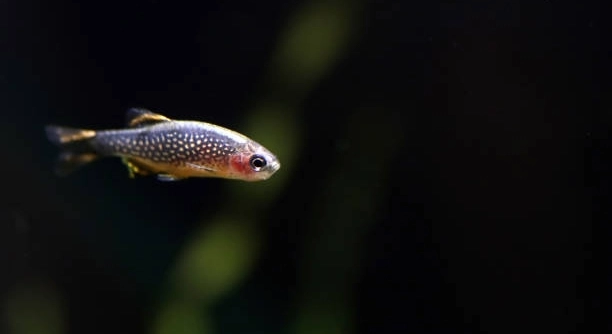
Are your Celestial Pearl Danios thriving in your aquarium, or do they seem less lively than you expected? Many fish owners struggle with feeding routines, not realizing that small mistakes can impact these delicate fish’s health and behavior.
Feeding mistakes with Celestial Pearl Danios often include overfeeding, providing improper food types, and inconsistent feeding schedules. These errors can lead to poor water quality, stunted growth, and weakened immune systems, ultimately affecting the overall well-being and longevity of the fish.
Learning the right approach can make a big difference. Proper feeding ensures your danios remain healthy, colorful, and active, creating a more balanced and enjoyable aquarium environment.
Overfeeding Your Celestial Pearl Danios
Overfeeding is one of the most common mistakes I see in small community tanks. These tiny fish have small stomachs, and giving them too much food can cause leftover particles to pollute the water. Uneaten food quickly decomposes, increasing ammonia and nitrite levels, which can stress or even harm your danios. Over time, constant overfeeding may lead to obesity and organ problems in these fish. It’s important to feed only what they can consume in about two minutes, once or twice daily. I have noticed that my own tank stays cleaner and the danios are more active when I stick to this routine. Using a small pinch of flake or micro pellets works better than guessing amounts, and observing how quickly they eat helps determine the right portion. Feeding in small amounts throughout the day can be safer, but avoid excessive meals.
Smaller portions are safer than one large feeding, keeping water quality stable and fish healthy.
Monitoring feeding behavior is key. Celestial Pearl Danios are quick eaters, so watching how they respond to each portion helps prevent leftover food from sinking to the bottom. Keeping a consistent schedule also trains them to eat efficiently. Adjusting the type of food can further reduce waste. Combining flake food with occasional live or frozen options ensures balanced nutrition while maintaining water cleanliness. In my tank, I noticed that reducing the portion size not only kept the water clearer but also made the danios more energetic. Over time, I realized this simple change prevented many minor health issues that are otherwise easy to overlook. Observing your fish regularly and responding to their needs will keep your aquarium stable. Small adjustments, like feeding less and watching their behavior, have a surprisingly positive impact. This practice improves their growth, immune strength, and color vibrancy, making the fish more lively and resilient.
Using Improper Food Types
Choosing the wrong type of food can affect growth and vitality. Celestial Pearl Danios need a mix of protein-rich and plant-based foods to thrive.
Feeding only one type of food, like flakes, can create deficiencies and reduce activity levels. Live or frozen micro-foods support natural behaviors and improve color.
I learned that variety matters. Flakes alone were convenient but didn’t provide enough nutrients. When I added tiny frozen daphnia, microworms, or brine shrimp, my danios became more vibrant and playful. They also grew at a healthier rate, with stronger fins and better body shape. Providing occasional plant-based foods, such as finely chopped blanched spinach or spirulina-enriched flakes, helps with digestion and prevents constipation. Consistency in feeding small portions of these diverse foods ensures that all fish get adequate nutrition without overloading the tank. Over time, I noticed fewer water issues and more active schooling behavior. The balance of protein and plant matter is crucial for sustaining energy, supporting growth, and maintaining immune health. Observing their preferences and rotating foods can keep mealtime engaging while avoiding nutritional gaps. This approach also allows me to spot any signs of stress or illness early, keeping the aquarium healthy overall.
Inconsistent Feeding Schedule
Celestial Pearl Danios thrive on routine. Irregular feeding can stress them, leading to erratic behavior and poor appetite. A set schedule helps maintain digestive health and encourages natural schooling patterns, keeping the fish more active and balanced in the aquarium.
I noticed that when my feeding times varied daily, some danios became shy while others overate. They seemed less coordinated during swimming and often hid among plants. By establishing a consistent morning and evening feeding schedule, their activity levels evened out. They became more predictable in their behavior, eagerly swimming to the feeding area without crowding or aggression. This routine also made it easier to monitor their health and adjust food portions based on their appetite. The regularity reduced stress and allowed their colors to brighten naturally over time.
Consistency also supports water quality. When food is given at predictable times, uneaten portions are minimized, preventing excess waste. Monitoring the tank around feeding times ensures that any leftover food is promptly removed, keeping ammonia levels stable. Over time, the fish adapt to the routine, reducing stress and improving overall health. This approach makes tank maintenance smoother and keeps the fish thriving. Observing how they react to set feeding times can indicate if portions or frequency need adjusting. Small changes in schedule can greatly enhance their energy and schooling behavior.
Feeding Only Dry Food
Dry flakes and pellets are convenient, but relying solely on them can lead to nutrient deficiencies. Celestial Pearl Danios benefit from occasional live or frozen food to stay healthy and colorful.
I realized my danios were active but lacked vibrancy when I only gave flakes. Introducing frozen micro worms and tiny brine shrimp improved their energy and strengthened their fins. These options mimic natural hunting behaviors, making feeding more stimulating and less monotonous. Alternating between dry food and live or frozen treats ensures a balanced diet. Flakes can form the staple diet, but supplementing them prevents common deficiencies like dull coloration, slow growth, and weaker immune response. Feeding only dry food may also affect digestion over time, causing minor constipation or bloating.
Adding variety is simple and effective. Micro-foods, like baby brine shrimp or daphnia, are easy to portion and feed without disrupting water quality. I noticed immediate changes in behavior and appearance after including these supplements. Fish became more lively, their schooling tighter, and colors more vivid. Even a small amount of live or frozen food a few times a week makes a significant difference. Maintaining balance between dry and protein-rich foods ensures they receive all essential nutrients, supporting growth, immunity, and overall vitality. This combination prevents stagnation in diet while keeping water conditions safe.
Overlooking Portion Control
Even when feeding the right type of food, giving too much at once can harm water quality. Excess food sinks and decomposes, creating toxins that stress Celestial Pearl Danios. Small, measured portions prevent this and keep the tank cleaner.
I learned to use a pinch that my fish could eat in under two minutes. Dividing their daily allowance into two or three smaller feedings reduced leftovers and maintained clearer water. Observing their eating pace helped me adjust portions gradually. Over time, the fish became more active, and the tank required less frequent cleaning. Proper portion control not only prevents bloating but also supports consistent growth and vibrant coloration.
Ignoring Live Food Benefits
Celestial Pearl Danios show natural hunting behavior with live foods, which can improve health and activity. Incorporating tiny live foods supports digestion and boosts energy levels.
I noticed adding microworms or baby brine shrimp a few times a week made the fish more lively. Their colors intensified, and schooling became more coordinated. These live foods also provide essential nutrients that dry flakes cannot fully supply, supporting overall immune strength. Integrating live foods gradually ensures the fish adapt without overwhelming the tank’s filtration system. Over time, my danios clearly thrived with this varied diet, showing better vitality and less susceptibility to minor illnesses.
Feeding During Water Fluctuations
Feeding during temperature or pH swings can stress Celestial Pearl Danios. Stable conditions improve digestion and nutrient absorption.
Providing meals only when the water is stable ensures they eat properly and reduces leftover food. Feeding during sudden changes can disrupt appetite and overall health.
How often should I feed my Celestial Pearl Danios?
Celestial Pearl Danios do best with small meals once or twice a day. Overfeeding can cause water issues and health problems, while underfeeding may stunt growth. I feed mine twice daily, using tiny portions they can finish in about two minutes. Splitting meals helps digestion and keeps the fish active throughout the day. Consistency in timing also trains them to eat efficiently, reducing leftover food.
What types of food are best for them?
A balanced diet is crucial. Flakes or micro pellets can serve as a staple, but they should be supplemented with live or frozen foods like baby brine shrimp, microworms, or daphnia. I noticed my danios became more colorful and energetic when I added live food a few times per week. Occasional plant-based foods, such as finely chopped spinach or spirulina flakes, help with digestion. Variety ensures all nutritional needs are met and prevents deficiencies that affect color, growth, and immunity.
Can I feed them human food?
Human food is generally not suitable. Ingredients like salt, sugar, or seasoning can harm their delicate systems. I once tried giving a tiny piece of cooked vegetable, but only in minuscule amounts. Sticking to foods formulated for small tropical fish is safer and provides all necessary nutrients. Some safe plant-based additions, like blanched zucchini or spinach, can be offered occasionally, but only in small, manageable pieces. This prevents choking and avoids water contamination.
How do I know if I’m overfeeding?
Signs of overfeeding include leftover food on the substrate, cloudy water, and bloated fish. I always watch my danios eat; if they leave food after two minutes, I reduce the next feeding. Overfeeding can also slow digestion and lead to poor water quality, which stresses the fish. Monitoring their activity is useful: lethargic behavior or slower swimming may indicate excess food or poor water conditions. Adjusting portions and removing uneaten food prevents long-term health issues.
Is live food necessary for their diet?
Live food isn’t strictly necessary, but it greatly benefits health and behavior. Celestial Pearl Danios enjoy hunting live prey, which stimulates natural instincts. When I added live microworms and tiny brine shrimp, they became more energetic and displayed brighter colors. Live foods provide nutrients not fully available in flakes or pellets, supporting growth, immunity, and vitality. Using live foods a few times per week, alongside a staple diet, keeps the fish healthy without overwhelming the tank.
Can I feed them at night?
Feeding at night is fine as long as the tank is lit enough for the fish to see their food. I sometimes feed in the evening, but always ensure they can locate the portions quickly. Uneaten food at night can decompose faster, so monitoring is important. Feeding when water temperature is stable improves digestion and reduces stress. Celestial Pearl Danios are more likely to consume meals fully when lighting and water conditions are consistent.
What should I do if a fish refuses food?
A fish may refuse food due to stress, illness, or water quality problems. I observed that when water parameters fluctuate, my danios often ignore meals. Checking temperature, pH, and cleanliness usually solves the issue. Offering a variety of foods, like live or frozen options, can stimulate appetite. Remove any uneaten food promptly to prevent water issues. Observing behavior over a few days helps identify whether refusal is temporary or a sign of an underlying health problem.
How much live food should I give?
Portions should be small—enough for all fish to eat in a couple of minutes. I measure tiny amounts to prevent leftovers. Overfeeding live food can cloud water or introduce unwanted bacteria. A few times a week is sufficient for nutrition and stimulation. Combining live food with flakes or pellets ensures a complete diet without water issues.
Can I mix different foods in one feeding?
Mixing foods is effective if done in small amounts. I sometimes combine flakes with a tiny portion of frozen brine shrimp. This encourages the fish to explore and ensures they receive varied nutrients. Avoid giving too much at once, or food may sink and decompose. Rotating food types throughout the week provides a balanced diet and keeps the fish more active and vibrant.
How do I transition my danios to new foods?
Introduce new foods gradually. I mix a small amount of the new food with their current diet, slowly increasing the portion over several days. This prevents digestive upset and encourages acceptance. Observing how they respond helps me adjust the ratio. Sudden changes can stress the fish or lead to refusal, so patience and consistency are key. Over time, they adapt, and I can rotate foods confidently without issues.
What should I avoid feeding them?
Avoid processed human foods, bread, or large chunks of vegetables. Foods with preservatives, salt, or sugar can harm delicate digestive systems. I also avoid fatty foods that could cause bloating or liver issues. Safe options are small flakes, pellets, live or frozen micro foods, and occasional finely chopped plant matter. Sticking to these choices supports growth, energy, and overall health.
How do feeding habits affect tank cleanliness?
Feeding directly influences water quality. Overfeeding or giving large portions can lead to leftover food decomposing on the bottom, raising ammonia levels. I noticed that adjusting portion sizes reduced debris and kept water clearer. Regular observation and prompt removal of uneaten food make a significant difference. Maintaining balanced feeding habits protects both fish health and filtration efficiency.
Can I feed frozen food directly?
Yes, but thaw it first to avoid shocking the fish. I usually rinse frozen daphnia or brine shrimp with tank water before offering. Feeding frozen foods raw can lower tank temperature temporarily and stress the fish. Thawing ensures even distribution, easier consumption, and minimal impact on water conditions. Small amounts at a time prevent leftover particles from decaying.
Is it okay to skip a feeding occasionally?
Occasional skipped meals are generally safe. Celestial Pearl Danios can go a day without food without harm. I sometimes skip one feeding if I am unavailable or water conditions are unsettled. It also helps prevent overfeeding. Consistency is ideal, but missing a single meal rarely causes problems when overall feeding is balanced.
How does feeding impact their color?
Proper nutrition enhances natural coloration. I noticed my danios’ colors brightened when I added live foods and plant-based supplements. Inadequate or repetitive diets can dull colors, while varied nutrients improve vibrancy. High-quality flakes, micro pellets, and occasional live or frozen foods combined promote strong pigmentation, making their orange and blue markings stand out beautifully.
Can juveniles be fed the same as adults?
Juveniles require smaller, more frequent portions to support rapid growth. I feed tiny micro pellets or baby brine shrimp multiple times daily to young danios. Adults need less frequent feeding. Adjusting portion size and frequency based on age ensures proper growth, prevents malnutrition, and reduces stress. Observing appetite helps determine exact amounts for each stage.
What’s the best way to store their food?
Keep flakes, pellets, and frozen foods properly stored. I store dry foods in airtight containers away from heat and moisture. Frozen foods remain sealed in the freezer until use. Proper storage maintains nutritional quality, prevents contamination, and avoids mold or bacterial growth, ensuring every feeding is safe and beneficial.
How can I tell if my feeding routine is working?
Healthy fish, bright colors, active schooling, and minimal leftover food indicate a successful routine. I watch behavior and tank conditions closely. Clear water, steady growth, and energetic swimming confirm that portion size, food type, and schedule are effective. Adjustments are easy when monitoring consistently.
How do I handle picky eaters?
Introduce a variety of foods slowly. I mix small amounts of flakes with live or frozen options. Observation and patience help me find what each fish prefers. Rotating food types encourages balanced nutrition while preventing boredom. Avoid forcing large quantities, which can lead to waste and stress.
What is the safest way to offer live or frozen treats?
Use small portions and monitor consumption. I rinse frozen food before feeding and only release what the fish can finish quickly. Avoid overcrowding or letting uneaten food sink. Introducing treats gradually ensures adaptation, maintains water quality, and provides health benefits without risk.
Do feeding practices affect disease prevention?
Yes. Balanced feeding supports immunity. Overfeeding or poor-quality foods can stress danios, making them more prone to infections. I maintain portion control, variety, and cleanliness to reduce illness. Proper nutrition strengthens their resistance, keeping the school healthy and active in the long term.
How can I prevent bloating or constipation?
Feed small portions and include fiber-rich foods. I add plant-based flakes or blanched vegetables occasionally. Avoid overfeeding dry pellets alone. Observing body shape and swimming behavior helps catch issues early. Regular water changes also reduce digestive stress, keeping danios comfortable and healthy.
Can I feed them while new plants or decorations are settling?
Yes, but watch for hiding spots where food might accumulate. I ensure food is evenly distributed and remove uneaten portions promptly. This prevents rot or water contamination. Feeding carefully during tank changes keeps fish active without compromising cleanliness or water quality.
Are there seasonal changes in feeding habits?
Temperature affects metabolism. I feed slightly less during cooler months when activity slows and slightly more in warmer months. Observing appetite and energy levels helps adjust portions. Gradual changes prevent stress and maintain growth and vitality throughout the year.
How do I adjust feeding for a densely stocked tank?
Feed small portions multiple times daily. I ensure all fish get food by dispersing it in different areas. Overcrowding increases competition, so careful distribution prevents dominant fish from overeating while others starve. Balanced feeding keeps the school healthy and reduces water quality issues.
Can I use automated feeders for Celestial Pearl Danios?
Yes, automated feeders work well if portion sizes are small and consistent. I use one for morning meals when I’m busy. It ensures routine feeding without overfeeding. Periodically checking the tank helps prevent leftover food buildup and maintains water quality.
How long should I monitor fish after feeding?
Observing for 10–15 minutes after meals is enough. I watch for leftover food, bloating, or abnormal behavior. Quick intervention prevents water issues and keeps the fish healthy. Regular monitoring allows adjustments in portion size, type, and feeding schedule efficiently.
How do I manage feeding with other species in a community tank?
Feed in multiple spots and use foods appropriate for all species. I ensure danios get their portion without competition from larger or faster fish. This prevents malnutrition and stress while maintaining overall harmony in the aquarium.
What signs indicate a feeding problem early?
Slow swimming, hiding, leftover food, bloating, or dull colors indicate issues. I check water parameters and adjust food type or portions accordingly. Early detection allows correction before health problems worsen, keeping fish vibrant and active.
How can I make feeding more interactive?
Adding live foods encourages natural hunting behavior. I scatter tiny portions across the tank, letting danios search and chase. This provides mental stimulation, improves activity levels, and strengthens their natural instincts, benefiting health and behavior.
What precautions should I take when trying new foods?
Introduce small amounts gradually. I monitor how danios respond and remove leftovers promptly. Sudden changes can upset digestion or water quality. Gradual introduction ensures acceptance, maintains tank stability, and prevents stress or illness.
Can stress affect feeding habits?
Yes, stressed fish often eat less or refuse food. I noticed hiding, rapid gill movement, or erratic swimming when stress was high. Addressing water quality, tank mates, or environment improves appetite and feeding efficiency. Consistent conditions help reduce stress and promote healthy eating.
How do I balance nutrition and water cleanliness?
Feed small portions, remove leftovers, and rotate food types. I combine flakes, pellets, and occasional live foods. Careful monitoring ensures nutrition without polluting water. Regular observation, portion control, and variety maintain both healthy fish and a stable, clean aquarium environment.
How important is observation during feeding?
Observation is critical. I watch for overeating, leftover food, or abnormal behavior. Noticing patterns helps adjust portions, feeding frequency, and food type. This keeps fish healthy, water clean, and prevents long-term problems before they escalate. Monitoring ensures a balanced feeding routine.
How do I prevent competition among danios?
Feed in multiple areas and small portions. I spread food so all fish can access it. Avoid large meals that encourage aggressive behavior. Consistent, evenly distributed feeding reduces stress and ensures every fish receives adequate nutrition.
Can feeding mistakes cause long-term health issues?
Yes. Overfeeding, poor food quality, or irregular schedules can lead to stunted growth, weakened immunity, and water-related stress. I observed subtle changes over months in fish with inconsistent feeding. Maintaining proper portions, variety, and timing supports longevity and vibrant health.
How do I know when to change feeding habits?
Changes in appetite, behavior, growth, or water quality indicate adjustments are needed. I adapt portion sizes, food types, or frequency based on these signs. Regular observation allows early intervention and ensures ongoing health and vitality for the danios.
What is the safest way to introduce supplements?
Add supplements slowly, in small amounts. I mix them with regular food and observe consumption. Gradual introduction prevents stress, ensures digestion, and allows fish to benefit without affecting water quality or causing dietary imbalance.
Can feeding schedules vary by tank size?
Yes, larger tanks may require multiple small feedings to ensure all fish get food. I adjust portions and feeding spots depending on tank volume and population. This prevents overeating, maintains water quality, and supports even growth across the school.
How do I handle leftover food safely?
Remove uneaten portions promptly. I use a small net or siphon to prevent decomposition. This keeps water parameters stable, reduces stress, and prevents disease. Proper cleanup is as important as portion control in maintaining a healthy aquarium.
Is it necessary to track feeding habits?
Tracking helps maintain consistency. I note amounts, types, and timing to spot patterns or issues. This allows easy adjustments, ensures balanced nutrition, and supports water quality management, keeping danios healthy over the long term.
How do I feed shy or slow fish?
Offer food in areas they frequent and in small portions. I observe and place food gently near them. Slow introduction encourages eating without stress or competition, ensuring all fish get proper nutrition while maintaining calm in the tank.
What common mistakes should I avoid?
Overfeeding, relying solely on flakes, irregular schedules, and ignoring live or frozen food benefits are key mistakes. I focus on portion control, variety, and consistency to maintain healthy, vibrant danios and clean water. These adjustments prevent stress, digestive issues, and water quality problems.
How long can Celestial Pearl Danios go without food?
They can safely skip a single meal, but not more than a day or two. I occasionally miss one feeding when busy. Prolonged fasting can weaken immunity and affect growth, so regular, consistent feeding is best for long-term health.
Can feeding affect breeding behavior?
Yes. Proper nutrition encourages mating and fry survival. I feed protein-rich foods before spawning to enhance energy and vitality. Balanced meals improve condition, increasing the likelihood of successful breeding and healthy offspring.
How do I adjust feeding for seasonal water changes?
Feed slightly less in cooler months when metabolism slows, and slightly more during warmer months. I monitor appetite and adjust portions gradually. Maintaining balanced nutrition with seasonal awareness keeps fish healthy without overfeeding or causing water problems.
What’s the best way to encourage all fish to eat?
Spread small portions in multiple areas and alternate food types. I rotate flakes, pellets, and live foods. This ensures shy or slow fish access meals and reduces competition, supporting growth, health, and activity across the school.
How can I make feeding safer during tank maintenance?
Feed only after water conditions stabilize. I avoid feeding during water changes or pH adjustments. Waiting until the tank is settled prevents stress, encourages proper consumption, and maintains water quality for digestion and overall health.
Can poor feeding lead to aggression?
Yes. Overcrowding combined with large portions can cause competition and chasing. I use small portions in multiple spots to reduce conflict. Balanced feeding reduces stress, promotes harmony, and ensures all fish get adequate nutrition.
Are there signs of nutritional deficiency to watch for?
Dull color, slow growth, lethargy, and fin damage indicate deficiency. I adjust diet by adding protein-rich or plant-based foods to address gaps. Observing regularly helps correct problems early, keeping fish vibrant and healthy.
How do I safely switch brands of flakes or pellets?
Mix new food gradually with old for several days. I start with a small portion of the new brand, increasing it over time while monitoring appetite and digestion. Sudden changes may stress fish or cause waste buildup.
Can feeding affect water pH?
Yes, uneaten food decomposes and can alter pH. I control portions and remove leftovers promptly. Balanced feeding reduces fluctuations, maintaining a stable environment that supports healthy digestion and overall fish well-being.
How do I balance feeding in a mixed-species tank?
Feed slowly and in different locations. I ensure smaller or slower species receive enough without dominant fish eating all portions. Rotating foods and adjusting portions maintains nutrition balance and minimizes stress across all tank inhabitants.
What precautions should I take with frozen live foods?
Thaw and rinse before feeding. I portion carefully and feed small amounts to avoid water contamination. This prevents temperature shock, reduces bacteria introduction, and ensures fish can consume food quickly without affecting tank cleanliness.
How do I know if the feeding method is effective?
Active, colorful, and well-fed fish indicate success. I watch behavior, leftover food, and water clarity. Adjustments in portions, type, or timing may be needed if issues arise. Consistent observation ensures a thriving aquarium.
What is the best way to prevent overfeeding?
Measure portions, feed small amounts, and remove leftovers. I stick to routine times and monitor consumption. This prevents bloating, water issues, and stress, supporting consistent growth, vibrant colors, and overall health of the danios.
How does feeding affect fry growth?
Proper nutrition is critical. I provide tiny, protein-rich foods like microworms to ensure rapid growth. Insufficient feeding leads to stunted development, weak immune systems, and poor survival rates. Careful observation helps maintain balanced diets for fry.
Can feeding too quickly cause problems?
Yes. Rapid feeding increases competition and leftover food. I spread portions slowly, allowing all fish to eat evenly. Gradual feeding prevents stress, maintains water quality, and supports healthy digestion for all danios.
How do I ensure even distribution of food?
Feed in multiple spots and small amounts. I watch all fish access portions and adjust placement if needed. Even distribution reduces stress, prevents competition, and ensures every fish receives adequate nutrition.
What are the signs of digestive issues from feeding?
Bloating, irregular swimming, and leftover food indicate problems. I adjust portion size or food type. Including plant-based foods helps prevent
Keeping Celestial Pearl Danios healthy requires careful attention to their feeding habits. Overfeeding, inconsistent schedules, or relying only on one type of food can lead to health problems and poor water quality. I have learned that small, measured portions work best, ensuring the fish eat everything without leaving leftovers that can pollute the tank. Splitting meals into one or two daily feedings helps the danios digest food better and maintain steady energy throughout the day. Paying attention to how quickly they finish each portion allows for adjustments in size, helping prevent bloating or digestive issues. Even small changes, like feeding a little less or slightly more depending on their activity, can make a significant difference in overall health and behavior.
Variety is another key factor for a healthy diet. While flakes or micro pellets can serve as a staple, supplementing with live or frozen foods provides essential nutrients that dry food alone cannot. I have noticed that including tiny brine shrimp, microworms, or daphnia several times a week greatly improves activity levels and coloration. Occasional plant-based foods, like finely chopped spinach or spirulina-enriched flakes, support digestion and prevent minor health issues. Rotating foods gradually allows the fish to adapt and keeps them engaged during mealtime. Providing a balanced diet not only improves physical health but also encourages natural behaviors, making the aquarium a more lively and dynamic environment.
Finally, observing the fish closely during feeding times is essential. Watching how they respond to portions, different food types, and feeding schedules helps detect any early signs of stress, illness, or water quality problems. I have found that even subtle changes in behavior, such as hiding, slowing down, or leaving food uneaten, can indicate that adjustments are needed. Maintaining clean water, stable conditions, and consistent feeding practices supports their growth, immune system, and color vibrancy over time. With careful attention and patience, Celestial Pearl Danios can thrive in a home aquarium, displaying energy, vibrant colors, and healthy schooling behavior that reflect a well-managed feeding routine.

Hello,
If you enjoy the content that we create, please consider saying a "Thank You!" by leaving a tip.
Every little bit helps us continue crafting quality advice that supports the health, happiness, and well-being of pets around the world, for pets of all shapes, sizes, and species.
We really appreciate the kindness and support that you show us!