
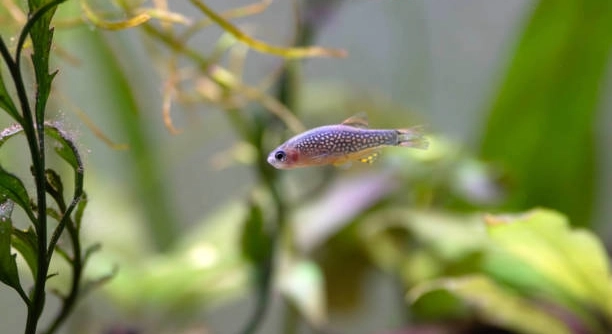
Danios are active, social fish that thrive in groups. Watching them swim together can be calming, yet sometimes their schooling behavior is uneven or scattered. Small changes in the tank environment can make a noticeable difference in their coordination.
Improving Danio schooling involves adjusting tank size, water conditions, lighting, and group composition. Providing hiding spots, consistent feeding schedules, and gentle water flow helps strengthen their natural schooling instincts, promoting synchronized movement and reducing stress within the group.
These simple adjustments can transform your aquarium into a more harmonious environment, encouraging Danios to swim together confidently and consistently. Proper attention to details ensures their well-being and a visually appealing display.
Adjust Tank Size and Layout
A tank that is too small can make Danios feel cramped, reducing their ability to swim together naturally. Ideally, a 20-gallon or larger tank provides enough space for schooling behavior to develop fully. When setting up the tank, consider leaving open areas in the middle where the fish can swim freely. Dense decorations along the edges help them feel safe without limiting movement. Floating plants or tall background plants can create visual barriers, allowing Danios to feel secure while maintaining the open swimming areas they need. Gentle rearrangements over time can encourage them to explore and interact more closely. A well-thought-out layout also supports water circulation, which is critical for maintaining stable conditions. Avoid overcrowding the tank, as adding too many fish can disrupt schooling patterns and increase stress levels. The right balance of space, decor, and safety zones makes a noticeable difference in their synchronized swimming, leading to a calmer, more coordinated group.
Open swimming areas allow Danios to move naturally and maintain strong schooling behavior.
Adjusting tank size and layout is a simple yet effective step. Start by measuring your tank and ensuring it meets minimum requirements for the number of Danios. Gradually introduce plants and decorations, placing them along the sides and corners to leave central space clear. Avoid abrupt changes that could startle the fish. Observe how the group interacts with each adjustment. Over time, they will establish routines around the available space, using safe zones and open areas effectively. Proper spacing reduces aggressive or erratic behavior, giving each fish enough room to maneuver within the school. Consistency in layout also helps them remember safe paths and group formations. Additionally, maintaining the tank’s filtration and water flow ensures that open areas do not create stagnant zones, which can disturb their movement. Thoughtful design helps the school coordinate naturally, promoting healthy behavior and reducing stress. These changes, though small, have a significant impact on the overall harmony of your Danio group.
Maintain Stable Water Conditions
Danios are sensitive to sudden changes in temperature, pH, or ammonia levels. Stable water conditions support natural schooling and reduce erratic swimming.
Keeping water temperature, pH, and general hardness within recommended ranges for Danios ensures they remain healthy and active. Sudden fluctuations can cause stress, leading to scattered schooling or hiding. Regular testing and partial water changes help maintain stability, while a reliable heater and filter reduce unexpected shifts. Avoid introducing chemicals or new fish abruptly, as this can upset the balance. By monitoring these factors closely, you create a predictable environment where Danios feel secure and swim cohesively. A stable environment encourages natural interactions and improves overall tank harmony, which is crucial for long-term schooling success. Consistency also makes it easier to identify potential health issues before they impact the group, keeping your Danios happy and visually synchronized in the tank.
Optimize Group Size
Danios perform best in groups of six or more. Smaller numbers can make them nervous and reduce synchronized swimming.
A group of six to ten Danios allows natural schooling behavior to develop. When the school is too small, fish may swim erratically or hide. Adding more fish gradually helps them adjust without overwhelming the tank. Proper group size promotes social interactions, reduces stress, and encourages coordinated movement. Observing how they respond to different numbers can guide adjustments.
Overcrowding should also be avoided. Too many Danios in a limited space can cause constant chasing and stress, breaking the school apart. Balance is key: enough fish for social behavior, but not so many that competition or aggression appears. Proper group size ensures each fish has room to move freely and maintain natural formations. Careful monitoring of their behavior will indicate if the current number supports healthy schooling, making adjustments easier and more effective.
Provide Gentle Water Flow
Danios respond well to steady, gentle currents that mimic natural streams.
A moderate water flow encourages swimming in unison. Too strong a current can tire them quickly, while stagnant water reduces activity. Adjusting the filter output or adding a gentle powerhead can create an ideal flow. Fish often align with the current, which naturally reinforces schooling behavior.
Flow direction matters. Positioning decorations to guide movement and avoiding turbulent areas helps maintain group cohesion. Gentle currents stimulate exercise, improving health and promoting synchronized swimming. Consistent water movement also distributes oxygen evenly, supporting all fish in the tank. Observing the school’s response to changes in flow allows small refinements, ensuring the environment supports calm and coordinated swimming. This subtle adjustment can have a noticeable effect on the overall harmony of the Danio group.
Adjust Lighting
Consistent lighting helps Danios maintain their natural rhythm. Sudden changes or overly bright lights can stress them, causing scattered swimming.
Soft, even lighting encourages calmer, more coordinated movement. Use a timer to maintain a steady day-night cycle. Avoid placing the tank in direct sunlight, which can create glare and uneven light patterns.
Provide Hiding Spots
Hiding areas reduce stress and allow Danios to regroup naturally. Plants, caves, and decorations offer safe retreats without blocking swimming paths.
Maintain Regular Feeding
Feeding on a consistent schedule helps Danios feel secure and reduces frantic movement. Predictable routines encourage calmer schooling behavior, ensuring all fish receive adequate nutrition.
What is the ideal group size for Danios?
The best group size for Danios is generally six or more. Smaller groups can make them feel insecure, leading to scattered swimming or frequent hiding. A school of six to ten fish encourages natural schooling patterns. Adding new fish gradually allows them to adjust without causing stress.
How does tank size affect schooling?
Tank size directly impacts their ability to swim together. A 20-gallon tank or larger provides enough open space for coordinated movement. Overcrowding can disrupt natural formations and increase aggression. Open areas combined with side and corner decorations give them room to maneuver while feeling secure.
What water conditions are best for Danios?
Danios thrive in stable conditions. Temperature should be maintained between 72–78°F, with a pH around 6.5–7.5. Regular testing and partial water changes keep ammonia and nitrate levels low. Sudden shifts in water parameters can stress them, leading to erratic behavior or weaker schooling. Consistency is key for healthy, coordinated swimming.
Why are hiding spots important?
Even active fish need places to feel safe. Plants, caves, and decorations give Danios spots to retreat when stressed. Hiding areas help reduce aggression and allow shy fish to rejoin the group comfortably. Proper placement ensures these areas don’t block open swimming paths, keeping the school intact.
How does water flow influence schooling?
Gentle water currents mimic natural streams and encourage swimming in unison. Too strong a current can tire fish, while stagnant water reduces activity. Adjusting filter output or adding a gentle powerhead creates an ideal flow. Flow direction guides movement, helping Danios stay coordinated and calm.
What role does lighting play in schooling?
Consistent, soft lighting helps maintain natural rhythms. Sudden bright lights or shadows can stress Danios, causing scattered swimming. Using a timer for a steady day-night cycle keeps them active during the day and calm at night. Avoid direct sunlight, which can create uneven light patterns.
How often should Danios be fed?
Regular feeding reduces frantic swimming and ensures all fish eat properly. Small amounts once or twice a day work best. Uneaten food should be removed to prevent water quality issues. A predictable feeding routine reinforces a calm environment, supporting synchronized schooling behavior.
Can tank decorations improve schooling?
Yes, thoughtful decorations improve both security and movement. Place plants and ornaments along the sides and corners to leave open swimming areas. This encourages natural formations while giving fish spaces to rest or hide. Overcrowding decorations can disrupt movement and make schooling difficult.
What signs indicate healthy schooling?
Healthy schooling looks like coordinated, synchronized swimming. Fish stay close together without excessive chasing or hiding. Sudden darting, constant separation, or lethargy may indicate stress, illness, or overcrowding. Monitoring their behavior regularly helps maintain a balanced, harmonious school.
How can new Danios be introduced to an existing school?
Introduce new fish gradually, ideally in a quarantine tank first. Slowly acclimate them to water conditions, then use a divider in the main tank. This lets the school see the newcomers without direct contact. Gradual introductions reduce stress and help integrate the new fish into coordinated schooling.
What common mistakes disrupt Danio schooling?
Common issues include small tank size, overcrowding, unstable water conditions, abrupt lighting changes, and lack of hiding spots. Irregular feeding or strong currents also affect coordination. Avoiding these mistakes ensures the school remains calm, cohesive, and visually synchronized.
How does temperature affect behavior?
Temperature outside the recommended range can slow movement or increase erratic swimming. Cooler water may reduce activity, while warmer water can heighten stress. Maintaining stable, ideal temperature supports regular schooling behavior and overall health.
Can Danios school with other fish species?
Some compatible species may swim alongside Danios, but mixed schools can cause stress if movement patterns differ. Avoid aggressive or slow-moving fish that disrupt the school. Observing interactions is essential before committing to mixed-species tanks.
How long does it take for schooling to improve after adjustments?
Changes such as tank size, flow, group size, or decor may take days to weeks to show results. Consistent monitoring and gradual adjustments allow fish to adapt naturally. Immediate improvements are rare, but patience ensures lasting, coordinated schooling.
What daily habits support strong schooling?
Regular feeding, consistent lighting, monitoring water conditions, and observing behavior help maintain healthy schooling. Gentle interaction with the tank and avoiding sudden disturbances reinforce a calm environment, allowing Danios to swim confidently as a coordinated group.
This FAQ provides practical guidance to help ensure Danios maintain natural, synchronized schooling behavior in a supportive tank environment.
Danios are lively, social fish that benefit greatly from a well-thought-out aquarium setup. Observing them swim in coordinated schools can be very satisfying, but achieving this requires attention to several factors. Tank size, group composition, water conditions, and even the placement of decorations all play important roles in shaping their behavior. When these elements are balanced, Danios are more likely to swim together calmly, reducing stress and promoting overall health. Even small adjustments can have a noticeable impact, making their movement appear more natural and fluid. Over time, maintaining these conditions creates an environment where fish feel secure and confident, which encourages consistent schooling patterns. The right balance of open space and hiding spots allows each fish to participate in the school without feeling threatened, which is essential for their well-being.
Consistency is key when trying to improve schooling behavior. Sudden changes in water temperature, lighting, or tank layout can disrupt their natural rhythm and cause erratic swimming. Regular water testing and partial water changes help maintain stable conditions, ensuring the fish remain healthy and active. Providing gentle water flow and predictable feeding schedules also supports their natural instincts and keeps the school cohesive. Observing the fish closely allows you to notice early signs of stress or imbalance, making it easier to address problems before they escalate. Patience is important because Danios often take time to adjust to new conditions, especially when changes are gradual. Giving them a calm and predictable environment allows the school to develop naturally and strengthens social bonds between the fish. These small, consistent efforts contribute significantly to a more harmonious aquarium.
Attention to details such as lighting, group size, and placement of decorations further enhances schooling behavior. Soft, even lighting helps the fish maintain their daily rhythm without causing unnecessary stress, while an appropriate number of fish ensures that social interactions remain positive. Decorations placed thoughtfully along the sides and corners of the tank provide safety zones without obstructing open swimming areas. Introducing new fish gradually and maintaining a gentle environment allows the school to integrate newcomers successfully. All these factors together create an environment where Danios can move confidently as a coordinated group. Over time, these simple adjustments result in a more visually appealing and healthy aquarium, where the fish can express their natural behavior fully. Proper care and consistent attention to their needs ensure that schooling becomes a steady and enjoyable aspect of their daily life.

Hello,
If you enjoy the content that we create, please consider saying a "Thank You!" by leaving a tip.
Every little bit helps us continue crafting quality advice that supports the health, happiness, and well-being of pets around the world, for pets of all shapes, sizes, and species.
We really appreciate the kindness and support that you show us!