
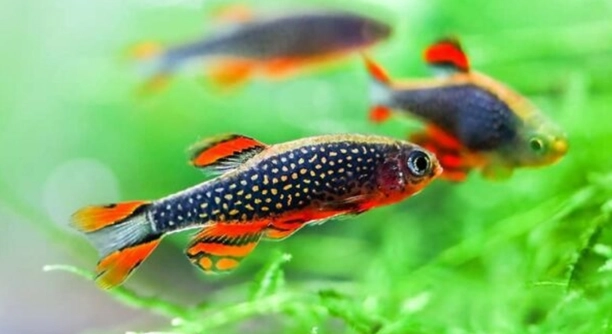
Do you ever find yourself adding a new Danio group to your aquarium and watching them adjust to their new surroundings? These small, active fish bring energy and movement that can quickly change the dynamic of a tank.
When introducing a new Danio group, you will notice changes in their activity levels, schooling patterns, and interactions with existing tank mates. Their coloration may appear brighter, feeding behavior can become more competitive, and some individuals may explore new areas more frequently.
Observing these behaviors closely can help you understand how your Danios are settling in and maintaining a healthy, balanced environment for them.
Increased Activity and Schooling
When a new Danio group is added to a tank, one of the first things you might notice is their heightened activity. These fish are naturally energetic, and being in a new environment often amplifies that energy. They tend to swim together in coordinated patterns, forming schools that move quickly across the tank. Watching them weave around plants, decorations, and other fish can be mesmerizing. This schooling behavior is not just for show—it provides safety and helps reduce stress. The more crowded the tank, the more pronounced their movement can become. You may also see bursts of speed, especially during feeding times, as they compete and react to one another’s presence. Observing how they navigate their new surroundings can give insights into their health, confidence, and adaptation. It’s normal for a few individuals to remain at the edges at first, slowly integrating as they grow comfortable.
Their energy levels often encourage existing fish to become more active too, influencing overall tank behavior.
New Danios explore rapidly, checking every corner of their new home. Plants, rocks, and tank edges become paths for short bursts of movement. Their schooling is precise, often splitting and reforming, creating a lively environment. Over time, they begin to settle, but activity remains higher than usual for a few days as they adjust.
Color and Pattern Changes
New Danios often show more vivid colors shortly after introduction.
This shift occurs as they acclimate to their environment, signaling comfort and reduced stress. Water conditions, lighting, and diet all influence these changes. Bright coloration is also a way to assert presence among tank mates, especially in larger groups.
As the new fish settle in, their patterns can appear sharper or more distinct than when first purchased. The change in color can be subtle or pronounced depending on the individual and the lighting in your tank. During the first week, you might notice that some Danios temporarily hide, which can dull their appearance. Gradually, as they feel safer, their colors return or even intensify beyond what you initially observed. Maintaining stable water conditions, regular feeding, and avoiding sudden disturbances will help the group show their best coloration consistently. This visual improvement is not only pleasing to watch but also indicates that the fish are healthy, adapting well, and experiencing minimal stress in their new environment.
Their colors remain a reliable sign of adaptation, reflecting comfort, health, and social dynamics within the tank.
Feeding Behavior
New Danios can become noticeably more competitive at feeding times. They often dart quickly to capture food, sometimes nudging others aside. This behavior is natural and shows their adjustment to the presence of new tank mates.
During the first few days, watch how they respond to flakes, pellets, or live food. Some fish may dominate feeding spots while others wait their turn. Over time, the group usually establishes a more balanced routine. Feeding small amounts multiple times a day helps reduce competition and ensures all fish receive adequate nutrition. Observing their interactions during meals provides insight into social hierarchy and comfort levels within the group. Proper feeding encourages healthy growth, bright coloration, and stable activity levels, which are important for long-term well-being.
You may notice certain individuals become bold, venturing to the front during feeding, while others stay near the edges. Adjusting feeding habits can help everyone settle into a calmer, predictable routine.
Interaction with Existing Tank Mates
New Danios may briefly alter the behavior of fish already in the tank. Some older fish might become more active, curious, or slightly defensive in response to the newcomers.
Initially, there can be minor chasing or territorial displays as everyone establishes space. Gradually, interactions become less tense, with Danios forming loose social hierarchies. Consistent observation helps identify potential conflicts or stress signs. Providing hiding spots, plants, and open swimming areas allows all fish to coexist comfortably. Over time, the group tends to integrate smoothly, displaying mixed schooling or parallel swimming with established fish. Maintaining stable water conditions, gentle feeding routines, and avoiding sudden disturbances helps minimize stress and promote peaceful interactions. Observing how new Danios engage with older fish can guide adjustments to tank layout or population management.
Balanced tank conditions, enrichment, and careful monitoring are key to ensuring all fish remain healthy and stress-free during this transition period.
Exploring New Territories
New Danios spend a lot of time exploring every corner of the tank. They swim along plants, rocks, and decorations, often in short, quick bursts. This behavior helps them learn their environment and feel more secure over time.
Their curiosity encourages movement across the tank, sometimes leading to playful interactions. Exploring allows them to identify safe spots, feeding areas, and social zones within the group. This activity is normal and signals that they are adjusting well. Providing varied terrain and hiding places supports this natural behavior and keeps them engaged.
Signs of Stress
Some Danios may show stress through rapid gill movement, clamped fins, or hiding. Stress is often temporary as they acclimate to new surroundings.
Observing early signs helps prevent long-term health issues. Make sure water quality, temperature, and tank mates are suitable. Stress can also appear if the group size is too small or overcrowded. Adjustments to diet, environment, and social structure often reduce tension. Regular monitoring ensures the new Danios settle smoothly and maintain healthy behaviors.
Preference for Tank Levels
New Danios often favor the upper and middle levels of the tank. They spend most of their time swimming actively in these areas.
Their preference allows them to quickly access food and remain visible to the group while avoiding potential bottom-dwelling aggression. Watching these patterns helps in arranging decorations and plants effectively.
How many Danios should I add at once?
It’s best to introduce at least three to five Danios at a time. These fish are naturally social, and keeping them in small groups helps them feel secure. Adding just one or two can stress them, making them hide or act timid. A larger group establishes schooling behavior quickly and reduces bullying. Gradually, the group will settle into a predictable pattern of swimming, feeding, and interacting. Proper tank size is important—ensure enough space for movement and hiding spots so all fish can establish territories without overcrowding.
What do I feed new Danios?
Danios thrive on a varied diet. High-quality flakes or pellets should form the staple of their meals. Adding occasional live or frozen foods like brine shrimp, daphnia, or bloodworms can provide extra protein and encourage natural hunting behaviors. Feed small amounts multiple times a day rather than one large feeding. Overfeeding can pollute the tank and cause health issues, while underfeeding may increase aggression within the group. Watch how each fish responds to food. Dominant individuals might eat faster, so spreading food around the tank ensures all Danios receive adequate nutrition and maintain bright colors and energy.
Will new Danios get along with existing fish?
Most Danios adjust well to established tank mates if the environment is suitable. Initially, minor chasing or territorial displays may occur, but this usually settles within a few days. Providing plants, rocks, and open swimming areas helps reduce tension. Observe interactions closely—aggressive behavior or prolonged hiding may indicate stress. Pairing Danios with other peaceful, fast-moving species works best, as slow or timid fish may become stressed. Proper acclimation, consistent feeding, and balanced tank conditions ensure peaceful integration, with schooling and parallel swimming emerging naturally over time.
How can I tell if my new Danios are stressed?
Signs of stress include clamped fins, rapid gill movement, loss of color, hiding for long periods, or erratic swimming. Stress can result from water quality issues, overcrowding, incompatible tank mates, or sudden changes in temperature or lighting. Addressing the source quickly is crucial to prevent illness. Ensure water parameters match their needs, maintain consistent feeding, and monitor social interactions. Providing hiding spots and stable surroundings allows the Danios to regain confidence. Stress is often temporary, and fish that explore, feed normally, and swim actively are adjusting well.
Do Danios need specific water conditions when added?
Yes, stable water parameters are essential for healthy acclimation. Temperature should be between 70–78°F, pH around 6.5–7.5, and ammonia or nitrites at zero. Sudden changes in water chemistry can shock new fish, affecting feeding and behavior. Using a gradual acclimation method helps them adjust to the tank’s conditions safely. Regular water testing and partial water changes maintain a clean, balanced environment. Proper filtration ensures oxygenation and removes toxins, while gentle water flow mimics natural habitats. Monitoring these factors during the first week reduces stress and promotes healthy growth and behavior.
How long does it take for Danios to settle in?
Most Danios start adjusting within a few days, but full acclimation can take one to two weeks. During this period, they explore, establish schooling patterns, and interact with tank mates. Activity may fluctuate, and some fish might temporarily hide. Maintaining stable conditions, consistent feeding, and observing behavior helps them feel secure faster. Once settled, they display bright colors, coordinated schooling, and regular feeding habits. Patience is key, as rushing introductions or disturbing the tank may prolong stress. Gradual observation allows you to support their adjustment and ensure a harmonious, lively group.
Can I keep Danios with slower fish?
Slower or less active fish may struggle with the energetic movements of Danios. Fast swimming and sudden dashes can stress timid species, leading to hiding or reduced feeding. If you want mixed species, select tank mates that are similarly active or robust enough to tolerate quick swimmers. Providing plants and decorations creates safe spaces for slower fish. Observing interactions during the first week is essential—make adjustments if chasing or competition becomes excessive. Careful planning ensures both Danios and slower species thrive without compromising health or natural behaviors.
What changes in behavior should I expect first?
Within the first few days, you may notice increased activity, schooling, and heightened feeding behavior. Some individuals might remain on the edges while assessing the tank. Over the first week, they gradually explore all areas, settle into social structures, and display brighter coloration. Dominant fish may assert positions, but overall interactions balance over time. Monitoring these behaviors helps ensure water quality, food distribution, and tank layout support their adaptation. Early observation allows minor adjustments, like adding hiding spots or spreading food more evenly, to encourage harmony and reduce stress in the new Danio group.
How do I prevent bullying in a new group?
Bullying can occur when a few fish dominate feeding or territory. Keep the group large enough for social balance, and spread food across the tank. Providing plants, rocks, and decorations creates natural boundaries and hiding spots. Observing behavior allows early intervention if chasing or aggression becomes excessive. Gradually, fish establish a hierarchy, and bullying reduces naturally. Avoid sudden changes, maintain consistent feeding schedules, and ensure water quality is stable. A well-structured tank with adequate space encourages positive social interaction and ensures all Danios can thrive without prolonged stress or injury.
When should I seek help for new Danios?
If you notice persistent hiding, loss of color, erratic swimming, or illness, intervention may be needed. Water testing, adjusting temperature, or separating aggressive individuals can help. Consistent observation is key during the first two weeks. Seeking advice from experienced aquarists or veterinarians ensures proper care. Quick action prevents stress-related health issues and maintains harmony in the tank. Recognizing problems early allows you to support the group’s adaptation and ensures long-term well-being, keeping the Danios active, healthy, and integrated smoothly into their new environment.
Adding a new Danio group to your aquarium can change the energy and atmosphere of the tank significantly. These fish are naturally active and social, which makes them entertaining to watch but also requires careful observation at first. When they are introduced, you may notice bursts of speed, coordinated schooling, and a lot of exploration. This behavior is completely normal and reflects their adjustment to a new environment. It is important to give them space to explore and settle in without interruptions. Over the first few days, their activity may be high, but this gradually balances as they become comfortable. Watching how they interact with each other and with existing tank mates helps you understand the social structure that is forming and ensures a smooth transition.
Feeding is another area that shows noticeable changes. New Danios can become competitive at mealtimes, moving quickly to secure food. This is why providing small, evenly distributed portions multiple times a day is beneficial. A varied diet that includes flakes, pellets, and occasional live or frozen foods supports their health, coloration, and energy levels. Observing how each fish responds during feeding allows you to identify dominant or timid individuals, so everyone gets proper nutrition. Proper care during this adjustment period is crucial for preventing stress and maintaining overall health. Stress may appear as hiding, clamped fins, or duller colors, but with consistent water conditions, sufficient space, and thoughtful feeding routines, these behaviors usually fade.
Finally, paying attention to the environment and interactions is key to long-term success. Danios often prefer the middle and upper levels of the tank, but they will explore lower areas if encouraged by plants or decorations. Hiding spots and varied terrain reduce tension and provide safe spaces for less confident fish. Water parameters, including temperature, pH, and cleanliness, must remain stable to prevent stress or illness. Integration with existing fish requires monitoring but often improves over time as everyone establishes a balance. With patience and observation, new Danios settle smoothly, display bright coloration, and form lively, coordinated schools. This careful approach ensures a healthy, active, and visually appealing aquarium for months to come.

Hello,
If you enjoy the content that we create, please consider saying a "Thank You!" by leaving a tip.
Every little bit helps us continue crafting quality advice that supports the health, happiness, and well-being of pets around the world, for pets of all shapes, sizes, and species.
We really appreciate the kindness and support that you show us!