
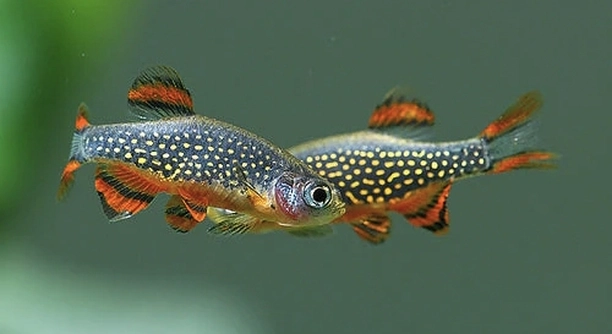
Danios are lively and colorful fish that bring life to any aquarium. Observing their daily behaviors, especially feeding habits, can reveal much about their overall health and well-being in a simple way.
Healthy feeding behaviors in danios include consistent appetite, active swimming during feeding, and proper response to food. Monitoring these behaviors provides reliable insight into their physical condition and helps prevent common health issues before they become severe.
Keeping an eye on feeding patterns can highlight subtle changes that signal health concerns early, ensuring your danios thrive in a balanced aquatic environment.
Appetite Changes
Danios usually show eagerness at feeding time. Sudden drops in appetite can indicate stress, illness, or water quality problems. When a fish stops eating, it may be struggling with internal issues like digestive problems or parasites. Regularly monitoring how much and how quickly your danios eat helps you detect problems early. Even small fluctuations in appetite are worth noting, as they often appear before visible symptoms. Providing a varied diet of flakes, pellets, and occasional live or frozen foods keeps them interested in feeding. Observing each fish individually allows you to notice differences in behavior that might otherwise be missed. Stress from overcrowding, poor filtration, or sudden environmental changes can also reduce feeding. Tracking these changes over time provides a clearer picture of their overall health. Adjusting feeding routines or improving tank conditions often restores their appetite and energy. Maintaining a consistent schedule helps keep feeding habits predictable and easier to monitor.
Sudden loss of appetite in danios can signal illness, stress, or environmental issues needing attention.
Regular observation of feeding habits allows early detection of health concerns, ensuring swift action can be taken to restore well-being. Monitoring changes closely reduces risks of long-term illness.
Active Swimming During Feeding
Danios are naturally active, and this is most noticeable during feeding. They dart around, chase food, and respond quickly to movement in the tank. A lack of movement may indicate low energy, illness, or poor water quality. Observing their swimming patterns during feeding time reveals a lot about their internal state. Healthy danios maintain coordination and stamina while eating. Changes in speed, erratic swimming, or hesitation may signal a problem that requires attention. Even slight lethargy can be an early sign of infection or stress. Providing enough space and reducing competition for food ensures each fish can feed without pressure. Tracking their activity daily helps identify patterns and detect abnormalities quickly. Ensuring water temperature, pH, and oxygen levels are ideal supports healthy movement. Balanced nutrition and minimal stress enhance natural swimming behavior during feeding.
Active swimming is a key indicator of a danio’s energy and overall health during feeding.
Maintaining proper water conditions and providing adequate food encourages natural, energetic swimming patterns. Healthy activity helps danios process food efficiently, promotes growth, and supports strong immunity. Consistent observation of swimming and feeding behavior allows you to spot problems early, such as sluggishness, unusual movements, or signs of stress. Addressing these promptly prevents minor issues from becoming severe health problems. Proper tank setup, including adequate space, hiding spots, and low-stress feeding routines, supports their physical activity. Nutrition also plays a role: balanced diets ensure energy levels remain stable and feeding behavior stays normal. By focusing on both environment and diet, you create conditions that encourage active swimming and consistent eating habits. Regularly noting changes in movement can guide adjustments to care practices, maintaining your danios’ vitality. Monitoring these behaviors strengthens overall understanding of your fish’s needs.
Responsive to Food
Danios react quickly when food is added, showing alertness and coordination. Slow or absent responses can indicate illness, stress, or environmental problems.
Healthy danios swim toward food promptly, maintaining eye contact and following the motion of flakes or pellets. This responsiveness reflects proper energy levels and mental alertness. Sudden changes in reaction times, hesitation, or disinterest often signal underlying issues like parasites, poor water quality, or nutrient deficiencies. Observing how each fish responds individually helps identify weaker or sick fish early. Consistent feeding routines encourage this behavior, reinforcing their natural instincts and allowing easier monitoring of health changes over time.
Maintaining a stimulating but low-stress feeding environment ensures danios continue to respond actively. Using gentle water movement and distributing food evenly reduces competition, giving each fish the chance to feed. Gradual observation of response patterns allows identification of subtle behavioral changes, which may indicate early illness or stress. Adjusting feeding practices and tank conditions based on these observations helps maintain alertness and healthy feeding responses. Ensuring tank mates do not dominate food also supports equitable feeding and keeps all danios active during meals.
Consistent Eating Patterns
Danios that eat regularly and evenly signal stable health. Irregular feeding may indicate disease or stress.
Consistency in eating patterns demonstrates both physical and mental well-being. Healthy danios consume food at predictable rates, showing balanced digestion and energy levels. Irregular or selective feeding, such as ignoring certain foods or eating too fast, can reflect stress from overcrowding, changes in water parameters, or early-stage illness. Monitoring which foods are accepted or rejected helps detect nutritional issues before they escalate. Keeping a record of feeding times, amounts, and individual fish behavior supports proactive care, ensuring each danio maintains stable energy and growth rates.
Predictable eating patterns also reduce aggression and competition among tank mates, creating a calmer environment. Variations in appetite or timing may indicate that tank conditions need adjustment, such as water quality, temperature, or diet composition. Observing how danios interact with food allows targeted interventions for weaker or stressed fish. Proper feeding schedules and careful observation help maintain overall health, minimize stress, and prevent malnutrition. Tracking patterns over time creates a clear picture of your fish’s well-being, supporting long-term vitality and resilience in the aquarium.
Healthy Body Condition
A danio’s body shape and weight reflect its feeding success. Thin or bloated fish often indicate poor nutrition, overfeeding, or internal health problems.
Observing the overall body condition during feeding helps identify early signs of illness. Properly fed danios have a sleek, well-proportioned shape with no visible deformities. Changes in body condition, such as a sunken belly or swelling, can result from parasites, bacterial infections, or imbalanced diets. Maintaining a varied and measured feeding routine supports steady growth and reduces stress on the digestive system. Ensuring each fish gets an appropriate amount of food prevents competition-related issues and promotes uniform health across the tank.
Rapid Growth and Development
Regular feeding supports proper growth in young danios. Slow or stunted growth may indicate insufficient nutrition or underlying health concerns.
Danios require consistent access to high-quality food for steady growth and development. Young fish show noticeable increases in size when diets are balanced, including proteins, vitamins, and minerals. If growth slows or weight fluctuates, it may be caused by overfeeding, underfeeding, or nutrient deficiencies. Careful observation during feeding allows early detection of these issues, enabling corrective action before long-term effects occur. Proper tank conditions, including clean water and adequate space, support growth while reducing stress. Tracking growth over time helps ensure all fish reach their healthy adult size.
Clean Feeding Area
A tidy tank during feeding reduces disease risk and promotes better health.
FAQ
How can I tell if my danio is eating enough?
A danio that eats enough will eagerly approach food at feeding time and consume it consistently. Check if each fish finishes its portion within a few minutes. Uneaten food may indicate overfeeding, while hesitation or ignoring food can signal illness or stress. Regular observation is key.
What should I do if a danio stops responding to food?
First, check water parameters like temperature, pH, and ammonia levels. Poor water conditions often reduce appetite. Observe for signs of illness such as lethargy, discoloration, or abnormal swimming. Adjust feeding routines or offer high-quality, easily digestible foods. Quarantining sick fish may prevent disease spread.
Is it normal for some danios to eat faster than others?
Yes, individual feeding speed varies naturally. Aggressive eaters may dominate food, leaving timid fish behind. To avoid this, distribute food in multiple areas and consider feeding smaller portions more frequently. This ensures all fish get adequate nutrition.
How often should I feed my danios?
Most adult danios thrive on two feedings per day. Young or growing fish may benefit from three smaller meals daily. Avoid overfeeding, as leftover food can decay and harm water quality. Consistent feeding schedules promote stable digestion and overall health.
What types of food are best for danios?
High-quality flakes or pellets provide essential nutrients for daily feeding. Supplement with occasional live or frozen foods like brine shrimp, daphnia, or bloodworms for variety. Vegetables like blanched spinach or zucchini can support digestion and provide extra vitamins. Rotate foods to prevent nutritional gaps.
Can changes in appetite indicate disease?
Yes. Reduced or erratic feeding often signals stress or illness. Parasites, bacterial infections, or poor water quality can all affect appetite. Monitoring feeding behavior helps detect issues early, allowing prompt treatment and minimizing long-term health effects.
How do I encourage shy danios to eat?
Offer food in calm, quiet conditions without excessive disturbance. Spread small amounts across different areas of the tank. Live or frozen foods can entice less active fish. Gradually increase portions as confidence grows, ensuring they receive enough nutrition without competition.
What role does water quality play in feeding behavior?
Poor water quality can reduce appetite and cause stress. High ammonia, nitrite, or nitrate levels may make fish lethargic or uninterested in food. Regular testing, water changes, and filtration maintenance are essential to support normal feeding habits.
How can I prevent overfeeding?
Feed only what the fish can consume in two to three minutes. Remove excess food promptly. Using a measured feeding routine reduces waste, maintains water quality, and prevents obesity or digestive issues in danios.
When should I consult a veterinarian?
If danios consistently refuse food, display unusual behavior, or show signs of illness like bloating, discoloration, or erratic swimming, professional advice is recommended. Early intervention can prevent serious health problems and ensure your fish remain active and healthy.
Are there signs that indicate one fish is getting less food than others?
Watch for smaller or thinner fish after feeding times. Uneaten food may be consumed by dominant tank mates. Providing multiple feeding points, distributing food evenly, and occasionally hand-feeding weaker fish ensures fair access and consistent nutrition.
Can feeding frequency affect aggression?
Yes. Irregular feeding can increase competition, causing dominant danios to chase or block others from food. Consistent schedules and portioning food in different areas reduce aggression and help maintain a peaceful environment.
How long should it take for all danios to eat their portion?
Typically, two to three minutes is sufficient for all fish to finish a properly measured feeding. If food remains longer, it may indicate overfeeding or that some fish are not eating enough. Adjust portions or feeding methods accordingly.
What foods should I avoid feeding danios?
Avoid processed human foods, bread, or fatty scraps. These can cause digestive issues, poor water quality, and nutrient imbalances. Stick to fish-specific flakes, pellets, and occasional live or frozen foods. Unsafe foods may quickly lead to illness or stunted growth.
How can I track my danios’ feeding habits effectively?
Keep a daily log of feeding times, amounts, and fish behavior. Note appetite changes, reaction speed, and body condition. Regular tracking helps identify trends, early signs of illness, or imbalances in diet, supporting proactive care and better overall health.
Can danios refuse food if they are stressed?
Yes. Stress from overcrowding, poor water conditions, or sudden environmental changes can suppress appetite. Reducing stressors, improving water quality, and offering familiar, high-quality food helps restore normal feeding behavior. Monitoring stress levels is as important as monitoring appetite.
What is the best way to introduce new foods to danios?
Introduce new foods gradually, mixing small amounts with familiar flakes or pellets. Observe how each fish responds before fully replacing their regular diet. Slow introduction reduces rejection and digestive upset while promoting nutritional variety.
How does age affect feeding behavior?
Young danios require more frequent feeding to support growth, while adults need fewer meals. Appetite may also change with age; older fish may eat slower or show preferences. Adjust feeding schedules and portions to match developmental needs.
Can I tell if a danio is sick just by watching its feeding?
Yes. Reduced appetite, hesitation, or erratic behavior during feeding often indicates illness or stress. Combined with other signs such as lethargy, color changes, or unusual swimming patterns, feeding behavior provides a reliable early warning system for health issues.
How do seasonal changes affect feeding?
Temperature and daylight variations can influence metabolism. Fish may eat more in warmer months and less in cooler periods. Monitoring feeding patterns during seasonal shifts helps maintain consistent health and prevents over- or underfeeding.
What should I do if my danios fight over food?
Distribute food in multiple areas to reduce competition. Feed smaller portions more frequently if needed. Provide hiding spots and open space to allow timid fish to access food without being chased. Consistent routines decrease aggression and improve feeding fairness.
How long can danios go without food?
Healthy adult danios can typically manage one to two days without food, but extended fasting can cause stress, weight loss, and weakened immunity. Consistent feeding is essential for optimal health and energy levels.
Can feeding behavior indicate water quality problems before tests show anything?
Yes. Hesitation, reduced appetite, or unusual swimming during feeding often precedes measurable changes in water parameters. Observing feeding closely provides an early warning to act before serious water quality issues develop.
What is the most reliable way to ensure all danios eat properly?
Feed in multiple locations, use measured portions, and monitor each fish. Adjust techniques for timid or slow eaters. Maintaining clean water and balanced nutrition ensures equitable access, supporting the health of all danios in the tank.
Final Thoughts
Observing danios during feeding is one of the easiest ways to keep track of their overall health. Their appetite, activity, and responsiveness provide clear indicators of how well they are doing in the tank. Fish that eat consistently and show lively behavior are usually healthy, while changes in feeding habits can signal stress, illness, or water issues. Paying attention to these behaviors allows you to take action early, preventing minor problems from turning into serious health concerns. Even small shifts in appetite or energy can reveal a lot about a fish’s condition. Maintaining a regular feeding schedule, offering a balanced diet, and monitoring how each fish responds during meals ensures that every danio has the opportunity to thrive. Simple observation paired with proper care goes a long way in supporting their well-being.
Healthy danios require more than just food; the environment plays a crucial role in feeding behavior. Clean water, stable temperature, and proper filtration all contribute to how comfortable fish feel while eating. Overcrowding, aggressive tank mates, or sudden changes in water conditions can reduce appetite and energy, even if the diet is perfect. By keeping the tank clean, maintaining consistent water parameters, and providing enough space for all fish, you create conditions that support natural feeding habits. Observing their body condition and swimming behavior during meals helps identify weaker or stressed individuals early. Proper nutrition combined with a stable environment prevents common problems such as sluggishness, digestive issues, or stunted growth. Paying attention to the feeding area and food distribution ensures all fish can access meals fairly, reducing competition and stress.
Feeding time also provides an opportunity to bond with your aquarium and understand your fish better. Watching danios react to food, follow it around the tank, and interact with each other gives insight into their personalities and energy levels. Consistent observation over time helps detect subtle changes that may not be obvious otherwise. Adjusting portion sizes, types of food, and feeding methods based on these observations can improve their overall health and behavior. By staying mindful of these details, you can ensure that your danios not only grow and thrive but also remain active and energetic throughout their lives. Simple, consistent care and attention during feeding can have a significant impact on their long-term health and happiness, making it a vital part of any aquarium routine.

Hello,
If you enjoy the content that we create, please consider saying a "Thank You!" by leaving a tip.
Every little bit helps us continue crafting quality advice that supports the health, happiness, and well-being of pets around the world, for pets of all shapes, sizes, and species.
We really appreciate the kindness and support that you show us!