
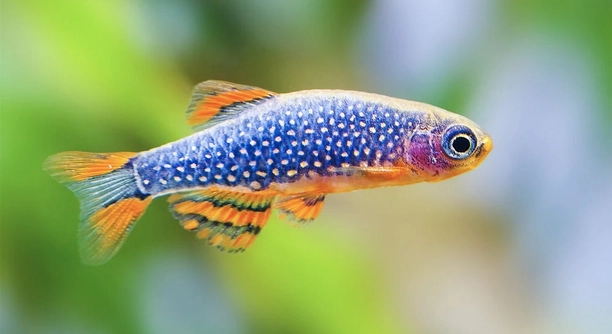
Are your tiny danios swimming in a bare tank that feels empty and dull? Many fish owners look for decorations that add interest, but selecting the right ornaments can be tricky for these small, delicate swimmers.
Choosing safe tank ornaments for tiny danios requires careful consideration of size, material, and edges. Smooth surfaces, non-toxic materials, and appropriately sized decorations prevent injuries while supporting natural swimming behavior and creating a comfortable, engaging environment for the fish.
Adding the right decorations can improve tank aesthetics and fish activity. Knowing which ornaments are safe ensures your danios thrive without unnecessary risk.
Smooth River Rocks
Smooth river rocks are a simple way to add texture to a tiny danio tank without causing harm. Their rounded surfaces prevent injuries that sharp-edged stones can cause. Choosing rocks that are smaller than your fish ensures they can swim around them freely. Before adding them, it is important to rinse the rocks thoroughly to remove any dust or debris. Boiling larger rocks for a few minutes can help eliminate bacteria or algae spores. Arranging them in small clusters can create hiding spots and resting areas, which reduce stress for the fish. River rocks are versatile, fitting well with plants or other decorations, and they create a natural look. Their neutral colors help highlight the danios’ bright stripes and shimmering scales. It is best to avoid painted or coated rocks, as these can leach chemicals into the water over time. Smooth river rocks are low-maintenance and enhance both the safety and aesthetics of the tank.
Smooth river rocks are safe for tiny danios and add visual appeal without sharp edges or harmful coatings.
Using smooth river rocks also provides a subtle way to structure the tank. Fish can explore around clusters, rest in nooks, or swim through small spaces. This encourages natural behavior and can reduce aggression or stress in a confined environment. Over time, algae may form on the rocks, which is normal and can be gently cleaned. River rocks pair well with live or artificial plants, creating a balanced environment. Properly rinsed and placed, they remain safe and non-toxic, offering an easy upgrade to the tank’s layout.
Silk Plants
Silk plants are gentle, flexible, and do not have the rigid stems or sharp edges that plastic plants sometimes feature. They can be shaped to fit corners or open areas without trapping tiny fish.
Silk plants provide safe hiding spots and swimming pathways. They mimic natural environments, giving danios a sense of security.
When selecting silk plants, ensure the base is smooth and heavy enough to prevent tipping. Avoid plants with loose fibers that could be ingested. Silk plants do not release toxins and are easy to clean with warm water. Regular maintenance prevents algae buildup and keeps the tank hygienic. Combining different colors and heights can make the tank visually appealing while still prioritizing fish safety. These plants create shelter, reduce stress, and encourage exploration without interfering with water flow or filtration systems. They are an excellent choice for tanks where live plants may struggle due to light or nutrient limitations. Properly arranged silk plants can transform a simple tank into a lively, safe, and inviting space for tiny danios.
Small Ceramic Ornaments
Small ceramic ornaments are smooth and solid, making them safe for tiny danios. Avoid sharp edges and painted surfaces that might chip or leach chemicals. Choose pieces with openings or tunnels for fish to swim through.
Ceramic ornaments provide hiding spots and resting areas. They are heavier than plastic or silk decorations, so they stay in place even if the fish swim vigorously. Rinse them thoroughly before adding to remove dust or residue. Openings in the ornaments can mimic natural caves, offering shelter that helps reduce stress. Avoid ornaments with tiny crevices where debris can accumulate, as these are harder to clean. Ceramic pieces are durable, easy to maintain, and do not affect water quality when properly prepared. Their neutral colors complement bright danios, highlighting their natural beauty.
Over time, algae may grow on ceramic surfaces, which is normal and can be cleaned with a soft brush. They are compatible with both live and artificial plants. Small ceramic ornaments can be rearranged to refresh the tank layout without risking fish injury. Choosing ornaments with smooth, rounded shapes ensures danios can swim freely around them. They provide structure, visual interest, and safe hiding spots, making them a practical choice for a lively yet secure tank environment.
Floating Betta Logs
Floating betta logs rest gently on the water surface and provide shelter without taking up floor space. They are smooth and safe for tiny danios to swim beneath or around.
These logs create shaded areas that reduce stress for small fish. They do not interfere with filtration or heating equipment, making them practical for tanks of any size. Lightweight and easy to move, floating logs can be repositioned to change the tank layout or provide better coverage. Their hollow design offers swimming tunnels or hiding spots, encouraging natural exploration. Regular cleaning prevents buildup of algae or debris, maintaining a healthy environment. Floating logs work well in combination with plants, rocks, or other ornaments, giving the tank depth and variety without overcrowding.
Betta logs are versatile and enhance tank structure while keeping danios safe. They promote natural behavior, reduce stress, and offer temporary shelter during feeding or rest periods. Placing them strategically can encourage active swimming and interaction with the environment. Their smooth surfaces prevent injury, unlike rough or sharp decorations. Floating logs also contribute to a more dynamic tank, breaking up open space and adding vertical interest. Easy to maintain and durable, they provide long-term value while supporting a balanced habitat for tiny danios.
Smooth Plastic Plants
Smooth plastic plants are lightweight, flexible, and safe for tiny danios. Avoid sharp edges or brittle stems that could harm the fish. They are easy to place anywhere in the tank to create swimming pathways or resting spots.
Plastic plants are low-maintenance and durable. They do not decay like real plants, and their smooth surfaces prevent injuries. They come in various shapes and colors, allowing for creative arrangements. Proper rinsing before placement removes dust or residues. These plants offer visual interest and shelter while being compatible with other tank decorations.
Mini Driftwood
Mini driftwood adds natural texture and hiding spots for tiny danios. Ensure the wood is smooth and properly treated to prevent toxins or decay. It floats or sinks depending on preparation, offering versatile placement in the tank.
Ceramic Caves
Ceramic caves mimic natural rock formations and provide secure hiding spaces. Their smooth interiors prevent injury, and openings allow easy swimming access. They are durable, easy to clean, and stable on the substrate, making them a practical choice for small danio tanks.
FAQ
What types of tank ornaments are safest for tiny danios?
Smooth surfaces and non-toxic materials are the most important factors. Ornaments should have rounded edges and avoid small parts that could be swallowed. Ceramic pieces, silk plants, and smooth river rocks are ideal because they provide structure and hiding spots without posing injury risks. Avoid painted or coated decorations that can leach chemicals over time.
Can tiny danios swim around ornaments freely?
Yes, proper spacing is key. Overcrowding the tank with too many decorations can stress the fish and restrict swimming. Ornaments should be arranged to create open swimming areas as well as hiding spots. Floating decorations like betta logs can add variety without taking up floor space, and small clusters of rocks or plants can mimic natural habitats while keeping pathways clear.
Do ornaments affect water quality?
Some materials can, but smooth ceramic, silk, and natural rocks generally do not. Avoid decorations that can dissolve, release toxins, or trap debris. Cleaning ornaments regularly is important to prevent algae buildup or bacterial growth. Boiling or rinsing new decorations before adding them helps maintain a stable and safe environment.
Are live plants better than artificial ones?
Live plants offer natural filtration and oxygenation, but they require proper light and care. Silk plants are a safe alternative for tiny danios, especially in tanks where maintaining live plants may be difficult. Both options provide hiding spots and reduce stress, so it depends on maintenance ability and tank conditions.
How do I arrange ornaments for small danios?
Combine hiding spots and open areas to encourage natural behavior. Place clusters of smooth rocks or ceramic caves along the edges and leave central swimming areas open. Floating logs or taller plants can create vertical structure without overcrowding. Regularly changing the arrangement keeps the tank interesting and stimulates exploration.
Can tiny danios get stuck in decorations?
Yes, decorations with narrow holes, sharp edges, or loose fibers can trap or injure fish. Always test tunnels or openings to ensure your danios can swim through easily. Smooth ceramic caves, silk plants, and small river rocks reduce the risk of getting stuck while providing enrichment.
How often should I clean tank ornaments?
Cleaning frequency depends on algae growth and tank size. Gently scrub ornaments every few weeks to remove buildup, and rinse thoroughly with warm water. Avoid soap or harsh chemicals, which can harm fish. Regular cleaning helps maintain both aesthetics and water quality.
Can decorations stress tiny danios?
Overcrowding, sharp edges, or sudden changes in ornament placement can stress fish. Providing predictable hiding spots and open swimming areas reduces stress. Gradually introducing new decorations and maintaining consistent placement can make the environment more comfortable for danios.
Are certain colors safer than others?
Bright colors generally do not harm tiny danios if the materials are non-toxic. Avoid painted or coated ornaments that can chip. Neutral or natural tones often blend better with live plants and make the fish’s natural colors stand out, while still maintaining safety.
Do tiny danios need hiding spots at all times?
Yes, even small fish benefit from secure spaces. Hiding spots reduce stress, provide refuge during feeding, and mimic natural environments. Ceramic caves, silk plants, and small clusters of smooth rocks serve this purpose without interfering with swimming space, helping your danios feel safe and confident in their tank.
Can multiple ornament types be used together?
Yes, combining smooth rocks, silk plants, and small ceramic or wooden pieces creates a varied and stimulating environment. Just ensure there is enough open space for swimming and that all materials are safe. Mixing textures and heights helps tiny danios explore, rest, and interact naturally.
How do I introduce new ornaments safely?
Rinse or boil new items to remove debris or bacteria. Introduce them gradually, placing them in stable positions and observing your danios’ reactions. If a decoration causes hesitation, remove it and try a safer alternative. Gradual introduction keeps stress levels low and preserves tank harmony.
Can ornaments help reduce aggression among danios?
Yes, providing multiple hiding spots and visual barriers reduces territorial disputes. Smooth caves, rocks, and plants allow subordinate fish to retreat, minimizing stress and aggressive behavior. Open swimming areas combined with safe shelters create balance, supporting peaceful interactions in the tank.
Are there decorations to avoid completely?
Avoid sharp-edged rocks, brittle plastics, painted items that can chip, and decorations with tiny holes where fish can get trapped. Large, heavy ornaments that could tip and crush fish are also unsafe. Stick to smooth, non-toxic, and appropriately sized items for a secure environment.
Do tank ornaments require any special maintenance?
Basic maintenance involves periodic cleaning and inspection for damage. Smooth ceramic, silk plants, and river rocks are low-maintenance but should be rinsed or scrubbed gently when algae or debris appear. Floating logs may need occasional repositioning or cleaning to prevent buildup. Consistent care ensures long-term safety and aesthetics.
Can tiny danios damage decorations?
Generally, no. Tiny danios do not chew or move heavy decorations. Silk plants or lightweight floating items may shift slightly, but proper placement prevents disruption. Using durable materials ensures that the tank remains visually appealing and safe, even with active fish exploring regularly.
Do ornaments affect feeding behavior?
Yes, ornaments can create shaded or sheltered feeding areas, reducing competition and stress. Fish may feel more comfortable eating near hiding spots, which can improve appetite and overall health. Proper spacing ensures food is accessible without trapping fish in tight areas.
Are DIY decorations safe for tiny danios?
DIY items must be smooth, non-toxic, and free of paint or glue that could leach chemicals. Homemade caves from untreated ceramic or smooth plastic are generally safe, but anything with sharp edges, loose parts, or toxins should be avoided. Testing durability and safety before adding them is crucial.
How can I refresh the tank environment without stress?
Gradually rearranging ornaments or swapping in new safe decorations keeps the tank engaging. Introduce one or two changes at a time, ensuring fish can adjust. Avoid sudden large-scale rearrangements, as tiny danios may become disoriented or stressed, reducing activity and appetite.
What is the best overall approach to tank decoration for tiny danios?
Prioritize safety, swimming space, and hiding spots. Choose smooth, non-toxic materials like silk plants, ceramic caves, and river rocks. Maintain cleanliness and avoid overcrowding. Variety in texture, height, and color can enrich the environment, but stability and gradual changes ensure a healthy, stress-free habitat.
Decorating a tank for tiny danios is more than just making it look nice. Safe, well-chosen ornaments play an important role in the fish’s health and comfort. Smooth surfaces, non-toxic materials, and proper spacing prevent injuries and reduce stress. Items like silk plants, small ceramic caves, river rocks, and floating logs give the fish places to hide, rest, and swim freely. By arranging decorations thoughtfully, you create an environment that encourages natural behavior while keeping the tank functional and easy to maintain. The goal is to balance safety with visual appeal so that the tank remains engaging for both the fish and anyone observing it.
It is important to remember that size matters. Tiny danios can be easily injured by sharp edges, small holes, or heavy items that can tip over. Decorations should be chosen and arranged with care to allow open swimming spaces and multiple hiding spots. Even lightweight ornaments like silk plants or floating logs need to be placed securely to prevent them from floating into the fish or creating stress. Periodic cleaning and inspection of decorations also help maintain water quality and prevent algae or bacteria buildup. Smooth ceramic, well-rinsed river rocks, and safe wooden pieces are all long-lasting options that do not affect the water chemistry, giving you a worry-free way to enrich the tank.
The right combination of ornaments can make a tiny danio tank both lively and safe. Variety in textures, colors, and heights can keep the environment interesting for the fish, while still leaving enough space for swimming and exploration. Regularly changing or rearranging decorations gradually can also provide stimulation without causing stress. Observing the fish’s behavior after adding new ornaments will help you understand which arrangements make them most comfortable. By focusing on safety, accessibility, and visual interest, your tank will support healthy, active danios while creating a pleasant and functional aquatic space. Thoughtful decoration ensures the fish feel secure, encourages natural behavior, and results in a tank that is enjoyable to watch and maintain.

Hello,
If you enjoy the content that we create, please consider saying a "Thank You!" by leaving a tip.
Every little bit helps us continue crafting quality advice that supports the health, happiness, and well-being of pets around the world, for pets of all shapes, sizes, and species.
We really appreciate the kindness and support that you show us!