
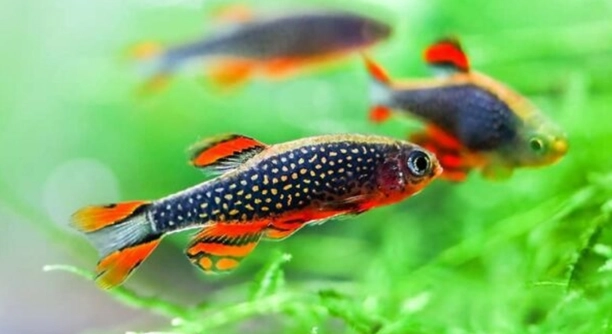
Danios are lively fish that bring movement and color to any aquarium. Maintaining the right environment is important for their health, and temperature plays a key role in keeping them active and thriving.
Danios tolerate a temperature range of approximately 64°F to 75°F (18°C to 24°C) most comfortably. Within this range, their metabolism, immune system, and overall behavior remain stable, supporting growth and minimizing stress in captive aquatic environments.
Knowing the ideal temperature for your danios helps maintain a healthy aquarium and supports their natural energy and activity levels.
Ideal Temperature for Danios
Danios thrive in moderately warm waters. The optimal temperature range is usually between 70°F and 74°F (21°C to 23°C). Maintaining this range ensures their metabolism functions properly and helps them remain energetic throughout the day. Sudden temperature changes can stress danios, leading to weakened immunity or unusual behavior. It is best to use a reliable heater and thermometer to monitor the water consistently. Stability in temperature also encourages proper feeding and growth. Overheating or cold spikes can reduce oxygen levels in the water, which negatively affects all aquarium inhabitants. Danios are adaptable, but consistent conditions make their health more predictable. Observing their behavior can indicate if adjustments are necessary, as lethargy or rapid gill movement often signals stress. Setting up a thermometer at different tank levels helps ensure uniform temperature. Small aquariums may require more attention to prevent fluctuations caused by room temperature.
Maintaining 70°F to 74°F provides a stable and safe environment for danios, ensuring they remain lively and healthy.
Regularly monitoring tank temperature prevents stress-related illnesses and keeps feeding habits consistent. It also reduces the risk of sudden behavioral changes. When introducing new fish, gradual acclimation within this range is critical. Seasonal variations in room temperature should be accounted for, as danios are sensitive to prolonged deviations. Using a heater with a thermostat ensures precise adjustments. Additionally, water circulation and proper filtration contribute to temperature stability. Observing the fish daily helps detect early signs of stress or illness caused by unsuitable temperatures. Proper lighting and keeping the tank away from direct sunlight further support temperature control. This consistent environment supports long-term health, encourages natural activity, and reduces vulnerability to infections or disease. Adjustments should be slow and incremental to avoid shocking the fish. Overall, careful attention to temperature is one of the simplest ways to ensure danios flourish in captivity.
Lower Temperature Tolerance
Danios can tolerate slightly cooler water down to 64°F (18°C) without serious harm, though activity may decrease.
At lower temperatures, their metabolism slows, leading to less movement and reduced feeding. Extended exposure to cooler water can weaken their immune system. Fish in cooler tanks may also show color fading or reduced social behavior. Seasonal temperature drops require monitoring and sometimes supplemental heating. Gradual adjustments prevent shock.
Keeping danios in cooler water requires patience. Feeding should be reduced slightly, and water changes must be careful to maintain stability. Oxygen levels are more critical at lower temperatures, so aeration may need adjustment. While they survive, cooler conditions are less ideal for breeding or peak activity. Observation is key; fish should appear alert and maintain normal swimming patterns. Lower temperatures may also slow algae growth, changing tank maintenance routines. Consistency and careful monitoring ensure danios remain healthy even when temperatures dip.
Higher Temperature Tolerance
Danios can handle warmer conditions up to about 75°F (24°C), though extended exposure beyond this limit may cause stress. Their activity may increase at first, but prolonged warmth can reduce oxygen levels and impact overall comfort. Stable monitoring helps prevent overheating and unnecessary strain.
When temperatures rise, danios often become more active, which increases their energy demands. Warmer water holds less oxygen, so proper aeration becomes important to support their breathing. Prolonged exposure to high temperatures can also weaken their immune system, making them more vulnerable to illness. Adjusting room temperature, improving tank circulation, and avoiding direct sunlight can help maintain safe levels. Regular checks ensure stability and prevent sudden spikes caused by equipment malfunction. Careful observation is essential, as signs like rapid gill movement or unusual swimming patterns may indicate discomfort from excessive warmth.
Keeping danios in warmer conditions requires attention to oxygen levels, filtration strength, and daily behavior checks. Feeding habits may change slightly, as their metabolism increases with heat. Tank size plays a role because smaller tanks warm up easily and cool down quickly. Gradual adjustments prevent shock and help maintain smooth transitions during warm seasons. Using a thermometer with reliable accuracy supports consistent care. Watching for subtle changes in color, appetite, or schooling behavior helps identify early signs of discomfort. Warm conditions are manageable with regular maintenance, stable equipment, and awareness of environmental shifts.
Sudden Temperature Changes
Sudden temperature swings often cause immediate stress for danios, affecting their energy levels and behavior. Stability is essential because abrupt fluctuations disrupt their metabolism and reduce their ability to adjust. Slowing down changes and monitoring equipment helps maintain consistency and protects their long-term health.
Abrupt changes in temperature can weaken their immune response, increasing the risk of illness. Danios rely on stable conditions to maintain proper breathing, digestion, and social behavior. Large water changes with mismatched temperatures can create shock, so careful preparation is important. Using reliable heating equipment and checking for drafts or sunlight exposure helps reduce fluctuations. When adjusting the tank, slow shifts support comfort and prevent stress. Observing behaviors like sudden hiding, surface gasping, or reduced schooling provides early warning signs. Routine maintenance that includes checking all equipment ensures the environment remains predictable, safe, and steady for every fish in the tank.
Temperature Stability During Water Changes
Water changes can affect temperature quickly if fresh water is not matched properly. Preparing replacement water in advance keeps conditions steady and helps prevent stress. Slow pouring and small batches support smoother adjustments and reduce the chance of sudden shifts.
Maintaining steady temperature during routine maintenance helps danios stay comfortable and active. Using a thermometer while preparing new water avoids surprises. Consistent habits make each change predictable, and this stability supports healthier behavior. Careful handling also reduces stress during cleaning.
Seasonal Temperature Adjustments
Seasonal shifts can affect tank temperature, especially in rooms that warm up or cool down throughout the year. Monitoring these changes prevents long-term stress and supports stable behavior. Heaters with thermostats help regulate winter drops, while increased aeration and shaded placement help manage warmer summer periods without major fluctuations.
Monitoring Equipment Performance
Routine checks on heaters, thermometers, and filters protect against unnoticed temperature swings. Equipment that runs inconsistently can cause stress and discomfort for danios. Regular monitoring helps maintain a safe and predictable environment.
FAQ
What happens if my danios are kept outside their ideal temperature range?
Danios can handle mild fluctuations, but extended exposure outside their preferred range affects their energy, feeding, and overall behavior. Cooler temperatures slow their metabolism, making them less active and more vulnerable to illness. Warmer temperatures speed up metabolism but reduce oxygen levels, which can lead to fast breathing, stress, and a higher chance of health problems. Long-term imbalance weakens their immune system and makes them more sensitive to changes in their environment. Keeping a stable range helps prevent these issues and supports predictable behavior, stronger coloration, and healthier feeding habits. Consistent monitoring is the simplest way to prevent long-lasting stress.
Can danios survive short periods of temperature change?
Danios are adaptable and can manage short temperature swings, but frequent fluctuations negatively impact their comfort. Sudden drops can make them sluggish, while quick spikes often lead to frantic swimming or increased gill movement. Short variations may not cause permanent harm, yet repeated changes put strain on their immune system. When making adjustments, slow transitions are safer. Carefully planning water changes, using temperature-matched water, and keeping the aquarium away from direct sunlight or drafts makes these shifts less stressful. Their long-term health depends on steady conditions, so limiting rapid changes should be a priority.
How can I tell if temperature fluctuations are affecting my danios?
Behavior is the clearest indicator of discomfort. Signs like hiding, surface gasping, fading colors, or irregular schooling show that conditions may be off. When temperatures are too cold, danios appear lethargic and eat less. When temperatures climb too high, they become restless and may breathe faster. Sudden changes also increase the chance of unusual swimming patterns, such as darting or drifting away from their group. Observing their habits each day makes early detection easier and allows corrective steps before stress turns into illness. Keeping consistent logs of feeding, activity, and water readings helps track subtle changes.
Is a heater necessary for keeping danios healthy?
A heater is important in most homes because indoor temperatures shift throughout the day. Even small changes can affect their comfort. A reliable heater paired with a thermostat maintains stable warmth and prevents cold dips at night or during colder months. Larger tanks may maintain heat more effectively, but a heater still offers security. In warmer climates, aeration becomes equally important, since warm water holds less oxygen. The heater does not need to work constantly, but having one installed protects against unpredictable room temperature shifts. Stability makes care easier and keeps the fish healthy and active.
Do danios react differently to warm and cool temperatures?
Yes, their behavior changes noticeably depending on temperature. In cooler water, they slow down, eat less, and conserve energy. Their colors may appear dull during prolonged cold exposure. In warmer water, they move faster, eat more, and show more schooling activity, but the reduced oxygen levels make breathing harder. Long exposure to warmth may lead to fatigue or stress. Both extremes cause physical strain, but warmth tends to create faster reactions, while cold conditions slow every function. Keeping them near the middle of their preferred range offers a balanced environment.
How can I maintain stable temperature during seasonal changes?
Seasonal shifts affect room temperature gradually, which influences the tank. Using a heater with a thermostat helps manage cold seasons, while stronger aeration and avoiding direct sunlight help during warmer cycles. Monitoring readings daily during these periods is useful because small deviations accumulate over time. Curtains, room fans, and thoughtful tank placement also contribute to stability. Seasonal upkeep requires slightly more attention, but predictable adjustments protect the fish from long-term stress. When seasonal changes are managed properly, danios stay active, display better coloration, and maintain healthier feeding habits without struggling to adapt.
What equipment helps keep danios safe from temperature issues?
A reliable heater, a thermometer with accurate readings, and strong filtration all play important roles. The heater keeps the water warm and steady, while a thermometer ensures you always know the current temperature. Filters help maintain circulation, which prevents warm or cool pockets from forming. Aeration stones or adjustable air pumps are beneficial, especially in warmer conditions. Regular equipment checks ensure everything works correctly and avoids sudden failures. Simple tools and consistent maintenance create a predictable environment that supports healthy, comfortable fish.
Final Thoughts
Keeping danios comfortable begins with understanding how strongly temperature shapes their health, behavior, and daily rhythm. These fish adapt well compared to more delicate species, but they still depend on stable conditions that support steady breathing, natural activity, and predictable feeding. When their tank remains within the right range, everything becomes easier, from observing their social interactions to maintaining long-term wellness. Stability gives them room to thrive without dealing with unnecessary stress. Small habits, such as checking equipment regularly and watching for subtle shifts in room temperature, make a meaningful difference. Each adjustment helps create an environment that feels safe and dependable for them. Over time, these simple routines help build a healthier aquarium where danios can stay active and display their best colors.
A consistent temperature also prevents the challenges that come with sudden swings or long exposure to unsuitable conditions. Cold water slows their movements and reduces their appetite, while warm water increases their energy needs and lowers oxygen levels. These physical reactions show how deeply temperature affects their comfort. Supporting them through careful monitoring helps reduce stress-related issues and keeps their immune system strong. Many problems become easier to avoid when the tank environment remains steady. Using a reliable heater, pairing it with proper filtration, and placing the tank in a stable location all work together to protect against fluctuations. Each step reinforces a calm setting where danios feel secure. Even small efforts add up, making daily care smoother and more predictable. When the temperature stays balanced, you can see their natural confidence in the way they swim, explore, and interact.
Over the long term, caring for danios becomes much more rewarding when the tank’s temperature remains consistent and supportive. Their active swimming patterns, social behavior, and bright appearance are clearer and more enjoyable when they feel comfortable. As their keeper, staying aware of seasonal shifts and household temperature habits helps prevent unexpected stress. Paying attention to their behavior each day gives helpful clues when something needs adjustment. Making small corrections early protects them from bigger issues later. Creating a stable environment also gives you peace of mind, knowing your tank supports their needs without constant surprises. Over time, this steady care helps your danios build resilience and maintain strong health. A well-balanced temperature acts as the foundation for all other aspects of their care, allowing them to flourish in a calm and predictable setting.

Hello,
If you enjoy the content that we create, please consider saying a "Thank You!" by leaving a tip.
Every little bit helps us continue crafting quality advice that supports the health, happiness, and well-being of pets around the world, for pets of all shapes, sizes, and species.
We really appreciate the kindness and support that you show us!