
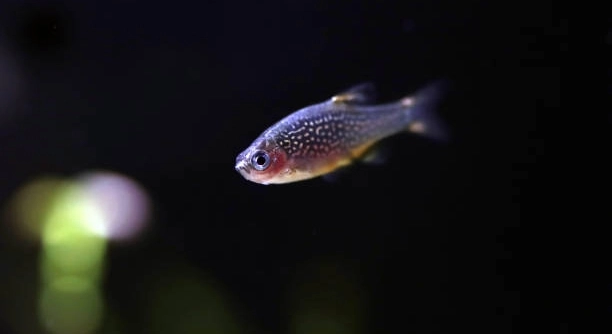
Are your danios showing duller colors than usual, even after weeks of proper care? Many fish owners notice that vibrant shades can fade over time, leaving their tanks looking less lively and exciting than expected.
Feeding danios specific foods rich in carotenoids, proteins, and natural pigments can significantly enhance their coloration within days. Regular inclusion of these foods in their diet strengthens pigmentation, improves health, and ensures their colors remain bright and vivid consistently.
Knowing which foods make the biggest difference will help you maintain a lively aquarium and enjoy the full beauty of your danios.
Spirulina
Spirulina is a blue-green algae that is packed with nutrients specifically beneficial for danios. Its high concentration of natural pigments, like carotenoids and phycocyanin, helps boost the red and blue tones in fish. I started adding spirulina flakes to my tank a few weeks ago, and I noticed my danios’ colors looking richer almost immediately. Aside from color enhancement, spirulina also supports overall health by providing essential proteins, vitamins, and minerals. Feeding it in small portions two to three times a week is usually enough, as overfeeding can cloud the water. Many commercial fish foods now include spirulina as a key ingredient, making it easy to incorporate without drastically changing your feeding routine. Whether used as a powder, flake, or pellet, it dissolves easily and is well accepted by most danios. Consistency is important; regular feeding ensures that the pigments accumulate in the fish’s skin, producing noticeable, lasting results.
Spirulina not only improves colors but also strengthens immunity, helping danios resist common diseases effectively.
In addition to color benefits, spirulina contributes to vibrant energy levels. Fish that consume it regularly tend to swim more actively and display natural behaviors. Its digestibility supports gut health, reducing waste buildup in the tank and maintaining water clarity. For beginners, spirulina is an excellent starting point for enhancing color without complicated preparation or high cost.
Krill
Krill is a small crustacean rich in astaxanthin, a pigment that enhances reds and oranges in danios.
Regularly feeding krill ensures deeper red tones and promotes growth. It’s usually offered as frozen or freeze-dried, making it convenient to store and serve. Krill contains omega-3 fatty acids, which support heart and brain health, and its protein content encourages strong muscle development. I noticed a clear difference in my fish’s dorsal and tail colors after introducing krill, with a natural shine that wasn’t as vivid before. It’s important to avoid overfeeding, as krill can pollute the water quickly. A balanced schedule of small portions, two to three times per week, gives the best results. Pairing krill with other pigment-rich foods like spirulina or daphnia creates a varied diet that maximizes color enhancement while supporting overall health and activity levels. This combination ensures your danios look bright, energetic, and healthy without requiring complex feeding routines.
Daphnia
Daphnia are tiny freshwater crustaceans that are excellent for enhancing danio colors. They are rich in carotenoids, which boost reds and yellows naturally. I feed them frozen or live daphnia a couple of times a week, and the difference in brightness is noticeable within days.
Feeding daphnia improves pigmentation while also supporting digestion. Danios find them easy to eat, and the protein content helps maintain healthy growth. Their movement stimulates the fish, encouraging activity that highlights their colors. I often mix daphnia with other foods, like spirulina, for a balanced diet that improves both vibrancy and overall health. Small portions prevent water quality issues, keeping the tank clear while still providing the benefits needed for visible results. Regular feeding creates a steady accumulation of pigments in the fish, maintaining vivid coloration consistently.
Daphnia also adds variety to the diet, reducing monotony and encouraging natural hunting behaviors. This can improve the fish’s energy and display, making the tank more dynamic and colorful over time. Observing their improved activity and sheen has convinced me to keep it as a staple in my feeding routine.
Bloodworms
Bloodworms are rich in proteins and natural pigments that intensify reds in danios.
Frozen or live bloodworms work well, but I usually use frozen for convenience. Their high protein content encourages growth and vibrant coloring while remaining easy for my fish to consume. Feeding small portions two to three times per week avoids overfeeding and water contamination. I often alternate bloodworms with krill or daphnia to keep the diet balanced and colorful. Over time, the consistent feeding schedule enhances not only red tones but also overall health and stamina in my danios.
Bloodworms provide a dense nutritional boost that complements other pigment-rich foods. The combination of protein, iron, and carotenoids strengthens coloration, energy levels, and immune function. By feeding them in moderation, I avoid cloudy water and maintain a stable tank environment. I have noticed that the dorsal and tail colors show the most improvement, with a natural shine that wasn’t present before. Regular inclusion also encourages activity, as the fish chase the worms, adding liveliness to the aquarium. This makes bloodworms a practical and effective tool for anyone looking to improve danio colors.
Carrot
Carrots are an easy way to enhance danio colors naturally. They are high in beta-carotene, which boosts red and orange tones. I grate a small amount and offer it occasionally, and the results in color intensity are visible within a few weeks.
Adding carrots provides fiber that aids digestion. It also supports overall health while subtly improving coloration. Small pieces are enough to avoid water pollution, making it a simple, low-maintenance supplement to other pigment-rich foods like spirulina or krill.
Peas
Peas help maintain a healthy digestive system while supporting color development. I feed shelled, blanched peas a couple of times per week.
Regular feeding of peas prevents constipation, ensuring that nutrients from other color-enhancing foods are properly absorbed. Their soft texture makes them easy for danios to eat, and the natural carbohydrates provide energy. Peas can be chopped finely or mashed to suit small fish, reducing waste. Including them alongside spirulina or daphnia strengthens overall pigment accumulation while maintaining tank hygiene.
Red Bell Pepper
Red bell peppers are packed with natural pigments that enhance red tones in danios. I finely chop and blanch a small portion before feeding twice weekly. The color boost is gradual but noticeable, especially in the dorsal and tail areas.
Omega-3 Rich Fish Oil
Omega-3 fish oil supports vibrant coloration and overall health in danios. I add a few drops to their regular food mix once a week. It promotes sheen, strengthens immunity, and enhances pigment absorption from other foods.
FAQ
How often should I feed color-enhancing foods to my danios?
I usually feed pigment-rich foods like spirulina, krill, and bloodworms two to three times per week. Overfeeding can cloud the water and harm fish health, so small portions are best. Alternate between different foods to provide a balanced diet that maximizes color and supports growth.
Can I feed only one type of color-enhancing food?
Relying on a single food may improve certain colors but limits overall pigment development. I mix spirulina, daphnia, and bloodworms to cover red, blue, and yellow tones. A varied diet ensures stronger, more vibrant coloration while keeping my danios healthy.
How long does it take to see color improvements?
Visible changes often appear within a few days to a couple of weeks. I noticed my danios’ red and orange tones became brighter in about ten days. Consistent feeding and proper tank maintenance make the effect more noticeable and long-lasting.
Are frozen foods as effective as live foods?
Frozen foods retain most pigments and nutrients, making them very effective. I use frozen krill and bloodworms for convenience, and my danios respond well. Live foods provide activity stimulation, but frozen options are practical, easier to store, and maintain color enhancement efficiently.
Can vegetables really improve fish color?
Yes, vegetables like carrots, peas, and red bell peppers are rich in carotenoids, which strengthen red and orange tones. I blanch or finely chop them before feeding. Though the effect is slower than animal-based foods, it contributes to overall health and subtle, natural color improvement.
Is it necessary to supplement fish oil?
Fish oil supports pigment absorption and overall health. I add a few drops to their regular food weekly. It enhances sheen, promotes vibrant colors, and strengthens immunity, making it a useful addition, especially when the diet already includes pigment-rich foods.
Will overfeeding affect coloration?
Overfeeding can harm water quality, reduce appetite, and cause duller colors. I stick to small portions and monitor their behavior. Healthy, active fish absorb nutrients better, so moderation is key for vibrant, lasting coloration.
Do young danios respond differently to these foods?
Juvenile fish may take longer to show color changes, but feeding pigment-rich foods early supports proper development. I started feeding spirulina and daphnia to my younger danios, and their colors gradually became brighter as they grew. Consistency matters more than speed.
Can water quality affect color enhancement?
Absolutely. Poor water quality stresses fish, causing colors to fade. I maintain regular water changes, check parameters, and avoid overfeeding. When the environment is stable, pigment-rich foods show their full effect, and the fish maintain strong, vibrant colors.
Are commercial color-enhancing foods enough on their own?
Some commercial foods include pigments, but combining them with natural sources like spirulina, krill, and vegetables enhances results. I use them alongside homemade supplements to cover all pigment types, ensuring my danios display their full color potential.
Is it safe to mix different color-enhancing foods?
Yes, as long as portions are controlled. I mix small amounts of spirulina, krill, and vegetables in the same feeding session. This variety improves pigmentation across red, blue, and yellow tones, supports growth, and prevents nutritional gaps.
Do danios prefer certain color-enhancing foods over others?
Some fish favor protein-rich options like bloodworms or krill, while others enjoy vegetables. I observe their preferences and rotate foods to ensure all fish receive pigments evenly. Offering variety also keeps them active and interested during feeding times.
Can stress reverse color gains?
Stress, illness, or overcrowding can make colors fade even with proper diet. I maintain a calm environment, avoid sudden changes, and quarantine new fish. Once stress is reduced, pigment-rich foods help restore their natural vibrant tones gradually.
Are supplements like carotenoid powders necessary?
Not always. Whole foods like spirulina, krill, and vegetables provide sufficient natural pigments. I sometimes use carotenoid powders to boost specific colors, but balanced, varied foods are usually enough to achieve noticeable improvements in a short time.
How do I store pigment-rich foods?
I keep frozen foods in the freezer and dry foods in airtight containers. Proper storage prevents nutrient loss and maintains effectiveness. Vegetables are blanched and refrigerated for short periods. Freshness directly affects color-enhancing benefits, so I always check expiration dates.
What if my danios’ colors don’t improve?
If colors remain dull, I check diet, water quality, lighting, and health. I gradually introduce a variety of pigment-rich foods while monitoring tank conditions. Sometimes genetics or age limit brightness, but proper care maximizes natural coloration regardless.
Maintaining vibrant colors in danios is mostly about combining proper diet with consistent care. I’ve found that introducing a variety of pigment-rich foods, like spirulina, krill, daphnia, and vegetables, helps the colors develop naturally over time. Each type of food has its own benefits: spirulina and krill boost red and blue tones, daphnia adds energy and activity, and vegetables like carrots and red bell peppers provide subtle enhancements while supporting digestion. By rotating these foods regularly, I’ve seen that my danios’ colors remain brighter and more vivid compared to feeding only one type. Consistency is key, as the pigments gradually accumulate in the fish’s skin, producing noticeable changes that last longer when the feeding routine is steady.
Water quality and tank maintenance are just as important as the foods themselves. Even the best diet cannot fully enhance colors if the environment is stressful or polluted. I make sure to perform regular water changes, check for ammonia and nitrate levels, and avoid overfeeding. Stress from overcrowding or sudden changes can dull their colors, so keeping a calm, stable environment is essential. Proper lighting also helps, as it highlights the natural colors of the fish. When the environment is well-maintained, the effects of color-enhancing foods are much more visible, and the fish appear healthier and more active overall. I’ve noticed that my danios not only look brighter but also swim more confidently and display natural behaviors when their tank is clean and stable.
Patience plays a big role in color improvement. Results are rarely instant, and each fish responds differently depending on age, genetics, and overall health. I remind myself that some gradual change is normal, and maintaining a balanced diet and healthy environment over weeks or months produces the best results. I also find that combining natural foods with occasional supplements, like fish oil or carotenoid powders, can give a gentle boost without overwhelming the tank. Ultimately, taking a careful, consistent approach to feeding, environment, and monitoring the fish’s well-being creates the most lasting improvements in color. Watching the danios become brighter and more vibrant over time has made the effort worthwhile, and it has reinforced that a simple, steady approach often works better than trying drastic measures or quick fixes. Consistency, observation, and patience together ensure the fish thrive, display their best colors, and remain active and healthy.

Hello,
If you enjoy the content that we create, please consider saying a "Thank You!" by leaving a tip.
Every little bit helps us continue crafting quality advice that supports the health, happiness, and well-being of pets around the world, for pets of all shapes, sizes, and species.
We really appreciate the kindness and support that you show us!