
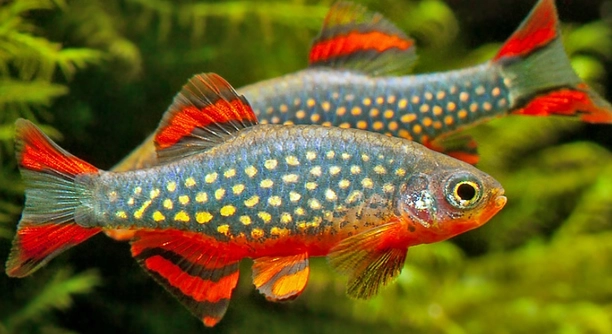
Danios are small, active fish that can brighten any home aquarium. They usually swim energetically and interact well with their surroundings, making them a favorite for many fish enthusiasts who enjoy observing lively aquatic life.
Danios can change behavior abruptly due to a variety of factors, including water quality fluctuations, temperature changes, overcrowding, stress from tank mates, illness, sudden dietary shifts, or environmental disturbances. Each factor influences their activity, feeding, and social patterns significantly.
Learning about these triggers helps owners respond appropriately and maintain a healthy, stable environment for their fish. Understanding these changes ensures a happier and more balanced aquarium community overall.
Sudden Changes in Water Temperature
Danios are highly sensitive to shifts in water temperature. Even a small drop or rise can trigger noticeable changes in behavior. I remember when I first noticed my fish darting erratically after adjusting my heater. They became skittish, swimming rapidly from one corner to another, and sometimes hiding under plants for long stretches. Temperature affects their metabolism and energy levels directly. Colder water can slow them down, making them less active, while warmer water can cause them to swim frantically or gasp near the surface. It’s important to monitor the heater closely and maintain a stable temperature within the recommended range for Danios, generally between 22 to 28 degrees Celsius. Sudden adjustments, even if minor, can stress them, leading to weakened immunity and higher susceptibility to illness. Observing their behavior after any change helps determine if the tank conditions are right and whether gradual adjustments are necessary.
Maintaining steady temperatures reduces stress and keeps Danios swimming naturally.
Gradual adjustments in the aquarium are essential for their well-being. Sudden spikes or drops disturb their normal routine and can cause health problems. I usually change the water temperature in increments of one degree per day, allowing the fish to adapt slowly. This method keeps them calm, reduces frantic movements, and helps maintain their appetite. Watching their behavior gives clues about their comfort level. If they swim near the surface or hide constantly, it may indicate that the water is still too cold or too warm. A reliable thermometer helps track changes accurately, preventing unintentional stress. Temperature fluctuations are one of the most common reasons Danios behave differently, and addressing it promptly ensures they remain active, healthy, and social within the tank. Stable conditions create a more predictable environment where fish can thrive without sudden disruptions.
Overcrowding and Tank Space
Too many Danios in a small tank can lead to aggression and erratic behavior.
Overcrowding limits swimming space and increases competition for food and territory.
A spacious tank with adequate hiding spots allows Danios to move freely. Providing at least ten gallons per five fish helps maintain balance. Overcrowded conditions often result in nipping, chasing, or stressed hiding. I noticed my Danios becoming restless and sometimes lethargic when the tank was too full. Rearranging decorations or adding extra plants gives them more options to escape and feel secure. Additionally, overcrowding raises waste levels quickly, which can affect water quality and further alter their behavior. Monitoring the number of fish relative to tank size and adjusting as needed prevents unnecessary stress. Regular maintenance, including water changes and testing, is also vital to ensure the environment supports healthy activity. Proper spacing improves social interactions and keeps Danios’ natural, lively behavior intact, making the aquarium easier to manage and more enjoyable to watch.
Stress from Tank Mates
Danios can become stressed when housed with aggressive or incompatible fish. Rapid chasing, hiding, and loss of appetite are common signs.
I once added a territorial species to my tank, and my Danios became skittish immediately. They swam frantically, avoiding open areas, and often huddled in corners. Stress affects their immune system, making them more prone to illness. Even subtle bullying, like constant fin nipping, can lead to long-term behavioral changes. Ensuring compatible tank mates and observing interactions daily helps prevent these issues. Small adjustments, like adding plants or rearranging decorations, can reduce conflict.
Long-term stress can make Danios lethargic or overly aggressive toward each other. Over time, this affects their social structure and overall health. I noticed my Danios became less active and skipped regular feeding times. Stress can also stunt growth in younger fish and lead to early signs of disease. Creating separate zones or introducing non-aggressive companions gradually helps maintain harmony. A well-planned tank setup supports healthy interactions and prevents abrupt behavior changes due to social tension.
Introducing new fish gradually, along with monitoring their reactions, is key to reducing stress. Observation helps identify early signs before they escalate into more serious problems. Proper tank management ensures a calm and balanced environment for all fish, keeping Danios active and secure.
Sudden Illness or Disease
When Danios show sudden changes in swimming patterns or appetite, illness is often a factor. Rapid lethargy, clamped fins, or unusual spots indicate health issues.
I experienced a situation where one Danio stopped eating and isolated itself for days. Close observation revealed tiny white spots, signaling early ich infection. Immediate water treatment and isolating the affected fish prevented the spread to the rest of the tank. Illnesses like bacterial infections or parasites can quickly alter behavior, causing stress and impacting the overall group. Prompt attention and proper treatment routines are essential to restore normal activity and prevent fatalities.
Even mild diseases can disrupt tank dynamics. A sick Danio may avoid social interaction, swim erratically, or gasp at the surface. I found that maintaining clean water, quarantining new fish, and regular monitoring helped prevent most issues. Early detection allows for effective medication and reduces the impact on other fish. Observing feeding behavior and movement patterns daily is a practical way to spot subtle signs before they worsen. Proactive care ensures a healthier, more stable aquarium where Danios can thrive without sudden behavioral changes.
Sudden Changes in Diet
Danios may act differently when their diet changes abruptly. Skipping favorite foods or introducing new items can make them hesitant to eat.
I once switched from flakes to frozen foods too quickly, and my Danios refused to eat for a day. Gradual transitions help them adjust without stress.
Water Quality Fluctuations
Poor water quality directly affects Danios’ behavior. High ammonia, nitrite, or nitrate levels can cause frantic swimming, hiding, or lethargy. I noticed my fish became unusually restless after a missed water change. Regular testing and timely partial water changes are essential to maintain stable, safe conditions. Even minor spikes can stress them quickly, so keeping filters clean and monitoring chemical levels ensures they remain active and healthy. A well-maintained tank reduces abrupt behavioral changes and supports natural swimming and feeding patterns. Observing the fish closely helps detect early signs of water-related stress before it escalates.
Sudden Environmental Disturbances
Loud noises, vibrations, or sudden movement near the tank can startle Danios.
They may dart rapidly or hide when their environment changes unexpectedly. Keeping the tank in a calm, stable area helps prevent stress and erratic behavior.
Why are my Danios hiding more than usual?
Danios hide when they feel stressed, threatened, or unwell. Changes in water temperature, sudden movements near the tank, or aggressive tank mates can cause them to seek shelter. I once moved my aquarium to a new room, and my Danios immediately started hiding behind plants and decorations. It took a few days for them to feel comfortable again. Providing ample hiding spots like plants, rocks, or decorations helps them feel secure and reduces stress. Regular monitoring of water quality and behavior ensures that hiding isn’t a sign of illness or ongoing aggression from other fish.
What does it mean when Danios swim frantically?
Erratic swimming is often a response to stress or poor water conditions. I noticed my Danios suddenly darting across the tank when the filter output was too strong. Frantic swimming can indicate high ammonia or nitrite levels, sudden temperature changes, or bullying from tank mates. Adjusting water flow, maintaining proper chemical balance, and separating aggressive fish can help calm them down. Observing how long this behavior lasts is important—short bursts may be normal, but persistent frantic swimming suggests an underlying issue that needs attention to prevent injury or illness.
Why are my Danios not eating?
Loss of appetite is usually linked to stress, illness, or sudden dietary changes. I once switched food types too quickly, and my Danios refused to eat for a full day. Illnesses like parasites or bacterial infections can also cause them to stop feeding. Monitoring their behavior and inspecting for visible signs of disease is crucial. Gradually introducing new foods or using a mix of flakes, frozen, or live options encourages normal eating habits. Maintaining a consistent feeding schedule and avoiding overfeeding helps prevent digestive problems and keeps their behavior stable.
Can temperature changes affect Danios’ behavior?
Yes, Danios are sensitive to temperature shifts. I experienced sudden darting and lethargy when my heater malfunctioned. Colder water slows their metabolism, making them less active, while warmer water can cause frantic swimming or surface gasping. Maintaining a steady temperature between 22 and 28 degrees Celsius is ideal. Using a reliable thermometer and making gradual adjustments prevents abrupt stress and keeps them healthy. Observing their swimming and feeding patterns after temperature changes helps determine whether the tank is stable enough for normal activity.
How do I know if my Danios are stressed by tank mates?
Signs include constant chasing, hiding, fin nipping, or unusual aggression. I once added a slightly larger species, and my Danios became skittish, avoiding open areas and sometimes refusing food. Stress from tank mates can weaken their immune system and reduce activity levels. Ensuring compatibility, providing hiding spaces, and monitoring daily interactions helps prevent prolonged stress. Rearranging decorations or adding plants can create escape zones, allowing each fish to feel safe. Stress-free tank dynamics encourage natural social behavior and prevent abrupt behavior changes among Danios.
What should I do if my Danios get sick?
Early detection is key. I noticed white spots and lethargy in one Danio, signaling ich. Quarantining affected fish and treating the tank immediately prevented the spread. Maintaining clean water, testing chemical levels, and avoiding overcrowding reduces disease risks. Observing feeding habits, swimming patterns, and physical appearance daily allows for early intervention. Following proper treatment protocols and adjusting care routines ensures they recover quickly while protecting other tank inhabitants. Regular observation combined with preventive measures keeps the aquarium healthy and minimizes sudden behavioral shifts caused by illness.
Why do Danios suddenly stop schooling?
Danios are naturally social, so sudden isolation indicates stress, illness, or environmental disruption. I noticed one fish consistently separating after a temperature drop. It may also happen if tank mates are aggressive or water quality is poor. Ensuring optimal conditions and observing individual fish helps restore schooling behavior. Providing adequate space and hiding spots reduces tension, encouraging group swimming. Gradual changes in the tank environment allow Danios to resume normal social activity without abrupt or prolonged stress, keeping the group dynamic stable and harmonious.
Can water changes affect Danios’ behavior?
Yes, sudden or large water changes can stress them. I once replaced half the tank water at once, and my Danios hid for several hours. Gradual water changes and matching temperature and pH to existing water help minimize shock. Maintaining regular partial changes keeps chemical levels stable, reducing erratic behavior and promoting normal swimming and feeding patterns. Observing their response to each change allows for adjustments to prevent stress, ensuring the aquarium remains a comfortable environment for all fish.
How do I prevent abrupt behavior changes in Danios?
Consistency is key. I maintain stable temperature, clean water, compatible tank mates, and gradual diet transitions. Monitoring behavior daily helps identify minor issues before they escalate. Adequate space, hiding spots, and proper nutrition keep them active and healthy. Preventive care, including water testing and quarantine for new fish, reduces stress and illness. Establishing predictable routines, minimizing sudden disturbances, and maintaining optimal conditions ensures Danios remain calm and display natural behaviors, minimizing the chances of abrupt or erratic behavior in the aquarium.
Danios are lively, active fish that bring energy to any aquarium, but they are also sensitive to changes in their environment. Observing their behavior carefully can reveal a lot about their well-being. Small shifts in swimming patterns, appetite, or social interaction often signal that something in the tank needs attention. It could be as simple as a sudden temperature change, overcrowding, or the introduction of new tank mates. Being attentive to these signs helps prevent stress, illness, and long-term problems. Over time, paying close attention to their routines and reactions becomes second nature, and it makes it easier to maintain a stable, healthy environment. Understanding their normal behavior is the first step in identifying when something is off, which is essential for their overall health and happiness.
Maintaining consistent conditions is one of the most important factors in preventing abrupt behavior changes. Water quality, temperature, and tank size all play major roles in keeping Danios calm and active. Even minor fluctuations in ammonia, nitrites, or temperature can cause noticeable stress. Regular water testing and partial water changes help keep the environment stable. Tank size should provide enough space for them to swim freely without crowding, and decorations or plants should be arranged to give them places to hide or explore. Careful planning when adding new fish ensures that social dynamics remain balanced. Proper nutrition also supports their natural activity and immune system, reducing the risk of behavior changes caused by illness or weakness. Small, consistent efforts in daily maintenance go a long way in keeping Danios healthy and lively.
Finally, patience and observation are key to understanding Danios and their behavior. Each fish has its own personality and may respond differently to changes in the tank. Keeping a close eye on them allows you to catch potential issues early, whether they are caused by stress, illness, or environmental changes. Gradual adjustments, whether in water conditions, tank setup, or diet, help them adapt without unnecessary stress. Observing their schooling patterns, feeding habits, and interactions provides valuable insight into their well-being. By being mindful of their needs and maintaining a stable environment, you create a space where Danios can thrive naturally, showing their energetic and social behavior. Over time, this careful approach not only prevents abrupt behavior changes but also makes caring for them a more rewarding and enjoyable experience.

Hello,
If you enjoy the content that we create, please consider saying a "Thank You!" by leaving a tip.
Every little bit helps us continue crafting quality advice that supports the health, happiness, and well-being of pets around the world, for pets of all shapes, sizes, and species.
We really appreciate the kindness and support that you show us!