
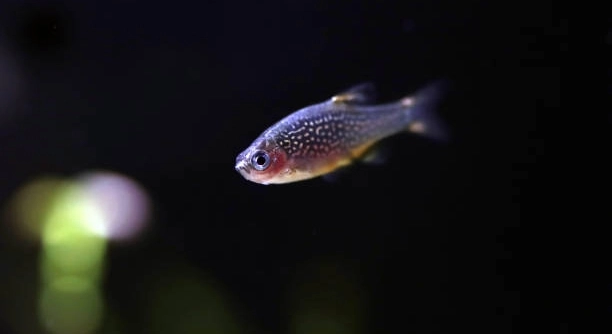
Do you ever find yourself watching your Danios swim in the morning, wondering if they are starting their day comfortably? Morning care is essential to ensure these small fish remain healthy and active in their environment.
Proper Danio morning care begins with monitoring water temperature, checking for debris, and ensuring adequate oxygen levels. Regular feeding schedules, gentle observation, and maintaining clean tank conditions support their well-being and reduce stress in the aquarium.
Establishing a morning routine for your Danios can enhance their health, mood, and energy, creating a more vibrant and balanced aquarium environment.
Checking Water Temperature
Danios are sensitive to sudden changes in temperature, so it is important to monitor their tank in the morning. A stable temperature between 72°F and 78°F helps keep their metabolism steady and prevents stress-related illnesses. I usually keep a small thermometer in the tank and glance at it each morning. If the water feels too cool, I gently adjust the heater by a few degrees, avoiding rapid shifts. This ensures the fish remain active and healthy throughout the day. Even small fluctuations can affect their appetite and swimming patterns, so consistency is key. Besides temperature, it is helpful to check for drafts or sunlight that could suddenly warm the water. Taking a few minutes each morning to verify the temperature sets the tone for the rest of the day and helps maintain a balanced aquarium environment for your Danios. Observing them during this check also gives insight into their overall behavior.
Regular temperature checks prevent stress and keep your Danios lively.
Maintaining proper water temperature is not just about comfort. Danios rely on steady conditions for digestion, growth, and reproduction. Fluctuating temperatures can weaken their immune system, making them vulnerable to common diseases like ich or fin rot. By keeping the tank stable, you create a safer habitat where the fish can display natural behaviors such as schooling, chasing, and exploring. Consistent temperatures also improve oxygen circulation and support beneficial bacteria that help break down waste. For beginners, setting a small daily routine to read the thermometer and make minor adjustments can save hours of troubleshooting later. It’s important to combine this with proper filtration and water changes to maintain overall tank health. Regular observation in the morning helps detect subtle signs of illness, such as clamped fins or reduced swimming, before they become serious problems. Over time, this practice ensures your Danios thrive, remain energetic, and enjoy a calm, stable environment.
Morning Feeding Routine
Start the morning by offering a small portion of high-quality flake or pellet food. Feeding too much can pollute the water.
A balanced morning feeding helps maintain their energy without overloading the tank with excess food. Feeding in small amounts encourages activity and prevents competition among the fish.
Feeding Danios properly in the morning sets the tone for the rest of the day. I typically measure a pinch of food that they can finish in a few minutes. Uneaten food should be removed promptly to avoid ammonia spikes that can harm the fish. Incorporating variety, like occasional frozen or live foods, provides nutrients and keeps them engaged. Observing their feeding behavior can indicate overall health; active, eager fish are usually healthy, while slow or hesitant eaters may need attention. A structured feeding routine also supports consistent water quality by reducing waste buildup. Ensuring your Danios receive the right portion helps them maintain bright colors, good growth, and strong immunity. Consistency in feeding also strengthens their natural rhythm, making them more predictable and easier to monitor over time.
Observing Behavior
Watching your Danios closely each morning helps spot any unusual activity. Lethargy, hiding, or erratic swimming can indicate health problems or water issues that need immediate attention.
Regular observation allows you to notice subtle changes in behavior that may not be obvious later. I make a habit of standing by the tank for a few minutes, noting how each fish moves and interacts. Healthy Danios are active, schooling tightly, and exploring their environment. If a fish separates from the group, swims erratically, or avoids food, it can signal stress, poor water quality, or early signs of disease. Early detection is crucial to prevent problems from escalating. Additionally, observing patterns over time helps track the effectiveness of tank maintenance and feeding routines. Recording these behaviors can provide insight if treatment becomes necessary. Consistent morning checks ensure the tank remains stable, and the fish stay healthy, reducing surprises and emergency interventions.
Maintaining daily observation reinforces your awareness of the fish’s normal routines, making abnormalities easier to detect and address.
Monitoring your Danios also helps manage social dynamics in the tank. Aggression or bullying can cause injuries if left unchecked. By noting how fish interact, I can rearrange decorations or provide hiding spots to reduce stress. Observing swimming patterns can also indicate water flow issues or inadequate oxygen distribution. Healthy Danios move energetically through all levels of the tank, while stressed fish may cling to surfaces or stay at the bottom. Morning observation helps maintain both health and harmony, ensuring all fish thrive in a well-balanced environment.
Cleaning and Maintenance
Removing debris and checking equipment each morning keeps the tank clean and prevents water quality issues.
Routine cleaning prevents buildup of waste, uneaten food, and algae, which can harm Danios. I quickly skim the surface, check filters, and ensure the heater is functioning.
Daily cleaning helps maintain a healthy environment. Accumulated waste can increase ammonia and nitrite levels, stressing the fish and weakening their immune system. I also inspect decorations and plants for dirt or decay, removing anything that could affect water chemistry. Small, frequent maintenance is more effective than occasional deep cleaning, which can disturb beneficial bacteria. Checking filters and pumps ensures water circulation and oxygenation remain optimal. By addressing minor issues immediately, the tank remains stable, water parameters are consistent, and the Danios stay energetic and disease-free. Consistent maintenance also minimizes long-term problems and keeps the aquarium visually appealing while supporting fish well-being.
Checking Water Quality
Testing water parameters each morning ensures a safe environment. pH, ammonia, nitrite, and nitrate levels should remain stable for healthy Danios.
I keep a small test kit nearby and record readings regularly. Early detection of changes prevents stress and illness, keeping the fish active and thriving in a balanced tank.
Adjusting Lighting
Proper lighting supports Danios’ natural rhythm and reduces stress. I turn on the lights gradually to mimic sunrise, avoiding sudden brightness. Consistent light cycles help regulate their behavior, feeding patterns, and overall well-being, while also controlling algae growth in the aquarium.
Removing Uneaten Food
Uneaten food should be removed promptly after feeding. This prevents water contamination and keeps ammonia levels low, ensuring a healthy environment for your Danios.
How often should I check my Danios in the morning?
I observe my Danios every morning, usually for five to ten minutes. This is enough time to notice activity levels, swimming patterns, and any signs of stress or illness. Regular observation helps catch problems early and ensures the tank remains stable.
What is the ideal water temperature for morning care?
Danios thrive in water between 72°F and 78°F. I check the thermometer each morning to make sure the temperature is consistent. Sudden changes can stress the fish, affect their appetite, and weaken their immune system. Gradual adjustments are best if needed.
How much should I feed my Danios in the morning?
A small portion of high-quality flake or pellet food is sufficient. I only give as much as they can finish in a few minutes. Overfeeding pollutes the tank, increases ammonia, and can lead to health issues. Variety in diet with occasional frozen or live food is beneficial.
Should I clean the tank every morning?
Full cleaning every morning is unnecessary, but I remove debris, uneaten food, and check equipment daily. This prevents ammonia spikes and maintains water quality. A quick skim and inspection of filters, plants, and decorations keeps the tank healthy without stressing the fish.
How important is lighting during morning care?
Lighting helps regulate Danios’ natural behavior. I gradually turn on lights in the morning to mimic sunrise. Consistent light cycles support feeding patterns, schooling, and overall well-being, while also limiting algae growth. Sudden changes can cause stress and disrupt their daily rhythm.
What behavior indicates a healthy Danio?
Healthy Danios swim actively, school tightly, and explore all areas of the tank. They eagerly approach food and interact with other fish. Lethargy, hiding, or erratic swimming can indicate stress, illness, or poor water quality. Morning observation helps track these behaviors over time.
What should I do if a fish shows signs of illness?
Isolate the affected fish immediately to prevent spread. Check water parameters and remove uneaten food. Observing symptoms helps determine the appropriate treatment. Consistent morning monitoring ensures issues are noticed early, increasing the chances of successful recovery.
How do I maintain stable water quality?
I test pH, ammonia, nitrite, and nitrate levels regularly. Removing debris and performing small water changes helps maintain stability. Consistent filtration and oxygenation, combined with daily checks, prevent stress and disease in Danios. Monitoring trends over time ensures long-term tank health.
Can morning care prevent stress in Danios?
Yes, structured morning routines reduce stress. Stable temperature, clean water, proper feeding, and gradual lighting help Danios feel secure. Observing behavior allows early intervention for issues, keeping the fish calm, active, and healthy throughout the day.
Is it necessary to record observations each morning?
Recording behaviors and water readings is helpful. It provides a reference to detect trends, notice subtle changes, and evaluate the effectiveness of care routines. I keep a simple log of temperature, feeding, and behavior patterns, which has made problem-solving easier over time.
How do I know if my feeding schedule is effective?
Healthy, active fish that finish their food quickly indicate an effective feeding schedule. Uneaten food should be removed promptly to maintain water quality. I adjust portions based on activity levels and appetite, ensuring all fish get enough nutrition without overfeeding.
How do I balance cleaning and beneficial bacteria?
I avoid aggressive cleaning that disrupts the tank’s ecosystem. Quick removal of waste and spot cleaning maintains water quality while preserving beneficial bacteria. Regular morning checks ensure the tank stays healthy without compromising the bacterial balance necessary for biological filtration.
What should I watch for in social behavior?
Danios are schooling fish and usually swim together. Aggression, isolation, or excessive chasing may indicate stress or overcrowding. Adding hiding spots or rearranging decorations can help. Morning observation allows me to see these patterns and make small adjustments before problems escalate.
How long should morning care take?
A thorough morning routine can take 10–15 minutes. This includes checking water, observing behavior, feeding, cleaning debris, and adjusting lighting. Short, consistent sessions prevent stress and keep the tank stable, creating a healthier environment for the fish.
How can morning care improve overall fish health?
Regular care maintains water quality, ensures proper nutrition, reduces stress, and allows early detection of illness. I’ve noticed that consistent morning routines result in more active, colorful, and healthy Danios, with fewer unexpected health issues over time.
This FAQ addresses common concerns and practical steps for maintaining a healthy morning routine for Danios, ensuring their environment is safe, stable, and supportive of natural behavior.
Proper morning care for Danios is essential for maintaining their health and happiness. Establishing a consistent routine helps ensure that the tank environment remains stable and comfortable for the fish. Simple actions such as checking water temperature, monitoring behavior, feeding appropriate amounts, and removing uneaten food can make a significant difference. Over time, these small daily habits prevent stress, reduce the risk of illness, and promote natural behaviors like schooling and exploring. Paying attention to the fish’s morning activity allows for early detection of any issues, whether related to water quality, social dynamics, or individual health. These routine checks create a sense of predictability in the aquarium, which helps the fish feel secure and reduces anxiety that could otherwise affect their growth and energy levels.
Maintaining water quality is a central part of morning care. Monitoring parameters like pH, ammonia, nitrite, and nitrate ensures the environment remains safe and stable. Even minor fluctuations can affect the fish’s immune system, making them more prone to disease. Daily observation of the tank combined with quick cleaning of debris, uneaten food, and checking filters supports this stability. Gradual lighting in the morning helps regulate the fish’s daily rhythm, encouraging healthy activity and feeding patterns. Feeding small portions and occasionally including frozen or live food provides balanced nutrition without overloading the tank with waste. Consistency in these practices ensures that the Danios remain energetic, display vibrant colors, and interact naturally with one another. Over time, the morning routine becomes a simple but effective way to maintain the aquarium’s overall health and prevent long-term problems.
Finally, observing your Danios each morning strengthens your awareness of their needs and allows you to respond promptly to changes. Behavior such as lethargy, hiding, or erratic swimming can indicate stress, illness, or environmental issues. Early intervention is easier when daily monitoring is in place. Maintaining a structured morning routine also improves the fish’s well-being and supports a harmonious aquarium environment. Small daily efforts like adjusting water temperature, feeding responsibly, cleaning debris, and checking lighting have cumulative benefits that are visible over weeks and months. These steps keep the Danios active, healthy, and thriving. By dedicating a short period each morning to their care, you provide a safe, stable, and comfortable habitat, ensuring the fish live a full and balanced life. Proper morning care is not just about maintenance—it is about creating conditions that allow Danios to flourish naturally.

Hello,
If you enjoy the content that we create, please consider saying a "Thank You!" by leaving a tip.
Every little bit helps us continue crafting quality advice that supports the health, happiness, and well-being of pets around the world, for pets of all shapes, sizes, and species.
We really appreciate the kindness and support that you show us!