
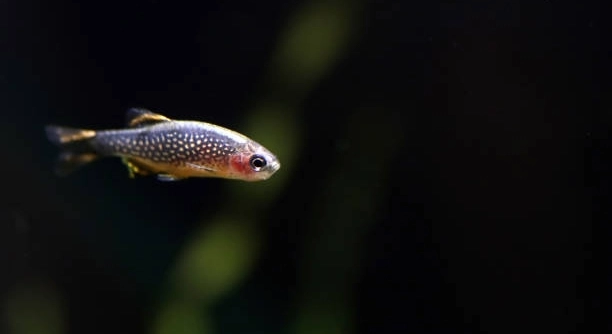
Overcrowding is a common issue in home aquariums, especially for danios, which are active and social fish. Too many fish in one tank can cause stress, disease, and poor water quality, making care more challenging.
Managing danio overcrowding requires careful monitoring of tank size, population density, and water conditions. Regular maintenance, such as partial water changes, proper filtration, and strategic stocking, can help maintain a healthy environment and prevent stress-related health problems.
Learning practical strategies for managing their numbers will help keep danios healthy and happy in your aquarium for years to come.
Assess Your Tank Size
Understanding the size of your tank is the first step to preventing overcrowding. Danios are small, but they are energetic swimmers and need space to move freely. A crowded tank can lead to aggression and poor health. Start by measuring your tank and noting how many danios currently live in it. The general rule is about one inch of fish per gallon of water, but this can vary depending on filtration and plants. Larger tanks give danios room to establish territories and reduce stress. Overcrowding can also increase ammonia and nitrate levels quickly, which can harm both fish and plants. Providing enough space encourages natural behavior like schooling and exploration. Monitor how your fish interact in the current environment. Observe their swimming patterns, feeding behavior, and social interactions. A healthy tank allows for a balanced ecosystem where danios can thrive without causing long-term damage to each other or the habitat.
Properly sizing the tank ensures each danio has enough room, reducing stress and maintaining water quality consistently.
Regularly evaluating tank space helps prevent overcrowding issues before they become serious, supporting long-term fish health and behavior.
Maintain Water Quality
Water quality is critical for managing overcrowded tanks. Dirty water stresses fish and can trigger illness quickly. Frequent water changes and strong filtration systems are essential for keeping ammonia, nitrite, and nitrate levels in check. Even a small imbalance can affect danios’ health and activity. Test your water weekly, check for unusual odors or cloudiness, and remove uneaten food promptly. Overcrowding accelerates waste buildup, so ensuring a consistent cleaning schedule is key. Proper filtration helps oxygen circulate evenly, and live plants can assist by absorbing nitrates and offering hiding spaces. Maintaining stable temperature and pH also supports immune systems, preventing stress-related diseases. Observation is equally important: look for lethargy, clamped fins, or unusual swimming behavior as signs of water-related stress. By prioritizing water quality, you create an environment where danios can thrive even if stocking numbers are higher than ideal, keeping your aquarium balanced and healthy.
Consistent water monitoring prevents common issues and ensures a safe, stress-free habitat for your fish.
Focusing on filtration, partial water changes, and regular testing provides long-term stability. Combining mechanical and biological filtration methods removes debris, toxins, and excess nutrients effectively. Water conditioners and buffers help maintain pH and hardness levels suitable for danios. Integrating live plants and substrate also aids in nutrient absorption, reducing algae growth. Overcrowding can overwhelm any system, so adjusting water flow and filter capacity to match stocking levels is essential. Regular observation ensures early detection of problems, letting you respond before stress or disease spreads. Over time, these measures create a predictable environment, supporting natural behavior, vibrant coloration, and overall vitality in your fish. Proper care of water quality is one of the most effective ways to prevent the negative effects of high-density tanks, making daily maintenance simpler and more effective for healthy, active danios.
Control Feeding
Overfeeding is a common problem in overcrowded tanks. Excess food increases waste and lowers water quality. Feed only what danios can eat in a few minutes and remove leftovers promptly to prevent buildup.
Feeding smaller amounts more frequently helps maintain stable water conditions. Danios are active fish that need regular energy, but excess food can quickly pollute the tank. Uneaten pellets or flakes decompose, raising ammonia and nitrate levels, which stresses fish. Monitor how quickly your danios finish their meals and adjust portions accordingly. Consider using sinking or floating foods based on your tank setup to ensure all fish receive adequate nutrition without leaving leftovers to decay.
Varying the diet improves fish health and reduces competition during feeding. Incorporate high-quality flakes, micro pellets, and occasional frozen or live foods. Feeding a balanced diet keeps danios energetic and resilient, reducing susceptibility to stress. Removing excess food immediately prevents water contamination, and consistent meal times help regulate behavior. Overcrowding makes it easier for water quality to decline quickly, so careful feeding practices are a simple yet effective way to manage density-related stress. Proper portioning and variety support both health and harmony in a busy tank.
Separate Aggressive Individuals
Identifying aggressive danios is essential in crowded tanks. Remove or isolate fish that bully others to prevent injury and stress.
Aggressive behavior often occurs when space is limited. Some danios may chase, nip fins, or dominate feeding areas. Isolating aggressive individuals in a separate tank or adding dividers can calm the community. Observing interactions regularly helps detect patterns before injuries occur. Providing hiding spots with plants or decorations reduces stress and gives shy fish refuge from more assertive tank mates. This step can prevent long-term health issues caused by constant stress, maintaining a more balanced social environment.
Managing aggression improves overall tank harmony. Rearranging decorations and creating territories can reduce conflicts. Sometimes splitting a tank into sections or temporarily relocating aggressive fish is necessary. Monitoring social behavior allows timely interventions. In high-density setups, even minor bullying can escalate quickly, affecting feeding, growth, and immune health. Creating visual barriers and hiding spaces encourages natural schooling and reduces tension. Providing adequate space, varied environments, and careful observation ensures that all fish can coexist with minimal stress, making the tank safer and more enjoyable for your danios.
Add Plants and Decorations
Plants and decorations provide hiding spots for danios, reducing stress and aggression. Dense foliage allows shy fish to retreat while energetic ones can explore, creating a more balanced tank environment.
Decorating the tank also breaks up open swimming areas, which limits constant chasing. Adding rocks, driftwood, or artificial structures gives each fish a small territory, helping reduce conflicts. Plants help absorb excess nutrients, improving water quality and lowering algae growth. Arranging decorations to create visual barriers encourages natural schooling and exploration, making the aquarium feel more spacious despite higher population densities. Properly placed items support both mental stimulation and physical health in crowded tanks.
Monitor Fish Health
Regular observation is essential to catch illness early. Look for unusual swimming, faded colors, or clamped fins, which indicate stress or disease.
Monitoring water parameters alongside fish behavior allows quick response to problems. Even minor changes can signal developing health issues. Overcrowded tanks are more prone to rapid disease spread, so early detection is critical to prevent larger outbreaks.
Consider Tank Expansion
Adding a larger tank or connecting multiple tanks can relieve overcrowding. Increasing water volume reduces stress, provides more swimming space, and improves water quality, making it easier to maintain a healthy environment for all fish.
Reduce Population
Keeping fewer danios in the tank is sometimes necessary. Reducing numbers prevents competition, lowers waste production, and helps maintain stable water conditions, supporting the long-term well-being of the remaining fish.
FAQ
How do I know if my danios are overcrowded?
Signs of overcrowding include aggressive chasing, fin nipping, rapid breathing, and fish hiding frequently. Overcrowded tanks often have cloudy water and rapid algae growth due to excess waste. Observing behavior and water quality regularly helps you detect stress before it becomes serious.
Can too many danios cause disease?
Yes, overcrowding increases the risk of illness. High fish density raises ammonia and nitrate levels, weakening immune systems. Diseases like ich, fin rot, and fungal infections spread quickly in cramped conditions. Maintaining proper filtration, regular water changes, and limiting population are essential preventive measures.
How many danios should I keep per gallon?
A good guideline is one inch of fish per gallon, but active species like danios may require more space. Tank decorations, plants, and filtration efficiency also affect how many can live comfortably. Prioritizing space prevents stress, promotes natural behavior, and keeps water stable.
What is the best way to feed danios in a crowded tank?
Feed small portions that fish can finish in two to three minutes, once or twice a day. Avoid overfeeding, which creates excess waste and pollutes water. Using a variety of high-quality flakes, micro pellets, or occasional frozen foods ensures proper nutrition.
Should I separate aggressive fish immediately?
Yes, aggressive individuals should be isolated if they repeatedly bully others. Dividers, quarantine tanks, or temporary relocation can prevent injury and stress. Observing fish behavior helps identify patterns and gives shy fish a chance to recover in a safer environment.
Do live plants really help in overcrowded tanks?
Live plants improve water quality by absorbing excess nutrients, offer hiding spots, and reduce stress. Dense foliage gives shy danios refuge and breaks visual lines, limiting chasing. Properly arranged plants create natural territories and make a crowded tank feel more spacious.
How often should I check water quality?
Test water at least once a week for ammonia, nitrites, nitrates, pH, and temperature. Overcrowded tanks accumulate waste quickly, so frequent monitoring ensures early detection of issues. Regular partial water changes maintain stable conditions and prevent sudden spikes that harm fish.
Is adding more filtration effective in crowded tanks?
Yes, increasing filtration helps remove waste, improve oxygen circulation, and stabilize water conditions. Combining mechanical and biological filtration ensures debris and toxins are efficiently processed. Filter capacity should match the number of fish to prevent stress and maintain a healthy environment.
Can overcrowding affect danio behavior?
Absolutely. Crowded conditions lead to aggression, hiding, and disrupted schooling. Constant stress reduces activity, weakens immune systems, and can stunt growth. Adequate space, hiding spots, and proper feeding routines help maintain natural, healthy behaviors even in busier tanks.
When is it necessary to reduce the number of fish?
If the tank remains crowded despite decorations, filtration, and water management, removing some danios is necessary. Reducing population decreases stress, lowers waste levels, and allows remaining fish to thrive in a more stable, healthy environment.
What steps prevent overcrowding in the future?
Plan tank capacity before adding new fish. Monitor growth rates, water parameters, and behavior closely. Regular maintenance, proper feeding, and separating aggressive fish help maintain balance. Expanding the tank or connecting additional tanks can accommodate larger populations without compromising health.
Can temporary overcrowding be managed safely?
Short-term overcrowding can be managed with extra filtration, frequent water changes, and careful monitoring. Adding hiding spots and controlling feeding prevents excessive waste and stress. However, it’s best to return to appropriate stocking levels as soon as possible to avoid long-term health issues.
Do decorations alone reduce overcrowding stress?
Decorations help by breaking open swimming areas and creating hiding spots, but they cannot replace adequate space. Combining plants, rocks, and other structures with proper tank size and filtration offers the best solution for overcrowded environments.
How do I maintain water quality with many fish?
Use strong filtration, partial water changes, and live plants to stabilize conditions. Avoid overfeeding, remove debris promptly, and monitor chemical levels weekly. Efficient water management is key to preventing stress, disease, and aggression in crowded tanks.
What are the most important daily tasks for overcrowded tanks?
Feed appropriate portions, remove uneaten food, observe fish behavior, and check water clarity. Quick attention to signs of stress or illness helps prevent bigger problems. Consistency in these tasks ensures a healthier, calmer environment even with higher fish density.
Can overcrowding stunt growth in danios?
Yes, limited space and constant stress can slow growth and weaken immune systems. Providing adequate room, proper nutrition, and clean water allows fish to reach their full size and maintain vitality.
Is it better to expand the tank or reduce fish?
Both options work, but expanding provides long-term space for growth and reduces stress naturally. Reducing population is faster but limits social interaction. Evaluate tank conditions and goals to choose the most effective solution.
How do I rearrange decorations to improve conditions?
Place plants and rocks to create territories and visual barriers. Avoid large open areas where aggressive fish can chase others freely. Rearranging objects encourages exploration and helps shy fish feel secure while reducing conflicts.
What signs indicate overcrowding has been resolved?
Fish swim freely without constant chasing, aggression is minimal, colors are vibrant, and water remains stable. Calm, active behavior indicates a balanced environment where danios are healthy and comfortable.
How long does it take for the tank to stabilize after changes?
It usually takes a few days to weeks for fish to adjust to new arrangements, reduced population, or improved filtration. Monitor behavior and water quality closely during this period to ensure stability.
Are certain danio species more prone to overcrowding stress?
Yes, larger or more active species need more space. Fast swimmers like zebra danios may become aggressive if crowded, while smaller species may tolerate slightly higher densities. Matching species with tank size prevents stress and conflict.
Can overcrowding affect breeding?
Overcrowding can reduce spawning behavior and egg survival. Stress and limited space make it harder for fish to establish territories or perform courtship. Providing sufficient room and hiding spots encourages natural breeding behavior.
How do I safely move fish if reducing population?
Use a clean container with water from the original tank. Handle fish gently to reduce stress and acclimate them slowly to the new environment. Proper care ensures minimal shock during relocation.
Is overcrowding more dangerous for young fish?
Yes, juveniles are more sensitive to water quality changes and aggressive behavior. Overcrowding slows growth and increases mortality risk. Extra space, careful feeding, and monitoring are crucial for young danios’ survival and development.
Can overcrowding cause long-term health issues?
Prolonged stress weakens immune systems, increases susceptibility to disease, and may reduce lifespan. Adequate space, proper feeding, water quality, and careful observation are essential to prevent lasting harm.
Does tank layout impact overcrowding stress?
Yes, layout influences swimming space, territory boundaries, and hiding spots. Thoughtful placement of plants and decorations reduces conflict and encourages natural behaviors, helping fish feel secure even in a fuller tank.
How do I balance fish density and social needs?
Provide enough space for swimming while maintaining appropriate group sizes for schooling behavior. Monitor interactions and adjust population, feeding, and environment to support social cohesion and minimize stress.
Are there signs of recovery after reducing overcrowding?
Fish become more active, swim calmly, regain color, and feed regularly. Stress-related behaviors like hiding or fin nipping decrease, and water quality stabilizes, indicating a healthier, balanced tank.
What is the role of observation in preventing overcrowding problems?
Regular observation allows early detection of aggression, illness, and water issues. Monitoring behavior, color, and swimming patterns helps you make timely adjustments, maintaining a stable, healthy environment for all danios.
How can I maintain balance in a high-density tank long-term?
Combine proper feeding, filtration, plants, decorations, and regular water checks. Limit new additions, manage aggressive fish, and maintain appropriate population levels. Consistency ensures a thriving aquarium even with more active or numerous danios.
Does overcrowding affect danio lifespan?
Chronic stress, poor water quality, and constant aggression can shorten lifespan. Adequate space, careful care, and environmental enrichment support longevity and overall well-being.
Can overcrowding impact fish coloration?
Yes, stress from crowding can dull colors. Reducing density, improving water quality, and ensuring a balanced diet help restore vibrant coloration.
Is it necessary to quarantine new fish in crowded tanks?
Always quarantine new additions to prevent introducing disease. Overcrowded tanks are vulnerable, and early detection of illness protects the existing population.
How do I prevent recurring overcrowding issues?
Plan tank capacity, monitor growth, limit new additions, and maintain water quality. Regular observation, proper feeding, and environmental enrichment keep fish healthy and reduce stress from high density.
What are the easiest signs of stress in danios?
Clamped fins, rapid breathing, hiding, lethargy, and faded colors are immediate indicators. Prompt attention prevents escalation into disease or aggression-related injuries.
How does stress from overcrowding affect feeding habits?
Stressed fish may eat less or compete aggressively. Adjust feeding techniques and portions to ensure all fish receive proper nutrition while minimizing waste and conflict.
Can overcrowding lead to reproductive issues?
Yes, stress and limited space reduce breeding success. Providing adequate room, hiding spots, and stable water conditions supports natural reproductive behavior and egg survival.
What is the first step to fix overcrowding?
Assess tank size, population, and water quality. Decide whether to reduce fish, expand the tank, or improve environmental conditions. Early action prevents long-term stress and health problems.
Are small tanks more prone to overcrowding problems?
Yes, limited volume leads to faster waste buildup, higher stress, and more frequent aggression. Adequate space and efficient water management are critical for small aquariums.
Does rearranging plants affect overcrowding stress?
Yes, strategic placement creates territories and hiding spots. Rearranging plants encourages natural schooling, reduces aggression, and improves overall tank harmony.
How can I tell if my interventions are working?
Fish show calmer behavior, swim freely, feed well, and maintain vibrant colors. Water quality remains stable, and aggression is reduced, indicating effective management of overcrowding.
Can overcrowding cause fin damage?
Yes, constant chasing or nipping in tight spaces can tear fins. Reducing population, isolating aggressive individuals, and providing hiding spots help prevent injuries.
Are aggressive danios more common in crowded tanks?
Yes, limited space increases competition for territory and food. Isolating aggressors and creating visual barriers reduces conflict and stress.
Does overcrowding affect schooling behavior?
Crowding disrupts natural schooling patterns, causing stress and aggression. Providing enough space and hiding spots allows danios to school naturally without constant conflict.
What tools help monitor overcrowding effectively?
Regular observation, water testing kits, and behavior tracking are essential. Keeping notes on fish interactions, growth, and water parameters helps maintain a healthy, balanced environment.
How long after reducing numbers will behavior improve?
Most improvements are visible within days to weeks. Fish become calmer, swim more naturally, and show healthier coloration as stress decreases and water stabilizes.
Can overcrowding cause uneven growth?
Yes, dominant fish may outcompete others for food, leading to smaller, weaker individuals. Adequate space, careful feeding, and separating aggressive fish prevent uneven growth and support overall health.
What is the most effective long-term solution?
Maintain proper stocking levels, prioritize water quality, and create an enriched environment with plants and decorations. Consistent observation and care ensure a healthy tank even with more active species.
Is overcrowding more dangerous in warmer water?
Yes, higher temperatures increase metabolism, waste production, and oxygen demand. Crowded tanks in warm water are more prone to stress, disease, and oxygen depletion, requiring closer monitoring.
How do I keep new fish from worsening overcrowding?
Assess tank capacity before adding new fish, quarantine them, and avoid impulsive purchases. Ensure water quality and space are adequate to support additional individuals safely.
Can overcrowding affect fish temperament permanently?
Long-term stress may lead to persistent aggression or fearfulness. Correcting population density, improving the environment, and providing hiding spots can gradually restore calmer behavior.
Does overcrowding affect tank plants?
Yes, excess waste can lead to algae growth, reduced light penetration, and nutrient imbalances, impacting plant health. Healthy plants help counter these effects but cannot fully replace proper stocking practices.
What are quick fixes for overcrowding stress?
Partial water changes, adding hiding spots, isolating aggressive fish, and careful feeding reduce immediate stress. These measures stabilize the environment while long-term solutions are implemented.
How do I balance aggressive and shy fish in the same tank?
Provide hiding spots, create territories, and monitor interactions closely. Separating aggressive individuals when necessary ensures all fish can coexist without constant stress or injury.
Can overcrowding cause behavioral changes in young fish?
Yes, juveniles may hide excessively, eat less, or fail to grow properly. Extra space, stable water, and careful feeding support healthy development.
How do I prevent overcrowding as danios grow?
Plan for adult size when stocking, monitor growth, and adjust population or tank space accordingly. Early planning avoids stress and health problems in mature fish.
Can overcrowding be resolved without removing fish?
Sometimes, improvements in tank size, filtration, plants, and decoration placement can relieve stress. However, in many cases, reducing population is the most effective solution for long-term health.
Does overcrowding affect water oxygen levels?
Yes, more fish consume more oxygen, and limited circulation can cause low oxygen zones. Efficient filtration, water movement, and plants help maintain adequate oxygen.
What is the best way to observe overcrowding signs daily?
Watch swimming patterns, feeding behavior, coloration, and interactions. Quick daily checks allow early intervention before stress, aggression, or illness escalates.
How long should I quarantine new danios in crowded tanks?
At least two weeks is recommended. Quarantine prevents disease introduction and gives new fish time to adjust without stressing the existing population.
Can overcrowding affect fish appetite?
Yes, stress may cause fish to eat less or compete aggressively. Balanced feeding schedules, proper portioning, and observation ensure all fish get enough nutrition without overfeeding.
Are smaller danio species better for crowded tanks?
Smaller species tolerate slightly higher densities, but overcrowding still increases stress and water quality issues. Proper tank size and care remain critical regardless of species size.
How does overcrowding affect filtration efficiency?
More waste than filtration capacity can handle quickly reduces water quality. Upgrading filters or adding supplementary filtration is necessary in densely stocked tanks.
Do all danios react the same to overcrowding?
No, some are naturally more aggressive or shy. Behavior varies by species and individual personality, influencing how they cope with higher densities.
Can overcrowding lead to sudden fish deaths?
Yes, rapid water quality deterioration, disease, or oxygen depletion can cause fatalities. Timely intervention and proper management prevent sudden losses.
Is there a way to predict overcrowding problems?
Monitoring fish numbers, growth, tank size, water parameters, and behavior allows anticipation of issues before they escalate, ensuring a healthier environment for all danios.
What long-term monitoring practices help maintain balance?
Keep detailed records of water tests, fish behavior, feeding, and population changes. Regular evaluation helps prevent overcrowding stress and maintains overall tank health.
How important is tank layout in preventing overcrowding stress?
Very important. Proper placement of plants and decorations creates territories, reduces chasing, and allows natural schooling, improving overall tank harmony and fish welfare.
Can overcrowding affect fish lifespan permanently?
Chronic stress may shorten lifespan, but improving environment, reducing population, and maintaining water quality can mitigate long-term damage.
How do I know if interventions worked long-term?
Fish swim actively, school naturally, feed regularly, maintain vibrant colors, and aggression is minimal. Stable water quality confirms successful management of overcrowding.
Are there any signs that overcrowding is inevitable?
Rapid waste accumulation, constant aggression, hiding, and poor growth indicate the tank may be at or beyond capacity, signaling a need for population adjustment or tank expansion.
How do I handle overcrowding in planted tanks differently?
Plants help absorb nutrients and offer hiding spots, but monitoring water chemistry and growth is still essential. Maintain proper stocking levels, and use plants strategically to reduce stress and aggression.
Does water temperature change affect overcrowding stress?
Yes, higher temperatures increase metabolism, oxygen demand, and waste production, intensifying stress in crowded tanks. Stable temperature control is crucial.
How often should I rearrange tank decorations?
Only as needed to reduce conflicts, improve hiding spots, or encourage natural schooling. Frequent changes may stress fish, so keep adjustments minimal and thoughtful.
What role does hiding space play in overcrowded tanks?
Hiding spaces reduce aggression, provide refuge for shy fish, and help maintain calm behavior. They are critical for minimizing stress in densely populated environments.
Can overcrowding affect fish coloration permanently?
Prolonged stress can cause lasting dulling of colors, but improving environment, water quality, and nutrition often restores vibrancy over time.
Do all overcrowding issues resolve with population reduction?
Most do, but some behavioral stress may persist. Combining population control with environmental enrichment and water quality maintenance ensures the best results.
Are temporary solutions effective for long-term overcrowding?
Temporary fixes like extra hiding spots or partial water changes help in the short term, but permanent solutions like reducing population or expanding the tank are necessary for long-term health.
Can overcrowding impact other tank inhabitants like snails or shrimp?
Yes, additional waste and stress can affect all tank inhabitants, including invertebrates. Monitoring and adjusting the environment benefits the entire ecosystem.
How do I prevent overcrowding when buying new danios?
Plan ahead, consider adult size, check tank capacity, and avoid impulse purchases. Ensure filtration and space can handle new additions safely.
Is it normal for danios to fight in small numbers?
Some aggression is natural, but persistent bullying often signals limited space. Providing hiding spots and adjusting stocking density reduces conflict.
How do I know when it’s safe to add new fish after reducing overcrowding?
Wait until water quality is stable, behavior is calm, and aggression is minimal. Adding fish too soon can quickly recreate overcrowding issues.
Can overcrowding affect breeding success long-term?
Yes, chronic stress and limited space reduce spawning and egg survival. Providing sufficient room, stable water, and hiding spots promotes healthy reproduction.
Are certain tank shapes better for crowded danios?
Long tanks allow more swimming space and reduce direct confrontations. Taller tanks don’t provide enough horizontal swimming room for active species like danios.
**Does
Managing danio overcrowding requires careful attention to several key factors. The size of your tank, the number of fish, and the quality of the water are all interconnected, and small changes in one area can have a big impact on the overall health of your fish. Overcrowding is not just about numbers; it affects behavior, growth, and even lifespan. Crowded tanks increase stress, lead to aggressive interactions, and make it easier for diseases to spread. Monitoring your fish regularly helps you catch these issues early and make adjustments before serious problems occur. It is important to be realistic about how many fish your tank can support and to plan for their growth and activity level. This proactive approach reduces stress for both the fish and the keeper, and it makes maintaining the tank simpler and more predictable.
Providing an enriched environment is another essential part of managing overcrowding. Plants, rocks, and other decorations create hiding spots and natural territories, which reduce aggression and give shy fish a sense of security. Even in a tank that might feel crowded, strategic placement of decorations can make the space feel larger and help fish swim naturally without constant chasing. Additionally, regular water maintenance and effective filtration are crucial. Clean water supports immune systems and reduces stress, while poor water quality can amplify the negative effects of a high population. Balanced feeding practices are equally important, as overfeeding increases waste and deteriorates water quality quickly. Maintaining consistency in these areas creates stability, allowing danios to behave naturally and remain healthy.
Ultimately, managing overcrowding is about finding a balance between tank space, population, and environmental care. Reducing numbers, expanding the tank, or improving filtration and decorations are all valid ways to address the issue, and sometimes a combination is needed. Observation is a key tool, as it allows you to respond to signs of stress, aggression, or illness promptly. Overcrowding does not have to be a permanent problem if addressed thoughtfully and consistently. By planning ahead, monitoring water quality, adjusting feeding routines, and providing hiding spaces, you can create a healthier and calmer environment for your danios. This approach ensures that your fish remain active, colorful, and thriving while making the aquarium easier to manage and more enjoyable to maintain.

Hello,
If you enjoy the content that we create, please consider saying a "Thank You!" by leaving a tip.
Every little bit helps us continue crafting quality advice that supports the health, happiness, and well-being of pets around the world, for pets of all shapes, sizes, and species.
We really appreciate the kindness and support that you show us!