
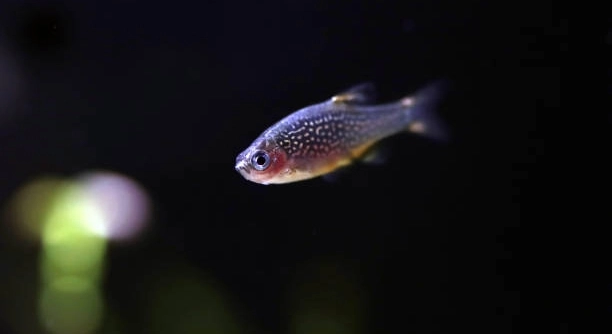
Raising danio fry can be an exciting experience for any aquarist. Watching tiny fish grow from hatchlings into active juveniles requires attention, patience, and a basic understanding of their needs to ensure healthy development and survival.
Successfully raising danio fry relies on maintaining stable water conditions, proper nutrition, and a suitable environment. Providing clean water, consistent temperatures, and small, frequent feedings promotes growth and reduces mortality during the critical early stages of life.
Knowing the essential care steps will make the process smoother and increase the chances of raising strong, healthy fry that thrive in your aquarium.
Understanding Danio Fry Behavior
Danio fry are small, delicate, and highly active. From the moment they hatch, they start exploring their surroundings and searching for food. At this stage, their behavior is mostly instinctual, including swimming constantly and hiding near plants or decorations. Observing them closely helps identify healthy fry versus those struggling with environmental stress. Aggressive movement or constant hiding can indicate issues with water quality, temperature, or feeding frequency. Fry are extremely sensitive to changes in their environment, including sudden light, temperature shifts, or overcrowding. Providing a calm, stable tank with gentle filtration is essential to prevent unnecessary stress. Separating fry from adult fish is also important, as adults may accidentally harm or eat the smaller fry. Early care routines such as frequent but small feedings, monitoring water quality, and ensuring adequate hiding spots help establish strong, active fry. Understanding these behavioral cues allows you to make timely adjustments to maintain a safe and supportive environment for growth.
Observing fry behavior regularly ensures that small problems don’t escalate and affect their health.
Maintaining consistency in feeding and environment allows fry to develop strong swimming patterns and resilience. Young danios thrive when given frequent, appropriately sized meals. In addition, hiding places like moss or fine plants provide security and reduce stress. Gentle water changes prevent harmful waste buildup, keeping ammonia and nitrite levels low. Over time, fry gain strength and begin schooling naturally, which is a sign of healthy development. By noting changes in swimming, feeding, and interaction, adjustments can be made early. Even slight improvements in water quality or feeding routines can have a large impact. Watching these patterns allows for timely intervention, ensuring each fry reaches juvenile stages safely. This consistent observation and care lay the foundation for robust, active adult danios that adapt well to community tanks.
Feeding and Nutrition for Fry
Danio fry require tiny, frequent feedings for optimal growth and development.
Providing high-quality food in small portions multiple times a day ensures that fry receive enough nutrients without fouling the water.
Starting with infusoria or liquid fry foods helps newly hatched fry ingest their first meals. As they grow, gradually introduce finely crushed flakes or specialized micro-pellets. Balanced nutrition supports organ development, strengthens immunity, and encourages rapid growth. Overfeeding can cause water pollution, leading to stress or illness, so careful portion control is critical. Fry are unable to hunt effectively, making small, frequent feedings necessary to meet their energy needs. Tracking growth rates and feeding response helps adjust the diet as fry mature. Nutrition directly affects coloration, activity level, and survival rate, so selecting the right food from the start is vital. Combining live foods like baby brine shrimp with prepared fry diets offers variety and essential nutrients. A structured feeding schedule combined with clean water ensures that fry develop into healthy, vibrant adults capable of thriving in a community aquarium or dedicated tank setup.
Water Quality and Tank Conditions
Maintaining clean, stable water is essential for danio fry survival. Sudden changes in temperature or pH can stress fry and slow growth. Regular small water changes and gentle filtration help create a safe environment.
Monitoring ammonia, nitrite, and nitrate levels prevents harmful buildups. Fry are sensitive to toxins, so keeping water parameters within safe ranges is critical. Consistent temperature, around 24–26°C, and stable pH, near 6.5–7.5, support healthy development. Using a sponge filter or gentle flow reduces strong currents that could exhaust fry while still maintaining oxygenation. Hiding spots like fine plants or moss protect fry from stress and provide a natural environment. Observing water clarity and quality daily allows quick adjustments, preventing issues before they affect growth. These small steps establish a foundation for strong, active fry and reduce mortality during early stages.
A stable, well-maintained tank ensures fry remain healthy, active, and ready to grow into juveniles without unnecessary stress.
Regular maintenance includes partial water changes, careful monitoring, and cleaning substrate. Avoid overfeeding, which can quickly degrade water. Keep tank equipment gentle yet effective, and observe fry behavior after each change to ensure stability. Slow, incremental adjustments to water parameters prevent shock. Even small improvements in filtration or aeration can make a large difference. Maintaining a calm, consistent environment is key to reducing stress-related illnesses. Combine stable water conditions with proper nutrition, and fry thrive with stronger immunity and faster growth. This careful attention to their aquatic environment supports long-term health and increases survival rates.
Tank Setup and Space Requirements
Providing enough space is crucial for danio fry to grow without overcrowding. Fry swim constantly and need room to move freely.
A tank of at least 10 gallons for the first batch of fry reduces stress and allows healthy development. Adding fine-leaved plants or moss gives shelter and encourages natural exploration. Avoid overcrowding by limiting the number of fry per tank and transferring them to larger tanks as they grow. Proper filtration, gentle water flow, and regular monitoring prevent issues with oxygen levels and waste accumulation. Observation of activity patterns helps determine whether the tank size and layout are sufficient.
Decorations and plants offer hiding spots, support natural behavior, and make fry feel secure. Spacing them properly ensures swimming room and prevents accidents. Adjust tank size as fry grow, maintaining comfortable density. This approach promotes healthy growth, reduces mortality, and encourages active, strong fish that adapt well to community conditions later.
Lighting and Temperature Control
Consistent lighting helps regulate danio fry activity and growth. Avoid sudden changes or overly bright lights, which can stress the fry and disrupt feeding schedules.
Maintaining a stable temperature around 24–26°C supports metabolism and immune function. Use a reliable heater and thermometer to prevent fluctuations that can harm delicate fry.
Monitoring Growth and Development
Tracking fry growth helps identify potential health issues early. Measure size and observe activity daily. Healthy fry develop evenly, gain strength, and show natural coloration. Sudden stunted growth or lethargy may indicate water quality problems, nutrition deficiencies, or disease. Timely adjustments improve survival rates and overall development.
Preventing Disease
Regular observation and tank hygiene reduce the risk of disease. Quarantine new fish and avoid overfeeding. Maintaining clean water and a stress-free environment helps fry resist common infections and promotes healthy growth.
FAQ
How often should I feed danio fry?
Danio fry need small, frequent meals throughout the day. Newly hatched fry do best with infusoria or liquid fry foods several times daily. As they grow, you can gradually introduce finely crushed flakes or micro-pellets, maintaining multiple feedings to ensure proper nutrition without polluting the water.
What type of food is best for danio fry?
Initially, very tiny live foods like infusoria, baby brine shrimp, or liquid fry food are ideal. Once fry reach about one centimeter, finely crushed flakes or specialized micro-pellets provide balanced nutrition. Combining live and prepared foods encourages strong growth and healthy immune development.
How often should water be changed?
Partial water changes should be done frequently, around 10–20% every two to three days, depending on tank size and stocking density. Fry are sensitive to ammonia and nitrites, so regular monitoring and small, controlled water changes maintain safe conditions without causing stress.
What tank size is suitable for fry?
A minimum of 10 gallons is recommended for the first batch of fry. This provides enough swimming space and helps prevent overcrowding. As they grow, larger tanks or additional space is needed to reduce competition and support healthy development.
Do fry need hiding places?
Yes, adding fine-leaved plants, moss, or small decorations provides security for fry. Hiding spots reduce stress, encourage natural exploration, and protect fry from accidental injury or aggressive tankmates. Proper placement ensures swimming room while offering protection.
How can I tell if fry are healthy?
Healthy fry are active, swim freely, feed readily, and show consistent growth. Their bodies appear straight, and coloration develops gradually. Lethargy, stunted growth, abnormal swimming, or faded color may indicate water quality issues, improper nutrition, or disease.
Can fry and adult fish be kept together?
It’s generally not recommended. Adult danios may accidentally eat or stress fry. Separating fry in a dedicated tank or breeding net ensures they have a safe environment to grow without interference.
What temperature should the tank be?
Keep water stable around 24–26°C. Sudden fluctuations can stress fry and slow development. Use a reliable heater and thermometer to maintain consistent conditions, which is critical for growth and survival.
How can I prevent diseases in fry?
Maintaining clean water, stable temperature, and proper nutrition is key. Quarantine new fish, avoid overfeeding, and perform regular partial water changes. Observing fry behavior daily helps detect early signs of illness for prompt intervention.
When can fry start eating regular flake food?
Once fry reach about one centimeter in length, you can gradually introduce finely crushed flakes or micro-pellets. Continue supplementing with live or specialized fry food for balanced nutrition during early growth stages.
How important is light for fry?
Moderate, consistent lighting supports activity and feeding patterns. Avoid sudden changes or overly bright lights, which can stress fry. A regular day-night cycle encourages normal behavior and development.
How can I manage growth differences among fry?
Provide adequate space, consistent feeding, and monitor weaker fry. Some growth variation is normal, but overcrowding and competition can slow smaller fry. Gentle care and attention help all fry develop into strong, healthy juveniles.
What signs indicate water quality problems?
Cloudy water, unusual behavior like gasping, lethargy, or stunted growth can indicate poor water quality. Regularly test ammonia, nitrite, and nitrate levels and perform small water changes to maintain a safe environment.
How do I transition fry to a community tank?
Wait until fry are large enough to avoid being eaten, usually after several weeks of growth. Acclimate them slowly to the community tank’s temperature and water parameters. Ensure the tank has hiding spots and minimal aggressive species.
How long does it take for fry to grow into juveniles?
Typically, danio fry reach juvenile size in 4–6 weeks with proper care. Growth depends on water quality, nutrition, and tank conditions. Monitoring development ensures timely adjustments to feeding and environment for healthy progression.
What is the best filtration for a fry tank?
Use a gentle sponge filter or low-flow filtration to avoid strong currents that could exhaust fry. This ensures clean, oxygenated water without harming delicate fish, maintaining a stable and safe environment for growth.
Can I use tap water for fry?
Yes, if treated to remove chlorine or chloramine. Conditioning water is essential to prevent stress or chemical exposure, which can harm fry. Regular testing ensures parameters stay within safe ranges.
How important is monitoring fry daily?
Daily observation is crucial. Fry are fragile and respond quickly to changes in water, nutrition, or environment. Catching issues early, such as abnormal behavior or feeding problems, improves survival and promotes steady growth.
Should I remove uneaten food?
Yes, removing uneaten food prevents water contamination, which can lead to ammonia spikes or disease. Small, frequent feedings reduce waste and maintain clean, safe conditions for fry.
How can I improve fry survival rates?
Maintain clean water, stable temperature, proper nutrition, adequate space, and gentle tank conditions. Regular monitoring and timely adjustments to environment and feeding significantly increase fry survival, growth, and long-term health.
Raising danio fry requires patience, attention, and careful observation. From the moment they hatch, fry are delicate and need a stable, supportive environment to thrive. Consistent water conditions, proper nutrition, and appropriate tank setup all play critical roles in their early development. Even small changes in temperature, water quality, or feeding routines can affect their growth, so monitoring these factors regularly is essential. Providing hiding spots and maintaining gentle water flow helps reduce stress, allowing fry to swim and feed naturally. Over time, this careful attention encourages healthy development, strong immunity, and active behavior, which are all signs that the fry are growing well.
Nutrition is one of the most important aspects of raising danio fry. They require frequent, small meals to support rapid growth and energy needs. Starting with infusoria or liquid fry foods ensures newly hatched fry can feed successfully. As they grow, introducing finely crushed flakes or specialized micro-pellets provides balanced nutrition and helps strengthen their immune systems. Combining live and prepared foods can support optimal development, improving coloration, swimming ability, and overall health. Overfeeding should be avoided, as it can quickly degrade water quality and introduce stress. Observing how fry respond to feeding allows adjustments to portions and frequency, ensuring they receive adequate nutrients while keeping their tank clean and safe.
Attention to tank conditions, space, and equipment is equally important. Using a stable heater, gentle filtration, and appropriate lighting creates a comfortable environment that supports fry growth. A minimum tank size with enough swimming room reduces competition and prevents overcrowding, while plants or moss provide security and natural hiding places. Regular water testing and partial changes maintain safe ammonia, nitrite, and nitrate levels, which are critical for survival. Daily observation of behavior, growth, and activity helps identify potential issues early, allowing for timely adjustments. With careful management of nutrition, water quality, and tank setup, fry have a higher chance of developing into strong, healthy juveniles, making the process more successful and rewarding.

Hello,
If you enjoy the content that we create, please consider saying a "Thank You!" by leaving a tip.
Every little bit helps us continue crafting quality advice that supports the health, happiness, and well-being of pets around the world, for pets of all shapes, sizes, and species.
We really appreciate the kindness and support that you show us!