
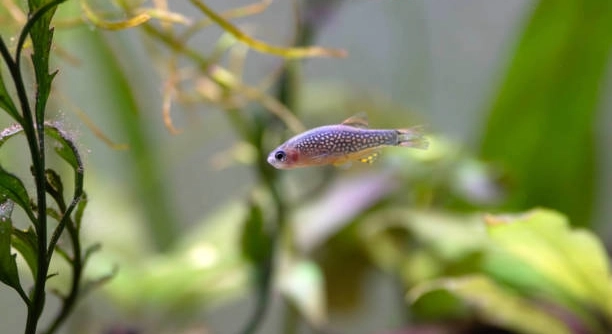
Are your danios showing signs of cloudy eyes, making it hard to enjoy their bright, active presence? Cloudy eyes are a common concern for aquarium enthusiasts and can indicate several underlying issues affecting fish health.
Cloudy eyes in danios are primarily caused by bacterial infections, poor water quality, nutritional deficiencies, physical injuries, stress, parasites, or environmental imbalances. Identifying the exact cause is essential to provide proper treatment and maintain healthy aquatic conditions.
Recognizing the early signs of cloudy eyes can prevent more serious health problems and help your danios thrive in a clear, safe environment.
Bacterial Infections
Bacterial infections are a frequent cause of cloudy eyes in danios. They often develop when the fish’s immune system is weakened, commonly due to poor water conditions or stress. These infections can spread quickly in crowded tanks, making it important to identify symptoms early. Cloudiness in the eyes may be accompanied by redness, swelling, or unusual behavior such as lethargy and loss of appetite. Treating bacterial infections usually involves isolating affected fish and applying appropriate antibacterial medications. Consistent water changes and maintaining proper tank hygiene are crucial in preventing these issues. Some danios may recover fully if treated promptly, but delayed action can lead to permanent eye damage or even mortality. Monitoring your fish daily helps detect subtle changes before they escalate. A clean environment, balanced diet, and minimal stress can significantly reduce the risk of infections. Always follow the medication instructions carefully to ensure effective recovery without harming other tank inhabitants.
Bacterial infections can cause permanent damage if untreated, so prompt identification and treatment are essential for maintaining healthy eyes.
Early prevention is key. Maintaining water quality, avoiding overcrowding, and ensuring a nutritious diet can limit bacterial growth. If signs appear, isolate affected danios and begin treatment immediately. Regular observation and tank maintenance are critical steps in reducing the likelihood of infection spreading throughout the aquarium.
Poor Water Quality
Poor water quality is a common reason danios develop cloudy eyes. High levels of ammonia, nitrite, or nitrate can irritate the eyes and weaken the immune system.
Maintaining stable water parameters requires frequent testing, regular water changes, and careful monitoring of filtration systems.
Even small fluctuations in pH, temperature, or chemical composition can stress danios and contribute to eye problems. Excess waste, leftover food, and decaying plants can all degrade water quality, increasing the risk of eye cloudiness. Proper filtration is essential to remove toxins, while regular partial water changes help maintain a safe environment. It’s also important to avoid overfeeding, as uneaten food accelerates ammonia and nitrite buildup. By keeping the water clean and stable, danios are less likely to suffer from infections or eye irritation. Observation is crucial—look for changes in swimming behavior or cloudy eyes early, as they often indicate the need for immediate water maintenance. A consistent routine of testing, cleaning, and adjusting conditions supports long-term health and clearer eyes in your danios.
Nutritional Deficiencies
A lack of essential vitamins and nutrients can lead to cloudy eyes in danios. Diets low in vitamin A, carotenoids, and other key nutrients often result in weakened eyes and overall poor health.
Providing a varied diet that includes high-quality flakes, pellets, and occasional live or frozen foods ensures danios receive necessary nutrients. Vitamin-enriched foods support eye health, immune function, and coloration. Over time, consistent nutritional support can prevent eye cloudiness and other health issues. It is important to avoid relying solely on one type of food, as monotony can lead to deficiencies. Feeding small, balanced portions daily helps maintain steady nutrition and prevents overfeeding, which can degrade water quality. Supplementing with occasional vegetables like spinach or peas can add beneficial vitamins and fiber. Careful observation of fish behavior and appearance can indicate whether dietary adjustments are needed.
Regularly updating the diet and including supplements when necessary will improve your danios’ eye clarity and overall vitality.
Balanced nutrition not only prevents cloudy eyes but also strengthens the fish against infections. Proper feeding routines, combined with quality food, directly impact eye health and longevity.
Physical Injuries
Physical trauma can cause eye cloudiness in danios. Bumps, scratches, or fights with tank mates may damage the cornea, resulting in temporary or permanent cloudiness.
Immediate attention to tank layout and monitoring aggressive behavior can reduce injury risks.
Sharp decorations, overcrowding, and overly active tankmates increase the chances of injuries. Danios may scratch against rough surfaces or collide with objects while swimming, which can harm their eyes. Maintaining a safe environment with smooth decorations, adequate space, and hiding spots helps prevent accidents. Observing how fish interact ensures that aggressive individuals do not harm others, reducing the likelihood of eye damage. If an injury occurs, isolate the affected fish to allow recovery and minimize infection risks. Using antibacterial treatments when minor injuries appear can aid healing. Careful maintenance of tank conditions and regular observation provide a safer, calmer environment, which directly supports eye health.
Stress
Stress in danios can lead to cloudy eyes. Overcrowding, sudden changes in water conditions, or aggressive tankmates often cause prolonged stress, which weakens the immune system and makes fish more susceptible to eye problems.
Reducing stress involves providing hiding spots, maintaining stable water parameters, and avoiding sudden changes in lighting or temperature.
Parasites
Parasites can attach to the eyes or skin of danios, causing cloudiness and irritation. Common parasitic infections include protozoans and flukes, which may appear as small spots or cloudy layers over the eyes. Prompt treatment with antiparasitic medication and isolation of affected fish can prevent spread and permanent eye damage. Maintaining clean water and avoiding introducing new fish without quarantine reduces parasite risks. Regular observation is crucial, as early detection allows for more effective treatment and faster recovery. Healthy water conditions and proper nutrition also support the fish’s ability to resist parasitic infections naturally.
Environmental Imbalances
Changes in temperature, pH, or water hardness can stress danios and contribute to cloudy eyes. Maintaining consistent and suitable conditions for the species is essential to prevent eye problems.
What are the first signs of cloudy eyes in danios?
Cloudy eyes usually appear as a whitish or hazy layer over the cornea. You may notice that your danio’s eyes lose their usual clarity and shine. Other subtle signs include changes in swimming behavior, reduced appetite, or rubbing against objects in the tank. Detecting these signs early is important because prompt attention can prevent further damage. Daily observation of your fish allows you to spot small changes before they develop into bigger health problems.
How can I treat cloudy eyes caused by bacteria?
Bacterial infections require prompt action. Isolate affected fish in a quarantine tank to prevent the infection from spreading. Use a reliable antibacterial medication following the instructions carefully. Maintain clean water conditions and stable temperature to support the fish’s recovery. Avoid overfeeding during treatment to prevent water quality issues. Frequent monitoring will help determine if the medication is working and whether the fish’s eyes are improving. Complete the full treatment even if the eyes appear clearer early to prevent a relapse.
Can cloudy eyes be reversed if caused by poor water quality?
Yes, improving water conditions can often reverse cloudiness if it hasn’t caused permanent damage. Perform regular partial water changes, test water parameters, and ensure filtration is functioning well. Remove uneaten food and decaying plants to reduce ammonia and nitrite levels. Consistent maintenance and stabilization of pH, temperature, and hardness are essential. Once the environment improves, the fish’s immune system can recover, and cloudy eyes may gradually clear. Preventing future water quality issues is key to long-term eye health.
Are certain foods better for preventing cloudy eyes?
A balanced diet rich in vitamins A, C, and carotenoids helps maintain healthy eyes. High-quality flakes and pellets, supplemented with live or frozen foods like brine shrimp or daphnia, provide essential nutrients. Occasional vegetables such as spinach or peas add extra vitamins. Avoid feeding only one type of food, as this can lead to deficiencies. Proper nutrition strengthens the immune system, making fish less prone to infections and eye problems. Maintaining a regular feeding schedule also helps prevent water contamination and stress.
How do I reduce stress to prevent cloudy eyes?
Stress can weaken the immune system and make danios more susceptible to eye issues. Provide hiding spots, avoid overcrowding, and keep water conditions stable. Sudden changes in lighting or temperature should be minimized. Observing how fish interact can help identify aggressive tankmates. Calm, stable environments help maintain eye health and overall vitality.
Can injuries cause permanent cloudiness?
Yes, physical injuries from collisions or aggressive tankmates can damage the cornea, sometimes leading to permanent cloudiness. Isolate injured fish and ensure the tank environment is safe and smooth. Minor scratches may heal with proper care and antibacterial treatment, but deep injuries can leave lasting damage. Preventing injuries through proper tank setup is always better than treating them after the fact.
When should I consult a veterinarian?
If cloudy eyes persist despite improved water conditions, proper diet, and treatment, consulting a veterinarian specializing in fish is recommended. A professional can identify underlying infections, parasites, or systemic issues that may not be visible. Prompt veterinary advice increases the chances of recovery and helps prevent further complications.
How can I prevent cloudy eyes in the future?
Regular maintenance is key. Keep water clean, monitor parameters, feed a varied diet, and avoid overcrowding. Observe your danios daily for early signs of stress, injury, or illness. Quarantine new fish before introducing them to the main tank. By combining preventive care with prompt treatment when issues arise, you can maintain clear, healthy eyes in your danios for the long term.
Cloudy eyes in danios are a common issue that can signal different health or environmental problems. Understanding the potential causes is the first step in keeping your fish healthy. Factors such as bacterial infections, poor water quality, nutritional deficiencies, stress, parasites, physical injuries, and environmental imbalances all play a role in eye cloudiness. By identifying which factor is affecting your danios, you can take the right steps to correct the problem and prevent it from worsening. Observing your fish regularly and noting small changes in behavior or appearance helps catch problems early. Early intervention is often the difference between a simple fix and a more serious, long-term issue.
Maintaining stable and clean water is one of the most important actions to prevent cloudy eyes. Regular water changes, proper filtration, and monitoring chemical levels create a healthy environment for danios. Avoid overfeeding and remove uneaten food promptly, as these can quickly degrade water quality. In addition to water care, a balanced diet that includes a variety of flakes, pellets, and occasional live or frozen foods ensures your fish get the nutrients they need for strong immune systems and healthy eyes. Supplements or occasional vegetables can help fill in any nutritional gaps. A well-fed, unstressed fish is much less likely to develop eye problems.
Reducing stress and preventing injuries are equally important for clear, healthy eyes. Providing hiding spots, avoiding overcrowding, and keeping aggressive fish separate can reduce the chances of stress-related or injury-related cloudiness. If any signs of infection or parasites appear, isolating affected fish and applying appropriate treatment quickly is essential. Combining preventive care, proper diet, safe tank conditions, and careful observation creates a supportive environment for your danios. By consistently applying these practices, you can minimize the risk of cloudy eyes, support long-term health, and enjoy the active, vibrant behavior that makes keeping danios rewarding.

Hello,
If you enjoy the content that we create, please consider saying a "Thank You!" by leaving a tip.
Every little bit helps us continue crafting quality advice that supports the health, happiness, and well-being of pets around the world, for pets of all shapes, sizes, and species.
We really appreciate the kindness and support that you show us!