
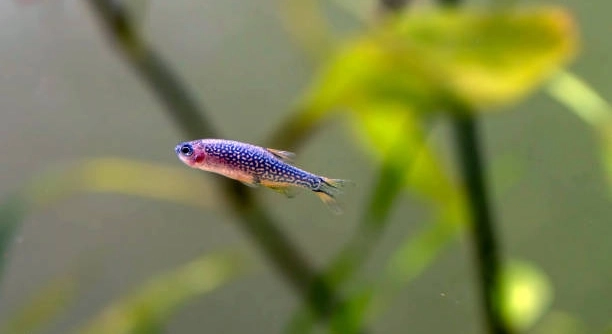
Are your danios not spawning as expected despite having a seemingly perfect tank setup? Many aquarium enthusiasts face this challenge when certain additions unintentionally disturb the natural breeding environment of these lively fish.
Several common tank additions, including aggressive tank mates, dense plants, strong water currents, artificial lighting, chemical treatments, heaters, and oversized decorations, can interfere with danio spawning. These elements alter water conditions, stress the fish, and disrupt normal reproductive behaviors.
Identifying and adjusting these factors can help restore a suitable breeding environment and improve the chances of successful spawning in your tank.
Aggressive Tank Mates
Some fish in your tank may appear harmless but can cause stress for danios, preventing them from spawning. Species that chase, nip, or intimidate smaller fish disrupt the calm environment danios need. Even mild aggression can be enough to stop mating behaviors. Observation is key to identifying which fish cause tension, as subtle chasing or cornering often goes unnoticed. Reducing or removing these aggressive species allows danios to swim freely and display natural courtship behaviors. Tank layout can also influence interactions, so separating territories may reduce conflicts.
Stress from aggressive tank mates affects danio health and reproduction significantly. Keeping a peaceful community helps maintain a proper breeding environment.
If your danios seem skittish or hide frequently, it’s likely the tank population is too competitive. Adjusting species or creating visual barriers can create safe spaces and encourage spawning without constant interference. Consistent monitoring helps ensure the tank remains balanced for all residents.
Dense Plants
Overcrowding a tank with dense or tall plants can limit swimming space and reduce light circulation, both important for danio spawning. While plants provide hiding spots for fry, excessive coverage prevents proper courtship. The fish may feel trapped or stressed, causing them to avoid mating entirely. Strategic plant placement is important; leaving open swimming areas near the surface encourages natural behavior. Using fewer plants or trimming thick growths can restore openness, allowing danios to move freely while still offering some protective cover for eggs.
Dense plants can interfere with water flow, further impacting spawning.
Balancing plant density helps maintain environmental cues danios rely on. Open areas simulate natural rivers, where these fish spawn in moderate currents. Providing some plant clusters ensures fry have shelter without restricting adult movements. The right mix of open space and vegetation promotes healthy breeding and reduces the chance of eggs being eaten or eggs failing to develop. Adjusting plant density gradually allows danios to acclimate and regain spawning behaviors.
Strong Water Currents
Strong currents can make it difficult for danios to swim and maintain position while spawning. Fast-moving water tires them out and disrupts natural courtship behaviors, leading to fewer eggs being laid or fertilized.
Danios are small, agile swimmers, but overly strong currents create stress. They may avoid spawning areas or stick to corners to conserve energy. Currents can also wash away eggs before they settle, reducing survival rates. Adjusting the filter or using flow deflectors can create calmer zones for mating. Observing their swimming patterns helps identify areas where water movement needs moderation.
Even moderate currents can impact egg development if they push eggs into unsafe locations. Spawning areas should be gentle, with minimal disturbance. Careful positioning of rocks, plants, or foam barriers can break the flow while keeping filtration effective. This balance ensures both water quality and a stress-free environment for reproductive behavior.
Artificial Lighting
Constant bright lighting can stress danios and suppress spawning instincts. Natural light cycles are important for signaling breeding periods, and overly bright tanks disrupt this rhythm.
Artificial lighting that remains on too long confuses biological clocks, affecting hormone levels related to reproduction. Danios need a consistent day-night cycle to trigger courtship and egg-laying behaviors. Reducing lighting intensity or using a timer helps mimic natural conditions, encouraging spawning.
Lighting placement matters as well. Lights too close to the water can create hot spots, while uneven illumination can push fish toward darker corners, reducing interaction. A balanced, consistent schedule combined with dimmed areas encourages natural behavior and increases the likelihood of successful mating. Adjusting light duration gradually allows danios to acclimate without sudden stress.
Chemical Treatments
Chemical treatments in the tank can harm danios’ reproductive systems. Even mild medications or water conditioners may interfere with hormone balance, preventing successful spawning.
Residues from previous treatments or improperly dosed chemicals create stress. Eggs and fry are especially sensitive, and exposure can reduce survival rates significantly.
Heaters
Incorrectly set heaters can disrupt temperature stability. Danios need consistent, moderate temperatures to trigger spawning. Fluctuating warmth causes stress and can delay or prevent breeding entirely.
Maintaining a steady range and avoiding sudden shifts ensures the tank environment supports natural reproductive cycles. Temperature consistency is key to healthy egg development.
Oversized Decorations
Large or bulky decorations limit swimming space and obstruct visual cues necessary for mating. Danios require open areas to perform courtship displays properly.
Overcrowded tanks with oversized décor cause fish to hide or avoid interactions. Removing or resizing decorations helps restore space and encourages natural spawning behavior.
FAQ
Why are my danios not spawning even though the tank looks fine?
Even if the tank appears suitable, hidden stressors like aggressive tank mates, strong currents, dense plants, or fluctuating temperatures can prevent spawning. Danios need a calm environment, consistent conditions, and enough open space to display natural mating behaviors. Minor disturbances often go unnoticed but can significantly impact reproduction.
Can tank decorations really affect danio breeding?
Yes. Large or bulky decorations reduce swimming space and block visual cues needed for courtship. Danios perform mating rituals in open areas, and limited movement can prevent them from pairing or laying eggs properly. Smaller or strategically placed décor can create safe zones without interfering with natural behavior.
Does lighting influence spawning?
Absolutely. Danios rely on natural day-night cycles to trigger reproductive hormones. Constant bright lights or irregular schedules disrupt this rhythm, stressing the fish and delaying spawning. Using timers and dimmed areas helps mimic natural conditions, supporting healthy breeding behavior.
How do water currents impact danio reproduction?
Strong currents exhaust danios and interfere with egg placement. Even moderate flow can push eggs away from safe surfaces, reducing survival. Adjusting filters or using flow deflectors creates calmer zones for mating, allowing eggs to settle and fry to develop safely.
Are chemical treatments safe during breeding?
Many chemicals, including medications or water conditioners, can stress danios and affect hormone balance. Eggs and fry are highly sensitive, and exposure may reduce survival rates. Only use treatments when absolutely necessary, and ensure proper dosing to minimize risks during spawning periods.
What role does tank temperature play?
Consistent, moderate temperature is critical for spawning. Sudden fluctuations stress the fish and can delay mating or harm eggs. Maintaining stable conditions and avoiding abrupt changes ensures a healthy environment that supports natural reproductive cycles.
Can tank mates interfere with breeding?
Yes. Aggressive or overly active fish chase or intimidate danios, preventing courtship. Even subtle harassment increases stress and reduces egg production. Keeping peaceful species and separating incompatible fish allows danios to feel safe and encourages natural spawning behaviors.
Do danios need plants for spawning?
Some plants provide cover for eggs, but excessive growth can block swimming space and reduce light, hindering mating. A balance of open areas and scattered vegetation allows safe egg-laying without restricting adult movement. Trimming dense plants can improve breeding success.
How often should I monitor spawning conditions?
Regular observation is key. Watch for signs of stress, hiding, or abnormal swimming patterns. Adjusting tank layout, lighting, or water flow based on observations ensures conditions remain conducive to breeding. Consistent monitoring improves the likelihood of successful spawning and healthy fry.
What is the best way to encourage danios to spawn?
Create a calm, open environment with minimal aggression, moderate currents, stable temperature, and a proper day-night light cycle. Use strategic plant placement for egg protection and avoid unnecessary chemicals. Observing behavior and adjusting the tank as needed promotes successful mating naturally.
How can I protect the eggs and fry?
Eggs are vulnerable to strong currents, chemicals, and other fish. Provide gentle water flow, reduce stressors, and consider breeding-specific zones or separators. Light plant coverage offers hiding spaces for fry without restricting adult swimming. Ensuring these conditions supports healthy development and higher survival rates.
What signs indicate successful spawning?
Successful spawning includes active courtship displays, paired swimming near the surface, and visible eggs attached to plants or substrate. Fry will hatch within a few days if conditions remain stable. Observing these behaviors confirms that the tank environment supports reproductive success.
Final Thoughts
Creating the right environment for danios to spawn requires attention to multiple small factors that are often overlooked. Aggressive tank mates, overly strong currents, and dense plants all affect the fish in ways that may not be immediately obvious. Even minor disturbances can cause stress, which directly impacts breeding behavior. Observing your fish daily can reveal subtle signs of tension, such as hiding, erratic swimming, or reduced activity. Addressing these factors early helps restore a calmer environment that encourages natural courtship and egg-laying. By carefully adjusting tank dynamics, you give your danios the best chance for successful reproduction while maintaining overall health and vitality in the aquarium.
Lighting, temperature, and chemical treatments are other critical elements to consider. Danios rely on natural day-night cycles to trigger reproductive behavior, and constant bright lighting or irregular schedules can disrupt hormonal signals needed for spawning. Temperature fluctuations, even small ones, cause stress that slows mating activity and can harm developing eggs. Similarly, chemical treatments intended for water quality or disease prevention can unintentionally interfere with reproduction. Monitoring these conditions closely and maintaining stability in the tank ensures that the fish remain comfortable and able to engage in normal breeding behavior. Simple measures like timers for lights, properly set heaters, and cautious use of chemicals can make a significant difference in promoting a healthy spawning environment.
Tank layout and decoration choices also play an important role in reproductive success. While plants provide necessary cover for eggs and fry, overcrowding with tall or dense vegetation can block swimming areas and reduce interaction among danios. Large decorations can create obstacles that prevent natural courtship displays or make fish feel trapped, further discouraging mating. Balancing open spaces with scattered hiding spots creates an environment that supports both safety and freedom of movement. Thoughtful planning of plant placement and decorative items allows fish to interact naturally while protecting eggs, ultimately increasing the chances of successful spawning. Paying attention to these details, alongside proper tank mates, water flow, and environmental stability, ensures that your danios are in an optimal setting to thrive and reproduce.

Hello,
If you enjoy the content that we create, please consider saying a "Thank You!" by leaving a tip.
Every little bit helps us continue crafting quality advice that supports the health, happiness, and well-being of pets around the world, for pets of all shapes, sizes, and species.
We really appreciate the kindness and support that you show us!