
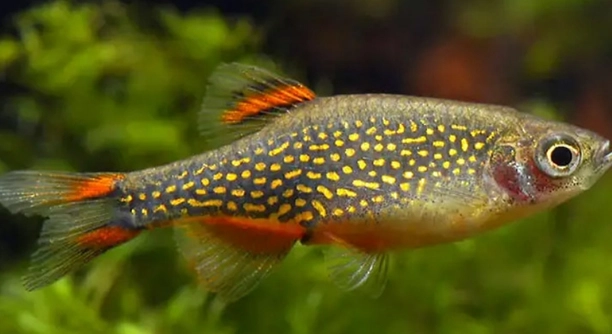
Danios and shrimp often share the same aquarium, creating a lively environment. Their interactions range from playful chasing to careful foraging, adding both movement and interest to a tank. Observing these small creatures can be quietly entertaining and calming.
Danios and shrimp exhibit several notable interactions that influence their behavior and well-being. These include foraging dynamics, territorial responses, schooling behavior, and subtle forms of communication. Studying these interactions provides insight into their social structures and aquarium compatibility.
These behaviors go beyond simple coexistence and reveal surprising ways these species affect each other’s daily routines and overall activity within the aquarium.
Playful Chasing
Danios are naturally energetic swimmers, and shrimp often become part of their playful exploration. In my tank, I’ve noticed danios darting around plants while shrimp cautiously move along the substrate. This behavior isn’t aggressive most of the time, but it shows how danios test their environment. The shrimp respond by hiding in corners or under leaves, sometimes freezing in place. Watching these interactions helps me understand both species’ comfort levels. The chasing is quick and sporadic, often lasting only a few seconds before both return to their normal activities. Over time, I observed that shrimp become less startled as they recognize the danios’ patterns, and the danios adjust their swimming paths. These playful chases create movement in the tank that makes feeding and cleaning more interesting. It’s a small but noticeable part of how these two species coexist, showing balance in energy levels and awareness.
Even though the chasing is sudden, it rarely causes injury or stress when the tank is well-planted and spacious.
The interaction between danios and shrimp through chasing adds energy and rhythm to the aquarium. Danios encourage shrimp to move more cautiously, while shrimp provide a dynamic target that stimulates the danios’ swimming behavior. Both species adjust over time, establishing an unspoken understanding that allows coexistence. The chase also promotes exercise, which benefits the health of the shrimp and the fitness of the danios. In a tank with enough hiding spaces and open swimming areas, these chases are short and harmless. Observing these movements can be calming yet engaging, showing that even small interactions shape the tank’s ecosystem.
Foraging Together
When food is added, danios and shrimp often forage in the same areas, sometimes side by side.
Shrimp tend to nibble on leftovers while danios quickly consume floating food. Their patterns rarely overlap aggressively, allowing both to feed efficiently.
Watching them forage together shows how species can share resources without conflict. Shrimp clear particles from surfaces, while danios target floating flakes. This complementary behavior keeps the tank clean and supports each species’ dietary needs. I’ve seen that shrimp often follow areas where danios have disturbed the substrate, picking up small leftovers. Danios benefit from the shrimp clearing spaces that might otherwise be hidden by debris. Their feeding times create a rhythm in the tank that’s subtle but consistent. In a well-maintained aquarium, this joint foraging helps maintain balance, ensuring that no area is left untouched and that both species receive nutrition. Observing these moments gives insight into their natural instincts and adaptive behaviors, revealing a quiet, efficient teamwork that strengthens their coexistence over time.
Hiding and Shelter
Shrimp often hide among plants or decorations when danios swim nearby. This behavior reduces stress and allows both species to feel secure in the tank.
Hiding is a natural defense for shrimp. In my aquarium, I notice them retreating under leaves, rocks, or small caves whenever the danios swim close. This doesn’t indicate aggression but an instinct to stay safe. Over time, shrimp become more confident, leaving hiding spots for short periods. Danios, in turn, learn not to disturb the shrimp constantly. The balance between activity and retreat helps maintain harmony in the tank. Providing adequate hiding spots ensures shrimp can forage and explore without constant stress, which also keeps danios active and engaged. This interaction demonstrates that space and structure in the aquarium are crucial for coexistence.
Danios rarely pursue shrimp into tight shelters, respecting the boundaries shrimp establish. Shrimp benefit from knowing they have safe areas, and danios continue their energetic swimming without conflict. This mutual understanding develops naturally, showing how simple behaviors create a peaceful environment.
Gentle Cleaning Assistance
Shrimp often pick at algae or leftover food while danios swim above, keeping surfaces cleaner. This behavior indirectly benefits the danios by improving water quality and overall tank hygiene.
In my experience, the shrimp’s cleaning activity complements the danios’ movements. Danios stir up particles while swimming, and shrimp quickly consume what settles. This interaction reduces uneaten food accumulation and keeps surfaces clear. Over time, shrimp learn the areas danios frequent, increasing their efficiency. Danios, aware of the shrimp’s presence, adjust their swimming to avoid disturbing them. Together, this creates a small but effective maintenance system, where both species contribute to a cleaner habitat. Watching this coordination unfold shows how subtle behaviors impact overall aquarium health and highlights the benefits of keeping compatible species together.
Swimming Patterns
Danios often swim in fast, erratic patterns, while shrimp move slowly along surfaces. This contrast creates a dynamic rhythm in the tank, with both species naturally avoiding direct collisions and maintaining personal space.
Shrimp observe danios’ movements carefully, adjusting their pace and direction to stay safe. Danios quickly adapt to the shrimp’s presence, slowing down near clusters of plants or decorations. This mutual adjustment reduces stress and promotes peaceful coexistence.
Substrate Interaction
Shrimp sift through the substrate for leftover food, creating small disturbances that danios sometimes investigate. This interaction encourages foraging behavior in both species and helps distribute nutrients across the tank.
Territorial Awareness
Danios may patrol certain areas, but shrimp usually respect these boundaries, avoiding confrontations. Their awareness of each other’s preferred zones supports a balanced and stress-free aquarium environment.
How do danios and shrimp coexist without harming each other?
Danios and shrimp coexist mainly through understanding each other’s behavior. Danios are active swimmers, while shrimp prefer to move cautiously along the substrate or hide among plants. In my tank, I’ve noticed that shrimp naturally retreat when danios get too close, reducing the chance of accidental injury. Over time, shrimp become more confident and start foraging even while danios are nearby. Providing plenty of hiding spots, plants, and decorations ensures that shrimp have safe areas, while danios have open swimming space. This spatial separation helps both species establish a comfortable routine and reduces stress in the aquarium.
Do danios ever try to eat shrimp?
Adult danios rarely eat healthy adult shrimp. They might investigate or chase small shrimp, but it’s usually out of curiosity or playfulness rather than predatory behavior. In my experience, the risk increases only when shrimp are very small or molting. During molting, shrimp are vulnerable because their shells are soft. I make sure to provide hiding areas and extra food so that molting shrimp are less exposed and less likely to attract unwanted attention. Most of the time, danios simply swim around, occasionally interacting but not harming the shrimp.
Can shrimp and danios share the same feeding area?
Yes, they can share the same feeding area, but their feeding habits differ. Danios are fast and grab floating flakes quickly, while shrimp focus on leftover particles on the substrate or plant surfaces. In my tank, I’ve seen shrimp follow areas where danios have disturbed food, cleaning up the small remnants. This complementary feeding helps prevent waste from accumulating and keeps the tank cleaner. Over time, both species learn to share the space without conflict. Feeding them in a way that allows shrimp to access leftovers while giving danios room to eat prevents stress for both.
How do I reduce stress for shrimp in a danio tank?
Stress for shrimp usually comes from constant chasing or lack of hiding spots. I found that adding dense plants, rocks, and small caves reduces stress immediately. Shrimp can retreat whenever danios swim nearby, and danios learn to respect those areas over time. Avoid overcrowding the tank, as this can increase competition and stress. Providing adequate food also prevents shrimp from venturing into risky areas to find leftovers. Observing their behavior helps adjust the tank setup to ensure both species remain calm and active. Stress-free shrimp are healthier and more likely to interact naturally with danios.
Do shrimp clean up after danios?
Shrimp naturally clean up leftover food and particles stirred by danios. In my experience, this interaction benefits both species. Danios disturb the substrate and plant surfaces while swimming, creating small piles of uneaten food. Shrimp quickly consume these remnants, reducing waste and preventing algae buildup. This cleaning behavior also helps maintain water quality, indirectly supporting the health of the danios. The process creates a simple ecosystem where each species contributes to tank maintenance. Over time, shrimp become more efficient at locating leftovers, and danios adjust their swimming patterns to avoid disturbing them.
Will shrimp and danios compete for food?
Competition is minimal if there is enough food and space. Danios eat faster, while shrimp focus on smaller bits or leftover particles. In my experience, feeding a combination of floating flakes and sinking pellets ensures both species get proper nutrition. Shrimp often follow areas disturbed by danios, which allows them to eat without direct competition. Adjusting the feeding schedule can also help, as shrimp tend to be more active during quieter moments, allowing them to forage safely. Proper management prevents stress and promotes healthy interactions between species.
How do their social behaviors influence the tank environment?
Danios’ energetic swimming encourages movement in the tank, while shrimp’s cautious foraging balances that energy. In my observation, shrimp respond to danios’ presence by hiding or moving slowly, which reduces conflicts. The interactions create a natural rhythm where both species adjust to each other’s routines. Danios respect the shrimp’s spaces over time, and shrimp take advantage of the areas danios have disturbed. This mutual adaptation supports a healthier and more active aquarium ecosystem, where both species coexist peacefully and benefit from each other’s behavior.
What precautions should I take when introducing shrimp to a danio tank?
Introduce shrimp gradually and ensure the tank has plenty of hiding spots. In my experience, new shrimp need time to acclimate to danios’ active swimming. Start with hardy adult shrimp to minimize vulnerability, and monitor interactions closely during the first few days. Provide ample food and observe for signs of stress, such as constant hiding or molting problems. Adjust decorations and plant density if necessary to create safe zones. Gradual introduction and proper tank setup help both species settle into a routine without unnecessary stress or conflict.
Keeping danios and shrimp together can be a rewarding experience, but it requires attention and understanding of their behaviors. Danios are active and fast swimmers, while shrimp are smaller and move more cautiously. Observing the way they interact helps create a peaceful tank environment. I have seen how shrimp initially hide when danios swim nearby, but over time, they gain confidence and start exploring more freely. By providing plenty of hiding spots, plants, and decorations, both species can coexist comfortably without stress. Space is important, as it allows shrimp to retreat when needed and gives danios room to swim. Watching these interactions unfold in a calm and organized aquarium is satisfying because it shows that different species can adjust to each other naturally.
Feeding plays an important role in maintaining harmony. Danios tend to eat quickly, taking floating flakes from the surface, while shrimp focus on leftover particles on the substrate or on plants. I have noticed that shrimp often follow areas disturbed by danios, cleaning up the small bits of food. This behavior not only keeps the tank cleaner but also provides a subtle way for both species to share resources without direct competition. Ensuring there is enough food and distributing it in different parts of the tank helps both species stay healthy. Over time, this feeding rhythm allows shrimp and danios to adjust their routines and coexist in a balanced way. Proper feeding also reduces stress, which is essential for long-term health and encourages natural behaviors like foraging, exploring, and swimming.
The social behaviors of danios and shrimp create a dynamic and lively tank environment. Danios’ energetic swimming adds motion, while shrimp contribute with gentle cleaning and careful movements along the substrate. These interactions teach both species to respect each other’s space and boundaries. I have noticed that danios rarely chase shrimp into hiding spots, and shrimp gradually become more comfortable leaving their shelters to explore. This balance reduces conflict and supports a healthy aquarium ecosystem. Observing these small interactions can be calming, yet they reveal a lot about how different species adapt and communicate. With proper tank setup, feeding routines, and attention to their natural behaviors, keeping danios and shrimp together is manageable and enjoyable. The combination of energy, subtle cleaning, and adaptive behaviors makes the aquarium feel alive and balanced, showing that coexistence is possible when both species’ needs are considered.

Hello,
If you enjoy the content that we create, please consider saying a "Thank You!" by leaving a tip.
Every little bit helps us continue crafting quality advice that supports the health, happiness, and well-being of pets around the world, for pets of all shapes, sizes, and species.
We really appreciate the kindness and support that you show us!