
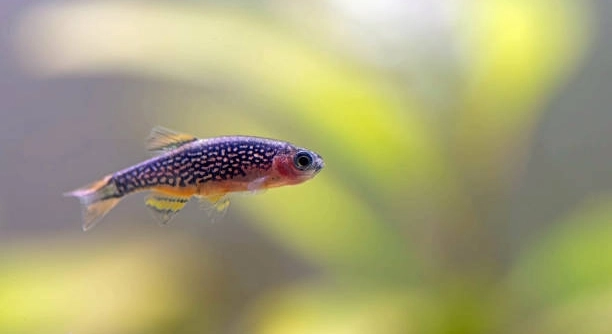
Juvenile danios often look similar to their adult counterparts, yet subtle differences appear as they grow. Observing their size, coloration, and behavior can reveal much about their stage of development and overall health in the tank.
Juvenile and mature danios differ in size, coloration, fin development, behavior, swimming patterns, feeding habits, and social interactions. These differences are measurable and consistent, providing clear indicators of growth and maturity within controlled aquatic environments.
Recognizing these distinctions will help you care for your danios more effectively and ensure they thrive in their home aquarium.
Size Differences
Juvenile danios are noticeably smaller than mature ones, often measuring only a few centimeters in length. Their bodies are slimmer, and their fins are shorter and less developed. Over time, as they age and grow, they develop a fuller body shape and longer fins that allow for stronger swimming. These size differences are not only visible but affect how they interact with their environment. Juveniles may hide more often and move cautiously, while adults are bolder and explore more. Monitoring size can help determine feeding portions and tank space requirements. It also provides insight into the overall health and growth rate of the fish. Younger danios tend to grow faster when given optimal nutrition, while adults maintain a steady size. Observing them closely can reveal subtle changes that indicate proper development or potential health concerns. Size is one of the clearest markers distinguishing juvenile from mature danios in any aquarium setup.
Juvenile danios are smaller, slimmer, and less robust than adults, which impacts their swimming and behavior in the tank.
Adult danios display a longer, fuller body with well-developed fins. These physical changes allow them to swim faster, assert dominance in social hierarchies, and compete for food more effectively. Growth patterns can vary depending on diet, tank conditions, and genetics. Juveniles may appear timid or hesitant, often staying near plants or hiding spots, while adults explore more freely and interact with other tank mates. Size also influences their feeding needs, as younger fish require more frequent but smaller meals to support rapid growth, whereas adults can tolerate larger portions less often. Observing their physical changes over time provides important cues for health monitoring, tank management, and understanding natural behaviors. Properly recognizing these differences ensures the aquarium supports both juvenile and mature danios adequately, promoting a balanced and thriving aquatic environment.
Coloration and Markings
Juvenile danios have lighter, less defined colors, which gradually intensify as they mature.
Adults show brighter, well-defined stripes, which signal health and maturity to other fish.
Color changes are gradual and reflect more than age alone. Nutrition, light exposure, and tank conditions all influence how vivid a danio’s stripes and body hues appear. Young danios often display a faded or muted palette, which makes them less noticeable in the tank and may reduce stress from more dominant fish. As they grow, pigments deepen, and markings become sharper, serving as communication signals for social interaction, breeding readiness, and territorial behavior. Maintaining a stable environment and proper diet helps enhance their coloration, ensuring juveniles develop their natural adult patterns. By paying attention to these visual cues, you can assess both the health and development stage of your fish, and make adjustments to care routines if necessary.
Fin Development
Juvenile danios have smaller, less structured fins, while adults display fully formed fins that are longer and stronger, supporting better swimming and maneuvering.
Fin growth is gradual, with juveniles initially showing thin, almost translucent fins. Over time, fins thicken, lengthen, and develop clear shapes, improving balance and agility in the water. Mature fins allow adult danios to respond quickly to changes in the tank, whether escaping perceived threats or interacting with other fish. The development of the dorsal, caudal, and pectoral fins is particularly noticeable, giving adults a more streamlined appearance. Tank conditions, including water quality and nutrition, affect the rate and quality of fin development. Poor conditions may stunt growth or cause fin damage, while stable, clean environments encourage proper formation. Observing fin development can also help identify health issues early, as frayed or stunted fins may indicate stress, disease, or poor diet, making it an important aspect of care.
Healthy adult fins also support courtship and mating behaviors. Longer fins make displays more visible to potential mates and demonstrate fitness. Juvenile fins lack this functionality, reflecting their immature stage. As fins mature, their edges become smooth and fully expanded, enhancing swimming efficiency. Additionally, the color of fins often intensifies with age, matching the body’s stripes and overall pattern. Proper feeding, including protein-rich foods, contributes to stronger fin development. Stress from overcrowding or aggressive tank mates can negatively impact fin growth, making observation crucial. Understanding fin development provides insight into both the fish’s age and health, allowing adjustments to care that support natural growth and behavior.
Behavior Changes
Juvenile danios are more cautious and tend to stay near plants or decorations, avoiding open spaces.
Adults are bolder, swim freely, and often lead in social interactions within the tank.
Behavior shifts gradually as danios mature. Juveniles exhibit timid movements, feeding hesitantly and often hiding when other fish approach. Social hierarchies are minimal at this stage, and competition is low. As they grow, adults become more confident, exploring larger areas of the tank and taking part in territorial or dominance displays. Their feeding patterns also change, with mature fish actively seeking food and sometimes outcompeting younger tank mates. Observing these behavior changes helps monitor both health and development. Environmental factors, such as tank size, enrichment, and the presence of other species, influence these behaviors. Proper understanding ensures that juveniles are given safe spaces while adults maintain their natural, active tendencies.
Swimming Patterns
Juvenile danios swim in short bursts, often staying close to the tank bottom or plants for safety.
Mature danios exhibit longer, smoother swimming motions, confidently navigating open spaces and currents with ease.
Feeding Habits
Juveniles feed more frequently on smaller portions, focusing on tiny particles and microfoods in the water column. Their rapid growth demands consistent nutrition, but they cannot handle large amounts at once. Adults can consume larger meals and compete more effectively for food, showing selective preferences for protein-rich flakes or live foods. Feeding behavior also reflects maturity, as adults may dominate feeding spots, while juveniles wait or retreat. Observing these habits helps adjust portion sizes and feeding schedules to support proper growth and maintain overall health, ensuring all fish receive enough nutrition without overfeeding.
Social Interaction
Juvenile danios are more submissive, often staying at the edges of social groups and avoiding confrontations.
Aggression Levels
Adult danios can display mild aggression, establishing dominance through chasing or nipping, especially in crowded tanks. This behavior is natural and part of forming stable social hierarchies.
How can I tell a juvenile danio from a mature one?
Juvenile danios are smaller, have less intense coloration, and display shorter fins. They often swim cautiously and stick close to plants or decorations. Mature danios are larger, with fully developed fins and brighter, well-defined stripes. They swim more confidently and actively interact with other fish, showing bolder behavior in the tank. Observing these physical and behavioral traits regularly helps identify which fish are still growing and which have reached adulthood. Paying attention to their feeding habits, fin growth, and social behavior also provides clues to their developmental stage.
At what age do danios reach maturity?
Danios typically reach maturity around 4 to 6 months of age, depending on diet, tank conditions, and genetics. Juveniles grow rapidly during the first few months, but development slows as they approach adulthood. Environmental factors such as water temperature, quality, and nutrition can either accelerate or delay this process. Adult danios exhibit fully formed fins, vivid coloration, and more assertive social behavior. Proper care throughout the juvenile stage ensures they reach maturity healthily and are able to display their natural adult characteristics in both appearance and behavior.
Do juvenile and adult danios eat the same food?
Juvenile danios require smaller, frequent meals composed of finely crushed flakes, micro-pellets, or live foods like baby brine shrimp. Adults can handle larger portions and more varied diets, including larger flakes, pellets, or live foods. Feeding routines should match the fish’s growth stage, ensuring juveniles get enough nutrition without overfeeding. Adults may compete for food, so distributing meals evenly helps reduce stress. Monitoring feeding behavior allows you to adjust portions and frequency, supporting healthy growth in juveniles and maintaining the condition and energy levels of adult danios.
Why do juvenile danios hide more than adults?
Hiding is a natural behavior for juvenile danios, as they are smaller and more vulnerable. Staying near plants or decorations provides safety from potential threats, including more assertive tank mates. Adults are larger and more confident, which allows them to explore open areas and interact with others without the same level of caution. Providing hiding spots for juveniles helps reduce stress and supports healthy development. As danios grow, they gradually leave these protective areas to swim freely and establish their place in social hierarchies.
Can tank conditions affect the development of danios?
Yes, tank conditions significantly impact danio growth and health. Poor water quality, inconsistent temperature, or overcrowding can stunt development and stress both juveniles and adults. Stable water parameters, proper filtration, and adequate space allow juvenile danios to grow properly and mature into healthy adults. Nutrition also plays a crucial role. A balanced diet ensures proper fin development, coloration, and overall vitality. Observing tank conditions regularly helps prevent issues that may delay maturity or compromise adult health. Maintaining a well-structured, clean environment supports all stages of growth effectively.
Do juvenile danios interact differently than adults?
Juveniles are more submissive, often avoiding confrontation and staying at the edges of groups. They observe older fish and slowly learn social behaviors. Adults are more assertive, establishing dominance through mild chasing or nipping. Social hierarchies are more pronounced in mature danios, helping maintain balance in the tank. Understanding these differences can guide tank management, ensuring juveniles have safe spaces while adults express natural behaviors. Separating overly aggressive adults from juveniles in crowded setups may also reduce stress and injury.
How important is monitoring fin development?
Fins reflect both age and health. Juvenile fins are thin and underdeveloped, while adult fins are longer, thicker, and more robust. Proper fin growth indicates good nutrition and a stable environment, while frayed or stunted fins may signal stress, disease, or poor water quality. Watching fin development helps track maturity and allows early intervention to correct problems, ensuring both juveniles and adults remain healthy and active in the tank.
Are there signs of stress unique to juveniles or adults?
Juveniles often hide excessively, swim erratically, or refuse food when stressed. Adults may display fin nipping, increased aggression, or reduced movement. Both stages respond to poor water quality, overcrowding, and sudden changes in the environment. Observing stress signs early allows timely adjustments, such as improving water conditions, redistributing tank mates, or providing additional hiding spaces, promoting healthier and more balanced behavior across all ages.
What role does coloration play in differentiating ages?
Coloration is one of the clearest indicators of maturity. Juvenile danios have faded or muted colors and less defined stripes. Adult danios display brighter, sharper markings that signal readiness for social interaction and mating. Diet, light exposure, and tank conditions influence coloration, so maintaining optimal care supports natural development. Observing these changes helps identify growth stages and overall health.
How can I encourage healthy growth in juvenile danios?
Provide consistent feeding with small, nutrient-rich portions, maintain clean water conditions, and avoid overcrowding. Regular observation allows you to catch health issues early. Adequate space and hiding areas reduce stress, while proper lighting and a balanced diet enhance fin development and coloration. This combination supports healthy juvenile growth into robust adults.
Are social dynamics different between juveniles and adults?
Yes, juveniles are more cautious and avoid confrontations, while adults actively establish dominance. Adults engage in chasing and mild nipping to maintain hierarchy. Properly understanding these dynamics ensures juveniles are not overwhelmed and adults can display natural behavior, creating a balanced and healthy tank environment.
Can feeding schedules impact maturity?
Yes, feeding frequency and portion size directly influence growth rates. Juveniles require multiple small meals to support rapid development, whereas adults thrive on fewer, larger portions. Proper scheduling ensures all fish receive adequate nutrition without promoting overfeeding or competition-related stress, supporting timely maturation.
How do I prevent aggression from affecting juveniles?
Provide ample space, hiding spots, and monitor social interactions. Separating overly dominant adults or creating structured territories reduces stress and allows juveniles to grow safely. Observation and careful tank management minimize conflict while promoting healthy social behavior among all danios.
Is it necessary to separate juveniles from adults?
Separation is not always required but can help reduce stress in crowded tanks or when adults are particularly dominant. Ensuring juveniles have sufficient hiding spaces and safe feeding areas often prevents issues. Careful observation allows for adjustments to maintain harmony in mixed-age setups.
What signs indicate a juvenile is approaching maturity?
Growing size, longer fins, more vivid coloration, and increased confidence in swimming and social behavior indicate approaching maturity. Feeding habits also change, with juveniles eating larger portions and interacting more with other fish. These signs help track development and ensure proper care during this stage.
How does tank size affect growth?
Smaller tanks can limit swimming space, leading to stunted growth and increased stress. Adequate tank size allows free movement, supports social interaction, and provides enough territory for both juveniles and adults. Larger environments encourage healthy development and reduce aggressive encounters.
Can stress delay fin or color development?
Yes, prolonged stress from poor water quality, aggressive tank mates, or inconsistent conditions can slow fin growth and dull coloration. Maintaining stable, clean environments and reducing stressors supports timely development and healthy, vibrant adult features.
Are there differences in health concerns for juveniles versus adults?
Juveniles are more sensitive to water quality and nutrient deficiencies, while adults may be prone to fin damage or mild aggression-related injuries. Regular monitoring, balanced feeding, and clean conditions help prevent problems at all stages of life.
How often should I observe my danios for growth and behavior changes?
Daily observation is ideal. Checking size, fin development, coloration, feeding, and social behavior allows early detection of issues and helps maintain optimal care for both juveniles and adults, ensuring a thriving aquarium environment.
Do adult danios require special care compared to juveniles?
Adults need slightly less frequent feeding but more space for swimming and territorial behavior. Their fins and coloration require stable water conditions, and monitoring interactions prevents dominance-related stress. Adjusting care routines as they mature supports continued health and vitality.
Can environmental enrichment benefit juveniles?
Yes, plants, hiding spots, and gentle currents encourage natural behavior, reduce stress, and support proper growth. Enrichment also prepares juveniles for adult social interactions and helps develop confidence in their surroundings, contributing to overall well-being.
How long should I expect full coloration to develop?
Coloration typically develops gradually over several months, becoming more vivid as juveniles mature into adults. Nutrition, light exposure, and tank stability all play a role in achieving bright, well-defined markings that indicate health and maturity.
Is monitoring growth more important than monitoring feeding?
Both are equally important. Observing growth provides insight into overall health and development, while monitoring feeding ensures nutritional needs are met. Together, they allow for timely interventions and maintain balanced, thriving danios at every stage.
What are the easiest signs of a healthy adult danio?
Bright coloration, long and intact fins, confident swimming, and active social behavior all indicate a healthy adult. Regular observation ensures they maintain these traits and helps prevent or address any emerging issues promptly.
How do I balance tank dynamics with mixed-age danios?
Provide hiding areas for juveniles, monitor feeding distribution, and observe interactions to prevent aggression. Adjusting tank decorations and spacing helps maintain harmony, allowing both juveniles and adults to thrive in the same environment.
What should I do if juveniles appear stunted?
Check water quality, nutrition, and tank space. Stress, poor feeding, or overcrowding can slow growth. Adjust care routines and provide optimal conditions to encourage healthy development into adulthood.
Are there signs of illness unique to juveniles or adults?
Juveniles may show stunted growth, faded coloration, or poor appetite, while adults may have frayed fins or reduced activity. Early detection and intervention improve recovery and support long-term health.
Can lighting affect coloration in juvenile and adult danios?
Yes, proper lighting enhances natural coloration. Too little light can dull stripes, while consistent moderate lighting supports vivid patterns, helping juveniles develop their adult appearance and maintaining adult vibrancy.
How often should I feed juveniles versus adults?
Juveniles require multiple small feedings daily, while adults need fewer, larger meals. Adjusting feeding schedules based on growth stage prevents overfeeding, stress, and competition-related issues, supporting healthy development and overall vitality.
Can juveniles and adults breed in the same tank?
Adults may attempt breeding if conditions are favorable, but juveniles are too young to participate. Keeping them separate during breeding periods can prevent accidental stress or competition while allowing adults to spawn successfully.
Do water temperature changes affect juveniles more than adults?
Yes, juveniles are more sensitive to temperature fluctuations. Consistent, stable temperatures are crucial for their growth and health. Adults are more resilient but still benefit from a stable environment to maintain optimal activity and coloration.
Are there any behavioral cues that show readiness to mature?
Increased confidence in swimming, assertive social interactions, bolder exploration, and more consistent feeding patterns all indicate that a juvenile is approaching maturity. Observing these cues ensures proper care during this transition stage.
How important is protein in their diet for development?
Protein supports fin growth, coloration, and overall body development. Juveniles need higher protein levels for rapid growth, while adults require adequate protein to maintain condition, energy, and reproductive health. A balanced diet is essential at all stages.
Can tank mates affect juvenile growth?
Yes, aggressive or dominant tank mates may stress juveniles, limiting feeding opportunities and reducing growth rates. Providing safe hiding spots and balanced social dynamics ensures juveniles develop healthily alongside adult fish.
How long does it take for danios to reach full adult behavior?
Behavioral maturity typically coincides with physical growth, occurring around 4 to 6 months. Adults swim confidently, establish social hierarchies, and display natural feeding and social behaviors, marking the completion of their transition from juveniles.
Are there any common mistakes in raising juvenile danios?
Overcrowding, irregular feeding, poor water quality, and lack of hiding spaces are common mistakes. These issues can stunt growth, stress fish, and delay maturity. Proper monitoring and care prevent these problems and ensure healthy development.
What is the most reliable way to track growth?
Measure body length, observe fin development, watch coloration changes, and monitor behavior. Regular observation and documentation allow accurate tracking of growth stages and timely intervention if development slows or health declines.
Do adults require supplements that juveniles do not?
Adults may benefit from occasional vitamin or mineral supplements to maintain fin health and coloration, though juveniles need consistent high-protein diets for growth. Tailoring supplementation ensures both age groups thrive.
How do I maintain harmony in a mixed-age tank?
Provide ample hiding spaces, distribute food evenly, monitor interactions, and maintain optimal water conditions. Balancing space and resources reduces stress and aggression, allowing juveniles and adults to coexist safely while expressing natural behaviors.
Is monitoring water quality more critical for juveniles?
Yes, juveniles are more sensitive to poor water conditions. Stable pH, temperature, and cleanliness support rapid growth and prevent stress, disease, or stunted development. Adults are more resilient but still benefit from consistent water quality.
Can stress affect coloration differently in juveniles and adults?
Juveniles may show duller colors when stressed, while adults can lose intensity or develop patchy patterns. Maintaining a stable environment helps both age groups retain healthy, vibrant coloration and overall well-being.
What are the key signs of a juvenile transitioning to adulthood?
Longer fins, brighter stripes, increased swimming confidence, more assertive social behavior, and altered feeding patterns all indicate transition. Monitoring these signs ensures proper care and supports smooth development into mature, healthy adults.
Do environmental changes impact juveniles more than adults?
Yes, juveniles are more sensitive to fluctuations in temperature, water quality, or tank structure. Sudden changes can cause stress, stunted growth, or behavior alterations. Adults are more adaptable but still benefit from stable conditions to maintain health and natural behaviors.
How can I prevent fin damage in juveniles and adults?
Ensure clean water, reduce overcrowding, monitor aggressive tank mates, and provide safe hiding spaces. Proper diet supports strong fins, while observation allows early detection of fraying or injuries, promoting recovery and healthy development.
Are juvenile danios more prone to disease than adults?
Yes, their developing immune systems make juveniles more susceptible to infections from poor water quality or stress. Adults are generally hardier but still require stable conditions to prevent illness and maintain overall health.
How does diet influence social behavior?
Proper nutrition supports energy, confidence, and growth, which influences how juveniles interact with peers and adults. Adults with adequate nutrition are more likely to maintain healthy dominance and social hierarchies, reducing aggression-related stress.
Can adult danios adapt to juvenile tanks easily?
Adults can adapt if tank conditions meet space, feeding, and social requirements. Ensuring hiding spaces for juveniles and preventing overcrowding allows both age groups to coexist safely. Proper monitoring is essential to maintain balance and reduce stress.
What role does water current play in growth?
Moderate water flow encourages swimming exercise, strengthens muscles, and supports fin development. Juveniles benefit from gentle currents, while adults can handle stronger flow, promoting healthy physical and behavioral development in all stages.
Is observation the best method to track maturity?
Yes, observing size, coloration, fin growth, swimming, and social behavior provides the clearest picture of a danio’s maturity. Combined with monitoring feeding and environment, it ensures timely care adjustments for both juveniles and adults.
How long should juveniles stay in a separate space if needed?
Keep juveniles in a safe, separate area until they develop confident swimming, adequate size, and social awareness. The duration varies but generally lasts until they show adult-like behavior and physical traits, ensuring safe integration with older fish.
Can genetics affect growth and coloration differences?
Yes, genetic factors influence size, fin shape, and stripe patterns. Even with optimal care, some juveniles may grow slower or develop coloration differently than others. Recognizing these differences helps set realistic expectations and care routines.
How does temperature affect feeding habits?
Warmer water increases metabolism, requiring more frequent feeding, especially for juveniles. Cooler temperatures slow metabolism, reducing appetite. Maintaining stable temperature supports consistent feeding, growth, and overall health for all danios.
Are there signs of overfeeding in juveniles or adults?
Excess food can lead to bloating, poor water quality, and reduced activity. Juveniles are particularly vulnerable, as overfeeding can affect growth and health. Adults may gain excess weight or become less active, so monitoring portions is essential for both.
Do adult danios require more space than juveniles?
Yes, adults swim more actively and establish territories. Providing enough space prevents stress, aggression, and fin damage. Juveniles benefit from hiding areas but can coexist if adults have sufficient room to maintain natural behavior and movement.
Can lighting schedules influence feeding behavior?
Consistent lighting supports regular feeding routines. Sudden changes can confuse juveniles, causing stress or skipped meals. Adults may adjust more easily but benefit from predictable light patterns to maintain appetite and activity levels.
Is tank decoration important for juveniles?
Yes, plants, rocks, and hiding spots reduce stress and encourage natural exploration. Proper decoration allows juveniles to feel secure while developing swimming and social skills, preparing them for adult tank dynamics.
How often should I check for fin or scale damage?
Daily observation is ideal, especially for juveniles. Early detection of fraying, tears, or scale issues allows prompt treatment, preventing infection and supporting healthy growth. Adults also benefit from regular monitoring to maintain optimal condition.
Can poor nutrition affect behavior?
Yes, inadequate nutrition can cause lethargy, poor swimming, reduced social interaction, and slower growth. Balanced diets are essential for energy, fin development, coloration, and overall health at every stage.
How do I ensure juveniles are not outcompeted by adults?
Provide separate feeding areas, sufficient hiding spots, and evenly distributed meals. Monitoring interactions helps prevent juveniles from being stressed or starved, supporting healthy growth and development.
Are there subtle signs of maturity in behavior?
Yes, juveniles approaching adulthood swim confidently, explore larger areas, assert themselves socially, and eat more efficiently. Observing these signs helps track development and ensures care routines match their stage.
Does water hardness influence growth?
Yes, moderately hard water supports healthy bone and fin development. Extremely soft or hard water can affect growth rates and overall health. Maintaining optimal water conditions ensures both juveniles and adults thrive.
Can adults influence juvenile behavior?
Yes, adults establish dominance, and juveniles often mimic or avoid them. Balanced interactions allow learning without excessive stress, promoting proper social development and reducing aggression-related injuries.
Is regular tank maintenance crucial for growth?
Absolutely. Clean water, proper filtration, and consistent conditions prevent stress, disease, and stunted growth. Both juveniles and adults benefit from routine care, supporting healthy development and longevity.
How can I track fin development over time?
Observe
Juvenile and mature danios are more different than they may appear at first glance. Size, coloration, fin development, behavior, feeding habits, and social interactions all change as these fish grow. Juveniles are smaller, more timid, and often stick close to plants or hiding spots, while adults are larger, bolder, and swim more confidently in open areas. Observing these changes carefully can help ensure that both juveniles and adults are thriving in the same tank. Paying attention to growth patterns and physical differences allows for better tank management, helping to prevent stress, aggression, or competition for resources among fish of different ages. Knowing what to expect at each stage also provides insight into proper feeding schedules, water conditions, and environmental needs, ensuring that the tank supports healthy development from juvenile to adult.
Proper nutrition plays a significant role in how quickly and effectively juvenile danios mature. Younger fish require smaller, more frequent meals with high protein content to support rapid growth and fin development. Adults, on the other hand, can tolerate larger portions and have more stable feeding routines. Balanced diets and stable tank conditions are crucial to prevent stunted growth, faded coloration, or fin damage. Beyond nutrition, environmental factors like water quality, tank size, and the presence of hiding spots directly influence both physical development and behavior. Juveniles benefit from areas where they can feel safe while learning social dynamics, while adults need enough space to establish natural hierarchies and interact with other fish. Careful monitoring of both age groups helps prevent stress and ensures all fish receive the resources they need to thrive.
Understanding the differences between juvenile and mature danios makes tank management easier and more effective. By recognizing size, coloration, and behavior patterns, aquarists can adjust feeding schedules, tank layout, and social arrangements to meet the needs of each age group. This knowledge allows for timely intervention if juveniles show signs of stress or delayed growth, or if adults become overly aggressive. Observing fin development, coloration, and social behavior provides ongoing insight into the health of all fish, helping to prevent problems before they become serious. Providing a well-balanced diet, consistent water conditions, and appropriate space supports natural growth and reduces the risk of illness or injury. Paying attention to these details ensures that both juveniles and adults flourish, creating a healthy, balanced tank environment where each fish can grow, swim, and interact naturally. Proper care and observation lead to a more rewarding and stable aquarium experience for anyone keeping danios.

Hello,
If you enjoy the content that we create, please consider saying a "Thank You!" by leaving a tip.
Every little bit helps us continue crafting quality advice that supports the health, happiness, and well-being of pets around the world, for pets of all shapes, sizes, and species.
We really appreciate the kindness and support that you show us!