
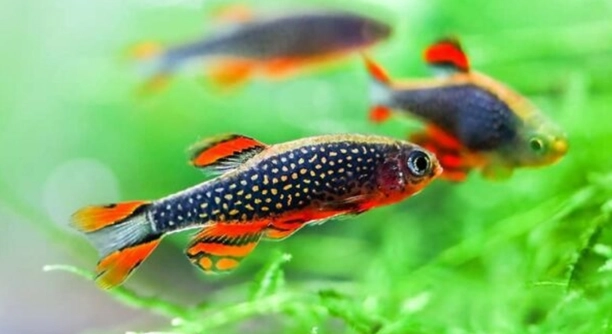
Introducing new danios to your aquarium can be an exciting yet delicate process. Their small size and sensitive digestive systems mean that choosing the right foods is crucial for their initial health and comfort in a new environment.
The best approach for feeding newly introduced danios is to provide gentle, easily digestible foods such as finely crushed flakes, micro pellets, baby brine shrimp, daphnia, finely chopped bloodworms, spirulina powder, and blanched vegetables. These options minimize stress and support healthy adaptation.
Ensuring your danios receive the right nutrition early on sets the stage for strong growth and long-term vitality. Choosing gentle foods helps them adjust smoothly to their new home.
Finely Crushed Flakes
Flakes are a classic choice for newly introduced danios because they are easy to digest and provide a balanced mix of proteins and vitamins. Crushing them into smaller pieces makes it easier for tiny mouths to eat without struggling. I often start with a light sprinkling on the water surface, letting it settle slightly before adding more. This approach ensures each fish gets a fair share without overcrowding at feeding time. It also helps reduce waste, keeping the tank cleaner. Fresh flakes can be stored in a cool, dry place to maintain their quality. Over time, flakes can become an everyday staple, but introducing variety is important to keep the fish interested and healthy. Observing how your danios respond to flakes will give you clues about portion sizes and feeding frequency. Consistency is key, but small adjustments can make a big difference in their adaptation.
Crushed flakes provide a gentle, nutritious start for danios, promoting healthy digestion and reducing feeding stress during the first few days in a new tank.
Starting with crushed flakes gives danios an easy transition, helping them adjust to their new environment and feeding routine naturally.
Baby Brine Shrimp
Baby brine shrimp are highly digestible and rich in protein, making them ideal for delicate, newly introduced danios.
Offering live or freshly hatched baby brine shrimp provides essential nutrients while encouraging natural foraging behavior. These tiny shrimp are small enough for danios to swallow without difficulty, reducing the chance of digestive upset. Feeding should be done in small amounts several times a day to mimic natural grazing habits. Overfeeding can lead to water quality issues, so portion control is important. Many danios respond eagerly, darting to grab each shrimp, which can be satisfying to observe. Rotating this food with flakes or other gentle options helps balance their diet. Brine shrimp also stimulate activity, helping danios explore their new surroundings more confidently. Including a mix of live and frozen options ensures a steady supply without relying solely on hatching at home. The careful introduction of baby brine shrimp sets a strong foundation for future growth and overall health.
Daphnia
Daphnia are small, water-dwelling crustaceans that are easy for danios to eat. They are gentle on the stomach and rich in nutrients, making them an excellent food choice for newly introduced fish. Regular feeding supports healthy growth and energy.
Daphnia can be offered live or frozen, depending on availability. Live daphnia encourages natural hunting instincts, keeping danios active and engaged. Frozen daphnia is convenient, especially when live options are not accessible, but thawing before feeding is important. Feeding should be limited to small portions several times a day to prevent overfeeding and maintain water quality. Observing how quickly danios consume the daphnia helps gauge portion size. Mixing daphnia with other gentle foods, like crushed flakes or baby brine shrimp, ensures a balanced diet. This combination supports digestive health while gradually introducing variety to their meals. Careful monitoring ensures that all fish have access and none are left behind.
Daphnia are particularly beneficial because they are high in fiber, aiding digestion and reducing stress during the first weeks in a new tank. Incorporating them into a feeding plan helps maintain clear water and promotes overall vitality, while giving the fish a lively, natural feeding experience. Their movement stimulates activity, making them more likely to explore the tank confidently. Over time, daphnia can be part of a varied diet, keeping nutrition consistent and supporting steady growth.
Finely Chopped Bloodworms
Bloodworms are soft, protein-rich foods that newly introduced danios can easily eat without causing digestive upset. They provide a strong nutritional boost and are generally well accepted by most small fish.
Using finely chopped bloodworms helps prevent choking or overfeeding. Frozen or live options are suitable, though frozen is easier to store and manage. Feeding small amounts several times daily ensures danios get enough nutrients while avoiding water contamination. Bloodworms can be alternated with other gentle foods to maintain a balanced diet and prevent boredom. Observing feeding behavior ensures all fish are eating evenly and helps adjust portion sizes. Their bright red color often attracts fish, making mealtime more engaging and encouraging healthy activity levels.
Including finely chopped bloodworms in the diet provides high-quality protein, which supports muscle development and energy. The soft texture minimizes digestive strain, making them ideal during the first days in a new tank. Regular inclusion alongside flakes or brine shrimp helps establish a diverse diet. Overfeeding can lead to water quality problems, so careful portioning is essential. Bloodworms also promote active foraging, encouraging danios to move throughout the tank. Using them strategically ensures both nutrition and enrichment, supporting healthy growth and adaptation. A consistent feeding routine with these worms contributes to overall vitality and stronger immune function in young or newly introduced danios.
Spirulina Powder
Spirulina powder is a plant-based food that provides essential vitamins and minerals. It supports color enhancement and overall health in danios. A small sprinkle mixed with other foods makes it easy for tiny fish to consume without overwhelming their digestive systems.
Spirulina also helps improve digestion and immunity. Mixing it with flakes or pellets ensures balanced nutrition and keeps meals varied. Regular inclusion can strengthen danios over time, giving them energy and vibrant coloration naturally.
Blanched Vegetables
Blanched vegetables like zucchini or spinach are soft and easy for danios to nibble. They provide fiber and essential nutrients without causing stress to the digestive system. Regularly offering small portions can enhance gut health and overall vitality.
Micro Pellets
Micro pellets are compact, nutrient-rich foods that are gentle for newly introduced danios. Their size makes them easy to eat, and they sink slowly, allowing all fish to feed without struggling. Regular feeding supports steady growth and adaptation to the new tank environment.
Frozen Daphnia
Frozen daphnia are convenient and retain much of their nutritional value. Thawing before feeding ensures danios can easily consume them. They provide protein and stimulate activity, helping fish remain lively while adjusting to their new home.
FAQ
How often should I feed newly introduced danios?
Newly introduced danios have small stomachs and delicate digestive systems. Feeding them small amounts 2 to 3 times a day is ideal. Overfeeding can quickly pollute the water, so portion control is key. Observing how much they eat in a few minutes helps determine the right amount.
Can I mix different gentle foods in one feeding?
Yes, combining foods like crushed flakes, baby brine shrimp, and spirulina powder can provide a balanced diet. Mixing ensures they receive a variety of nutrients without overwhelming their system. Rotate foods to prevent boredom and support overall health. Avoid adding too many types at once to keep digestion manageable.
Are live foods better than frozen options?
Live foods like baby brine shrimp or daphnia can stimulate natural hunting instincts and increase activity levels. Frozen options are convenient and still nutritious, though they may lack the movement that encourages foraging. Both can be part of a feeding plan depending on availability and storage needs.
How long should I stick to gentle foods for new danios?
Gentle foods should be the primary diet for the first week or two after introducing danios. This allows their digestive systems to adjust and reduces stress. After they are eating consistently, you can gradually introduce standard pellets or flakes to diversify their diet.
What should I do if some danios aren’t eating?
It’s normal for a few fish to be shy or hesitant at first. Offer small portions frequently and try moving food closer to where they swim. Live foods can help entice reluctant eaters. Avoid leaving uneaten food in the tank to prevent water quality issues.
Can vegetables replace protein-rich foods?
Vegetables like blanched zucchini or spinach are good supplements but cannot replace protein entirely. Danios need protein from sources like bloodworms, brine shrimp, or pellets to grow and maintain energy. Vegetables can be offered a few times per week alongside protein foods.
How do I know if my danios are getting enough nutrition?
Healthy danios are active, alert, and show vibrant coloration. They swim confidently and respond to food quickly. Lack of activity, faded colors, or unusual behavior may indicate inadequate nutrition. Monitoring feeding habits and adjusting portions helps maintain proper health.
Is it necessary to chop or crush foods for small danios?
Yes, especially for tiny or newly introduced danios. Crushed flakes, finely chopped bloodworms, and small pellets are easier to consume and reduce the risk of choking or digestive issues. Gradually, as fish grow, they can handle slightly larger food pieces.
Can overfeeding gentle foods still harm new danios?
Absolutely. Even gentle foods can pollute the water and cause digestive problems if overfed. Feed small amounts that can be eaten in a few minutes, remove leftovers, and maintain a consistent feeding schedule. Clean water is just as important as proper nutrition.
Should I feed differently if my danios are stressed?
Stress can reduce appetite and affect digestion. Stick to small, gentle meals and avoid sudden changes in food type. Offer live or frozen foods to entice eating. Monitor water parameters carefully, as stress often links to environmental conditions rather than diet alone.
How can I introduce variety without upsetting their digestion?
Rotate one new food at a time alongside familiar gentle options. For example, alternate flakes with baby brine shrimp or spirulina powder. Introducing too many foods at once can cause digestive upset. Gradual changes allow danios to adapt comfortably.
Are frozen daphnia and brine shrimp safe for daily feeding?
They are safe if fed in moderation. Daily feeding is fine in small portions, but balance with flakes, spirulina, and occasional vegetables. Overreliance on one food type may limit nutrient variety and can affect growth or coloration over time.
Can I feed danios at night if I miss daytime meals?
Yes, feeding at night is possible, but keep portions small. Danios are diurnal, so they are more active during the day. Night feeding should be occasional and carefully measured to prevent leftover food from decaying in the tank.
What is the easiest way to tell if they are digesting food properly?
Observe their behavior and waste. Properly digested food results in small, consistent waste. Large, uneaten pieces or abnormal excrement may indicate overfeeding or unsuitable food. Adjust portion size and food type accordingly.
How do I store gentle foods to maintain freshness?
Store flakes, spirulina, and frozen foods properly. Flakes and powder should be kept in a cool, dry place. Frozen foods should remain in a freezer and thawed before feeding. Proper storage preserves nutrients and prevents spoilage that could harm danios.
Can I give bloodworms every day?
Bloodworms are high in protein and should be offered a few times a week rather than daily. Daily feeding can lead to water quality issues and imbalance in their diet. Rotate with flakes, brine shrimp, or vegetables to provide a healthy mix of nutrients.
What if a danio refuses all offered foods?
Check water quality and tank conditions first, as stress or illness often reduces appetite. Try offering live foods or very small portions of familiar foods. Monitor the fish closely and consider isolating it temporarily to ensure it receives adequate nutrition.
How long can newly introduced danios go without food?
Danios can survive a short period without food, typically one to two days, but prolonged fasting can weaken them. Ensuring small, frequent feedings during the first week is crucial for stress reduction and proper acclimation.
Do I need to rinse frozen foods before feeding?
Yes, rinsing frozen foods like daphnia or bloodworms helps remove excess ice or preservatives. Thawing and lightly rinsing ensures the food is soft, safe to eat, and doesn’t introduce unwanted substances into the tank.
Is it okay to feed more during active swimming periods?
Feeding slightly more during periods of high activity is fine, but still within limits. Observe how much they consume quickly and remove uneaten portions. Overfeeding during excitement can harm water quality and digestion.
Can feeding routine impact social behavior?
Yes, a consistent routine helps danios feel secure, reducing stress and aggression. Irregular feeding can lead to competition and hiding. Small, predictable meals allow all fish to eat fairly and maintain stable social interactions within the tank.
This FAQ section ensures you can confidently feed newly introduced danios, supporting healthy growth, proper digestion, and overall well-being while keeping the tank clean and stress-free.
Final Thoughts
Feeding newly introduced danios properly is one of the most important steps for their health and adjustment to a new tank. Their small size and sensitive digestive systems make it crucial to start with gentle foods that are easy to eat and digest. Foods like finely crushed flakes, baby brine shrimp, daphnia, finely chopped bloodworms, spirulina powder, and blanched vegetables provide the nutrients they need without causing stress. Introducing food gradually allows the fish to adapt slowly, which can prevent overeating, digestive issues, and tank water contamination. Observing their behavior during feedings helps determine which foods they prefer and which ones support their energy and activity levels the best. Consistency is key, but it’s also helpful to mix up the diet to provide variety and maintain proper nutrition.
It is also essential to consider the portion sizes and frequency of feeding. Overfeeding, even with gentle foods, can quickly lead to poor water quality, which affects fish health. Small, controlled feedings two to three times a day work well for newly introduced danios. Watching how much food they consume in a few minutes helps you adjust portions to avoid waste. Rotating different foods ensures they receive a well-balanced diet, combining protein, fiber, and essential vitamins. Vegetables are great for fiber, while live or frozen foods provide energy and stimulate natural foraging instincts. Keeping an eye on digestion and behavior gives valuable feedback about how the diet is working and whether any adjustments are needed.
Finally, introducing a variety of gentle foods not only supports growth but also encourages natural activity and reduces stress in a new environment. Active, healthy danios are more likely to explore the tank, interact with other fish, and establish stable social behavior. Proper feeding helps prevent malnutrition and digestive issues while promoting vibrant colors and energy. Maintaining a feeding routine, monitoring portions, and rotating foods creates a balanced, stable environment for your danios to thrive. Paying attention to their preferences, health, and activity ensures a smooth transition and sets the foundation for long-term well-being in their new home. Consistent care and thoughtful feeding practices make all the difference in keeping your fish happy, healthy, and lively.

Hello,
If you enjoy the content that we create, please consider saying a "Thank You!" by leaving a tip.
Every little bit helps us continue crafting quality advice that supports the health, happiness, and well-being of pets around the world, for pets of all shapes, sizes, and species.
We really appreciate the kindness and support that you show us!