
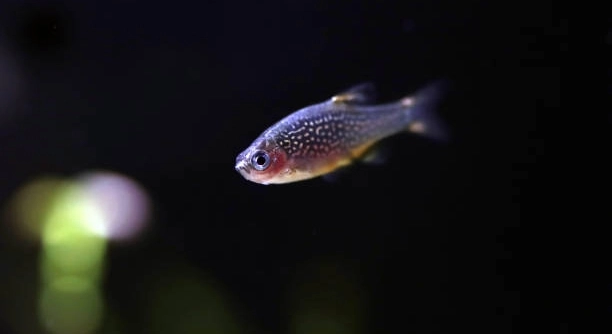
Are your new danios swimming nervously in their tank, seeming unsure of their surroundings? Introducing fish to a new environment can be stressful for them, especially for lively species like danios that are sensitive to changes.
Helping danios settle faster involves creating a stable environment, minimizing sudden changes, and providing proper water conditions. Maintaining consistent temperature, offering hiding spaces, and gradually acclimating them to the tank reduces stress and promotes healthy behavior and adaptation.
Learning simple techniques can make a big difference in your danios’ comfort. With small adjustments, you can help them feel safe and enjoy their new home sooner.
Prepare the Tank Properly
Before introducing danios, it is important to ensure their tank is ready. The water should be fully cycled, with stable pH and temperature that suits the species. Clean the tank and remove any debris or leftover chemicals from previous use. Adding live or artificial plants helps create hiding spaces and reduces stress. Proper lighting should mimic a natural day-night cycle to encourage normal activity. Make sure filtration is adequate but gentle, as strong currents can overwhelm new fish. Even the substrate matters—smooth gravel or sand prevents injuries to these small, active fish. Introducing decorations or rocks allows them to explore and feel secure. Water changes before adding danios help remove toxins and ensure quality. Checking for compatible tank mates also reduces conflicts. The goal is to create a calm, consistent environment where the fish can adjust without sudden stressors. Attention to these details makes the first days smoother and reduces risk of illness.
A well-prepared tank reduces stress and helps danios adapt faster. Clean water, hiding spots, and gentle filtration are key factors.
Consistency in water quality and tank setup is critical. Gradually adjusting temperature and pH to match their previous environment prevents shock. Plants and decorations give them places to explore and rest, making them feel more secure. Even small details, like soft gravel and controlled light, contribute to comfort. Monitoring the tank for several hours after introduction ensures they are adjusting.
Gradual Acclimation
Acclimating danios slowly prevents stress and shock.
Use the drip method or float their bag in the tank to allow water temperatures to equalize. Gradually mix small amounts of tank water into the bag over 30 to 60 minutes. This lets them adjust to pH and hardness differences. Sudden transfer can cause rapid changes in their environment, leading to stress or illness. Handle the fish minimally during this process to avoid physical harm. Acclimation also helps them recognize the new space without panic, encouraging exploration and feeding. Patience during this stage is crucial for long-term health. Observing their behavior while acclimating helps identify if adjustments are needed, like slower water mixing or extra hiding spots.
Once acclimated, danios swim more confidently and begin exploring the tank. They start eating and interacting, showing signs of comfort and normal activity. Gradual acclimation reduces mortality and builds resilience, giving your fish a strong start in their new home. Proper care at this stage ensures they thrive and stay healthy.
Maintain Stable Water Conditions
Stable water conditions are essential for danios to settle quickly. Frequent fluctuations in temperature, pH, or hardness can stress them, making them hide or refuse food. Regular testing and small, gradual adjustments keep the environment consistent and safe.
Monitoring water parameters daily ensures temperature stays within the 22–26°C range. Use a reliable heater and thermometer to avoid sudden drops or spikes. Avoid overfeeding, as decaying food can alter water chemistry. Partial water changes of 10–15% weekly help maintain cleanliness without shocking the fish. Aeration and gentle filtration support oxygen levels and circulation. Consistency in all these aspects reduces stress and encourages normal swimming and feeding behavior.
Sudden changes in water conditions are harmful to danios. Keeping temperature, pH, and hardness stable prevents stress-related illness. Small, regular water changes and careful monitoring of tank parameters allow the fish to adapt naturally. Over time, a steady environment improves their activity, appetite, and overall health, giving them a strong start in the new tank.
Provide Hiding Spots
Hiding spots give danios a sense of security in a new tank. Plants, rocks, or decorations allow them to retreat when feeling nervous or overwhelmed, promoting faster adaptation.
Live or artificial plants, caves, and driftwood provide natural shelter for exploration and rest. Dense plants at the back or corners of the tank create safe zones, reducing exposure to perceived threats. Floating plants can diffuse light and add extra cover, helping timid fish feel comfortable. Grouping decorations also gives them landmarks to navigate, preventing aimless swimming and stress. Varying heights and textures mimics natural habitats and encourages natural behavior.
When danios have access to hiding places, they exhibit less erratic swimming and more consistent feeding. Even bold individuals benefit from shelter, as it reduces competition and aggressive interactions. Regular observation of how they use these spaces helps determine if more or rearranged cover is needed. Providing multiple hiding spots throughout the tank allows all fish to feel safe, which accelerates acclimation and overall wellbeing.
Feed Small Amounts Frequently
Feeding small amounts several times a day helps danios adjust and reduces stress. Overfeeding can pollute the tank, affecting water quality and slowing their settling process.
Offer tiny portions that they can finish in a few minutes. This keeps water cleaner and encourages consistent eating, which supports growth and health during their adaptation period.
Keep a Peaceful Environment
Avoid sudden loud noises or vibrations near the tank. Danios are sensitive and can become stressed by disturbances. Maintaining a calm environment allows them to explore and swim freely without fear, helping them feel secure in their new surroundings.
Observe Behavior Regularly
Watching your danios’ behavior daily is crucial. Look for signs of stress, illness, or aggression. Early detection allows prompt action, preventing long-term issues and promoting faster adaptation to the tank.
Gradually Introduce Tank Mates
Adding new fish slowly ensures danios aren’t overwhelmed. Introduce one or two at a time and monitor interactions. This controlled approach reduces stress, encourages peaceful coexistence, and helps all fish feel more comfortable.
How long does it take for danios to settle in?
Danios usually start exploring and swimming confidently within a few days, but full adaptation can take one to two weeks. The exact timing depends on water stability, tank setup, and stress levels. Providing hiding spots, stable conditions, and gentle acclimation speeds up the process, while sudden changes or overcrowding can extend it. Observing their swimming, feeding, and interaction patterns helps gauge when they are comfortable. Early signs of settling include reduced hiding, consistent schooling, and active feeding. Maintaining these supportive conditions ensures the fish adapt smoothly and remain healthy throughout the transition period.
What is the best temperature for danios?
Danios thrive in water between 22 and 26°C. Maintaining this range consistently prevents stress, illness, and erratic behavior. Sudden temperature changes can shock their system, weaken immune responses, and slow acclimation. Use a reliable heater and thermometer to monitor the tank. Even minor fluctuations can affect feeding and energy levels. Gradually adjusting the temperature during acclimation avoids shocking the fish. Stable water within the ideal range encourages normal activity, schooling behavior, and feeding, which helps them settle faster and reduces the risk of disease in a new environment.
How often should I feed newly introduced danios?
Newly introduced danios benefit from small, frequent meals. Feeding tiny amounts two to three times a day prevents water pollution and encourages regular eating. Overfeeding can lead to uneaten food, which degrades water quality and increases stress. Start with amounts they can finish in a few minutes and adjust based on consumption. Observing their behavior during feeding helps ensure all fish are eating. Proper nutrition during this period supports energy levels, strengthens immunity, and encourages exploration of their new surroundings, making the settling process smoother and healthier.
Do danios need hiding places?
Yes, hiding spots reduce stress and provide security. Danios are active but can feel vulnerable in an unfamiliar environment. Plants, caves, or decorations give them places to retreat and rest. Dense areas at the back or corners of the tank allow timid fish to recover from stress. Multiple hiding options ensure every fish has access without competition. Even bold danios use shelters occasionally. Hiding spots mimic natural habitats, promote normal behavior, and reduce aggressive interactions. Proper arrangement of cover helps fish feel safe while exploring, improving overall comfort and encouraging faster adaptation.
Can I add other fish with danios immediately?
It’s better to introduce other fish gradually. Adding too many at once can overwhelm danios and increase stress. Start with one or two compatible species, monitor interactions, and allow adjustment periods between introductions. Gradual addition reduces aggression, competition for food, and territorial disputes. Observing behavior closely ensures peaceful coexistence. Controlled introductions help establish a balanced tank ecosystem where danios feel secure. Over time, a step-by-step approach fosters a calmer environment and supports long-term health for all fish, preventing stress-related illnesses and encouraging natural behavior.
How do I know if my danios are stressed?
Signs of stress include erratic swimming, hiding for long periods, loss of appetite, or faded coloration. Constant darting, rubbing against surfaces, or staying near the tank bottom can also indicate discomfort. Stress often stems from poor water quality, sudden changes, overcrowding, or lack of hiding spots. Monitoring their behavior daily allows early detection and intervention. Correcting water parameters, providing shelter, and ensuring proper feeding helps reduce stress. Addressing issues promptly supports faster adaptation, maintains immune function, and prevents illness, giving danios a comfortable environment to thrive in.
Is it necessary to acclimate danios slowly?
Yes, slow acclimation prevents shock and reduces stress. Gradually mixing tank water with the bag water or using a drip method helps fish adjust to temperature, pH, and hardness differences. Immediate transfer can cause rapid changes that overwhelm their system. Minimal handling during acclimation reduces physical stress and risk of injury. Properly acclimated fish explore more confidently, eat regularly, and interact naturally. Slow introduction ensures a healthier start in the new environment, lowers the risk of illness, and improves overall adaptation, creating a stable and comfortable home for danios in the long term.
What role does water quality play in settling?
Water quality is crucial for danios’ adaptation. High ammonia, nitrite, or nitrate levels can stress fish and weaken their immune system. Maintaining stable parameters, performing regular small water changes, and using a reliable filtration system keeps the environment safe. Testing water frequently helps detect issues early. Clean, oxygenated water supports energy, feeding, and natural behavior, making fish more confident in exploring the tank. Even minor lapses in water quality can slow adaptation and increase vulnerability to disease. Consistently good water conditions are key for faster settling and long-term health.
How can I encourage feeding in new danios?
Offer small portions of high-quality flake, pellet, or live food multiple times daily. Start with food that sinks slowly or floats near the surface, making it easier for timid fish. Avoid overfeeding to prevent water issues. Observing their response and adjusting portions helps ensure all fish eat. Feeding in the same location gradually establishes a routine, reinforcing comfort and security in the tank. Regular feeding encourages activity, energy, and exploration, which are essential for faster settling. Proper nutrition during this critical period promotes growth, strengthens immunity, and improves overall adaptation to the new environment.
Can stress affect danios’ health long-term?
Yes, prolonged stress weakens immunity, reduces appetite, and increases susceptibility to disease. It can also impact coloration, growth, and behavior. Ensuring stable water conditions, hiding places, gentle acclimation, and peaceful tankmates prevents chronic stress. Early intervention and supportive care help maintain health and encourage normal activity. Regular observation allows detection of stress-related symptoms early, and corrective action, such as adjusting water quality or providing shelter, reduces risk of long-term health problems. Minimizing stress supports vibrant, active, and resilient danios that adapt smoothly to their new home.
This FAQ section provides practical guidance to address common concerns while helping danios settle quickly and thrive in a new tank.
Helping danios settle into a new tank can feel like a small challenge, but it is very manageable with consistent care and attention. These fish are naturally active and curious, but changes in their environment can make them nervous at first. By preparing the tank properly, maintaining stable water conditions, and offering hiding spots, you provide them with the tools they need to feel secure. Gradual acclimation and careful observation during the first few days can prevent stress, reduce the risk of illness, and help the fish adapt more quickly. Even small adjustments, like checking the temperature daily or providing gentle filtration, make a noticeable difference in how confident they become in their new home.
Feeding also plays a key role in helping danios adjust. Offering small amounts several times a day encourages consistent eating while preventing water pollution. Observing their response to food shows how comfortable they are in the tank. Over time, fish that eat well and explore their surroundings are generally healthier and less stressed. Providing a calm environment without loud noises or sudden disturbances allows them to swim freely, interact with each other, and begin forming natural social patterns. When these basic needs are met, danios quickly transition from cautious newcomers to active, confident fish that move comfortably throughout the tank.
Long-term care focuses on maintaining the environment and monitoring behavior. Regular water testing, proper feeding, and attention to tank mates ensure that stress is minimized and health is supported. Even after settling in, danios benefit from a stable and enriched habitat with plants, decorations, and gentle currents that mimic natural conditions. Observing their swimming, feeding, and schooling behavior provides ongoing insight into their comfort and well-being. Small, consistent efforts in care help them thrive and encourage natural activity. By keeping conditions steady and supporting their needs, you create a safe, comfortable home where danios can live actively and healthily for years.

Hello,
If you enjoy the content that we create, please consider saying a "Thank You!" by leaving a tip.
Every little bit helps us continue crafting quality advice that supports the health, happiness, and well-being of pets around the world, for pets of all shapes, sizes, and species.
We really appreciate the kindness and support that you show us!