
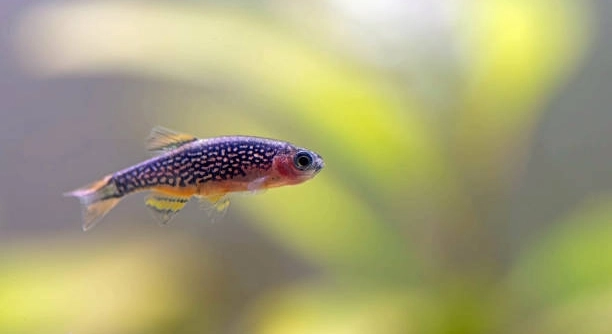
Danios are lively, colorful fish that bring energy to any aquarium. Keeping them healthy requires attention to detail, as small changes in their environment can lead to stress or illness over time. Regular care is essential.
Daily checks for danios are critical for preventing common health problems. Monitoring water temperature, cleanliness, pH levels, feeding routines, and observing behavior ensures early detection of issues. Consistent daily attention maintains a stable environment, supporting fish vitality and longevity.
Maintaining a simple routine can prevent major problems and help your danios thrive. Each small step contributes to their overall well-being and happiness.
Checking Water Temperature
Maintaining a stable water temperature is essential for danios, as they are sensitive to sudden changes. Their ideal range is between 72 and 78 degrees Fahrenheit. Even minor fluctuations can stress them, leading to weakened immune systems and increased susceptibility to disease. Using a reliable thermometer allows you to monitor temperature consistently. Adjust heaters gradually rather than making abrupt changes. A stable environment promotes normal activity, proper feeding, and natural behavior. Observing the fish daily can indicate whether the temperature is affecting them. Signs such as lethargy, clamped fins, or erratic swimming may signal that the water is too cold or too warm. Ensuring proper circulation and placement of the heater prevents hot or cold spots within the tank. For added safety, consider using a temperature alert system to warn of sudden drops or spikes. Regular checks create a predictable environment, which helps your danios thrive and reduces stress-related problems. Consistency in temperature management is a key factor in long-term health and vitality.
Daily monitoring of water temperature is simple and prevents serious stress-related issues. A thermometer can help maintain stability easily.
Keeping the water stable goes beyond using a thermometer. Positioning the heater correctly, avoiding drafts near the tank, and limiting direct sunlight exposure helps maintain a uniform temperature. Gradual adjustments are safer than sudden changes. Even small shifts can affect feeding and behavior. Observing your fish during the day provides clues about their comfort. If they gather near the heater or hide in corners, the temperature may be off. Regularly cleaning the tank and checking equipment ensures nothing disrupts the water balance.
Observing Feeding Behavior
Feeding behavior reveals a lot about danios’ health and well-being. Normal fish will eagerly swim to food and maintain a balanced intake. Overfeeding or underfeeding can lead to obesity, digestive issues, or stress. Monitoring how much they eat each day helps prevent long-term health problems. Offering small portions multiple times a day ensures food is consumed fully without excess. Uneaten food should be removed promptly to prevent water contamination. Changes in appetite, such as sudden refusal to eat or aggressive competition for food, can indicate illness or environmental stress. Maintaining a feeding schedule and noting any behavioral changes provides early warning signs. A consistent diet supports energy levels, coloration, and overall vitality. Watching feeding closely allows you to adjust portions, address tank issues, and respond to potential health problems before they escalate.
Regularly observing feeding habits provides insight into health and helps maintain a stable routine. It is quick and informative.
Monitoring feeding behavior goes beyond noting consumption. Watch for changes in swimming patterns during feeding, which may indicate discomfort or stress. Some fish may hide or isolate themselves if unwell, affecting their appetite. Ensure food is appropriate in size and nutritional content. Rotate between flakes, frozen, or live options to provide balanced nutrients. Avoid overfeeding, which can pollute water and cause digestive problems. Track daily feeding amounts and note irregularities to spot early signs of illness. Healthy danios show excitement during feeding, but sudden disinterest may signal underlying issues. Proper feeding management reduces the risk of water contamination and keeps the tank environment stable. It also reinforces natural behaviors, ensuring fish remain active, social, and healthy. Consistency and careful observation are key to maintaining vitality through proper nutrition.
Checking Water Clarity
Clear water is vital for danios’ health. Cloudy or discolored water can indicate waste buildup or bacterial growth. Monitoring clarity daily helps prevent infections and keeps the tank environment stable. Filtration and regular water changes are essential to maintain clean, healthy water.
Regular water changes remove excess waste, uneaten food, and harmful chemicals that accumulate over time. Even with a good filter, particles can remain suspended, affecting water quality and stressing fish. Testing for ammonia, nitrites, and nitrates ensures the chemical balance is safe. Cloudiness may result from overfeeding, decaying plants, or improper cleaning routines. Observing the water closely helps detect subtle changes before they impact fish health. Maintaining clarity supports oxygen levels, improves visibility, and encourages normal behavior. A clean environment reduces the likelihood of disease and keeps danios active and vibrant.
Using filtration alone is not enough to maintain clarity. Skimming debris, vacuuming the substrate, and removing uneaten food prevent cloudiness. Aeration also supports oxygen circulation and promotes bacterial balance. Consistent maintenance prevents algae blooms, which can discolor water and disrupt pH levels. Monitor water parameters alongside visual clarity to catch early issues. Observing fish behavior provides additional clues, as stressed or ill fish may indicate water problems even if it appears clear. A combined approach of cleaning, monitoring, and adjusting creates a balanced, stable environment for danios to thrive.
Inspecting Fins and Scales
Healthy fins and scales indicate overall fish well-being. Torn, frayed, or discolored fins can signal stress, injury, or disease. Observing danios daily allows early detection and treatment of potential issues. Maintaining water quality reduces the risk of damage.
Fins and scales are sensitive to poor water conditions, aggressive tank mates, or infections. Regularly checking for spots, holes, or unusual growths helps identify fungal or bacterial infections early. Prompt action can prevent the spread of disease and promote faster recovery. Minor injuries from rough decorations or tank walls should be monitored to ensure proper healing. A well-maintained tank with stable parameters reduces stress and supports natural regeneration of fins and scales. Consistent observation allows adjustments in care, such as quarantine or treatment, to preserve overall health and vitality.
Changes in fins or scales often reflect underlying problems. Look for uneven edges, fading colors, or raised scales. Adjust diet, water conditions, and tank setup accordingly. Addressing issues quickly prevents escalation and supports recovery. Regular observation also helps identify patterns, such as fin nipping or rubbing against objects, which can indicate environmental stressors. Treating infections promptly with appropriate medication and maintaining a stress-free environment promotes healing. Clean water, balanced nutrition, and careful monitoring together ensure danios remain active, healthy, and visually vibrant, preventing small problems from developing into serious health concerns.
Monitoring Swimming Patterns
Danios swim actively and in coordinated groups. Sudden changes in movement, such as lethargy, erratic swimming, or isolation, may indicate stress, illness, or water quality issues. Daily observation helps detect problems early.
Uneven swimming or frequent resting at the bottom of the tank can signal oxygen deficiency, parasites, or internal illness. Quick action can prevent escalation.
Checking Tank Equipment
Filters, heaters, and air pumps must function properly. Malfunctioning equipment can quickly disrupt water conditions and harm fish. Regular daily checks ensure all systems operate smoothly and prevent sudden problems.
Observing Gills
Healthy gills are bright red and move rhythmically. Pale, swollen, or rapidly moving gills can indicate oxygen problems, infections, or poor water quality. Monitoring gills helps detect issues early.
FAQ
How often should I check my danios daily?
Daily observation is ideal, even if just for a few minutes. Checking water clarity, temperature, feeding behavior, and physical condition each day allows you to spot changes early. Small daily efforts prevent minor issues from developing into serious problems.
What is the most important thing to monitor for danios?
Water quality is the single most critical factor. Stable temperature, balanced pH, and low ammonia or nitrate levels keep fish healthy. Consistent monitoring prevents stress, which can lead to disease. Proper filtration, regular water changes, and testing equipment support a safe environment.
How can I tell if my danios are stressed?
Stress signs include erratic swimming, clamped fins, loss of appetite, or hiding. Stress can result from poor water quality, overcrowding, or aggressive tank mates. Observing behavior daily provides early clues, allowing adjustments in care before health declines.
What should I do if I notice cloudy water?
Cloudy water often indicates excess waste or bacterial growth. Perform a partial water change, remove uneaten food, and check filtration. Testing ammonia, nitrite, and nitrate levels ensures water remains safe. Cleaning the substrate and decorations regularly prevents future cloudiness.
Why do my danios sometimes stop eating?
Loss of appetite can stem from illness, stress, or sudden changes in the environment. Check water conditions, look for signs of disease, and ensure the food is appropriate and fresh. Adjusting feeding schedules or offering small, frequent meals can help restore appetite.
How can I prevent fin or scale problems?
Maintain clean water and stable conditions, and observe daily for injuries or unusual growths. Avoid overcrowding and aggressive tank mates. Minor issues can heal on their own if the environment remains stress-free, but persistent problems may require treatment with appropriate medications.
Are water changes really necessary every week?
Yes, regular water changes remove toxins, uneaten food, and waste that can accumulate quickly. Even with a good filter, water chemistry can shift over time. Weekly partial changes maintain clarity, chemical balance, and overall health, keeping your danios active and vibrant.
What do I do if I notice abnormal gill movement?
Rapid or labored gill movement may indicate oxygen deficiency, high ammonia levels, or infection. Check water quality immediately and ensure proper aeration. Observing for other symptoms, like lethargy or pale gills, helps determine if treatment or further intervention is needed.
Can overfeeding harm my danios?
Yes, overfeeding leads to uneaten food, which decomposes and pollutes water. It can also cause obesity and digestive problems in the fish. Offer small, controlled portions and remove leftover food to maintain clean water and healthy fish.
How do I know if my filtration system is adequate?
A properly functioning filter keeps water clear, circulates oxygen, and maintains chemical balance. Check daily for clogs, unusual noises, or reduced flow. A good filter combined with regular water changes ensures a stable, healthy environment for your danios.
What signs indicate disease in danios?
Symptoms include lethargy, faded colors, clamped fins, spots, or erratic swimming. Early detection through daily observation allows prompt treatment. Quarantining affected fish and adjusting water conditions can prevent spread and help restore health quickly.
How can I make daily checks easier?
Create a simple routine focusing on temperature, clarity, feeding, gills, and fins. Keep a log to note changes. Consistency reduces stress for both you and the fish, and ensures problems are detected before they escalate.
Why is observing swimming behavior important?
Swimming patterns reveal stress or illness before physical symptoms appear. Erratic movement, hiding, or staying at the bottom may indicate water problems or health issues. Daily monitoring helps maintain a stable environment and ensures timely intervention when needed.
What should I do if my danios are fighting?
Aggression may occur in overcrowded tanks or with incompatible tank mates. Separate aggressive fish or adjust tank layout to reduce stress. Monitor fins and scales for injuries and maintain water quality to prevent infections caused by bites or stress.
Can tank decorations affect danios’ health?
Yes, sharp or rough decorations can injure fins and scales. Smooth surfaces and well-placed plants reduce risk. Decorations also provide hiding spaces, lowering stress and supporting natural behaviors. Regular inspection prevents accidents that could harm the fish.
How do I balance feeding and water quality?
Feed small portions that fish can finish quickly. Remove leftovers immediately. Balanced feeding reduces waste accumulation, prevents water contamination, and supports healthy growth. Consistency and observation ensure the fish receive proper nutrition without compromising tank conditions.
How long does it take to notice problems in a tank?
Problems can develop quickly or gradually. Some issues, like water chemistry changes, may show within hours, while illness signs can take days. Daily checks allow early detection, helping prevent minor issues from becoming serious. Consistent observation is key to long-term health.
Are quarantine tanks necessary?
Quarantine tanks are helpful when introducing new fish or treating illness. They prevent disease from spreading to the main tank and allow closer monitoring. Even healthy-looking fish may carry infections, making temporary isolation a valuable precaution.
How do I maintain a stable environment?
Keep water temperature, pH, and chemical levels consistent. Avoid sudden changes in lighting, feeding, or tank layout. Regular monitoring, water changes, and proper filtration create a predictable, stress-free environment that supports danios’ health and natural behavior.
What is the best way to track daily checks?
Use a simple log to record temperature, clarity, feeding behavior, gill condition, and fin health. Note any unusual behavior or changes. A visual and written record helps identify patterns, track progress, and detect early warning signs efficiently.
How can I prevent long-term health issues?
Maintain clean water, balanced feeding, and stable conditions. Observe daily for early signs of stress or illness. Proper tank setup, consistent maintenance, and prompt response to problems reduce the risk of chronic health issues and support active, vibrant danios.
Final Thoughts
Maintaining healthy danios requires consistent attention and care. Small daily actions, such as monitoring water temperature, clarity, and chemical balance, can prevent serious problems from developing. Observing the fish’s behavior, feeding habits, gills, fins, and scales provides valuable insight into their overall well-being. Each check may seem minor, but combined, they form a routine that ensures the fish remain active, vibrant, and stress-free. Skipping these small steps can allow issues to grow unnoticed, which may result in illness or long-term damage. Establishing a simple daily routine is the most effective way to prevent complications and maintain a stable, safe environment for your danios.
Consistency in tank maintenance is critical. Water changes, filter inspections, and checking equipment should become part of the daily schedule. Even if everything appears normal, subtle changes can indicate early signs of stress or disease. Proper feeding practices also play an essential role. Overfeeding or underfeeding affects not only the fish’s health but also water quality. Providing a balanced diet in controlled portions helps support growth, energy, and coloration while preventing excess waste. Observing how the fish respond to food can also reveal changes in appetite or behavior, which are often the first signs of potential health issues.
Creating a stable and healthy environment does not require complicated procedures or expensive equipment. Attention to the basics, performed consistently, is enough to maintain long-term health. Proper tank setup, clean water, and careful observation allow you to respond quickly if problems arise. Daily checks also give a clearer understanding of the fish’s normal behavior, making it easier to detect abnormalities. Taking the time to perform these checks fosters a predictable and safe environment, reducing stress and promoting vitality. With a steady routine, your danios are more likely to thrive, maintaining their natural activity, bright colors, and overall health for years to come.

Hello,
If you enjoy the content that we create, please consider saying a "Thank You!" by leaving a tip.
Every little bit helps us continue crafting quality advice that supports the health, happiness, and well-being of pets around the world, for pets of all shapes, sizes, and species.
We really appreciate the kindness and support that you show us!