
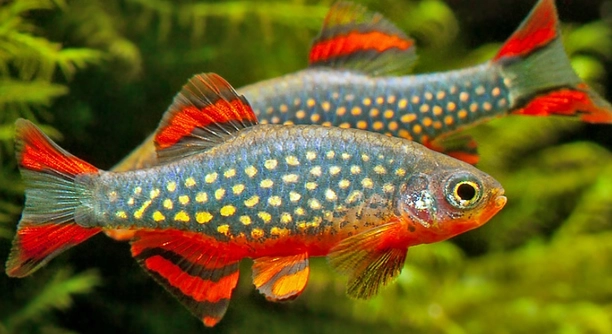
Male and female danios are small, active fish often kept in home aquariums. Their differences are subtle yet noticeable, affecting appearance, behavior, and care. Recognizing these distinctions can make fishkeeping more enjoyable and organized for enthusiasts.
Male danios tend to be slimmer, more colorful, and display more active swimming patterns, while females are generally rounder, paler, and calmer. Morphological differences include body shape, fin size, and overall behavior that help distinguish sexes reliably.
Learning these differences helps in selecting healthy fish and maintaining a balanced aquarium environment for all danios.
Body Shape Differences
Male danios are typically slimmer and more elongated than females. Their streamlined bodies allow them to swim quickly and with agility. Female danios, on the other hand, have rounder, fuller bodies, especially around the abdomen. This difference becomes most noticeable when females are carrying eggs, as their midsection appears noticeably wider. Observing body shape closely is a reliable way to tell the sexes apart, particularly when the fish are mature. In some species, males may even have slightly pointed heads compared to females’ softer, rounded faces. While size can vary between individuals, the general distinction in body shape remains consistent across many danio varieties. Careful observation over time will make these differences easier to recognize, improving your ability to manage groups in a single tank. The contrast between slim, active males and plumper, calmer females is often subtle but clear once you know what to look for.
Slim males tend to swim faster, while females appear more deliberate in their movements.
Understanding body shape differences helps in planning breeding setups and maintaining balanced tank dynamics, ensuring both sexes thrive together.
Coloration and Markings
Male danios usually display brighter and more vivid colors compared to females, who appear paler and less striking.
The differences in coloration are not just aesthetic. Males use vibrant colors to assert dominance and attract females during breeding periods. Females, being less colorful, blend more easily into the surroundings, which can be beneficial for protection. In some species, males may also have subtle patterns on their fins or body that females lack entirely. Observing color differences under natural light is essential, as artificial lighting can alter perception. Breeders often rely on color as a primary method of sex identification, alongside body shape and behavior. Over time, seasonal or environmental changes may affect the intensity of these colors, so repeated observation is key. Understanding the visual differences between males and females improves the management of social dynamics, reduces stress in crowded tanks, and helps predict breeding readiness. Recognizing these distinctions makes it easier to maintain a healthy, harmonious tank.
Fin Shape Differences
Male danios generally have longer and more pointed fins, particularly the dorsal and anal fins, which give them a sharper, more streamlined look. Females have shorter, rounded fins, appearing softer and less pronounced, matching their calmer swimming style and overall rounded body shape.
Longer fins in males serve a functional and visual purpose. During mating displays, males flare their fins to appear larger and more attractive to females. This behavior also helps establish dominance in shared tanks, signaling strength and territory. Females rarely show such displays, keeping their fins close to the body and swimming in a less aggressive, more steady manner. These fin differences are consistent across many danio species and are easily observed once the fish are mature. Watching the fins during active swimming periods highlights the contrast between sexes.
Fin shape also influences movement through the water. Males with pointed fins navigate quickly, while females’ rounded fins favor smoother, slower swimming. These variations affect feeding patterns, tank interactions, and breeding behavior, making fin observation a useful tool in sex identification.
Behavioral Differences
Males are more active and often swim quickly across the tank, while females move more slowly and deliberately. Their interactions also differ in intensity.
Male danios are naturally competitive and display chasing or flaring behaviors frequently. This activity is part of their social hierarchy and is more pronounced in groups with multiple males. Females tend to stay in calmer areas, often avoiding aggressive interactions and focusing on grazing or exploring slowly. Observing behavior over time can help identify sex, as males are consistently more assertive and energetic.
During breeding periods, males become more territorial and persistent, often nudging females gently to signal readiness. Females respond selectively, showing interest only at certain times, and their movements remain measured. Tank layout, hiding spots, and food availability also influence these behaviors. Recognizing these patterns allows for better tank management, reduces stress, and ensures compatibility between males and females in the same environment.
Size Differences
Females are generally slightly larger and rounder than males, especially around the belly. Males remain slimmer and more streamlined, which makes them faster swimmers.
The size difference becomes most obvious when females are carrying eggs. Males maintain a consistent, lean shape throughout their adult life.
Mouth and Feeding Habits
Females often have slightly larger mouths, allowing them to consume more food at once. Males tend to eat more frequently but in smaller bites, reflecting their higher activity level.
Social Interaction Patterns
Males are more likely to chase each other and assert dominance. Females usually avoid conflict and focus on grazing, showing calmer social behavior.
Breeding Readiness Indicators
Females develop a fuller abdomen when ready to lay eggs, while males exhibit brighter colors and more frequent displays to attract females.
FAQ
How can I quickly tell a male from a female danio?
Males are slimmer, more colorful, and have pointed fins. Females are rounder, paler, and have shorter, rounded fins. Observing swimming patterns also helps: males are faster and more active, while females move steadily and avoid aggressive interactions.
Do color differences change over time?
Yes, males’ colors may become brighter during breeding periods and slightly fade afterward. Females generally remain paler, though lighting and water quality can influence perception. Consistent observation under natural or white light is best for accurate identification.
Are body shape differences reliable for sexing danios?
Body shape is one of the most reliable indicators. Males stay slim and elongated, while females appear fuller, especially when carrying eggs. This distinction becomes clearer as the fish mature, making repeated observation helpful.
Do fin shapes serve a purpose beyond appearance?
Yes, male fins are longer and more pointed, which aids in display behaviors and swift movement. Females’ shorter, rounded fins support calmer, slower swimming, reflecting their less aggressive social behavior.
Do males always chase females?
Males often show chasing behavior, particularly during breeding periods. This is part of courtship and social hierarchy. Females usually respond selectively, moving away if uninterested. Understanding these interactions helps maintain balance in a shared tank.
Do size differences affect feeding habits?
Females’ slightly larger bodies mean they can consume more food at once. Males eat smaller amounts more frequently due to their higher activity. Feeding both sexes appropriately ensures healthy growth and reduces competition.
Can breeding readiness be identified easily?
Yes, females develop fuller abdomens when ready to lay eggs. Males display brighter colors and more frequent fin flares. These visual cues are clear indicators of reproductive readiness, allowing careful pairing for breeding purposes.
Do environmental factors influence behavior and appearance?
Water quality, lighting, and tank layout can affect both activity and coloration. Males may display more vividly in well-lit tanks, while females might appear paler if stressed. Maintaining a stable environment supports natural behavior and accurate sex identification.
Is it safe to keep multiple males together?
Yes, but expect increased chasing and display behaviors. Providing hiding spots and sufficient space helps reduce stress. Balancing male and female ratios also prevents excessive aggression and supports healthy social dynamics.
Can I use these differences for breeding purposes?
Absolutely. Observing body shape, coloration, fin size, and behavior allows you to select compatible males and females. Timing pairings with females’ breeding readiness improves the success of egg laying and fertilization.
How long does it take to accurately identify sexes?
With careful observation, basic differences can be seen within weeks as fish mature. Full confidence usually comes after several months of monitoring body shape, coloration, fin structure, and social behavior. Patience is key to accurate identification.
Are there exceptions to these general differences?
Some individual variations exist. Lighting, diet, or genetics may cause slight deviations, such as paler males or rounder females. Relying on a combination of traits—body shape, color, fins, and behavior—ensures more accurate identification.
Does stress affect sex-specific traits?
Yes. Stressed males may display duller colors or reduced activity, while stressed females might appear slimmer or hide more. Providing stable conditions, regular feeding, and minimal disturbances keeps traits visible and natural.
Do all danio species show these differences clearly?
Most common species like zebra and leopard danios show clear distinctions. Less common varieties may have subtler differences, requiring closer observation. Understanding species-specific traits helps improve identification accuracy and tank management.
How important is recognizing these differences for tank management?
It is very important. Correctly identifying sexes helps prevent overcrowding, reduces aggression, and supports successful breeding. Knowing which fish are males or females also aids in creating a balanced social environment, ensuring healthier, calmer fish.
Final Thoughts
Understanding the differences between male and female danios is essential for maintaining a healthy aquarium. These differences are subtle but noticeable once you know what to look for. Body shape, fin structure, coloration, size, and behavior all provide clear clues about the sex of your fish. Males tend to be slimmer, more colorful, and active, with longer, pointed fins. Females are rounder, paler, and calmer, often with shorter, rounded fins. Observing these traits carefully allows you to distinguish males from females without relying on guesswork. Over time, recognizing these differences becomes easier as you spend more time watching your fish. This awareness can improve how you care for your tank, reduce stress among your fish, and support natural behavior patterns, which is especially important in breeding setups or community tanks.
Paying attention to behavior adds another layer of understanding. Males are often more active and may chase each other or interact with females frequently, while females generally swim more deliberately and avoid aggressive displays. These patterns are natural and reflect social hierarchy, reproductive readiness, and individual temperament. Coloration differences are also key, as males display brighter colors during breeding periods, while females remain paler. Environmental factors such as lighting, tank layout, and water quality can influence the visibility of these traits, so providing a stable, well-maintained environment ensures these differences remain noticeable. Combining observation of physical traits with behavior gives a more complete picture of the sexes, making tank management easier and more effective.
Being able to identify males and females accurately benefits both care and breeding. Recognizing when a female is carrying eggs or when a male is displaying for courtship allows for careful pairing and reduces unnecessary stress. Size differences and feeding patterns also play a role, as females may eat more in one sitting while males prefer smaller, more frequent meals. This knowledge helps prevent competition over food and ensures all fish receive adequate nutrition. Overall, observing these differences encourages better planning of tank dynamics, supports healthy interactions, and promotes the overall wellbeing of your danios. With practice and patience, distinguishing between males and females becomes second nature, and it can make your aquarium a more balanced and harmonious space.

Hello,
If you enjoy the content that we create, please consider saying a "Thank You!" by leaving a tip.
Every little bit helps us continue crafting quality advice that supports the health, happiness, and well-being of pets around the world, for pets of all shapes, sizes, and species.
We really appreciate the kindness and support that you show us!