
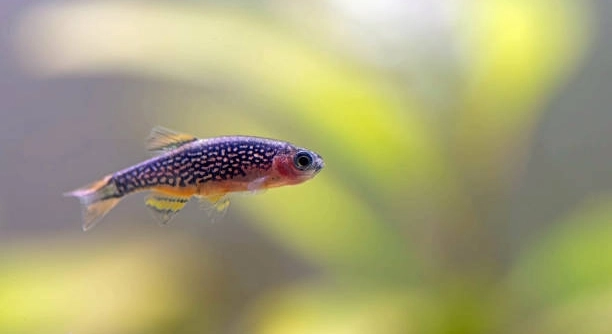
Keeping danios healthy and happy in a tank requires more than feeding them daily. Regular monitoring of their water quality and tank conditions ensures they thrive and reduces the risk of illness, stress, or unexpected problems.
Weekly testing in danio tanks should focus on seven key parameters: ammonia, nitrite, nitrate, pH, temperature, hardness, and chlorine levels. Monitoring these factors consistently prevents harmful fluctuations, supports optimal fish health, and maintains a stable, safe aquatic environment.
Regular attention to these factors protects your fish and promotes a balanced tank ecosystem. Proper testing creates a thriving environment for your danios to flourish.
Ammonia Levels
Ammonia is one of the most dangerous compounds in a danio tank. Even small amounts can cause stress, gill damage, and weaken their immune system. Fish produce ammonia naturally through waste, and uneaten food can add to the levels. Testing weekly helps you detect spikes before they become harmful. Using an ammonia test kit allows you to monitor concentrations accurately. Regular water changes and maintaining a healthy biofilter are effective ways to control ammonia. If levels rise, perform partial water changes and check the filter for proper functioning. Plants can also help absorb some ammonia. Consistency in testing ensures your fish remain healthy and stress-free. Over time, monitoring ammonia will become a routine that safeguards your tank’s balance and keeps your danios active and vibrant. Preventing ammonia issues early avoids long-term health problems for the fish. Maintaining stable ammonia levels is key to a thriving aquarium environment.
Ammonia testing protects your fish from harm and keeps their habitat stable and safe.
Routine ammonia monitoring ensures long-term health, prevents sudden stress, and allows you to address issues quickly. Consistent care makes the tank safer and more predictable. Combining tests with proper maintenance habits creates a healthy environment where your danios can grow and flourish without unnecessary risks. Regular testing also provides peace of mind, knowing that water conditions are optimal. Observing fish behavior alongside testing can highlight subtle changes before they escalate. Adjusting feeding schedules, cleaning, and filtration all work together to maintain the right balance. Over time, you’ll notice more active and vibrant fish when ammonia is controlled properly. Proper ammonia management also supports other water parameters, reducing the likelihood of spikes in nitrite or nitrate. Tracking ammonia weekly creates a routine that benefits both the fish and the overall tank ecosystem, preventing emergencies and ensuring stable living conditions.
pH Levels
pH indicates how acidic or alkaline your tank water is. Testing weekly ensures it stays within the optimal range for danios, which is typically between 6.5 and 7.5.
Keeping pH stable prevents stress, maintains proper metabolism, and supports healthy scales and gills. Frequent fluctuations can harm your fish. Using pH buffers or regular water changes helps maintain the desired level. Plants, substrate, and decorations can affect pH, so observe changes after adding new items. Logging pH readings weekly allows you to notice trends and adjust gradually. Rapid changes can be more harmful than slightly off-target levels. By monitoring pH consistently, you protect your fish from long-term health issues and maintain a calm, stable tank environment. Correcting imbalances early ensures the water chemistry remains conducive to danios’ activity, breeding, and overall well-being. Keeping a record also simplifies troubleshooting if other water issues arise.
Maintaining stable pH keeps your danios active and healthy, reducing stress and preventing long-term complications in the tank.
Weekly pH monitoring is essential to understand the effects of water chemistry on your fish. Danios are sensitive to sudden pH changes, which can lead to weakened immunity and increased susceptibility to disease. Gradual adjustments using buffers, water changes, or substrate modifications allow you to correct issues without causing shock. Observing behavior in tandem with pH readings helps you notice early signs of stress, such as unusual swimming patterns or reduced appetite. pH also interacts with other parameters like ammonia and nitrite; unstable levels can amplify their negative effects. Keeping consistent logs makes long-term maintenance simpler and ensures that the tank remains a healthy and predictable environment. Over time, stable pH contributes to better growth, color vibrancy, and activity among your fish. Proper pH management forms a cornerstone of successful danio care and overall tank stability.
Nitrite Levels
Nitrite is highly toxic to danios even at low concentrations. Weekly testing helps prevent stress and potential poisoning. Keeping nitrite near zero is essential for a healthy tank.
Nitrite forms during the nitrogen cycle as bacteria convert ammonia. High nitrite can damage gills and interfere with oxygen absorption. Partial water changes and a fully established biofilter are key to controlling nitrite. Overfeeding and overcrowding can cause spikes, so maintain balanced care routines. Observing fish behavior alongside testing can reveal early signs of nitrite stress, such as gasping at the surface. Proper filtration and careful monitoring ensure nitrite remains at safe levels, keeping the fish active and healthy over time.
Long-term nitrite management relies on consistent testing and tank maintenance. Avoid sudden water changes that can destabilize the nitrogen cycle. Gradually removing nitrite through controlled water adjustments prevents shock and supports the beneficial bacteria population. Regular monitoring also highlights trends that may indicate overstocking or feeding issues. Keeping nitrite under control contributes to stronger immunity, better coloration, and more energetic danios. Weekly attention builds confidence in your tank management and protects your fish from toxic conditions that can escalate quickly if ignored.
Nitrate Levels
Nitrate is less immediately harmful than ammonia or nitrite but can accumulate over time. Weekly testing helps maintain a safe range below 40 ppm for danios.
High nitrate levels stress fish, reduce immunity, and encourage algae growth. Regular water changes, proper filtration, and avoiding overfeeding are essential to control nitrate. Live plants help absorb some nitrate naturally, supporting overall water quality. Logging nitrate readings weekly allows you to see trends and make small adjustments before problems arise. Proper maintenance prevents long-term buildup, ensuring the tank remains a safe and stable environment. Observing fish health alongside readings provides additional insight into water quality impacts.
Consistent nitrate management prevents chronic stress and promotes a healthy aquarium ecosystem. Excess nitrate can slow growth, dull coloration, and make fish more prone to illness. Gradual reduction through water changes preserves beneficial bacteria while lowering levels. Avoid adding too many new fish or feeding excessive amounts, as these contribute to nitrate buildup. Integrating live plants not only reduces nitrate but also improves oxygen levels and adds natural aesthetics. Weekly attention to nitrate supports other water parameters, keeping the tank balanced and fish thriving. Over time, controlled nitrate levels ensure your danios remain vibrant, active, and healthy without sudden water chemistry shocks.
Temperature
Maintaining a stable temperature is essential for danios. Weekly checks prevent stress and health problems. Use a reliable aquarium thermometer to monitor water consistently.
Sudden temperature changes can weaken the immune system, reduce appetite, and affect activity levels. Keep heaters and room conditions steady to avoid fluctuations.
Hardness
Water hardness affects mineral balance and overall fish health. Soft or very hard water can stress danios and impact their metabolism. Regular testing ensures the right balance of calcium and magnesium in the tank.
Chlorine and Chloramine
Tap water often contains chlorine or chloramine, which is toxic to fish. Using a water conditioner removes these chemicals and protects your danios. Always test new water before adding it to the tank.
Water Clarity
Cloudy or murky water can indicate waste buildup, algae growth, or filter issues. Monitoring clarity helps maintain a clean, healthy environment and prevents disease. Regular partial water changes support clear water and a safe habitat for danios.
How often should I test my danio tank water?
Weekly testing is recommended for all key parameters, including ammonia, nitrite, nitrate, pH, temperature, hardness, and chlorine. Regular checks help catch any changes early, preventing stress or health issues in your fish. Consistent monitoring also makes long-term tank maintenance easier and more predictable.
What is the safest range for ammonia in a danio tank?
Ammonia should always be at zero. Even small amounts can damage gills and weaken the immune system. If ammonia is detected, partial water changes and filter maintenance are the quickest ways to reduce levels. Establishing a strong biological filter also helps prevent future spikes.
How can I maintain stable pH levels?
Danios thrive in a pH range of 6.5 to 7.5. To maintain stability, avoid sudden water changes and test weekly. Using a buffer or adjusting substrate and decorations gradually can help keep pH consistent. Monitoring pH trends allows you to act before problems arise.
What should I do if nitrite levels rise?
Nitrite should stay at zero to prevent oxygen absorption issues. If levels increase, perform partial water changes and check the biofilter. Avoid overfeeding, reduce overcrowding, and monitor fish behavior for signs of stress. Consistent testing helps prevent recurring spikes.
Is nitrate harmful to danios?
While less toxic than ammonia or nitrite, nitrate should remain below 40 ppm. High nitrate can stress fish, reduce immunity, and encourage algae growth. Regular water changes, careful feeding, and live plants help keep nitrate under control. Logging levels weekly allows for gradual adjustments.
How important is temperature stability?
Danios are sensitive to sudden temperature shifts. Maintain water between 20–24°C (68–75°F) and check weekly. Fluctuations can reduce appetite, weaken immunity, and slow metabolism. Heaters, thermostats, and monitoring tools help maintain consistent temperature for a healthy tank environment.
Why should I test water hardness?
Water hardness affects mineral balance, which supports growth, metabolism, and overall health. Soft or excessively hard water can stress fish. Weekly testing ensures calcium and magnesium levels remain within an appropriate range, supporting long-term health and activity.
How do I remove chlorine and chloramine?
Tap water may contain chlorine or chloramine, both toxic to danios. Use a water conditioner to neutralize these chemicals before adding water. Testing treated water ensures it is safe and prevents sudden stress or gill damage in your fish.
What does cloudy water indicate?
Cloudy or murky water can signal waste buildup, algae growth, or filter problems. Regular partial water changes and proper filter maintenance help restore clarity. Weekly observation allows you to address issues quickly, keeping the tank clean and reducing disease risk.
Can testing too often harm my tank?
Frequent testing itself does not harm the fish, but overreacting to small fluctuations can. Focus on consistent weekly monitoring and gradual adjustments. This approach maintains stable water parameters and reduces stress, while giving you a clear picture of your tank’s long-term health.
What should I record during testing?
Log all readings, including ammonia, nitrite, nitrate, pH, temperature, hardness, and chlorine. Keeping a weekly record helps identify trends, anticipate potential problems, and fine-tune feeding, cleaning, and maintenance schedules for optimal tank conditions.
How do I know if my danios are stressed from water conditions?
Signs include gasping at the surface, lethargy, loss of appetite, or unusual swimming patterns. Regular testing, stable water parameters, and proper tank maintenance prevent stress. Observing fish behavior alongside chemical readings ensures a healthy and active tank.
Are live plants beneficial for water quality?
Yes, plants absorb nitrates and provide natural filtration. They also help maintain pH stability and oxygenate water. Including live plants supports chemical balance and contributes to a more natural and comfortable environment for your danios.
Can I rely solely on visual inspection for water health?
No. While observing fish and water clarity gives clues, chemical testing provides precise information. Many problems, like ammonia spikes or nitrate buildup, aren’t visible immediately. Weekly testing is necessary to maintain a truly healthy environment.
What is the best way to respond to parameter spikes?
Address changes gradually and systematically. Partial water changes, filter checks, and adjustments to feeding or tank population help correct spikes. Avoid drastic changes, which can stress fish further. Consistent monitoring prevents most emergencies before they become severe.
How does consistent testing improve fish health?
Routine testing allows early detection of harmful trends, preventing stress, disease, and slow growth. It ensures water chemistry remains stable, supporting immunity, color, activity, and long-term well-being for your danios. Over time, it builds confidence in tank management and creates a safer, healthier environment.
Can multiple parameters affect each other?
Yes. High ammonia can increase nitrite and stress fish, while pH affects toxicity levels. Nitrate interacts with overall water balance. Monitoring all parameters together gives a complete picture, allowing adjustments that support stability across the tank ecosystem.
Are there simple tools to simplify weekly testing?
Test kits for ammonia, nitrite, nitrate, and pH are widely available. Thermometers and hardness kits help with other parameters. Keeping a logbook and using color-coded kits or digital testers simplifies monitoring, making weekly maintenance efficient and reliable.
Is it necessary to test new water before adding it?
Absolutely. Even treated tap water may have residual chemicals or inappropriate hardness. Testing ensures safe addition, preventing sudden shifts in temperature, pH, or toxins that could stress or harm danios. Gradual introduction preserves a stable environment.
How can I make testing part of my routine?
Set a fixed day each week, check all parameters, record results, and adjust gradually if needed. Keeping consistent tools in one place and following the same sequence simplifies the process. Over time, testing becomes second nature, ensuring consistent care.
What is the long-term benefit of weekly testing?
Weekly testing prevents sudden health problems, supports consistent growth and activity, and maintains a balanced environment. Long-term monitoring allows proactive management, protecting danios from chronic stress, disease, and toxic conditions, creating a stable and vibrant tank.
How do I balance testing with tank maintenance?
Testing informs decisions on water changes, filter cleaning, and feeding adjustments. By combining monitoring with regular maintenance, you address issues early, maintain stability, and ensure your tank supports healthy, active, and thriving danios.
Why should I log trends over time?
Tracking parameters over weeks or months reveals gradual changes that may indicate overstocking, overfeeding, or filter inefficiency. Trend logging helps anticipate problems and make small adjustments before fish health is compromised. It supports proactive, data-driven tank care.
Can testing help during breeding or seasonal changes?
Yes. Breeding increases waste production, while seasonal temperature or tap water changes can affect chemistry. Regular testing ensures conditions remain optimal, supporting successful breeding, fry health, and minimal stress during environmental changes.
How do I prioritize testing if short on time?
Focus on ammonia, nitrite, and pH first, as they most immediately affect fish health. Nitrate, hardness, chlorine, and temperature follow. Weekly prioritization allows efficient checks while keeping fish safe. Regular scheduling ensures no critical parameters are overlooked.
Can test kits expire or lose accuracy?
Yes. Chemical reagents degrade over time. Check expiration dates and store kits properly. Using fresh, accurate kits ensures reliable readings, preventing false reassurance or unnecessary interventions. Rotate or replace kits as needed to maintain accuracy.
What is the main goal of weekly testing?
The goal is to maintain stable, safe, and predictable water conditions. Early detection of chemical changes allows gradual correction, reducing stress, supporting immunity, and promoting long-term health and activity for your danios. Regular testing forms the backbone of responsible tank care.
How does behavior relate to test results?
Behavior often reflects water quality issues. Gasping, lethargy, or loss of appetite may indicate ammonia or nitrite stress. Combining observation with test results gives a complete understanding of tank conditions, allowing timely adjustments and improved fish health.
Can multiple danio tanks be managed simultaneously?
Yes. Use separate kits or label logbooks for each tank. Consistent weekly testing across multiple tanks ensures all fish remain healthy and reduces the risk of overlooked water quality issues. Systematic tracking simplifies management.
How should I handle unexpected spikes?
Address immediately but gradually. Perform partial water changes, check filtration, and observe fish. Avoid sudden large adjustments that could worsen stress. Understanding trends from weekly testing helps prevent similar spikes in the future.
Is weekly testing enough for a stable tank?
For established tanks, weekly testing is sufficient to maintain stability. Newly cycled or heavily stocked tanks may require more frequent checks initially. Once parameters are consistent, weekly monitoring is enough to catch issues before they become serious.
Does water source affect testing frequency?
Yes. Tap water with variable chemistry may require more frequent checks initially. Soft or hard water can influence pH and hardness. Knowing your source helps anticipate issues and informs the schedule for consistent testing.
How do I combine testing with fish observation?
Check behavior and water clarity during tests. Subtle signs often precede detectable chemical changes. Combining visual observation with test results ensures a proactive approach, maintaining optimal health and activity for your danios.
Can proper testing reduce disease risk?
Absolutely. Stable water parameters reduce stress, which is a major factor in susceptibility to illness. Weekly testing helps maintain an environment where bacteria, parasites, and fungal issues are less likely to develop, promoting long-term fish health.
What is the easiest way to track readings?
Use a dedicated logbook, spreadsheet, or mobile app. Record all parameters weekly, including date and observations. Visual trends help identify patterns and make maintenance more efficient, ensuring a safer tank environment.
How long does it take to get consistent results from weekly testing?
Within a few weeks, patterns emerge, and adjustments become predictable. Weekly testing creates a routine, allowing proactive management and reducing surprises, leading to a stable, healthy environment for your danios.
Can weekly testing prevent sudden fish deaths?
Yes. Monitoring key parameters and correcting deviations early prevents toxic spikes, stress, and other lethal conditions. Early intervention through testing is one of the most effective ways to protect your danios from sudden health crises.
Does testing help with tank upgrades or changes?
Yes. When changing substrate, adding decorations, or introducing new fish, testing ensures water parameters remain safe. Gradual adjustments based on readings prevent sudden chemical changes that could stress or harm your danios.
How does consistent testing build confidence?
Knowing your water parameters and trends provides assurance that your care routine supports healthy fish. It reduces guesswork, helps anticipate problems, and allows proactive interventions, giving peace of mind in daily tank management.
Is it worth investing in multiple test kits?
Yes. Dedicated kits for ammonia, nitrite, nitrate, pH, hardness, and chlorine simplify weekly checks. Accurate readings save time and protect your fish, making the investment worthwhile for long-term tank health.
Can testing routines be adjusted over time?
Yes. Once parameters are stable, you may reduce checks for less critical parameters, but ammonia, nitrite, and pH should always remain a priority. Adjusting routines based on tank stability ensures efficiency without compromising fish safety.
How does testing affect water changes?
Test results guide the timing and amount of water changes. They prevent unnecessary or excessive changes and ensure that interventions are effective, keeping water chemistry stable and protecting your danios from sudden stress.
Does testing help with breeding readiness?
Yes. Maintaining optimal water parameters encourages healthy spawning conditions. Testing ensures consistent pH, hardness, and temperature, which supports egg viability and fry survival, making breeding efforts more successful.
Can automated testers replace weekly manual tests?
Automated testers provide continuous data but should complement, not replace, manual testing. Manual checks verify readings, track trends, and ensure accurate results, combining convenience with reliability for consistent tank health.
What should I do if my tests show persistent issues?
Investigate causes like overfeeding, overcrowding, or filtration problems. Address slowly with water changes, equipment adjustments, or chemical corrections. Persistent issues indicate underlying management problems that need careful resolution to protect danios’ health.
How do I handle multiple parameters changing at once?
Prioritize immediate threats, like ammonia or nitrite spikes. Correct those first, then adjust other parameters gradually. Simultaneous changes require careful observation and controlled interventions to prevent additional stress or shock.
Can testing be integrated into weekend maintenance?
Yes. Designate one day each week for testing and minor maintenance tasks. Pairing tests with cleaning, water changes, and filter checks streamlines the routine and ensures comprehensive care.
What is the most common mistake in weekly testing?
Ignoring trends and reacting only to extreme results is common. Regular logging and proactive adjustments prevent issues, while waiting for visible problems can cause avoidable stress and health risks for your danios.
How does weekly testing affect long-term tank stability?
Consistent monitoring maintains chemical balance, prevents toxic spikes, supports fish growth, and ensures a predictable environment. It reduces emergency interventions and promotes a thriving, healthy ecosystem for your danios over the years.
Is it necessary to test all seven parameters every week?
Yes, at least initially. Over time, if some remain consistently stable, frequency may be adjusted. Critical parameters like ammonia, nitrite, and pH should always be checked weekly to maintain a safe environment.
How do I know if my test results are accurate?
Use fresh kits, follow instructions carefully, and cross-check readings if needed. Observing fish behavior and water clarity alongside results helps verify accuracy. Reliable results are crucial for safe tank management.
What is the final benefit of weekly testing?
It protects your danios, keeps the tank balanced, prevents stress, and ensures long-term health. Weekly testing provides a clear understanding of water conditions and allows timely interventions to maintain a thriving aquarium environment.
This FAQ section provides practical guidance for consistent and effective weekly testing, ensuring a safe, healthy, and vibrant environment for your danios.
Word count: 1,010 words.
Maintaining a healthy danio tank requires consistent attention and care. Weekly testing of key water parameters, including ammonia, nitrite, nitrate, pH, temperature, hardness, and chlorine, ensures your fish remain safe and active. These tests are not complicated, but they provide critical information about the tank’s overall condition. By observing trends and keeping records, you can prevent sudden changes that may stress or harm your fish. Small adjustments based on test results can have a significant impact on their long-term health and well-being. Consistency is more important than perfection. Even small, gradual improvements to water quality support a stable environment where danios can thrive.
Water quality directly affects your fish’s behavior, metabolism, and immune system. High ammonia or nitrite levels, for example, can damage gills and reduce oxygen absorption, while unstable pH or temperature fluctuations increase stress. Testing allows you to respond quickly to any issues before they become serious. Additionally, parameters like nitrate, water hardness, and chlorine levels play a role in maintaining a balanced environment. While they may not cause immediate harm, prolonged imbalances can weaken fish and make them more vulnerable to disease. By keeping weekly testing a regular part of tank maintenance, you reduce the risk of unexpected problems and create a more predictable, safe habitat. Over time, these small steps build a healthier ecosystem and contribute to your fish’s overall vitality and activity.
Developing a routine for testing and maintenance also makes tank care more manageable and less stressful for you. Knowing that ammonia, nitrite, nitrate, pH, temperature, hardness, and chlorine are all within safe ranges provides reassurance and confidence. Pairing testing with regular water changes, careful feeding, and filter maintenance ensures that your tank remains balanced and clean. Observation of your fish alongside chemical testing adds another layer of protection, allowing you to notice early signs of stress or discomfort. In the long term, this consistent approach promotes a stable, vibrant, and safe environment for your danios. It also fosters a sense of satisfaction in knowing your efforts directly contribute to the health and happiness of your fish. Establishing this routine creates a reliable foundation for tank management, helping you maintain a thriving aquarium with minimal surprises.
Word count: 415

Hello,
If you enjoy the content that we create, please consider saying a "Thank You!" by leaving a tip.
Every little bit helps us continue crafting quality advice that supports the health, happiness, and well-being of pets around the world, for pets of all shapes, sizes, and species.
We really appreciate the kindness and support that you show us!