
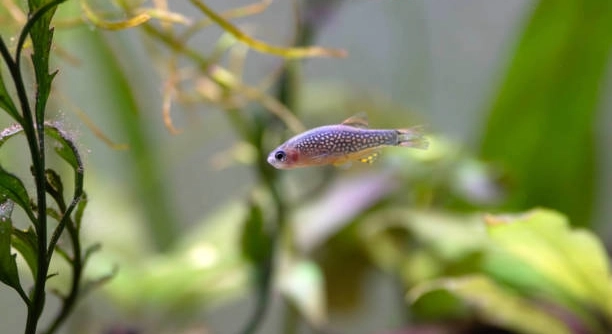
Are your Danios thriving in a tank that truly supports breeding success? Maintaining the right conditions for these small, energetic fish can make all the difference in encouraging healthy, vibrant offspring for your aquarium.
A successful breeder Danio tank requires careful attention to water quality, temperature, tank size, hiding spaces, spawning mops, nutrition, and regular maintenance. Each factor contributes to optimal breeding conditions, supporting healthy fry development and overall fish wellbeing.
Knowing the essentials for a breeding setup can transform your hobby, ensuring your Danios reproduce healthily and thrive in a safe environment.
Tank Size and Setup
Choosing the right tank size is essential for breeding Danios successfully. A 20-gallon tank is ideal for a small group, providing enough swimming space and minimizing stress. The tank should be equipped with a gentle filter to maintain water circulation without disturbing delicate eggs or fry. Substrate choice matters as well; a fine gravel or bare-bottom tank can make cleaning easier and reduce the risk of eggs getting trapped. Adding live plants or artificial spawning mops gives the fish places to lay eggs and offers fry some cover once they hatch. Positioning the tank away from direct sunlight helps prevent algae growth and keeps temperature fluctuations minimal. Regular water changes maintain optimal water quality, keeping ammonia and nitrate levels low. Monitoring pH and hardness ensures the environment stays stable, which is crucial for Danios, as they can be sensitive to sudden changes. Consistency in setup helps the fish feel secure and encourages breeding behavior.
Selecting a stable tank setup reduces stress and supports reproductive success, giving your Danios the best chance to thrive.
A well-planned tank also simplifies daily maintenance. With plants, hiding spots, and proper filtration, cleaning becomes more manageable. Eggs and fry have spaces to grow safely, reducing losses. The environment directly influences breeding frequency and fry survival. Observing the fish regularly allows adjustments, ensuring health and water parameters remain consistent. The right tank size balances fish activity and comfort, preventing overcrowding while encouraging natural behaviors. Over time, a properly set up tank promotes stronger, healthier fry, making your efforts more rewarding. Proper preparation minimizes risks and supports the breeding process efficiently, saving time and effort. Overall, careful tank setup is foundational to success and creates a more enjoyable experience when working with Danios.
Water Quality and Temperature
Maintaining stable water quality and temperature is crucial for Danio breeding. Clean water promotes health and encourages spawning.
Danios thrive in slightly cooler water, around 72-78°F. Sudden changes can stress the fish, reducing breeding success. Consistent water parameters ensure eggs develop properly and fry survive.
Monitoring ammonia, nitrites, and nitrates is essential. High levels can harm both adults and fry, making regular water changes necessary. Using a reliable thermometer and water test kits allows you to track conditions closely. Heating equipment should be stable and gentle, avoiding temperature swings. Filtration should support clean water while remaining gentle enough to prevent eggs and fry from being disturbed. Aeration helps maintain oxygen levels, which is critical for developing fry. Regular observation of fish behavior provides clues about water quality; stressed fish may hide or show reduced activity. Balancing water chemistry and temperature creates a stable environment that encourages breeding naturally, reducing the need for intervention. Consistency is the key to supporting a thriving breeder Danio tank.
Hiding Spaces and Spawning Mops
Providing hiding spaces and spawning mops reduces stress and increases breeding success. Plants, both live and artificial, offer cover for adults and fry. Spawning mops give females a safe place to lay eggs, preventing adults from eating them.
Dense plant clusters or moss mats create secure areas for Danios to explore. Fry can hide immediately after hatching, increasing survival rates. Artificial spawning mops made from yarn or soft materials are easy to clean and remove when eggs hatch. Positioning these strategically in the tank prevents overcrowding and allows adults to swim freely. Both hiding spots and mops simulate a natural environment, supporting healthy behavior and encouraging breeding.
Using a combination of plants and spawning mops ensures eggs and fry remain safe from predation. Regular inspection of mops allows timely removal of hatched eggs, minimizing losses. Adjusting plant density and mop placement over time helps maintain a balance between adult activity and fry protection. Observing the tank allows you to refine hiding spaces, creating an environment that maximizes breeding potential without compromising fish health.
Nutrition and Feeding
High-quality nutrition supports breeding readiness and fry development. A varied diet strengthens fish and improves egg quality, increasing survival rates.
Feeding Danios a mix of live, frozen, and flake foods ensures they receive essential proteins and vitamins. Brine shrimp, daphnia, and finely crushed flake foods supply energy and promote healthy development. Feeding small portions multiple times a day prevents overfeeding and maintains water quality. Observing their eating behavior helps adjust diet and avoid deficiencies. Strong, well-fed adults are more likely to spawn regularly and produce viable eggs.
Fry require specialized foods once hatched, including infusoria or finely crushed flakes. Gradually introducing larger foods supports growth without shocking their digestive systems. Rotating food types prevents nutrient gaps and encourages natural foraging behaviors. Maintaining consistent feeding schedules reduces stress and keeps water clean. Nutrition directly influences reproductive performance and fry survival, making careful diet planning essential for a thriving breeder tank. Supporting fish health through proper feeding ultimately improves long-term breeding outcomes.
Regular Maintenance
Regular maintenance keeps the tank environment safe and healthy for both adults and fry. Frequent water changes and substrate cleaning prevent harmful buildup, supporting overall fish health.
Monitoring filter performance and removing debris promptly reduces stress and maintains water quality. Consistent maintenance encourages natural breeding behavior and protects developing eggs from contamination.
Monitoring Breeding Behavior
Observing mating behavior helps determine the best time to remove eggs or adjust tank conditions. Males often chase females and display vibrant colors during spawning. Keeping a close watch ensures eggs are protected and fry survival rates increase.
Fry Care
Once hatched, fry need gentle care to thrive. Feeding small, frequent portions of specialized foods supports their growth and development. Maintaining stable water conditions and providing safe hiding spaces encourages healthy fry behavior. Careful observation ensures they remain active and strong as they mature.
Avoiding Overcrowding
Overcrowding reduces water quality and increases stress, affecting breeding success. Separating fry from adults and maintaining proper fish density prevents competition and supports healthy growth.
FAQ
How often should I change the water in a breeder Danio tank?
Water changes should be performed at least 20-30% weekly. This helps remove excess waste, reduces harmful chemicals like ammonia and nitrites, and keeps the water parameters stable. Maintaining consistent water quality is crucial for both adult Danios and developing fry.
What is the ideal temperature for breeding Danios?
Danios breed best in slightly cooler water, around 72-78°F. Sudden fluctuations can stress the fish, reduce spawning frequency, and affect egg development. Using a reliable heater and thermometer ensures the temperature remains stable and suitable for breeding.
Do Danios need special lighting to spawn?
Standard aquarium lighting is sufficient, but maintaining a consistent day-night cycle helps regulate behavior. Providing 10-12 hours of light daily supports natural activity patterns and encourages spawning, while also benefiting plant growth and overall tank health.
Can I use any plants for hiding spaces?
Live or artificial plants are both effective. Dense plants or moss mats offer cover for adults and fry, while artificial spawning mops provide safe areas for egg-laying. The choice depends on personal preference and ease of maintenance. Both options reduce stress and increase breeding success.
How do I know when Danios are ready to spawn?
Males will display vibrant colors and chase females more actively. Females may appear plumper due to eggs. Observing these behaviors helps identify the right time to provide spawning mops or adjust tank conditions for successful breeding.
Should I separate fry from adults immediately after hatching?
Yes, separating fry prevents adults from eating the eggs or young fish. Using a breeding net or moving fry to a rearing tank ensures higher survival rates and allows you to monitor growth and feeding closely.
What do I feed newly hatched fry?
Fry require very small, easily digestible foods such as infusoria or finely crushed flakes. Gradually introducing larger foods as they grow supports healthy development. Frequent small feedings help maintain water quality and ensure fry receive adequate nutrition.
How can I prevent overfeeding in a breeder tank?
Feed small portions multiple times a day and remove uneaten food promptly. Overfeeding can lead to poor water quality, stress, and increased risk of disease. Monitoring fish behavior during feeding ensures they consume the food efficiently without excess waste.
Can Danios breed without live plants?
Yes, but spawning mops or artificial structures are recommended. They provide a safe surface for eggs, reducing the risk of adults eating them. Proper hiding spaces simulate natural conditions and improve breeding success even in plant-free setups.
How long does it take for eggs to hatch?
Danio eggs typically hatch within 24-36 hours, depending on temperature. Warmer water speeds up development slightly, while cooler water slows it. Maintaining stable water conditions ensures proper egg development and increases fry survival rates.
Is it necessary to condition Danios before breeding?
Yes, conditioning with high-quality foods improves health and egg viability. Feeding live or frozen foods such as brine shrimp or daphnia strengthens adults and prepares them for spawning, resulting in more frequent and successful breeding events.
How do I maintain water quality while raising fry?
Frequent, small water changes help remove waste without stressing fry. Avoid strong filtration that could harm them. Gentle aeration and regular monitoring of ammonia, nitrite, and nitrate levels ensure a safe environment for young Danios to grow.
Can Danios spawn year-round?
With stable water conditions, proper nutrition, and consistent tank setup, Danios can spawn multiple times throughout the year. Maintaining optimal parameters and monitoring adult behavior increases the likelihood of regular spawning events.
How can I tell if fry are healthy?
Healthy fry are active, swimming freely, and show steady growth. They should feed eagerly and avoid hiding excessively. Monitoring water quality and diet ensures continued development and prevents disease outbreaks, supporting a strong, thriving population.
Are there any signs that breeding is not successful?
Failure to spawn or frequent egg loss may indicate stress, poor water quality, or insufficient nutrition. Adjusting temperature, hiding spaces, and diet can correct issues and improve the chances of successful breeding in future attempts.
What is the best way to clean spawning mops?
Remove mops after eggs hatch and rinse gently in tank water to avoid damaging fry. Avoid using chemicals. Clean mops can be reused, keeping the tank environment safe and reducing the risk of contamination while maintaining consistent spawning support.
How often should I monitor water parameters?
Check water parameters at least twice a week, including temperature, pH, ammonia, nitrite, and nitrate levels. Frequent monitoring helps catch issues early, preventing stress or harm to adults and fry and ensuring a stable breeding environment.
Can Danios breed in a community tank?
Breeding in a community tank is possible but less reliable. Other fish may eat eggs or fry, and stress levels may increase. A dedicated breeder tank improves survival rates and allows better control of conditions for successful reproduction.
How do I know when fry are ready to eat larger foods?
Once fry grow larger and swim actively, usually after 7-10 days, you can introduce finely crushed flake foods or small live foods. Gradual transition ensures they can digest and consume food without compromising growth or water quality.
Is it necessary to remove adults after spawning?
Removing adults is recommended to prevent them from eating eggs or fry. This step increases fry survival and allows you to manage feeding and water quality more effectively, supporting healthy growth and development in the early stages.
Breeding Danios successfully requires careful attention to several key aspects of tank management. From tank size and setup to water quality, nutrition, and spawning arrangements, each factor contributes to the overall health and productivity of your fish. Providing a spacious tank with gentle filtration reduces stress and supports natural behavior. Including hiding spaces, live plants, or spawning mops creates a safer environment for both adults and fry. These measures help protect eggs from being eaten and give fry room to grow freely. Consistent monitoring and small adjustments in the tank ensure that conditions remain stable, which is vital for encouraging successful breeding. Taking these steps creates a reliable foundation, making the process smoother and more predictable over time.
Water quality and temperature play a central role in the wellbeing of breeding Danios. Stable parameters prevent stress, which can disrupt spawning, reduce egg viability, and affect fry survival. Regular testing for ammonia, nitrites, and nitrates, along with consistent water changes, keeps the tank environment healthy. Temperature should be maintained within a narrow range, avoiding sudden fluctuations that could shock the fish. Proper aeration and gentle filtration ensure oxygen levels remain sufficient for developing fry. Observing the behavior of adults provides insight into water quality and overall tank health. When water conditions are stable and suitable, Danios are more likely to breed regularly, and the resulting fry have a better chance of thriving.
Nutrition is equally important in promoting reproductive success. Adults benefit from a varied diet, including live, frozen, and flake foods, which strengthen their health and improve egg quality. Fry require specialized feeding to support early growth, with small, easily digestible foods introduced gradually as they develop. Feeding in controlled portions prevents overfeeding, reducing waste and maintaining water quality. Combined with a well-maintained tank and suitable breeding conditions, proper nutrition maximizes the potential for successful spawning and healthy offspring. Focusing on these elements consistently creates an environment where both adult Danios and fry can flourish, making the breeding process more rewarding and efficient for anyone maintaining a breeder tank.

Hello,
If you enjoy the content that we create, please consider saying a "Thank You!" by leaving a tip.
Every little bit helps us continue crafting quality advice that supports the health, happiness, and well-being of pets around the world, for pets of all shapes, sizes, and species.
We really appreciate the kindness and support that you show us!