
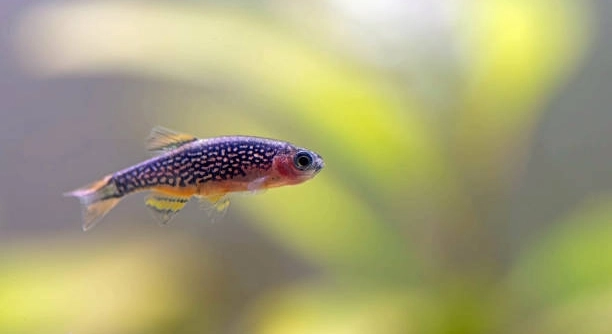
Do you ever wonder why breeding Celestial Pearl Danios seems trickier than other small fish? These delicate freshwater fish have specific needs and behaviors that make successful breeding a careful and precise process in home aquariums.
Breeding Celestial Pearl Danios presents unique challenges due to their small size, specific water parameters, and intricate spawning behaviors. Proper attention to temperature, diet, and habitat setup is essential for successful egg fertilization and fry survival in captivity.
Understanding these challenges will help you create the ideal environment for breeding and raise healthy fry with greater consistency and confidence.
Fragile Eggs and Fry
Celestial Pearl Danios lay tiny, delicate eggs that are highly sensitive to water conditions and handling. Even minor fluctuations in temperature, pH, or hardness can prevent eggs from developing properly. It is important to maintain consistent water quality and provide a stress-free environment. Using a fine-leaved plant or spawning mop allows eggs to settle safely, reducing the risk of fungal infections or predation. After spawning, some breeders separate the eggs into a dedicated tank to improve survival rates. Avoid disturbing the tank during this period, as sudden movements can damage eggs or cause adult fish to eat them. Monitoring water parameters daily and gently removing any infertile or fungus-covered eggs can significantly improve fry survival.
Providing the right environment for egg development is critical to ensure a higher percentage of eggs hatch successfully and healthy fry grow strong.
Even with careful attention, raising fry requires patience. Feeding tiny live foods like infusoria or newly hatched brine shrimp helps fry grow steadily. Fry should be kept in clean water with regular small changes. Avoid overcrowding, as it can lead to stunted growth or higher mortality. Observing their behavior closely allows for timely interventions, such as adjusting feeding schedules or separating weaker fry. With consistent care, small adjustments in temperature and nutrition can make a big difference in survival rates. Over time, fry will develop the vibrant colors and active personalities characteristic of healthy Celestial Pearl Danios, reflecting the care put into their early stages.
Specific Water Parameters
Maintaining precise water conditions is vital for breeding success. Slight changes in pH or temperature can stress fish and reduce spawning activity.
Water for Celestial Pearl Danios should be soft to moderately hard, with a pH around 6.5 to 7.2. Temperature should remain stable between 24 and 26°C, mimicking their natural habitat. Using a gentle filtration system and performing small, frequent water changes can prevent ammonia and nitrate spikes, which are harmful to both adults and fry. Avoid strong currents that may disrupt spawning or harm eggs. Monitoring parameters daily ensures any changes are addressed immediately, keeping the fish comfortable. Choosing the right substrate and including fine-leaved plants also encourages natural behavior and improves spawning success.
Attention to these water details not only supports spawning but promotes overall fish health. Adjusting water slowly during acclimation and maintaining consistency reduces stress and encourages breeding behavior. Pair selection is equally important, as compatible fish are more likely to spawn successfully. Observing interactions can help identify suitable pairs and reduce aggression. Maintaining water quality and proper nutrition throughout the breeding period is essential for strong, healthy fry. Keeping the tank environment stable and predictable ensures both adults and fry thrive, ultimately leading to higher survival rates and more consistent breeding outcomes over time.
Selecting the Right Breeding Pair
Choosing compatible Celestial Pearl Danios increases the chances of successful spawning. Healthy, well-fed adults that show active behavior are more likely to mate. Avoid pairing aggressive or stressed fish.
A breeding pair should be similar in size and age to reduce dominance issues. Observe their behavior before placing them in a spawning tank. Males often display brighter colors and may chase females lightly during courtship. Providing hiding spots and plants allows the female to retreat if needed, reducing stress. It is also beneficial to isolate the pair for a few days to acclimate them to the tank conditions and encourage natural spawning behaviors without competition from other fish.
Even with the right pair, patience is important. Some fish may take several days to initiate spawning, while others start quickly. Maintaining consistent feeding schedules with high-quality live or frozen foods supports reproductive readiness. Avoid frequent disturbances during this period, as sudden changes can disrupt courtship. Monitoring closely while giving space ensures eggs are laid safely and reduces the risk of aggression. The careful selection and management of pairs directly affect the success and quality of the resulting fry.
Light and Feeding Schedules
Proper lighting and feeding routines support spawning behavior and egg development. Inconsistent schedules can stress fish and reduce breeding success.
A consistent 12-hour light cycle helps regulate reproductive cycles. Bright but gentle lighting prevents stress, while dim areas offer shelter. Feeding small amounts multiple times daily ensures adults are in peak condition. Live or frozen foods, such as daphnia, brine shrimp, or bloodworms, provide necessary nutrients for egg production. Gradually increasing food quality and quantity before spawning helps prepare fish for the energy demands of breeding. Avoid overfeeding, which can pollute water and harm eggs.
Adjusting light and feeding gradually promotes natural behavior and encourages active courtship. Monitor fish closely to ensure they consume the food provided and show normal activity levels. Observing subtle changes, like male color intensifying or females appearing fuller, indicates readiness to spawn. Maintaining this schedule consistently supports overall health and increases egg viability. Over time, well-managed light and feeding routines make the breeding process smoother, resulting in stronger, healthier fry and fewer complications during early development.
Overcrowding in Breeding Tanks
Overcrowding can stress Celestial Pearl Danios and reduce spawning success. Keep the tank limited to a single pair or a small group to maintain a calm environment.
Excess fish increase competition and aggression, which may lead to egg predation or incomplete spawning. Providing ample space and hiding spots helps reduce stress and encourages natural behavior.
Maintaining Clean Water
Regular water maintenance is essential for egg and fry survival. Even small amounts of waste can harm delicate eggs. Clean water reduces the risk of fungus, bacteria, and poor development, keeping the environment safe for early life stages.
Stress from Tank Changes
Sudden changes in temperature, lighting, or decorations can prevent spawning and harm existing eggs. Minimize alterations once breeding begins. Consistency helps fish feel secure and increases the likelihood of successful egg fertilization and fry development.
Monitoring Egg Health
Check eggs daily for fungus or discoloration. Removing unhealthy eggs prevents contamination and improves survival rates. Observing eggs closely allows timely interventions to maintain optimal conditions for development.
How long does it take for Celestial Pearl Danio eggs to hatch?
Eggs usually hatch within 3 to 5 days, depending on water temperature and conditions. Warmer, stable water speeds up development, while cooler or fluctuating water can delay hatching. Consistent monitoring during this period ensures a higher success rate and healthier fry.
What is the best diet for breeding Celestial Pearl Danios?
A high-quality diet is essential for reproductive success. Adults should be fed a mix of live or frozen foods such as daphnia, brine shrimp, and bloodworms. Occasional finely crushed flake food or micro pellets can supplement nutrition. Gradually increasing protein-rich food before spawning helps prepare the fish for egg production.
How can I prevent adults from eating their eggs?
Separating adults from eggs immediately after spawning is effective. Using a spawning tank or a divider ensures eggs remain safe. Adding fine-leaved plants or spawning mops allows eggs to settle out of reach. Daily removal of infertile or fungus-covered eggs reduces contamination and further prevents adult predation.
What water parameters are ideal for breeding?
Celestial Pearl Danios thrive in soft to moderately hard water with a pH of 6.5 to 7.2. Temperature should remain stable between 24 and 26°C. Regular small water changes prevent harmful spikes in ammonia or nitrates, while gentle filtration maintains water clarity without creating strong currents that could disrupt eggs.
How do I care for fry after hatching?
Fry need clean, stable water and small, frequent feedings. Tiny live foods like infusoria or newly hatched brine shrimp are ideal. Avoid overcrowding and perform gentle water changes to maintain water quality. As fry grow, gradually introduce slightly larger foods while continuing to monitor growth and health closely.
Why do some eggs fail to develop?
Egg failure often results from fluctuating water conditions, poor nutrition, or fungal infection. Maintaining stable temperature, pH, and water hardness is critical. Removing any eggs that show fungus or discoloration helps protect remaining eggs. Consistent observation and preventive care improve overall hatching success.
Can Celestial Pearl Danios spawn without plants?
While plants or spawning mops improve egg survival, it is possible for eggs to be laid on smooth surfaces. However, eggs are more vulnerable to fungus and predation without cover. Using fine-leaved plants or synthetic alternatives significantly increases fry survival rates and protects eggs from adult interference.
How long should fry remain in the breeding tank?
Fry should stay in a controlled breeding tank until they are large enough to handle normal tank conditions. This usually takes 4 to 6 weeks. Maintaining clean water, feeding appropriately, and avoiding stress ensures healthy growth before introducing them to a community tank.
What signs indicate breeding readiness in adults?
Males develop brighter colors and actively chase females, while females appear fuller when carrying eggs. Consistent feeding and stable water conditions encourage natural courtship. Observing these behaviors helps determine when to introduce a pair to the spawning tank for optimal success.
How often can Celestial Pearl Danios breed?
Under ideal conditions, they can spawn multiple times a month. Allowing sufficient recovery between spawning cycles ensures adult health. Providing high-quality food and stable water encourages repeated successful breeding, while monitoring stress levels prevents overexertion.
What are common mistakes in breeding these fish?
Overcrowding, poor water quality, sudden environmental changes, and improper feeding are frequent issues. Each can prevent successful spawning or harm eggs and fry. Maintaining patience, consistent care, and observing fish behavior closely prevents these problems and increases overall success rates.
Is it necessary to separate males and females before breeding?
Separating pairs for a few days before spawning can help reduce aggression and encourage courtship. Acclimating them to the breeding tank allows natural behaviors to develop in a controlled, stress-free environment, increasing the likelihood of successful spawning.
How do I treat fungal infections on eggs?
Fungal infections appear as white, cotton-like growth on eggs. Removing affected eggs promptly prevents spread to healthy eggs. Adding antifungal treatments designed for aquariums can help, but prevention through clean water and careful monitoring is more effective than treatment after infection occurs.
Can fry survive without live food?
Fry can survive on finely crushed flake or powdered food if live options are unavailable, but growth and survival rates are lower. Live foods provide essential nutrients and stimulate feeding behavior, resulting in stronger, healthier fry over the first critical weeks.
What is the best way to introduce fry to a community tank?
Introduce fry gradually after they are large enough to avoid being eaten. Acclimate them slowly to new water conditions and monitor interactions with other fish. Providing plenty of hiding spots increases survival rates and reduces stress during this transition period.
How can I encourage natural spawning behavior?
Consistent water conditions, proper diet, and a calm environment stimulate courtship and egg-laying. Adding plants or spawning mops gives security, while limiting disturbances allows adults to focus on mating behavior, increasing the chances of successful reproduction.
How do I know if eggs are fertilized?
Fertilized eggs are clear and slightly golden, while unfertilized eggs often appear cloudy or white. Observing eggs carefully allows timely removal of infertile ones, reducing the risk of fungus and increasing the survival rate of healthy eggs.
Can breeding affect the health of adult fish?
Excessive or poorly managed breeding can stress adults, leading to weaker immune systems. Providing proper nutrition, stable water conditions, and adequate recovery periods between spawnings helps maintain health while supporting repeated breeding cycles.
How important is tank size for breeding?
A properly sized breeding tank prevents stress and overcrowding. Even a small pair benefits from ample space to swim, hide, and display natural behavior. Sufficient space reduces aggression, protects eggs, and improves fry survival rates, making tank size a critical factor in successful breeding.
What is the most common reason for fry mortality?
Fry often die due to poor water quality, overfeeding, or inadequate nutrition. Maintaining clean water, feeding appropriate foods, and avoiding overcrowding significantly improves survival. Early attention to these factors ensures stronger, healthier fry during the most vulnerable developmental stages.
How long does it take for fry to show adult coloration?
Fry gradually develop full coloration over several months. Initial patterns are faint and become more vibrant as they grow. Consistent feeding, proper water conditions, and minimal stress support healthy development and the eventual appearance of adult colors.
Can multiple pairs spawn together?
Multiple pairs can spawn in the same tank, but competition and aggression may increase. Using separate breeding tanks or monitoring closely ensures eggs are protected and reduces stress, improving survival rates for all fry produced in a communal environment.
How often should water be changed during breeding?
Frequent small water changes maintain stability and reduce harmful compounds. Avoid large or sudden changes that may stress adults or fry. Gentle, consistent maintenance ensures eggs and fry remain in optimal conditions for growth and development.
Are there signs that fry are not developing properly?
Slow growth, lethargy, or deformities indicate poor development. These issues often result from insufficient nutrition, overcrowding, or suboptimal water quality. Early intervention, proper feeding, and maintaining clean water help correct problems and improve survival outcomes.
Is it necessary to remove adult fish immediately after spawning?
Removing adults immediately protects eggs from predation. Using a dedicated spawning tank or divider ensures eggs remain safe while adults recover. This step is especially important when dealing with highly active or territorial pairs.
What is the role of plants in egg and fry survival?
Plants provide cover, reducing stress and protecting eggs from adults. Fine-leaved plants also offer surfaces for eggs to attach, improving hatch rates. For fry, plants create hiding spots and shelter, promoting growth and reducing predation in the early stages.
How do I acclimate fry to new tanks?
Acclimate fry slowly by gradually mixing new water with their current water. Avoid sudden changes in temperature or chemistry, and provide hiding spots. This careful process reduces stress and increases survival when moving fry to a larger or community tank.
Can I breed Celestial Pearl Danios year-round?
With controlled water conditions, lighting, and nutrition, they can spawn throughout the year. Seasonal changes are less relevant in home aquariums when environmental factors are consistently maintained. Proper care ensures repeated successful breeding cycles.
What is the ideal substrate for breeding tanks?
Fine sand or bare-bottom tanks are often preferred. Bare-bottom allows easy cleaning, while fine substrates prevent eggs from rolling or being damaged. Adding plants or spawning mops compensates for the simplicity of the substrate, giving eggs surfaces to attach safely.
How do I identify healthy fry?
Healthy fry are active, responsive, and feed eagerly. Their bodies should appear straight and free of deformities. Observing movement, feeding behavior, and overall appearance helps track development and identify issues early.
Can temperature fluctuations harm fry?
Yes, even small changes in temperature can stress fry, slow growth, or cause mortality. Maintaining a stable, appropriate temperature ensures proper development, reduces stress, and supports overall survival rates during the critical early weeks.
What should I do if fry are not eating?
Offer smaller, more frequent feedings with live or powdered foods. Ensure water quality is optimal and reduce tank disturbances. Observing behavior closely and adjusting feeding methods often encourages feeding and supports healthy growth.
How do I manage aggression in a breeding tank?
Provide hiding spots and adequate space. Separating overly aggressive individuals may be necessary. Monitoring interactions prevents stress and injury, ensuring safer conditions for both adults and developing eggs.
How long until fry can be fed larger foods?
After 2 to 3 weeks, fry can start eating slightly larger foods like newly hatched brine shrimp or finely crushed pellets. Gradually increasing food size supports healthy growth without overwhelming their small mouths.
Can breeding success improve with experience?
Yes, understanding fish behavior, water management, and feeding patterns improves outcomes. Experience helps anticipate issues, manage stress, and create optimal conditions, resulting in higher egg and fry survival rates over time.
What is the best way to track fry development?
Daily observation and note-taking help track growth, health, and feeding behavior. Regular checks ensure early detection of problems, allowing timely interventions to maintain strong, healthy fry.
How do I balance water changes without stressing fry?
Perform small, frequent water changes using water that matches tank temperature and parameters. Gentle flow and careful handling prevent stress while maintaining cleanliness, supporting healthy fry development.
Is it possible to breed Celestial Pearl Danios without a dedicated tank?
While possible, using a dedicated breeding tank greatly improves survival and simplifies monitoring. Without it, eggs and fry are at higher risk of predation, stress, or poor development. Dedicated setups allow better control over environmental factors and outcomes.
How do I encourage multiple females to spawn together?
Provide ample hiding spots, consistent water conditions, and high-quality food. Observing interactions and ensuring minimal stress increases the likelihood of multiple females spawning without interference or aggression.
What are common signs of poor water quality?
Cloudy water, unusual odors, lethargic fish, and failed spawning indicate water issues. Regular testing and careful maintenance prevent negative effects on both adults and developing fry, ensuring a healthy breeding environment.
How important is diet variety for fry development?
Offering a range of foods provides essential nutrients for growth. Alternating between live foods, powdered feeds, and finely crushed pellets supports stronger skeletal development, color, and overall health in young fish.
Can fry survive with low light?
Fry can survive under low light, but moderate, consistent lighting promotes feeding activity and normal behavior. Light also helps in observing development and detecting any health issues early.
What is the maximum number of fry a pair can produce?
A healthy pair can produce several dozen eggs per spawning. Actual survival depends on water quality, diet, and protection from predation. Careful management ensures a higher number of fry reach maturity.
How do I prevent overfeeding in fry?
Feed small amounts multiple times daily and remove excess food promptly. Overfeeding pollutes water, stresses fry, and reduces survival. Observing consumption patterns ensures appropriate feeding and maintains water quality.
Are there special considerations for first-time breeders?
First-time breeders may require more patience and careful monitoring. Observing behavior, providing optimal conditions, and avoiding disturbances are essential. Learning from the initial attempts improves success in subsequent spawning cycles.
How do I know when fry are ready to join a community tank?
Fry are ready when they are large enough to avoid being eaten, show active behavior, and feed efficiently on larger foods. Gradual acclimation and monitoring interactions ensure safe introduction.
Can stress affect egg fertilization?
Yes, stress reduces reproductive activity and can lead to unfertilized eggs. Maintaining stable water, proper diet, and minimal disturbances supports natural spawning and increases fertilization success.
How often should I check on eggs?
Daily checks are sufficient to remove infertile or fungus-infected eggs. Excessive handling should be avoided to prevent stress or accidental damage, while still ensuring a healthy environment for development.
Is it better to have a bare-bottom or planted tank for fry?
Bare-bottom tanks simplify cleaning and monitoring, while planted tanks offer hiding spots and surfaces for eggs. Combining both approaches often yields the best results, supporting both hygiene and natural behavior.
How do I manage fry growth rates?
Provide consistent feeding and maintain stable water conditions. Avoid overcrowding and monitor growth to ensure all fry develop evenly. Adjust food size gradually as they grow.
Can fry survive alongside adult fish?
Fry are at high risk of predation when kept with adults. Using separate tanks or dividers is recommended until fry are large enough to coexist safely.
What signs indicate the breeding pair is ready to spawn?
Males display brighter colors, chase females gently, and show courtship behaviors. Females appear full and active. These signs indicate readiness for spawning in optimal conditions.
How do I reduce fungus risk on eggs?
Maintaining clean water, separating infertile eggs, and using fine-leaved plants or spawning mops reduce fungus growth. Stable conditions and careful observation are the most effective preventive measures.
Can temperature affect egg development speed?
Yes, higher stable temperatures speed development, while cooler or fluctuating temperatures slow it. Consistent temperature is critical for uniform hatching and healthy fry.
Is it necessary to monitor fry individually?
Individual monitoring is not required, but observing the group helps detect early signs of poor growth or disease. Timely interventions improve overall survival and development.
How do I balance light, feeding, and water changes simultaneously?
Maintain a consistent schedule for all three. Light cycles regulate behavior, feeding ensures proper nutrition, and water changes maintain cleanliness. Coordinating them reduces stress and supports healthy growth for both adults and fry.
What is the most efficient way to raise fry in large numbers?
Use spacious tanks, consistent water conditions, high-quality food, and frequent observation. Providing hiding spots and controlling density ensures maximum survival and uniform development for larger groups.
Can breeding Celestial Pearl Danios be done in small aquariums?
Yes, small tanks are possible if conditions are carefully controlled. Limiting the number of adults, providing plants, and monitoring water quality are essential for successful breeding in compact setups.
How do I adjust care for multiple spawnings per month?
Maintain stable water, provide high-quality nutrition, allow recovery periods, and monitor stress levels. Consistent attention ensures adults remain healthy and fry survival remains high.
Are there specific signs that fry are stressed?
Lethargy, slow feeding, clumping, or hiding excessively indicate stress. Early recognition allows interventions such as adjusting food, reducing light intensity, or improving water quality.
What is the best way to store and transport fry?
Use clean, aerated containers with stable water temperature. Minimize handling and transport time to reduce stress. Gradually acclimate fry to new water conditions upon arrival at their destination.
How important is patience in breeding success?
Patience is critical. Even with ideal conditions, fish may take time to spawn, and fry require careful care to survive. Consistent attention and observation over weeks determine overall success.
How do I prevent overcrowding as fry grow?
Regularly separate larger fry and monitor density. Overcrowding reduces growth, increases stress, and raises mortality risk. Adequate space ensures healthier, stronger fish.
Can fry develop normally without live food for extended periods?
Extended periods without live food may result in slower growth and weaker health. Small live or powdered food should be provided to ensure proper development.
How do I manage aggression between males during breeding?
Provide hiding spots, sufficient space, and monitor interactions. Separating overly aggressive males prevents injury and stress, allowing successful courtship and egg fertilization.
Is it necessary to quarantine new breeding fish?
Quarantining reduces disease transmission and ensures new fish are healthy before introduction. It protects existing adults and fry from potential infections, maintaining a safer breeding environment.
How often should I observe fry growth visually?
Daily visual checks are sufficient. Observing movement, feeding, and general health helps detect early issues without disturbing the tank excessively.
Can poor nutrition affect egg quality?
Yes, inadequate diet reduces egg viability, slows development, and increases deformities. Providing high-protein, nutrient-rich food supports strong eggs and healthy fry.
What is the best water flow for a breeding tank?
Gentle water flow prevents stagnation without disturbing eggs. Strong currents can damage eggs or fry, so controlled filtration is recommended to maintain cleanliness and oxygenation.
How do I recognize stress in breeding adults?
Frenetic swimming, hiding excessively, loss of color, or refusal to eat indicate stress. Adjusting water, environment, and feeding routines helps restore normal behavior.
Can environmental enrichment improve breeding success?
Yes, plants, hiding spots, and subtle tank variations encourage natural behaviors and reduce stress, improving courtship, spawning, and fry survival.
How do I handle infertile eggs?
Remove them promptly to prevent fungus spread and protect healthy eggs. Careful inspection and removal increase overall hatching success.
Is it possible to breed without temperature control?
Breeding is possible but less predictable. Unstable temperatures can delay spawning, reduce fertilization, and increase egg and fry mortality. Controlled environments yield more consistent results.
What is the ideal number of adults per breeding tank?
Typically, a single pair or small group is recommended. This reduces stress, aggression, and competition, ensuring better spawning and higher fry survival.
How do I introduce live food to fry safely?
Offer small quantities of infusoria or newly hatched brine shrimp in a controlled manner. Ensure water quality remains stable and remove excess food to prevent contamination.
Can breeding frequency affect adult lifespan?
Excessive or poorly managed breeding can shorten lifespan due to stress and nutritional depletion. Adequate recovery and proper care maintain health and longevity.
How do I ensure fry grow evenly?
Monitor feeding, avoid overcrowding, and maintain
Breeding Celestial Pearl Danios is a delicate process that requires attention to detail, consistency, and patience. These small fish have specific needs that differ from more common aquarium species, and understanding these requirements is key to success. From maintaining stable water parameters to choosing the right pair and providing proper nutrition, every step influences the health of both adults and fry. Observing fish behavior closely helps identify readiness for spawning and potential problems early on. Even small changes in temperature, lighting, or water chemistry can impact egg development and fry survival, making careful monitoring an essential part of the process.
Providing a controlled and calm environment is central to successful breeding. Overcrowding, stress, or sudden environmental changes can disrupt spawning behavior and reduce egg viability. Using a dedicated breeding tank with fine-leaved plants or spawning mops ensures eggs are protected from adults and environmental hazards. Clean water is equally important, as eggs and fry are particularly sensitive to waste buildup, ammonia, and nitrate spikes. Regular small water changes, gentle filtration, and careful feeding schedules help maintain ideal conditions. Attention to these details increases the likelihood of healthy fry that develop the vibrant colors and active behavior characteristic of mature Celestial Pearl Danios.
Raising fry demands consistent care and patience over several weeks. Feeding tiny live foods like infusoria or newly hatched brine shrimp supports proper growth, while gradually introducing larger foods prepares fry for eventual life in a community tank. Observation is crucial to detect slow growth, stress, or disease, and timely interventions can prevent mortality. While the process may feel meticulous, each step contributes to the long-term health of both adults and fry. By maintaining stable conditions, providing appropriate nutrition, and carefully monitoring development, breeders can achieve consistent success and enjoy the satisfaction of raising strong, healthy Celestial Pearl Danios.

Hello,
If you enjoy the content that we create, please consider saying a "Thank You!" by leaving a tip.
Every little bit helps us continue crafting quality advice that supports the health, happiness, and well-being of pets around the world, for pets of all shapes, sizes, and species.
We really appreciate the kindness and support that you show us!