
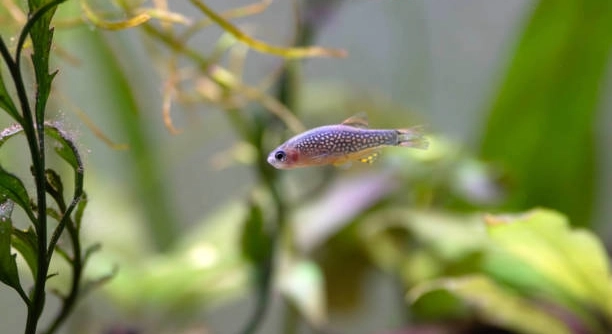
Danios are often admired for their vibrant colors and lively behavior, but there is more to these small fish than meets the eye. Observing them closely can reveal surprising levels of intelligence and adaptability in everyday aquarium life.
Research indicates that danios exhibit advanced learning abilities, problem-solving skills, and social awareness. They can recognize patterns, remember locations, and interact with their environment in ways that demonstrate cognitive complexity beyond typical assumptions about small freshwater fish.
These observations highlight behaviors that are often overlooked, offering a fresh perspective on how danios think, interact, and navigate their surroundings with remarkable skill.
Danios Exhibit Remarkable Memory Skills
Danios are known for their ability to remember feeding times, tank layouts, and even recognize specific tank mates. Observing them in a home aquarium shows they can quickly learn routines and adjust behaviors. Over time, they respond to cues, such as tapping on the glass or approaching at certain times of the day. This memory is not just short-term; studies show danios can retain learned behaviors for weeks. Their ability to recall locations of food or hiding spots helps them thrive in dynamic environments. In social settings, they can remember interactions with other fish, avoiding aggressive individuals or following more dominant fish when needed. These memory capabilities allow danios to exhibit sophisticated behaviors, such as anticipating food or recognizing safe areas, indicating cognitive functions that many small fish lack. This memory also supports their survival instincts, making them adaptive and responsive creatures in both natural habitats and aquariums.
Their memory is strong enough to form routines and recognize familiar faces or environments consistently over time.
Remembering past events shapes their behavior daily. This ability influences feeding patterns, interaction with other fish, and response to environmental changes. Danios can associate signals, like light changes or movement near the tank, with outcomes. They quickly learn which areas are safe or rewarding. In doing so, they optimize their energy use, avoid stress, and enhance survival chances. Observing this, it becomes clear that even small fish are capable of sophisticated memory-based decisions. Their recollection of past experiences affects social dynamics, feeding efficiency, and spatial navigation. Memory allows them to adapt to new tank layouts, remember safe zones, and recognize potential threats. Researchers note that such cognitive abilities are more advanced than previously assumed in small freshwater fish. This demonstrates that intelligence is not always visible but can be inferred through consistent patterns and learned behaviors over time. Danios’ memory skills highlight their surprising mental complexity, proving they are more than just decorative aquarium fish.
Danios Communicate Through Subtle Signals
Danios use body movements and fin displays to communicate.
Communication in danios involves subtle gestures such as tail flicks, changes in swimming speed, and positioning relative to other fish. They convey dominance, submission, or readiness to mate through these signals. Social interactions often involve coordinated swimming and synchronized movements, which strengthen group cohesion and minimize conflict. Researchers have observed that danios adjust behavior in response to signals from other fish, showing they understand and interpret cues effectively. This type of nonverbal communication allows them to organize social hierarchies without constant aggression, which is energy-efficient and promotes group stability. Even minor changes in coloration or fin posture can signal alertness or stress, influencing the behavior of nearby fish. Recognizing these patterns requires attention but reveals the intelligence underlying their social structure. By observing these behaviors, it becomes evident that danios maintain a dynamic and communicative social network that contributes to survival, mating success, and overall well-being.
Danios Show Problem-Solving Abilities
Danios can figure out how to reach food in tricky situations. They explore objects in their environment and try multiple strategies to overcome obstacles, showing flexibility and intelligence beyond simple instinct.
They often navigate mazes or barriers in tanks to access food, demonstrating trial-and-error learning. Observing them, I noticed that when a familiar route was blocked, they would explore alternative paths instead of giving up. This persistence indicates a level of reasoning and adaptability. Researchers have noted that danios can learn patterns in their environment and apply this knowledge to solve problems efficiently. Such problem-solving skills suggest that their cognitive abilities are more developed than commonly assumed. These behaviors are consistent across individuals, indicating that problem-solving is a characteristic trait of the species, not just a rare occurrence. Their curiosity combined with memory and learning makes them capable of adjusting to changing conditions effectively, which is crucial for survival in both natural and artificial habitats.
Watching them, it is clear that their intelligence emerges in small daily decisions. They assess situations, test approaches, and adjust tactics, which reflects a surprising level of mental flexibility. Even in simple tank setups, problem-solving can be observed as they interact with objects, find hidden food, or navigate obstacles. Each attempt helps them learn faster for the next challenge. Their adaptability demonstrates that intelligence is expressed not only in complex tasks but also in everyday behaviors, shaping how they live and interact within their environment. This makes them more sophisticated than they appear at first glance.
Danios Learn Through Observation
Danios observe other fish and copy behaviors, showing social learning. They watch and adapt without trial-and-error alone, which increases survival and efficiency.
Young danios quickly pick up feeding techniques or safe swimming patterns by following older or more experienced fish. They recognize which areas in a tank are safe or rewarding by watching others, reducing risk and learning faster than by individual exploration. This observational learning highlights that intelligence in fish is not just about memory or problem-solving—it also includes understanding social cues and actions. Researchers have documented that danios replicate successful behaviors of peers, which helps the group thrive collectively. This form of learning also supports complex social interactions, allowing fish to coordinate movement, avoid danger, and respond to environmental changes effectively. Observing this in my own tank showed how rapidly they adjust after watching a few attempts by other fish.
Observing behavior allows danios to adopt efficient strategies without constant trial-and-error. They watch peers to identify feeding spots, hiding places, and social hierarchies. This ability reduces mistakes and enhances group coordination. Learning from others saves energy and improves survival. It also allows them to adapt faster to environmental changes or new tank arrangements, proving that intelligence includes both personal experience and social observation. Danios are capable of processing information from their surroundings and other fish, which demonstrates a level of cognitive complexity that is often overlooked. This capacity for observational learning sets them apart from many other small freshwater species.
Danios Adapt Quickly to Change
Danios adjust fast when their environment changes. They explore new objects, rearranged plants, or altered water flow and learn the best ways to navigate without stress or hesitation.
Even minor changes in tank setup show how quickly they adapt. They test new routes, find safe spots, and resume normal routines within hours, demonstrating flexibility and resilience in daily life.
Danios Exhibit Playful Behavior
Danios engage with objects like floating toys or bubbles in the tank. They chase, push, and interact with items seemingly for enjoyment. Their play behavior reflects curiosity and mental stimulation. Regular observation shows they are more than instinct-driven; their actions indicate engagement and problem-solving through playful interaction.
Danios Recognize Humans
Danios notice people near the tank and may approach or react differently depending on familiarity. They learn to associate humans with feeding times and movement patterns. Their recognition shows memory, social awareness, and the ability to form simple associations between external cues and outcomes.
What makes danios smarter than most people think?
Danios show intelligence through memory, problem-solving, and social behaviors. They can remember feeding times, navigate complex tank setups, and adjust to changes quickly. Observing them in my own tank, I noticed how they explore new objects or obstacles before deciding on the best route. They can also recognize other fish and humans, showing social awareness. Their intelligence is subtle, expressed in daily routines, interactions, and learning, rather than obvious tricks. These small fish demonstrate adaptability and curiosity that rival expectations for much larger species.
Can danios remember things for long periods?
Yes, danios have surprisingly strong memory. They can recall feeding routines, tank layouts, and safe hiding places for weeks. Watching my fish, I observed how they remembered where food was hidden after a few days. They also recognize other fish and adjust behavior accordingly. This memory allows them to avoid repeated mistakes and interact more efficiently with their environment. Their ability to remember patterns, signals, and locations shows cognitive processing beyond instinct, helping them thrive in home aquariums and in the wild.
How do danios solve problems in the tank?
Danios use trial-and-error and observation to solve challenges. They figure out how to reach food behind obstacles or navigate rearranged plants. In my experience, when a familiar path was blocked, they explored multiple alternatives before choosing the most efficient one. This problem-solving ability reflects reasoning, adaptability, and learning. Researchers note that this behavior is consistent among individuals, indicating it is a species trait. Their curiosity and persistence, combined with memory and observation skills, allow them to overcome obstacles and adapt to new environments, proving their intelligence is more than instinct.
Do danios learn by watching other fish?
Yes, observational learning is common in danios. They watch peers to learn safe swimming patterns, feeding strategies, and social interactions. In my tank, younger fish quickly learned where food would appear by following older ones. This method reduces mistakes and conserves energy. Observational learning also allows them to understand hierarchy and social cues without direct confrontation. By copying successful behaviors, danios can navigate their environment more effectively. Their ability to learn socially reflects cognitive complexity and shows they process information from both personal experience and observation, not just instinct.
Can danios recognize humans?
Danios can notice and remember humans near the tank. They often associate movement or approach with feeding, approaching familiar people eagerly. I have seen my fish respond differently depending on who is feeding them, showing recognition and memory. This ability demonstrates social awareness and the capacity to form simple associations. They can differentiate between frequent and occasional visitors, adjusting behavior accordingly. Such recognition highlights the cognitive skills of danios, proving they are attentive and responsive to external cues beyond their immediate environment.
Do danios interact socially with each other?
Danios exhibit complex social behaviors. They swim in coordinated groups, establish hierarchies, and communicate through fin movements and positioning. In my observations, dominant fish lead swimming patterns while others follow, reducing conflict and conserving energy. Subtle signals like tail flicks or changes in speed convey dominance, submission, or mating readiness. These behaviors demonstrate communication, social learning, and adaptability. By observing interactions, it is clear that their intelligence extends beyond individual behavior to group coordination. Social dynamics among danios are sophisticated and help maintain order, safety, and overall health within the tank.
How can I encourage intelligence in my danios?
Providing variety and stimulation helps danios display and develop cognitive abilities. Rearranging plants, adding obstacles, or providing floating objects encourages exploration and problem-solving. Observing them, I noticed that these changes increase interaction and curiosity. Social groups of danios also promote observational learning. Feeding at consistent times, introducing mild challenges, and allowing safe exploration all help reinforce memory, adaptability, and learning. Mental stimulation keeps them engaged and healthy. By observing their responses and adjusting the tank environment, you can support their natural intelligence and encourage behaviors that demonstrate their cognitive capabilities effectively.
Why do danios seem playful?
Playful behavior in danios is a sign of curiosity and mental stimulation. They chase bubbles, interact with floating objects, and explore tank decorations. In my experience, they often repeat certain movements for apparent enjoyment, showing they are engaged and aware of their surroundings. This play helps develop problem-solving skills and coordination. It also indicates intelligence, as they experiment with different approaches to interacting with objects. Play is not just entertainment—it reflects cognitive processing and engagement with the environment. Danios’ playful behavior is a window into their mental complexity and adaptive thinking.
Are danios capable of learning routines?
Yes, danios thrive on routines and can anticipate events like feeding. They respond to cues such as tank light changes, human approach, or feeding times. In my tank, they would gather near the feeding spot minutes before food arrived. Their ability to predict events relies on memory and observation, highlighting intelligence. Establishing routines helps them feel secure and reinforces learned behaviors. Routines also allow them to optimize energy, coordinate with tank mates, and maintain social harmony. Learning routines demonstrates their capacity for pattern recognition, memory retention, and cognitive processing beyond instinctive behavior.
How do danios adapt to changes in the tank?
Danios adjust quickly when their environment changes. They explore new layouts, test water flow changes, and find new hiding spots without hesitation. In my experience, even small changes trigger careful observation, followed by quick adaptation. This flexibility reflects intelligence and resilience. They can modify swimming patterns, feeding approaches, and social interactions to suit altered conditions. Adaptability ensures survival and reduces stress in dynamic environments. Observing these adjustments shows that danios evaluate surroundings, learn from experience, and apply knowledge efficiently. Their ability to cope with change demonstrates a mental sophistication often underestimated in small fish.
Danios are often underestimated because of their small size and energetic behavior, but observing them closely reveals surprising intelligence. They are capable of memory, problem-solving, social learning, and adapting to changes in their environment. Even simple interactions, such as approaching humans during feeding or navigating a new tank layout, demonstrate their cognitive abilities. Their behavior is not purely instinctual; they can learn from experience, remember routines, and make decisions that reflect mental flexibility. Watching my own danios over time, it became clear that they consistently display patterns that indicate intelligence beyond what most people expect from small freshwater fish.
Their social behaviors are equally impressive. Danios communicate through subtle gestures, coordinated swimming, and observing other fish, which allows them to maintain group cohesion and avoid conflict. This social awareness shows that they are aware of their surroundings and capable of learning from others. Observational learning plays a key role in their survival, helping them identify safe areas, efficient feeding strategies, and social hierarchies without direct trial-and-error for every situation. The combination of memory, problem-solving, and social learning indicates that danios have a level of cognitive complexity that supports both individual and group success. These abilities allow them to thrive in varied environments, whether in a home aquarium or natural habitat.
Understanding danios’ intelligence changes how we interact with and care for them. Providing a stimulating environment with varied decorations, obstacles, or safe exploration opportunities encourages their natural curiosity and learning. Feeding schedules, mild challenges, and social groups support memory, observational learning, and adaptability. Observing their playful and thoughtful behaviors can deepen appreciation for their cognitive abilities and remind us that intelligence is not limited to larger animals. By paying attention to these small but capable fish, we can better support their mental and physical well-being, making their environment both engaging and enriching. Recognizing their intelligence also highlights the importance of treating them as more than just decorative pets, as their behaviors reveal personality, awareness, and remarkable adaptability.

Hello,
If you enjoy the content that we create, please consider saying a "Thank You!" by leaving a tip.
Every little bit helps us continue crafting quality advice that supports the health, happiness, and well-being of pets around the world, for pets of all shapes, sizes, and species.
We really appreciate the kindness and support that you show us!