
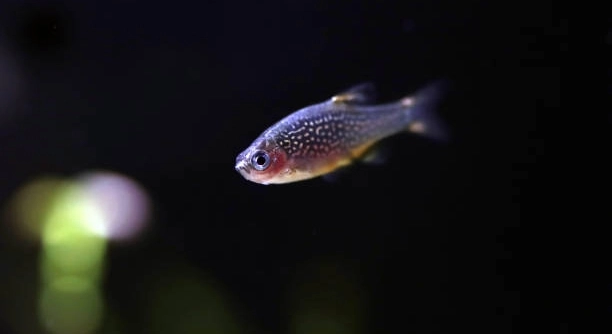
Do you ever find yourself watching your new Danio fish and wondering if they are finally comfortable in their tank? Observing their behavior in the first few days can reveal how well they are adjusting to their new home.
Danio schools exhibit settling behavior through consistent swimming patterns, regular feeding response, interaction with tank mates, and reduced signs of stress. Observing these indicators provides a reliable method to assess their adaptation and overall well-being in the aquarium environment.
Recognizing these subtle signs can make maintaining a healthy, happy school much easier. Following their progress helps ensure they thrive in their new home.
Observing Their Swimming Patterns
When Danio fish are settling in, their swimming patterns become more consistent and organized. At first, you may notice erratic or frantic movements as they explore the tank and react to unfamiliar surroundings. Over the course of several days, they start forming a more cohesive school, swimming together in a uniform direction and speed. This synchronized movement shows that they feel secure and are comfortable navigating the environment. Younger or smaller Danios may take longer to follow the group, but gradually they integrate into the school. Watching for sudden darting or hiding can indicate stress or discomfort, but these behaviors should decrease as they acclimate. Tank decorations, plants, and lighting can influence their swimming behavior. Smooth transitions and gentle feeding routines also help Danios feel more at ease. Observing these patterns daily allows you to monitor their adaptation without disturbing them unnecessarily.
Consistent swimming in a coordinated school indicates that the fish are comfortable and confident in their surroundings.
Keeping track of their swimming habits can help you adjust tank conditions. If certain areas are avoided, it may be useful to rearrange decorations, adjust water flow, or check temperature and lighting. Over time, these small changes encourage the Danios to explore more freely and strengthen their interactions with each other. Watching their group dynamics also highlights the most active or shy members, allowing for a better understanding of each fish’s personality. Proper observation ensures that you can respond to any signs of stress or illness promptly.
Feeding Response
Danio fish that are settling in show predictable and eager responses to feeding.
When introduced to food, they quickly recognize the source and begin feeding without hesitation. Initially, some may be cautious, taking longer to approach new foods or feeding areas, but this behavior changes as confidence grows. Feeding at regular intervals helps the school associate certain times with food availability, reinforcing a sense of stability and routine. Over several days, they develop a pattern, recognizing where and when food appears. Observing their appetite also provides insight into their health. A lack of interest in feeding may signal stress or environmental issues that require attention. Introducing a variety of food types, such as flakes, small pellets, or live food, ensures proper nutrition and stimulates natural foraging behavior. Feeding routines also strengthen social interactions, as dominant fish may establish preferred feeding spots while others follow the group. Regular observation ensures all members are eating and settling properly.
Interaction With Tank Mates
Settling Danios interact calmly with other fish, swimming in close proximity without aggressive behavior. They may follow the movements of their schoolmates or explore together, showing signs of social comfort and adaptation.
Once Danios begin interacting with their tank mates, their behavior becomes noticeably coordinated. They swim in groups, mirroring each other’s movements and adjusting their pace to stay with the school. Instances of chasing or nipping should be minimal, and aggressive displays generally decrease as they settle. Observing how they respond to newcomers or changes in the tank can indicate overall social stability. Comfortable fish will explore together, share space near feeding areas, and rest in harmony without territorial disputes. This social cohesion is a clear sign that the school feels secure.
Monitoring these interactions helps in identifying shy or overly dominant individuals. Ensuring enough space and hiding spots reduces stress and encourages balanced group behavior. Gradually, all members find their place within the school, learning when to lead and when to follow. Healthy social interactions reflect both proper acclimation and environmental conditions. Adjusting tank décor, providing consistent feeding, and maintaining water quality further supports positive interactions. Over time, a well-settled school displays synchronized swimming, collective resting areas, and calm foraging behavior, all of which show that the Danios are fully comfortable and integrated.
Reduced Signs of Stress
Danios that are settling show fewer signs of stress, such as hiding, darting, or gasping at the surface. Calm behavior indicates confidence in their environment.
Stress in Danios manifests through rapid swimming, frequent hiding, or clamped fins. As they acclimate, these behaviors diminish, and the fish begin exploring open areas without hesitation. Reduced stress also results in healthier feeding habits and stronger interactions within the school. Consistent water quality, proper temperature, and minimal sudden disturbances contribute to this calming effect. Observing the absence of stress indicators is a reliable measure of successful adaptation.
A settled school displays natural behaviors throughout the day. Fish rest in familiar areas, explore decorations without fear, and follow predictable swimming patterns. Maintaining a stable environment helps reduce stress even further. This includes gentle lighting, regular feeding schedules, and avoiding abrupt changes in water conditions. When all Danios appear alert yet calm, it reflects both physical well-being and emotional comfort. Over time, these stable behaviors become the norm, showing that the fish have fully adjusted and feel safe in their tank environment.
Exploring the Tank
Settling Danios begin exploring all areas of the tank instead of staying in one corner. They swim around plants, decorations, and open spaces, showing curiosity and confidence.
They investigate hiding spots and swim near the surface or mid-levels without fear. This behavior demonstrates that they are comfortable with their surroundings and feel safe navigating different areas of the tank.
Resting Behavior
Settled Danios display calm resting behavior, often hovering in one area or gently floating in the school. They rest together without signs of tension or constant movement, showing comfort and security in the tank environment.
Consistent Group Dynamics
Danio schools establish steady group dynamics once they are settled. Members swim together predictably, maintain spacing, and respond to each other’s movements. Shy or timid fish gradually integrate, while dominant members do not show excessive aggression. Consistency in these interactions reflects adaptation, social balance, and overall well-being within the school.
Response to Environmental Changes
Settled Danios respond calmly to minor environmental changes, such as gentle water flow adjustments or lighting shifts. They adapt quickly without panic, showing confidence in their tank and routine.
How long does it take for Danio schools to settle in?
Danios typically start showing signs of settling within a few days of being introduced to a new tank. Full adaptation can take one to two weeks depending on the tank size, water conditions, and number of fish. Smaller tanks or frequent disturbances can slow the process, while a stable, well-planted environment helps them feel secure more quickly. Watching their swimming patterns, feeding behavior, and interaction with tank mates gives the best indication of how comfortable they are. Consistency in daily routines, including feeding times and lighting schedules, accelerates their adjustment.
What are the most common signs that Danios are settling?
Settling Danios swim in coordinated patterns, show predictable feeding behavior, interact calmly with tank mates, and reduce hiding or frantic movements. Resting in one area or gently floating with the school is also a strong indicator. Exploring the entire tank without signs of stress signals that they feel secure. Observing these behaviors over several days helps determine whether the school is adapting properly.
How can I encourage Danios to settle faster?
Providing a stable environment is key. Ensure water temperature, pH, and filtration are consistent. Adding plants or decorations gives hiding spots and creates a natural habitat. Feeding at regular intervals helps them develop predictable routines, while minimizing sudden movements or loud noises reduces stress. Gradual introductions of new tank mates or changes in tank layout allow the school to adjust without panic. Maintaining high water quality and monitoring for signs of illness also contributes to faster settling. Over time, these small adjustments lead to calmer, more cohesive behavior.
Is it normal for some Danios to hide at first?
Yes, it is normal for a few fish to hide during the first few days. They may be shy or slower to adjust than others. Over time, these individuals usually explore the tank and join the school. Providing plenty of hiding spaces and avoiding sudden disturbances encourages them to emerge sooner. Monitoring their behavior ensures that hiding is due to caution rather than illness or stress.
What should I do if Danios aren’t settling after several weeks?
If Danios continue to show erratic swimming, excessive hiding, or poor feeding after two to three weeks, check water parameters, temperature, and tank layout. Make sure the tank is not overcrowded and that all fish are healthy. Gradually improving conditions and maintaining consistent routines can help. In some cases, separating aggressive individuals or adding more hiding spots allows timid fish to acclimate. Persistent issues may require consulting a fish specialist to ensure the school’s health and well-being.
Can feeding routines affect how quickly Danios settle?
Absolutely. Consistent feeding times create a sense of security. Danios learn when and where to find food, which reduces anxiety and encourages exploration. Offering a variety of foods, including flakes, small pellets, or occasional live food, keeps them engaged and supports healthy growth. Avoid overfeeding, as excess food can affect water quality and stress the fish. Proper feeding routines complement other environmental adjustments, accelerating the settling process.
Do Danios ever revert to stressed behavior after settling?
Yes, changes in water conditions, tank layout, or new tank mates can cause temporary stress, even in a previously settled school. Monitoring for darting, hiding, or reduced feeding helps identify the cause quickly. Gradual adjustments and maintaining consistent conditions allow them to regain comfort. In most cases, settled Danios recover quickly if stressors are minimized and the environment remains stable.
How important is tank size for Danio schools to settle?
Tank size is critical for proper settling. Danios are active swimmers and need space to form cohesive schools. Overcrowding increases stress, while a spacious tank allows natural swimming patterns and exploration. Larger tanks also provide more hiding spots and swimming zones, supporting social interactions and reducing territorial disputes. Ensuring adequate space helps the school adapt faster and maintain long-term well-being.
Can plants and decorations help Danios settle?
Yes, plants and decorations provide hiding spots, resting areas, and visual boundaries. They reduce stress by allowing timid fish to retreat while still observing the school. Plants also improve water quality and create a more natural environment. Arranging decorations to offer open swimming areas alongside sheltered spaces encourages exploration and supports both physical activity and social behavior. A thoughtfully decorated tank promotes faster adaptation and healthier interactions among all members of the school.
What behaviors indicate that Danios are fully settled?
Fully settled Danios swim in coordinated schools, feed eagerly and consistently, explore all areas of the tank, and interact calmly with tank mates. Resting in familiar spots without constant movement and responding calmly to minor environmental changes further shows comfort. Observing these behaviors over time confirms that the school feels secure and is thriving in its environment. Consistent, relaxed behavior reflects both physical health and emotional stability.
Settling Danio schools into a new tank is a gradual process that requires observation, patience, and consistency. When first introduced, the fish may appear restless, hiding in corners, or darting around the tank. These behaviors are normal responses to a new environment. Providing a stable setting, including consistent water temperature, filtration, and lighting, helps the fish adapt more quickly. Over the first several days, paying close attention to their swimming patterns, feeding habits, and interaction with other tank mates provides clear signs of whether they are adjusting well. Calm, coordinated swimming, eagerness during feeding, and exploration of the tank are all strong indicators that the Danios are becoming comfortable. At the same time, reducing sudden disturbances, loud noises, or frequent handling ensures they remain relaxed and confident in their surroundings. Small adjustments, such as rearranging decorations or providing additional hiding spots, can also help timid individuals settle more comfortably without disrupting the overall school.
Observing the social dynamics within the school is equally important. Settled Danios show consistent group behavior, maintaining spacing while swimming together and interacting with one another without aggression. Shy or smaller fish gradually find their place in the school, while dominant members do not overly stress the group. Feeding routines play a significant role in fostering stability, as consistent timing and the right portion sizes help the fish develop trust in their environment. A varied diet, including flakes, pellets, and occasional live food, supports both nutritional health and natural foraging behavior. Signs of reduced stress, such as resting in safe areas or floating gently within the school, indicate that the fish are not only physically healthy but also emotionally secure. Tracking these behaviors over time allows for proactive adjustments, ensuring all members of the school thrive and adapt smoothly.
Finally, maintaining a settled Danio school requires ongoing attention to the tank’s environment. Even after the fish have adapted, sudden changes in water conditions, new tank mates, or modifications to the tank layout can trigger stress. Observing for sudden hiding, erratic swimming, or reduced feeding helps detect potential problems early. Providing adequate space, hiding areas, and gentle lighting keeps the school comfortable and active. Over time, a stable, well-maintained tank allows Danios to display natural behaviors, enjoy predictable routines, and interact harmoniously with each other. Understanding their needs and monitoring their progress ensures a healthy, thriving school that is both visually appealing and emotionally balanced. Consistent care, patience, and attention to small details make a significant difference in helping Danios feel fully at home in their new environment.

Hello,
If you enjoy the content that we create, please consider saying a "Thank You!" by leaving a tip.
Every little bit helps us continue crafting quality advice that supports the health, happiness, and well-being of pets around the world, for pets of all shapes, sizes, and species.
We really appreciate the kindness and support that you show us!