
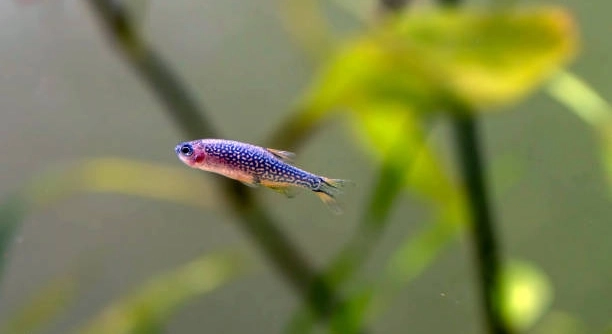
Do you ever notice your danios darting around the tank and wonder if they are truly aggressive? Many fishkeepers assume these small striped fish are naturally hostile, creating unnecessary worry in their aquariums.
Danio aggression is often misunderstood. While they can display occasional nipping or chasing, these behaviors are usually related to social hierarchy, space limitations, or environmental stress rather than innate hostility. Misinterpretations of normal interactions frequently exaggerate perceived aggression.
Understanding these common misconceptions will help you maintain a calmer, healthier tank environment for your danios and make aquarium care more enjoyable overall.
Misconception 1: Danios Are Always Aggressive
Many people assume that danios are aggressive fish that constantly fight. In reality, their nipping and chasing are usually part of normal schooling behavior. Danios are active swimmers and often test boundaries within the group. When a tank is too small or lacks hiding spots, their energy can look aggressive. Observing their behavior carefully helps differentiate between play and true aggression. Most conflicts are brief and rarely result in injury. Overcrowding can worsen perceived aggression, so maintaining proper stocking levels is important. The fish may chase slower tank mates, but it is rarely intentional harm. By arranging the tank with plants and decorations, danios have clear paths and spaces to reduce tension. Their natural activity can actually add life to the aquarium without causing problems if monitored. Learning their patterns helps you see their energetic movements as normal, not aggressive.
Danios usually interact for social reasons, not to dominate or hurt other fish.
Providing a balanced environment with enough space and visual breaks minimizes stress and keeps interactions healthy. Proper observation and tank setup ensure that their active behavior does not turn harmful, allowing you to enjoy their lively swimming patterns.
Misconception 2: Aggression Only Happens Between Different Species
Many assume danios only show aggression toward other types of fish.
In reality, danios can show minor chasing or nipping within their own group. Dominance hierarchies form naturally, especially in smaller tanks. These interactions are often brief and do not cause lasting harm. Understanding these social structures is key to interpreting their behavior.
When housed in a proper group of five or more, danios establish a pecking order through brief displays of chasing. This hierarchy helps maintain order and reduces serious fights. Smaller groups can increase stress, making any minor interaction seem aggressive. Tank design also influences behavior; plants, decorations, and open swimming areas allow fish to avoid constant contact. If a single fish is separated or new individuals are added, initial chasing may occur as roles are reestablished. Feeding routines and water quality also affect behavior—stressful conditions can exaggerate chasing or nipping. Observing patterns over time helps differentiate between normal social interactions and unusual aggression. Recognizing that danios interact with each other for structure rather than hostility allows aquarists to focus on environmental improvements rather than worrying about inherent aggression.
Misconception 3: Male Danios Are More Aggressive Than Females
Male danios may show more chasing, but it is usually related to courtship rather than aggression. Both sexes can display similar behaviors, and the differences are often subtle. Observing patterns over time helps identify true dominance behaviors versus mating displays.
Male chasing often happens during feeding or when establishing social hierarchy. It is common to see males nipping at each other or performing quick dashes around the tank. These actions are usually short-lived and do not result in injury. Females also participate in minor chasing, especially if space is limited. Proper tank setup with plants and decorations allows all fish to move freely and avoid constant interaction, reducing perceived aggression. Over time, these displays balance out as the group establishes a stable order. Recognizing the context of the behavior is key to understanding it correctly.
Aggression in males is often exaggerated. Careful observation usually shows the chasing is natural social or mating behavior. By providing adequate space, hiding spots, and a balanced group, both males and females coexist without serious conflict.
Misconception 4: Aggression Is a Sign of Poor Health
Danios may chase or nip even when healthy. Normal activity often looks aggressive but is part of schooling and social interaction. Stress or illness can increase intensity, but minor chasing alone is not a health warning.
Healthy danios are active and alert, with consistent coloration and regular feeding habits. Minor chasing is typical as they swim together and test boundaries. Stress factors such as overcrowding, sudden changes in water quality, or insufficient hiding spaces can amplify chasing, making it look more aggressive than usual. Illness-related aggression is rare and usually accompanied by other signs like lethargy, loss of appetite, or unusual swimming patterns. Maintaining stable water parameters and providing a structured environment reduces stress and keeps social interactions balanced. Regular observation allows you to distinguish normal activity from behavior caused by poor health, ensuring that intervention is only needed when truly necessary.
Misconception 5: Larger Tanks Prevent All Aggression
A bigger tank helps reduce stress but does not eliminate chasing or minor nipping entirely. Danios are naturally active and will still interact, even in spacious environments. Tank size alone cannot control social behavior.
Providing more room allows fish to spread out and avoid constant contact. However, social hierarchies and occasional displays of dominance continue regardless of tank size. Decorations, plants, and hiding spots are equally important to create a comfortable environment. Observing interactions over time ensures that activity remains normal and does not escalate into serious fights.
Misconception 6: Aggression Only Occurs During Feeding
Chasing and nipping are not limited to feeding times. Danios display these behaviors throughout the day as part of social interaction, schooling, and territory establishment.
Even outside feeding periods, danios maintain an active dynamic. They dart around, chase each other briefly, and establish order within the group. These actions are natural and do not indicate persistent aggression. Stress or overcrowding can make interactions more noticeable, but normal schooling behavior often resembles mild aggression. Providing structured environments, visual breaks, and balanced group sizes reduces tension. Recognizing that chasing occurs as part of everyday activity helps prevent overreacting to normal behavior and supports better long-term care of the aquarium.
Misconception 7: Only Certain Danio Species Are Aggressive
All danio species can show minor chasing, but the intensity varies. Behavior is influenced more by environment and group dynamics than by species alone.
FAQ
How can I tell if my danios are truly aggressive or just being playful?
True aggression in danios usually results in visible injury, prolonged chasing, or constant harassment. Most of the time, chasing and nipping are brief and part of social interaction. Observing behavior over several days helps differentiate between normal schooling activity and harmful aggression. Stress, overcrowding, and sudden changes in water quality can make normal behavior appear worse than it is. Minor nips rarely lead to damage, and fish often regroup quickly after brief displays. Providing plants, decorations, and open swimming areas lets them interact naturally while reducing tension.
What tank size is ideal to minimize aggression?
A minimum of 20 gallons is recommended for a small group of danios, with larger tanks helping to reduce stress. Space alone does not stop chasing, but it allows fish to move freely, establish social hierarchies, and avoid constant contact. Adding plants and decorations creates visual barriers and hiding spots, which prevent prolonged interactions that might appear aggressive. Grouping at least five danios together encourages natural social order, preventing a single fish from being targeted. Proper water circulation, consistent temperature, and regular maintenance also support calmer behavior.
Do male danios fight more than females?
Males may appear more active in chasing, but much of it is related to courtship and establishing hierarchy rather than genuine aggression. Females can chase too, especially in confined spaces. Observing interactions over time shows that both sexes display similar patterns of nipping and darting. Providing enough room and structured environments reduces stress and balances activity between males and females. Differences between individual fish are often more significant than differences between sexes.
Can feeding routines trigger aggression?
Feeding times can temporarily increase chasing because food triggers competition, but it does not mean the fish are aggressive overall. Danios may nip at each other briefly, but this is usually short-lived and stops once the food is consumed. Distributing food evenly across the tank reduces competition. Automatic feeders or multiple feeding spots help ensure all fish get access without prolonged chasing. Observing feeding behavior helps distinguish normal food-related activity from stressful aggression caused by overcrowding or inadequate nutrition.
How does tank setup affect aggression?
A well-planned tank with plants, decorations, and open swimming areas significantly reduces stress and perceived aggression. Visual barriers give fish places to hide, rest, and escape from brief chases. Overcrowding amplifies chasing, while structured spaces let fish establish territories safely. Smooth surfaces, gravel, and plants contribute to natural behaviors without escalating tension. Observing patterns of interaction after rearranging decorations helps ensure the environment is comfortable. Regular water changes and stable conditions also prevent stress-related chasing that might be mistaken for aggression.
When should I intervene in danio aggression?
Intervention is necessary only if chasing leads to injury, persistent harassment, or stress that affects feeding and health. Minor nipping or brief displays of dominance are normal. Signs requiring action include torn fins, lethargy, or hiding for extended periods. Rearranging decorations, adding plants, increasing space, or temporarily separating fish can reduce harmful behavior. Maintaining water quality, balanced feeding, and proper group size supports peaceful coexistence. Most social interactions do not need interference, as fish establish order naturally over time.
Do all danio species show similar levels of aggression?
All species display minor chasing and nipping, but intensity varies by individual and environment rather than species. Zebra danios, pearl danios, and other common types share similar social behavior. Differences in temperament are often influenced by tank size, group size, and environmental stressors rather than inherent species traits. Careful observation and proper aquarium management allow any species to coexist peacefully, even in active or fast-moving groups.
Can stress make normally peaceful danios aggressive?
Stress increases the likelihood of chasing appearing more severe. Overcrowding, poor water quality, sudden changes in temperature, and lack of hiding spots all amplify social tension. Even normally calm danios may display more nipping or chasing when stressed. Ensuring a stable, enriched environment and monitoring water parameters reduces stress-related behavior, allowing fish to maintain normal social interactions. Recognizing stress signals such as hiding, color fading, or irregular swimming helps address underlying problems before aggression escalates.
How many danios should I keep together?
Keeping at least five danios together encourages stable social behavior. Smaller groups can lead to repeated chasing and perceived aggression as fish struggle to establish hierarchy. Larger groups allow natural order to form, reducing harassment of individual fish. Balanced male-to-female ratios, sufficient space, and environmental enrichment all help maintain peaceful interactions. Regular observation and minor adjustments in group composition or tank layout prevent conflicts and support healthy social dynamics.
Is aggression linked to breeding behavior?
During courtship, males may chase females or each other, but this is normal and usually brief. Aggressive behavior outside breeding displays is rare in healthy, well-managed tanks. Providing adequate space and visual barriers allows natural breeding activity without harming other fish. Recognizing courtship chasing versus stress-induced aggression helps avoid unnecessary intervention and ensures a stable, harmonious aquarium environment.
Final Thoughts
Danios are often misunderstood because of their fast movements and occasional chasing. Many fishkeepers assume these behaviors mean the fish are aggressive, but most of the time, it is simply normal social interaction. Danios are active swimmers that enjoy moving around together, testing boundaries, and establishing order in their group. Minor nipping or chasing usually occurs in brief bursts and rarely causes harm. Recognizing these behaviors as natural allows you to care for them without unnecessary worry. Observing them over time is key because it helps distinguish normal activity from real aggression, which is rare in a healthy, properly managed tank.
Providing the right environment is essential for reducing stress and perceived aggression. Tank size alone does not solve all behavioral issues, though it is important to give fish space to move. Decorations, plants, and hiding spots are just as crucial because they allow fish to escape brief interactions and rest when needed. Maintaining stable water parameters, feeding a balanced diet, and keeping an appropriate group size all contribute to calmer behavior. Even male danios, which sometimes appear more active, are mostly engaging in social displays rather than causing harm. Proper observation and small adjustments to the tank setup can prevent minor chasing from becoming stressful for the fish.
Understanding danio behavior also helps you enjoy their energy and liveliness without overreacting to minor incidents. Most chasing is part of schooling and social interaction, not aggression. By recognizing the difference, you can maintain a harmonious aquarium and feel more confident in your care. Healthy danios display activity, interaction, and curiosity that are rewarding to watch when the environment supports their natural tendencies. Paying attention to group dynamics, space, and stress factors ensures that the fish can coexist peacefully. With careful observation and thoughtful tank management, the occasional chasing or nipping becomes an expected part of their behavior rather than a cause for concern. This approach promotes a balanced, healthy, and visually engaging aquarium that benefits both the fish and the keeper.

Hello,
If you enjoy the content that we create, please consider saying a "Thank You!" by leaving a tip.
Every little bit helps us continue crafting quality advice that supports the health, happiness, and well-being of pets around the world, for pets of all shapes, sizes, and species.
We really appreciate the kindness and support that you show us!