
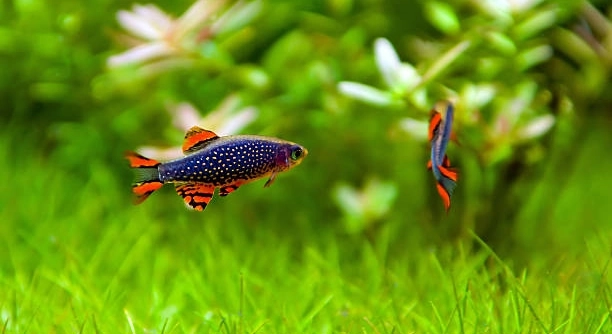
Have you ever wanted a calm aquarium filled with peaceful movement, steady color, and small fish that get along well with each other, creating a friendly space that stays stable and easy to enjoy each.
Selecting suitable tank mates for community danio setups relies on choosing peaceful, similarly sized species that thrive in active environments. These compatible fish support balanced social behavior and reduce territorial stress, helping maintain stable conditions within a freshwater aquarium setting.
As you explore these compatible choices, you will find simple combinations that create a steady, friendly environment for your danios.
Choosing Reliable Tank Companions
Keeping danios with the right species makes your aquarium feel stable, calm, and pleasant. I focus on practical choices that support steady behavior, and low stress, helping the tank stay balanced without extra effort. When selecting companions, it helps to consider size, temperament, and activity level, since danios prefer fast movement and open space. Peaceful schooling fish with similar habits usually fit well, and they create a smooth rhythm that feels natural in a shared tank. I also pay attention to how each species handles feeding time, because calmer interactions reduce tension and keep everyone eating well. Adding slow, territorial, or overly bold fish can disrupt the group, so choosing steady species is an easy way to prevent problems before they appear. With a little planning, the setup stays pleasant to watch, simple to manage, and comfortable for every fish living together under the same gentle routine each calm day.
Simple tank mate choices keep your danios relaxed and active in a shared space. Picking peaceful species avoids stressful interactions and keeps the aquarium steady. Balanced behavior, gentle movement, and predictable routines make the tank easier to maintain while giving your fish a clean, calm environment that stays stable daily.
Selecting reliable tank mates adds a comfortable rhythm to your aquarium, letting your danios move freely without constant tension. I keep the focus on calm species that blend smoothly with fast swimmers, creating an easy environment that feels light and steady. Careful choices help reduce small problems that often appear when fish compete for space or chase one another. With peaceful species, the tank feels gentle, organized, and simple to observe. This approach makes daily care easier, keeping the water cleaner and the mood calmer. A carefully mixed group allows your danios to stay bright, confident, and active each day.
Maintaining Harmony in Shared Aquariums
Stable conditions in a shared aquarium depend on consistent care and mindful species selection. Keeping feeding routines steady, providing open swimming areas, and watching for mild tension helps maintain a calm setup. Simple adjustments support predictable behavior, making the tank peaceful for danios and their compatible companions each single day.
Maintaining harmony in a shared tank begins with understanding how each species behaves in close quarters and how those behaviors influence daily activity. I focus on peaceful fish that avoid confrontations, since danios thrive when surrounded by calm movement and steady patterns. Providing enough space reduces mild competition, and keeping the swimming lanes open helps fast species move freely without disturbing slower companions. Regular feeding sessions should be consistent, allowing every fish to eat without stress. I also watch for small signs of discomfort, such as hiding, sudden dashes, or food hesitation, since these can reveal early issues within the group. Clean water, stable temperature, and clear filtration play important roles, supporting healthy behavior and reducing tension. Adding plants strengthens the environment, creating soft barriers that help fish feel safe while keeping the layout open enough for active swimming. Careful observations make it easier to catch subtle behavior shifts before they become problems. When each species has space, steady routines, and peaceful neighbors, the tank stays balanced, pleasant to manage, and gentle to watch. This approach supports long term comfort, helping your danios maintain their bright activity and relaxed confidence every single day in their shared habitat each day again.
Selecting Peaceful Schooling Species
Keeping danios with gentle schooling fish helps the tank stay calm and predictable. I focus on species that move lightly through the water, avoiding sudden bursts that could disturb the group and maintaining a steady rhythm that supports peaceful behavior each simple day.
Peaceful schooling species create a smooth dynamic that keeps danios active without added tension. I look for fish that share similar swimming speeds, since matching movement helps prevent crowding or startled reactions. When fish travel together in soft patterns, the tank feels organized and easy to observe. Consistent activity also supports better feeding behavior and reduces small disputes during meal times. Choosing species with calm habits helps maintain a clean environment too, since reduced stress often leads to healthier fish and steadier routines. With balanced groups, the entire tank feels steady and simple to manage.
Adding schooling species with predictable habits often improves the overall tank environment. I notice that danios respond well when surrounded by fish that avoid bold displays or sudden direction changes. Smooth group swimming helps reduce confusion, allowing every fish to find its space without trouble. The tank remains visually balanced, making it pleasant to watch each day. Peaceful companions also help danios stay confident, especially when the group moves around open areas. Simple choices like these keep the setup relaxed, letting you enjoy a quiet, active aquarium with very little stress.
Balancing Activity Levels
Balancing activity levels helps keep the tank peaceful, especially when mixing quick swimmers with calmer species. I focus on steady movement and low tension, making sure every fish has space to move without constant interruptions or light chasing from faster, more energetic neighbors each daily moment.
Choosing species with compatible energy levels makes the aquarium easier to manage and more pleasant to watch. Danios move quickly, so pairing them with fish that are not easily startled helps prevent stressful reactions. Giving each species enough room to swim lowers mild competition and allows natural behavior to show. I also keep the layout open, with plants placed along the edges so the center stays clear for movement. This reduces crowding and creates predictable traffic patterns. Watching how each species adapts to the flow of the tank helps identify small issues early. When the energy in the tank feels balanced, the fish appear brighter, healthier, and more at ease.
Introducing Calm Bottom Dwellers
Calm bottom dwellers help keep the tank organized by staying out of the danios main swimming paths. Their gentle movements support a stable environment, and they manage leftover food without disrupting the peaceful flow happening in the middle and upper areas.
Choosing bottom species that avoid sudden bursts makes the tank feel smoother and more balanced. I notice that steady feeders keep the substrate cleaner while staying quietly in their own space. This reduces small food disputes and keeps the overall setup predictable and easy to maintain.
Adding Mid Level Companions
Adding mid level companions works well when they have gentle habits and avoid bold displays. I focus on species that blend naturally with danios movement, preventing crowding and keeping the swimming zones clear. Matching speed and temperament helps reduce confusion and keeps everyone comfortable. When mid level fish follow calm routines, the tank stays orderly, and feeding time becomes easier. I also prefer species that maintain soft patterns rather than quick darts, since this keeps the environment light and steady. Balanced movement across all layers makes the aquarium simple to manage and pleasant to observe.
Choosing Gentle Surface Fish
Choosing gentle surface fish maintains stability at the upper level without overwhelming the danios below. I focus on species that glide calmly near the top, keeping movement light and avoiding sharp turns that could disturb the peaceful rhythm of the tank.
FAQ
What types of fish are best for a community danio tank?
The best choices are peaceful, similarly sized species that can handle active swimming patterns. Small schooling fish work well, as they complement the fast movement of danios without causing stress. Bottom dwellers and gentle mid-level species also help balance the environment. Avoid aggressive or overly territorial fish.
Can danios live with bettas?
Bettas may not be ideal companions because they can be territorial and aggressive toward fast-moving fish. Some danios may trigger chasing behavior in a betta, leading to stress and injuries. If a betta is calm and housed in a larger tank, it could work, but careful observation is essential.
Are shrimp safe with danios?
Shrimp can be kept with danios if the tank has plenty of hiding spots. Danios may sometimes try to chase or nibble smaller shrimp, so dense plants or decorations are helpful. Larger shrimp species tend to survive better than tiny varieties in a shared environment.
How many tank mates can I add?
The number depends on tank size and species. Generally, choose a few compatible fish rather than overcrowding the aquarium. A 20-gallon tank can comfortably house a small danio school plus three to five other peaceful species. Monitor behavior and space needs to prevent stress.
Do danios require specific water conditions for companions?
Yes, compatible species must tolerate similar water parameters, including temperature, pH, and hardness. Most danios thrive in 68–77°F with neutral to slightly alkaline pH. Choose species that share these preferences to avoid illness or discomfort in the tank.
How do I prevent aggression among tank mates?
Provide enough space, open swimming areas, and multiple hiding spots. Observe interactions daily, especially during feeding. Avoid mixing fish with drastically different activity levels or aggressive tendencies. Peaceful species help maintain calm behavior across all tank layers.
Are live plants necessary for community tanks?
Live plants are helpful but not strictly required. They offer hiding places, reduce stress, and improve water quality. For danios, mid-height and floating plants are useful because they do not obstruct swimming paths while providing coverage for smaller or shy species.
Can I mix danios with corydoras?
Yes, corydoras are excellent bottom dwellers for danio tanks. Their gentle habits and calm movement keep the substrate clean without disturbing mid-level activity. They occupy a different layer than danios, reducing conflict and maintaining balance across the aquarium.
Do danios eat the same food as other tank mates?
Many compatible species share similar diets, including flakes, small pellets, or frozen foods. Adjust feeding portions to ensure all fish get enough without overfeeding. Bottom dwellers like corydoras benefit from sinking pellets, while danios prefer food near the surface.
How often should I monitor the tank for issues?
Daily observation is important. Watch for hiding, chasing, or unusual behavior that could indicate stress or illness. Check water quality regularly to maintain stable parameters. Early detection of minor issues helps keep the tank calm and healthy.
Is it necessary to quarantine new fish?
Yes, quarantining new fish is highly recommended. It prevents introducing disease or parasites into the established tank. A simple 2–4 week quarantine allows observation of health, feeding behavior, and compatibility before joining the main aquarium.
Can danios live with guppies?
Guppies generally coexist well with danios because both are peaceful and active swimmers. Make sure tank space is sufficient, as both species enjoy mid-level and surface areas. Avoid overcrowding and maintain consistent water parameters suitable for both species.
What should I do if aggression occurs?
Remove aggressive individuals immediately if chasing or fighting persists. Ensure there are enough hiding spots and space to reduce stress. Reassess tank mate choices and energy levels to prevent further incidents. Peaceful species combinations are usually the best solution for long-term harmony.
Are there any fish to avoid in a danio tank?
Avoid large, aggressive, or highly territorial fish. Species that chase quickly or nip fins can stress danios. Predatory fish or those requiring very different water conditions should also be avoided to maintain a safe and calm community setup.
How can I keep all tank levels balanced?
Include bottom dwellers, mid-level species, and gentle surface swimmers. Open swimming lanes, plants, and decorations help define space. Ensuring each layer has compatible fish prevents overcrowding and reduces conflict. Balanced tank levels improve movement patterns and feeding behavior.
What are the signs of a happy danio tank?
Fish swim actively without chasing or hiding, eat consistently, and show bright coloration. Water remains clear, and plants stay healthy. Minimal aggression and smooth movement across all levels indicate a well-planned, harmonious community tank.
How often should I feed tank mates?
Feed small amounts once or twice daily, adjusting portions to avoid leftovers. Spread food across levels to ensure all species, from surface swimmers to bottom dwellers, receive adequate nutrition without promoting competition or overfeeding.
Do different danio species mix well together?
Yes, but ensure size compatibility and similar activity levels. Smaller danios may be stressed by larger, faster species. Grouping species with similar habits creates smoother swimming patterns, reduces chasing, and keeps the tank balanced.
Can I keep snails with danios?
Snails generally coexist well. They help clean algae and leftovers without disturbing active danios. Large, calm snails are safer than small, delicate varieties, which might be occasionally nudged or chased by curious fish.
How important is tank size for community setups?
Tank size directly affects stress levels and compatibility. A larger tank allows more species with open swimming space. Small tanks can quickly become overcrowded, leading to aggression or poor health. Matching tank size to species activity is key for a peaceful community environment.
Final Thoughts
Creating a community danio tank takes some planning, but it can be very rewarding. Danios are active, fast-moving fish, so they need companions that move in a similar way without causing stress. Choosing peaceful schooling species, gentle bottom dwellers, and calm mid-level or surface fish makes the tank feel balanced. Each fish has its own space and role in the aquarium, which reduces tension and keeps everyone healthy. I often notice that tanks with compatible species are easier to maintain, with fewer signs of stress and better overall behavior. A steady routine for feeding, water changes, and observation helps support this balance and keeps the aquarium simple to care for over time.
Observing how each fish behaves is an important part of maintaining harmony. Even small signs, like hiding, chasing, or hesitation during feeding, can indicate that the setup needs adjustment. Adding plants and decorations in thoughtful ways creates hiding spaces and soft boundaries that reduce mild conflicts. Open swimming areas remain essential for active species like danios. I’ve seen tanks become calmer and more pleasant when space is respected and energy levels are compatible. Regular checks on water quality, temperature, and feeding routines also prevent stress and illness. By carefully matching species and monitoring their behavior, it’s possible to create an aquarium where all fish thrive together.
Patience is key when building a community tank. Changes should be gradual, whether adding new species, adjusting decorations, or introducing different feeding methods. Avoid overcrowding and keep water parameters consistent for all fish. Over time, the tank becomes a predictable, organized environment where danios and their companions can swim freely without disruption. I’ve found that paying attention to energy levels, habitat preferences, and social behavior leads to a healthier, calmer aquarium. When each species has space, comfort, and compatible neighbors, the tank remains balanced and easier to manage. Careful planning and daily observation make it possible to enjoy a lively, peaceful community setup that continues to thrive for months and years.

Hello,
If you enjoy the content that we create, please consider saying a "Thank You!" by leaving a tip.
Every little bit helps us continue crafting quality advice that supports the health, happiness, and well-being of pets around the world, for pets of all shapes, sizes, and species.
We really appreciate the kindness and support that you show us!