
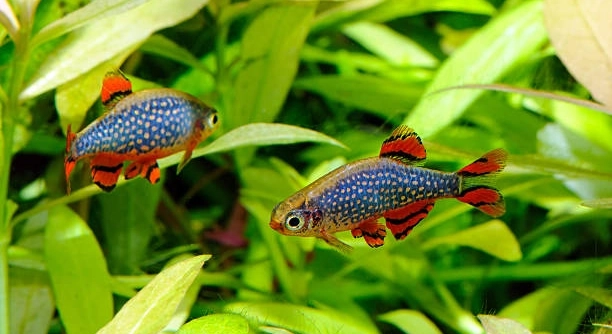
Do you ever find yourself carefully tending to your Danio fry but still noticing some are not thriving as expected? Raising these tiny fish requires attention, patience, and an understanding of what can harm their early development.
Proper Danio fry care involves avoiding common mistakes that compromise their growth and survival. Overfeeding, poor water quality, overcrowding, inadequate hiding spaces, inappropriate temperature, insufficient nutrition, and ignoring tank maintenance are primary factors that can lead to high mortality rates.
Learning these simple precautions can improve the survival and growth of your fry, helping you maintain a healthy, vibrant aquarium from the start.
Overfeeding Danio Fry
Overfeeding Danio fry is a common mistake that can harm their health. These tiny fish have small stomachs, and giving them too much food leads to uneaten particles sinking to the bottom. This not only pollutes the water but also encourages bacterial growth, which can cause infections. Fry are particularly sensitive, and their delicate digestive systems can become overwhelmed if they receive large amounts of food. Feeding them small portions several times a day is more effective than one large feeding. Observing their eating behavior helps determine the right amount, ensuring they consume the food quickly without leftovers. Choosing the correct food type is also crucial. Fry flakes or finely crushed micro pellets are ideal because they are easier to digest. Maintaining a balanced feeding schedule and controlling portion sizes can dramatically improve survival rates and overall fry growth. Small adjustments in feeding habits make a significant difference in their development.
Monitoring feeding closely prevents waste buildup and keeps the water healthier.
Consistently feeding the correct portions promotes strong growth and reduces the risk of disease. Overfed fry may become sluggish, lose color, or develop digestive issues. Controlled feeding allows the water to remain clear and safe while encouraging fry to actively swim and forage. Small, frequent meals mimic natural conditions and improve overall health. Proper feeding practices ensure that fry grow evenly, avoiding weaker individuals lagging behind. Observing each batch closely helps identify patterns or issues early. Using a feeding schedule prevents both overfeeding and underfeeding. A clean, nutrient-appropriate diet supports proper organ development and strengthens immunity, making fry more resilient to environmental stress. Fry thrive in a stable environment with minimal waste accumulation. Overfeeding can also affect water parameters, increasing ammonia and nitrite levels, which are toxic. A careful approach to feeding creates a balance between nutrition and water quality. The right routine fosters healthy, active Danio fry that develop uniformly and remain vibrant.
Maintaining Poor Water Quality
Poor water quality is extremely harmful to Danio fry and can cause rapid deaths.
Water must be clean, well-filtered, and properly conditioned. Regular partial water changes prevent ammonia and nitrite buildup.
Maintaining optimal water conditions for Danio fry requires attention to filtration, temperature, and chemical balance. Fry are sensitive to changes in water parameters, and even small fluctuations can lead to stress or mortality. The tank should be free of toxins, and water should be cycled to remove ammonia, nitrites, and excess organic matter. Testing water regularly ensures proper pH, hardness, and temperature levels. Using a gentle filter prevents fry from being sucked in while still providing circulation. Partial water changes should be performed frequently, removing small amounts of water at a time to avoid shocking the fry. Adding dechlorinated water after changes maintains chemical balance. Keeping the substrate clean and removing uneaten food prevents waste accumulation. Observing fry behavior can indicate water quality issues, such as lethargy, gasping at the surface, or unusual swimming patterns. By prioritizing water cleanliness and stability, you create a safer environment where fry can grow healthily and resist disease. Consistency in maintenance is key, and even small efforts in water care contribute to higher survival rates and more robust fry development over time.
Overcrowding the Tank
Too many Danio fry in one tank leads to competition for food and space. Crowding causes stress, slows growth, and increases the risk of disease outbreaks. Adequate space is essential for healthy development and proper swimming activity.
Providing enough room helps fry grow evenly and reduces aggressive behavior. Overcrowding can cause weaker fry to be bullied or pushed aside during feeding. Maintaining proper density allows each fish to access food and avoid constant stress. Separation of larger or more dominant fry from smaller individuals may be necessary to prevent stunted growth. A well-planned stocking density ensures water quality remains stable, as fewer fish produce less waste. Fry in spacious conditions are more active, develop better coloration, and have stronger immune systems. Proper tank management reduces the chance of sudden deaths and ensures a healthier environment for all fry. Avoiding overcrowding is a straightforward method to support consistent growth and long-term survival.
Stress from overcrowding can weaken fry, making them vulnerable to illness.
Consistent monitoring of numbers, timely transfers to larger tanks, and careful observation ensure all fry have adequate room to thrive.
Inadequate Hiding Spaces
Fry need safe spots to hide, as open tanks increase stress and vulnerability to injury. Dense plants, small caves, or floating materials provide protection.
Providing hiding spaces reduces stress and allows fry to develop naturally. Lack of shelter can lead to aggressive interactions, especially in larger groups. Hiding areas also help fry avoid strong currents from filters and create microenvironments where they feel secure. Plants such as java moss or fine-leaved aquatic species are ideal because fry can swim through them safely. Floating materials can diffuse light and provide shade, mimicking natural conditions. Fry that feel secure are more likely to feed well and grow evenly. Structured environments reduce panic swimming, accidental collisions, and the risk of being trapped in filter intakes. Even simple arrangements can make a significant difference in fry behavior, health, and survival rates.
Safe, structured spaces encourage natural activity and reduce stress-related mortality.
By incorporating plants, floating elements, or small hiding areas, you give each fry a chance to rest, explore, and grow in a more controlled, stress-free environment.
Incorrect Water Temperature
Danio fry are sensitive to temperature fluctuations. Water that is too cold slows growth, while water that is too warm increases metabolism and stress. Maintaining a stable, appropriate temperature is essential for their survival and healthy development.
Sudden changes in temperature can shock fry, leading to weakened immunity. Consistency in heating or cooling ensures they remain active, feed well, and grow evenly without unnecessary stress or vulnerability to disease.
Poor Nutrition
Providing a balanced diet is crucial for fry development. Fry require high-protein foods like finely crushed flakes, micro pellets, or live foods. Feeding low-quality or inappropriate food results in stunted growth, weak immunity, and higher mortality. Consistent nutrition supports strong organ development, healthy coloration, and proper activity levels.
Ignoring Tank Maintenance
Neglecting regular tank cleaning allows waste and debris to accumulate. This can increase harmful bacteria, ammonia, and nitrites, which are dangerous for fry health. Regular maintenance is necessary to keep water safe, clear, and conducive to growth, ensuring the fry remain active and develop properly.
FAQ
What is the ideal feeding schedule for Danio fry?
Danio fry thrive on small, frequent meals. Feeding them three to five times a day is optimal. Use finely crushed flakes, micro pellets, or live foods. Each feeding should last only a few minutes so that all fry can eat without leaving uneaten food in the tank, which can pollute the water. Observing how quickly the fry consume the food helps adjust portion sizes and timing. Consistent feeding ensures even growth, prevents digestive issues, and reduces waste buildup in the tank.
How can I prevent overfeeding?
The key is portion control. Provide only what the fry can consume in two to three minutes. Remove any leftover food promptly. Using small tools like feeding spoons or pipettes helps distribute the food evenly. Overfeeding leads to water quality problems and digestive issues. Watching their behavior during feeding allows you to notice if some fry are not getting enough, so adjustments can be made. Smaller, frequent feedings are more effective than one large meal, keeping fry healthy and active.
What is the best tank size for Danio fry?
A tank of at least 10 gallons is recommended for a small batch of fry. This provides adequate swimming space and reduces competition for food. Larger tanks are better if you have many fry. Proper spacing helps maintain water quality and limits stress. Overcrowding can stunt growth and increase disease risk. Monitoring fry density and transferring them to larger tanks as they grow ensures healthy development. Tank size also impacts oxygen levels and temperature stability, making it a crucial factor for survival.
How do I maintain proper water quality?
Frequent partial water changes are essential. Replace 20–30% of the water every few days with dechlorinated water at the same temperature. Use a gentle filter to remove debris without sucking in fry. Regularly test for ammonia, nitrites, and pH levels. Clean the substrate to prevent leftover food and waste accumulation. Stable water conditions prevent stress and disease. Observing fry behavior, such as gasping or lethargy, can indicate water problems. Keeping water clean and balanced creates an environment where fry grow evenly and remain healthy.
Why are hiding spaces important?
Hiding spaces reduce stress and allow fry to feel secure. Dense plants, floating moss, and small caves provide shelter. Fry are less likely to collide, panic, or become injured when they have places to retreat. These areas also diffuse light and mimic natural habitats, encouraging normal behavior. Fry that feel safe tend to feed better and grow more uniformly. Even simple additions like moss mats or floating plants can create microenvironments where fry can rest, hide, and explore safely, supporting their overall health.
What is the proper water temperature for Danio fry?
The optimal range is usually between 24–26°C (75–79°F). Temperatures below this slow growth, while higher temperatures increase stress and metabolic demands. Use a reliable heater and thermometer to maintain stability. Avoid sudden changes, as even a small fluctuation can shock fry. Consistent temperature ensures they remain active, feed regularly, and develop properly.
How often should I clean the tank?
Regular maintenance is critical. Perform partial water changes two to three times a week and remove uneaten food daily. Clean the substrate and filter gently without disturbing the fry. Avoid using harsh chemicals. Maintaining a clean environment prevents ammonia and nitrite buildup, reduces disease risk, and promotes healthy growth. Consistent observation helps identify any early issues before they affect the fry.
What foods support the fastest growth?
High-protein foods like finely crushed flakes, micro pellets, and live foods such as brine shrimp or daphnia are ideal. Rotate food types to provide a balanced diet. Fry need sufficient protein for organ development, healthy coloration, and energy for swimming. Avoid overfeeding and ensure the food is appropriately sized for their mouths. Observing which fry are active and growing well helps gauge nutritional effectiveness. Balanced nutrition from multiple sources ensures fry develop evenly and remain strong.
How can I prevent disease in fry?
Maintaining clean water, proper feeding, adequate space, and stable temperature reduces disease risk. Quarantine new fish or plants before adding them. Remove sick individuals promptly to prevent spread. Healthy fry in a well-maintained tank are much less likely to develop infections. Regular observation for unusual behavior or physical changes helps catch issues early. Providing a stress-free environment with proper nutrition and hiding spots strengthens their immunity and overall resilience.
When should fry be moved to a larger tank?
Fry should be transferred when they begin to outgrow their current space, typically after a few weeks. Monitor their size and swimming activity. Moving them too late can cause overcrowding, stunted growth, and stress. Gradual acclimation to the new tank prevents shock. Ensure water parameters in the new tank match the previous one. Providing more space encourages proper growth, reduces aggression, and helps maintain water quality. Proper timing ensures fry continue to develop evenly and remain healthy.
Raising Danio fry requires attention to detail and careful management of their environment. Small mistakes can quickly become serious problems, affecting their growth and survival. Overfeeding, poor water quality, overcrowding, lack of hiding spaces, improper temperature, inadequate nutrition, and neglecting tank maintenance are all common issues that can harm fry. Each of these factors has a direct impact on their health. Even small lapses can lead to stress, stunted growth, or increased mortality. Ensuring proper care from the beginning creates a strong foundation for fry to grow into healthy adult fish. Observing their behavior daily, adjusting feeding schedules, and maintaining water parameters are simple but effective practices. Consistency is key, as fry respond best to stable, predictable conditions. The effort invested early on pays off with more robust, active fish that are better equipped to handle minor environmental changes.
Providing the right conditions is not just about survival; it also affects long-term development. Proper feeding routines help fry develop strong immune systems and maintain vibrant coloration. Adequate space and hiding areas allow them to swim freely and reduce stress-related behavior. Temperature control ensures metabolism and growth rates remain balanced, while regular tank maintenance prevents the buildup of harmful chemicals. Each element interacts with the others, so a holistic approach is important. Ignoring even one factor can create problems that are difficult to correct later. Attention to detail also makes it easier to identify health issues early. Fry that have access to clean water, sufficient nutrition, and shelter are less likely to develop disease and are more resilient to environmental fluctuations. Over time, careful management supports even growth among all fry, minimizing competition and ensuring that weaker individuals have a chance to thrive alongside stronger ones.
Success in Danio fry care comes from understanding their needs and responding consistently. Observing how they feed, swim, and interact provides insight into whether adjustments are necessary. Even small changes, like improving water circulation, adding plants for cover, or modifying feeding amounts, can have a noticeable impact. Patience is essential, as fry growth takes time and gradual development is preferable to rapid but unstable growth. Establishing routines for feeding, water changes, and monitoring water quality simplifies management and creates a safer environment. Following these practices reduces stress and promotes healthy behavior, giving each fry the best chance to grow into a strong adult. Consistent care, attention to their environment, and a focus on balanced nutrition result in healthier, more vibrant Danios. In the long run, applying these principles ensures that the effort put into raising fry is rewarded with a thriving, active group of fish that are well-prepared for life in a home aquarium.

Hello,
If you enjoy the content that we create, please consider saying a "Thank You!" by leaving a tip.
Every little bit helps us continue crafting quality advice that supports the health, happiness, and well-being of pets around the world, for pets of all shapes, sizes, and species.
We really appreciate the kindness and support that you show us!