
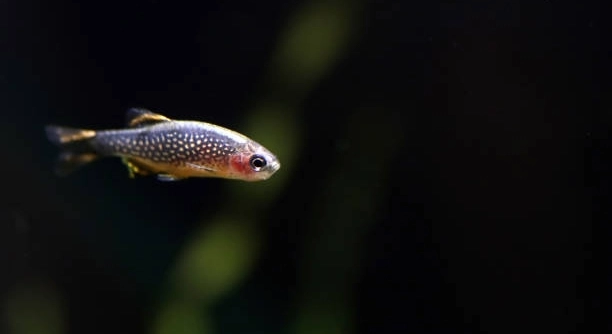
Do you ever notice your danios swimming together but suddenly breaking apart without warning? Observing their coordinated movements can be calming, yet small disruptions in their environment may unexpectedly disturb their natural schooling behavior.
Danio schooling is highly sensitive to environmental and social factors. Common triggers include sudden water parameter changes, aggressive tank mates, overcrowding, inadequate lighting, temperature fluctuations, inconsistent feeding, and strong vibrations, all of which can fragment their cohesive group behavior.
Understanding these triggers can help maintain a harmonious tank. Proper care ensures your danios continue their natural, synchronized swimming patterns with minimal stress.
Sudden Changes in Water Parameters
Even slight shifts in water quality can unsettle danios. Rapid changes in pH, ammonia, nitrite, or nitrate levels affect their comfort and can trigger stress responses. Danios thrive in stable conditions, and any abrupt fluctuation may lead them to scatter or behave erratically. Monitoring your tank regularly with test kits helps maintain a healthy environment and prevent sudden shocks. Adjustments should always be gradual. If a new water source is added, it’s best to ensure it matches existing tank conditions as closely as possible. Proper filtration, regular partial water changes, and consistent maintenance routines are essential. Sudden drops in temperature or unexpected chemical additions, including medications or fertilizers, can also disturb their schooling. Observing your fish closely after any change allows you to detect early signs of stress. Maintaining consistency gives danios confidence in their surroundings, encouraging natural swimming behavior and social cohesion within the school.
Gradual adjustments and careful observation are key. Keeping water stable promotes calm behavior and prevents unnecessary schooling disruptions in your tank.
Consistency in tank care not only supports healthy danio behavior but also enhances overall vitality. Regular testing and slow integration of any changes help them feel secure. Even small disturbances, like abrupt temperature shifts or chemical fluctuations, can stress the fish and break their coordinated swimming patterns. By understanding their sensitivity, you can prevent unnecessary panic and maintain a harmonious environment. Each fish in the school relies on subtle cues from others, so disruptions affect the entire group. Maintaining proper filtration, steady water chemistry, and controlled feeding schedules ensures the school moves naturally and confidently. Simple adjustments, such as acclimating new water slowly or keeping the tank free from sudden vibrations, make a significant difference. When conditions are predictable, danios exhibit their characteristic schooling behavior, moving fluidly and synchronously, which enhances the visual appeal of the aquarium while supporting their mental and physical well-being.
Aggressive or Incompatible Tank Mates
Aggressive fish can intimidate danios, causing them to scatter and lose formation quickly. Stress from bullying disrupts normal schooling behavior and affects overall tank harmony.
Tank planning is crucial for preserving danio schools. Aggressive species can trigger continuous stress, forcing the school to constantly split or hide. It is important to research compatibility before adding new fish. Territorial behavior from other species may prevent danios from swimming freely or feeding properly, which can lead to further health issues. Even seemingly minor aggression, such as chasing or nipping fins, can fragment a well-established school. Ideal tank mates are peaceful and similar in size, allowing danios to maintain cohesion. Observing interactions and separating incompatible fish immediately ensures minimal disruption. Over time, the right companions encourage confidence in danios, letting them exhibit natural, synchronized swimming patterns. The presence of calm and non-threatening species fosters a stable environment where the school feels secure, promoting both social behavior and physical health in the aquarium. Proper planning and attention to interactions prevent ongoing disturbances and support a thriving, visually pleasing school.
Overcrowding
Too many fish in a tank reduces space for swimming and increases stress. Danios may break their school to avoid collisions, and competition for resources can make them uneasy. Maintaining proper stocking levels is essential for their natural behavior and overall health.
Overcrowding raises stress levels and disrupts normal schooling patterns. Limited space forces fish to constantly navigate around each other, causing panic and erratic movement. Aggression can increase when territory is limited, even among peaceful species. Overcrowded conditions also make it harder to maintain stable water parameters, further affecting comfort. Danios may retreat to corners or hide, fragmenting the group and reducing cohesion. Stress can weaken their immune systems, making them more prone to disease. Providing sufficient space allows the school to swim fluidly, preserving natural behavior.
Space management influences feeding, social interaction, and movement patterns. When tanks are crowded, even calm species like danios can experience behavioral issues. Adequate space supports a healthy, synchronized school. Maintaining correct fish density ensures both comfort and longevity for every member.
Sudden Vibrations and Noise
Strong vibrations from nearby movement or equipment disturb danios, causing them to scatter and lose cohesion. They are sensitive to sudden environmental disturbances, which can trigger erratic swimming or hiding behaviors.
Vibrations from heavy foot traffic, closing doors, or nearby appliances create stress. Danios rely on subtle sensory cues to maintain their schooling pattern, and disruptions interfere with these signals. Continuous noise or vibration can fragment the group repeatedly, preventing the school from settling. Sensitive individuals may hide or display stress behaviors, such as darting, flashing, or skipping feeding times. Protecting the tank from excessive vibrations and minimizing loud, sudden noises allows the school to maintain natural movement. Positioning the aquarium in a stable, low-traffic area and using vibration-dampening materials under the stand can reduce disturbances. Proper placement and environmental awareness help preserve calm, synchronized schooling.
Minimizing environmental stressors is vital for maintaining stable, healthy danio behavior. Protecting the tank from vibrations and sudden disturbances encourages natural schooling and prevents ongoing stress.
Inconsistent Feeding
Irregular feeding schedules confuse danios and can disrupt their schooling. When food availability is unpredictable, some fish become aggressive or scatter while competing, breaking the natural cohesion of the group.
Uneven feeding may cause weaker fish to miss out while stronger individuals dominate, creating tension. Maintaining a consistent feeding routine supports healthy social behavior and reduces stress, helping the school remain coordinated and calm.
Lighting Fluctuations
Sudden changes in light intensity or duration disturb danios, affecting their normal swimming patterns. Bright or flickering light can cause panic and fragmentation in the school, while consistent lighting helps maintain natural behavior.
Temperature Shifts
Danios are sensitive to water temperature changes. Rapid increases or decreases cause stress, forcing the school to break formation and hide. Maintaining a steady, appropriate temperature is essential for cohesive and healthy schooling behavior.
FAQ
What is the ideal number of danios in a school?
A healthy school should have at least six danios. Fewer than six can lead to stress and erratic behavior because the fish rely on group dynamics for security. Larger schools of ten to twelve are ideal, allowing natural synchronized swimming without overcrowding.
How often should I test water parameters?
Testing weekly is sufficient for a stable tank. Regular checks for pH, ammonia, nitrite, and nitrate help prevent sudden fluctuations. If issues are detected, gradual adjustments are safer than rapid changes, which can disrupt schooling behavior.
Can aggressive tank mates be trained to coexist?
Aggressive species generally cannot be trained. Separation is the most reliable method to protect danios. Even mild chasing or nipping interrupts schooling and increases stress levels, making peaceful tank mates the better choice for maintaining harmony.
How do I acclimate danios to a new tank?
Slow acclimation prevents stress and schooling disruption. Float the bag in the tank for 15–20 minutes, gradually add tank water, and release the fish carefully. Sudden exposure to new water chemistry or temperature can fragment the school immediately.
What feeding schedule works best?
Feed small amounts two to three times daily. Consistency helps danios anticipate meals and reduces competition. Overfeeding or irregular schedules can stress weaker fish and disturb coordinated movement within the school.
Are danios sensitive to vibrations from equipment?
Yes, they respond strongly to vibrations from pumps, filters, or nearby movement. Minimize disturbances by stabilizing the aquarium stand and keeping heavy traffic or loud equipment away from the tank. Sudden vibrations may cause the school to scatter.
How should lighting be managed for a danio tank?
Maintain a consistent light-dark cycle, ideally 10–12 hours of light daily. Sudden brightness or flickering can startle the fish, while consistent lighting supports natural schooling behavior and overall health. Gradual adjustments are safer than abrupt changes.
What water temperature is best for danios?
Danios thrive between 72–78°F (22–26°C). Avoid sudden temperature shifts, as even a few degrees can stress the school. A reliable heater and thermometer help maintain steady conditions, ensuring calm, coordinated swimming patterns.
Can overcrowding be prevented in community tanks?
Yes, calculate tank capacity based on adult fish size and species requirements. Provide enough swimming space and hiding spots. Overcrowding leads to stress, aggressive interactions, and fragmented schooling, so careful planning is essential for long-term stability.
How can I tell if my danios are stressed?
Signs include erratic swimming, hiding, loss of appetite, or fragmented schooling. Prolonged stress affects health and behavior. Observing interactions and adjusting environmental conditions promptly helps the school return to natural, synchronized movement.
Do sudden water changes affect danio schooling?
Yes, large, rapid water changes can shock danios. Gradual partial changes maintain water quality without disturbing social behavior. Slowly introducing new water and monitoring temperature, pH, and other parameters prevents panic and preserves school cohesion.
What are signs of a healthy danio school?
A cohesive school swims fluidly together, with minimal gaps. Fish feed actively but calmly and respond to mild disturbances without panic. Consistent behavior indicates low stress, stable water conditions, and a supportive environment that allows natural schooling.
Can tank decorations impact schooling behavior?
Yes, cluttered tanks can restrict movement and cause collisions, fragmenting the school. Open swimming areas with some hiding spots provide balance. Proper placement of plants, rocks, or ornaments ensures danios can swim in a coordinated manner while feeling secure.
How often should filters be cleaned?
Partial cleaning every two to four weeks is sufficient. Avoid thorough cleaning that removes beneficial bacteria. Maintaining efficient filtration stabilizes water quality, preventing stress-induced disruption in schooling and supporting healthy fish behavior.
Is it normal for a school to split occasionally?
Brief splits are normal if the fish explore or avoid mild disturbances. Persistent fragmentation signals stress from water conditions, overcrowding, aggressive tank mates, or sudden environmental changes. Monitoring and correcting underlying issues restores cohesion.
Can danios adapt to minor environmental changes?
Gradual changes in temperature, light, or water chemistry are usually tolerated. Sudden alterations trigger stress and schooling disruption. Slow adjustments allow fish to acclimate without fragmenting the group, preserving natural synchronized behavior.
How do I maintain long-term schooling stability?
Consistency in water parameters, feeding, lighting, tank mates, and space is key. Observing behavior, addressing stress factors, and preventing abrupt changes ensure that danios continue swimming cohesively. A well-maintained environment promotes healthy, synchronized, and confident schooling over time.
Maintaining a healthy danio school requires careful attention to multiple factors. Stability in water parameters is essential, as sudden changes in pH, temperature, or chemical levels can stress the fish and break their natural schooling patterns. Consistent monitoring and gradual adjustments prevent unnecessary disruptions and promote calm, coordinated swimming. Even minor shifts, such as adding new water or introducing medications, should be done slowly to minimize stress. Filters, heaters, and other equipment should function reliably to maintain stable conditions. When environmental factors are consistent, danios feel secure, which allows them to display their natural group behavior and strengthens social bonds within the school.
Tank population and compatibility also play a major role in maintaining cohesive schooling. Overcrowding limits swimming space and increases stress, while aggressive or incompatible tank mates can intimidate danios, causing them to scatter or hide. Careful planning when adding new fish and monitoring interactions are important steps. Peaceful, similarly sized species are best for preserving harmony, while sufficient hiding spots and open swimming areas give danios room to move freely without fear. A proper balance of space, companions, and structure supports natural behavior and encourages a school that remains synchronized. Small changes, like rearranging decorations, should be considered carefully to avoid disrupting the school’s coordination.
Other environmental factors, such as lighting, feeding schedules, and vibrations, are equally important. Danios respond strongly to sudden light changes, irregular feeding, and nearby disturbances, which can fragment the school or increase stress. Maintaining a regular feeding routine, stable light cycles, and positioning the tank away from heavy traffic or vibrating surfaces helps keep the group together. By paying attention to these details and observing behavior regularly, it is possible to identify and correct stressors quickly. Ensuring a calm, predictable environment allows danios to swim fluidly, socialize naturally, and maintain overall health. Following these guidelines creates a tank where the school remains cohesive, confident, and vibrant, supporting both the physical and social needs of the fish.

Hello,
If you enjoy the content that we create, please consider saying a "Thank You!" by leaving a tip.
Every little bit helps us continue crafting quality advice that supports the health, happiness, and well-being of pets around the world, for pets of all shapes, sizes, and species.
We really appreciate the kindness and support that you show us!