
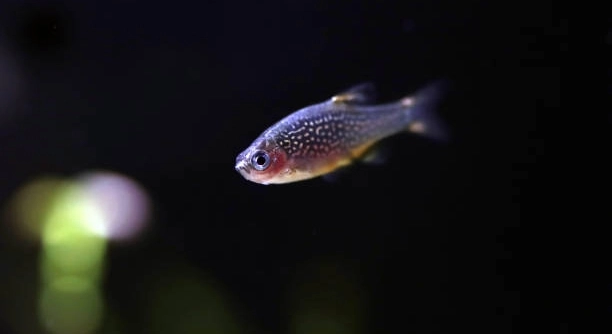
Are your danios showing unusual movement or spending more time close together than usual? Observing subtle changes in their behavior can reveal important patterns in their social interactions and pairing tendencies within the tank.
Danios typically pair off through a series of visual and behavioral cues. Common signs include synchronized swimming, increased following behavior, fin displays, and subtle color changes, all of which indicate bonding and courtship between individual fish.
Recognizing these signals early allows you to support their natural behaviors and ensure a healthy environment for their interactions.
Increased Following Behavior
When danios begin pairing off, one of the first behaviors you may notice is one fish consistently following another around the tank. This is more than casual swimming; the following fish often matches the movements, speed, and direction of its chosen partner. Over time, these pairs may isolate themselves from the rest of the group, spending more time in corners or near plants. Observing the tank during feeding can make this behavior even more obvious, as paired fish often eat close together or wait for each other before approaching food. Following is a sign of comfort and trust, showing that the fish feels secure with its companion. It can also indicate early stages of mating behavior, as synchronized swimming strengthens bonds and coordination between the pair. Watching these interactions provides insight into social hierarchies and natural pairing patterns among danios. Tank layout, hiding spots, and water flow can all influence how these interactions appear over time.
Paired danios following each other is a clear visual cue of bonding and courtship.
Noticing this behavior early allows you to provide optimal tank conditions, ensuring both fish remain healthy, active, and stress-free while forming a stable pair. Adjusting plant placement and monitoring interactions can help maintain harmony in the group.
Vibrant Color Changes
Color intensification is a subtle but important indicator of pairing in danios. When a fish begins to show brighter hues, especially along its fins and body stripes, it often signals readiness to bond or mate. These color changes are temporary and usually coincide with periods of interaction with a chosen partner. Females may display softer, more muted tones compared to males, who often become more vivid to attract attention. Lighting and water quality can influence how noticeable these changes are, so a well-maintained tank helps you observe them clearly. Color shifts can also be accompanied by small displays, such as flaring fins or brief chasing, which strengthen the pair’s connection. Over time, pairs with visible color cues often establish territories or preferred swimming areas. Recognizing these changes helps you track the formation of stable pairs and anticipate behaviors like courtship or spawning within the tank. Consistent observation is key to understanding the nuances of danio interactions.
Vibrant color shifts indicate courtship readiness and stronger pair bonds in danios.
These visual changes often appear alongside synchronized swimming and following behavior. Paying attention to them helps you distinguish between casual social interactions and true pairing. Maintaining consistent feeding schedules and a stress-free environment supports healthy expression of these natural behaviors.
Synchronized Swimming
Paired danios often swim in near-perfect unison. This coordinated movement helps strengthen their bond and signals comfort and trust between the two fish.
Synchronized swimming is a key indicator that danios are forming a stable pair. The fish will mirror each other’s movements, changing direction or speed simultaneously. This behavior often appears during feeding or exploration, as paired fish maintain close proximity while navigating the tank. Over time, their movements become more coordinated, making the pair easy to distinguish from the rest of the group. Observing this pattern can help you identify which fish are bonding and how strong their connection is. Environmental factors like tank size and decorations can influence how visible these interactions are, but even in simple setups, the synchronization remains noticeable. This behavior also plays a role in courtship, helping the pair coordinate for future mating activities.
Synchronized swimming also reduces stress in danios, as pairs feel more secure together and can respond quickly to perceived threats or disturbances in the tank.
Mutual Fin Displays
Fin displays between paired danios are subtle but meaningful. Both fish may flare or extend their fins when near each other, signaling interest and engagement.
These displays are a form of communication that reinforces pair bonding. When one fish spreads its fins, the other often mirrors the action, maintaining visual connection and signaling readiness to interact. Fin flaring can occur during feeding, exploration, or resting near plants. The intensity of these displays can vary depending on the fish’s mood, tank conditions, and overall health. Observing these interactions can reveal which fish are forming pairs, as they are more likely to engage in repeated displays with the same companion. In some cases, males may use more prominent displays to assert dominance or attract a mate, while females respond with smaller, synchronized movements. Understanding these signals allows you to monitor pair formation without interfering with their natural behavior.
Regular fin displays between danios provide insight into courtship dynamics and help you identify strong, bonded pairs within the tank. Paying attention to subtle cues like timing, frequency, and mirroring can reveal which fish are most compatible, ensuring you can maintain a peaceful and stable environment for all inhabitants.
Gentle Nudging
Paired danios often engage in gentle nudging. This behavior helps maintain closeness and signals comfort with one another.
Nudging can appear as light touches along the body or fins. It strengthens bonds and ensures the pair stays coordinated during swimming or resting periods.
Shared Hiding Spots
Danios that are pairing often choose the same hiding spots. They may rest together among plants, decorations, or corners of the tank, showing preference for proximity and mutual security. Spending time in the same sheltered areas reinforces trust and creates a small territory where the pair feels safe from other tankmates.
Subtle Head Bobbing
Head bobbing is a short, repetitive movement some paired danios exhibit. It serves as a communication cue between them.
How can I tell if my danios are forming a pair?
Pairs of danios show several noticeable behaviors. They often swim together, follow each other around the tank, and spend more time in close proximity than with other fish. Color changes and fin displays are also common signs. Synchronized swimming and repeated interactions with the same companion indicate a stronger bond. Observing their daily routines, feeding times, and resting habits can make these patterns easier to spot. Gentle nudging or head bobbing between two fish is another indicator. By paying attention to which danios consistently interact, you can identify forming pairs and understand social hierarchies in your tank.
Are color changes in danios always related to pairing?
Not all color changes indicate pairing, but those connected to bonding are often temporary and coincide with other behaviors. Males usually display brighter hues to attract a female, while females may show softer tones. Lighting, tank environment, and water quality can also affect how pronounced these colors appear. Observing the fish alongside fin displays or synchronized swimming can help distinguish normal coloration from pairing-related changes. Consistent monitoring allows you to track which interactions are part of social bonding versus general activity or stress responses.
Do paired danios need more space than usual?
Paired danios benefit from having enough room to swim freely together without feeling crowded. Adequate tank size reduces stress and allows natural behaviors like synchronized swimming, following, and fin displays. Plants, decorations, or hiding spots also support their comfort, providing shelter and areas for rest. Overcrowding can disrupt pair bonding, cause aggression, or interfere with feeding routines. Ensuring a balanced tank layout gives each pair a sense of territory while maintaining harmony among other tankmates.
Should I separate paired danios from the rest of the tank?
Separation is generally unnecessary unless aggression occurs. Paired danios usually coexist peacefully with others once bonds are formed. Observing interactions and providing adequate hiding spots reduces tension. If a pair becomes territorial or blocks access to food for other fish, temporary separation may help restore balance. Otherwise, allowing the pair to remain in the main tank encourages natural social behaviors and strengthens their bond without unnecessary disruption.
How do I encourage healthy pairing behavior?
Providing stable water conditions, proper diet, and enough space encourages natural pairing behaviors. Regular maintenance, consistent lighting, and a stress-free environment make the fish feel secure. Introducing plants or shelters gives pairs places to rest and interact without interference. Observing behaviors like synchronized swimming and fin displays allows you to support natural bonding while ensuring the tank remains balanced for all inhabitants.
Can pairing behavior affect breeding?
Yes, strong pairs are more likely to breed successfully. Pairs that swim together, display fins, and share hiding spots show compatibility, which improves courtship outcomes. Observing these behaviors helps predict potential breeding, allowing you to provide appropriate conditions, such as spawning mops or secluded areas, for egg laying and fry development. Maintaining a peaceful environment ensures both fish remain healthy and ready to reproduce naturally.
Is it normal for pairs to be aggressive toward others?
Mild territorial behavior can occur, especially during pairing or courtship. Most aggression is limited to chasing or nudging and usually stops once bonds are established. Providing hiding spaces and sufficient swimming room reduces stress and prevents conflicts. Monitoring interactions ensures that aggression does not harm weaker or smaller fish, keeping the tank safe for all inhabitants.
What should I do if my pair stops interacting?
Changes in interaction can indicate stress, illness, or environmental issues. Check water quality, temperature, and tank conditions first. Ensure they have enough space and appropriate hiding spots. Observe feeding behavior and physical signs of disease. Temporary separation or adjusting tank layout may help restore normal interactions, encouraging the pair to bond again without permanent disruption.
Can I have multiple pairs in the same tank?
Yes, multiple pairs can coexist if the tank is large enough and well-decorated. Each pair may establish preferred areas, reducing conflict. Adequate plants, decorations, and hiding spots are essential to prevent territorial disputes. Regular monitoring ensures balanced interactions, allowing all pairs to express natural behaviors while maintaining harmony among the group.
How long does it take for danios to form a pair?
Pair formation varies depending on individual personalities and tank conditions. Some danios pair quickly within days, while others take weeks. Observing consistent following, synchronized swimming, fin displays, and shared resting areas helps determine when a stable pair has formed. Patience is key, as forcing interactions can cause stress and disrupt natural social behaviors.
What environmental factors support healthy pairing?
Stable water temperature, clean water, adequate space, and structured tank design all support healthy pairing. Plants and hiding spots provide security, while consistent feeding schedules reduce stress. Avoid overcrowding and sudden changes in tank conditions, as these can interrupt bonding. Maintaining a calm environment encourages natural behaviors and allows pairs to develop strong, lasting connections.
Can stress prevent pairing?
Stress can significantly interfere with pairing. High noise levels, aggressive tankmates, poor water quality, or overcrowding may reduce interactions and disrupt bonding. Observing fish behavior and adjusting environmental factors helps reduce stress, enabling natural pairing and courtship behaviors to occur without interference. Stable conditions are essential for forming and maintaining pairs.
Are paired danios happier than unpaired fish?
Paired danios often show more activity, synchronized movements, and confidence in exploring their tank. While happiness is subjective, pairs appear more secure and less stressed, maintaining natural social behaviors. Providing proper conditions allows these pairs to thrive and display healthy interactions, benefiting both the fish and the overall tank environment.
How do I know if my pair is compatible?
Compatibility is shown through consistent following, synchronized swimming, mirrored fin displays, and shared resting areas. Pairs that rarely fight, respond to each other’s movements, and spend time together without stress demonstrate strong compatibility. Observing these behaviors over time ensures the pair is stable and able to thrive in the tank together.
Observing danios pairing off can be a fascinating part of maintaining a community tank. Over time, you begin to notice subtle patterns in behavior that signal when two fish are forming a bond. These signs, such as synchronized swimming, following each other closely, and sharing hiding spots, give insight into their social interactions. Pairing is a natural part of danio behavior and contributes to the overall dynamics within the tank. It can also make watching your fish more engaging, as you see which individuals prefer each other’s company and how they interact compared to the rest of the group. Understanding these behaviors allows you to create a tank environment that supports their comfort and encourages healthy relationships.
Providing the right conditions is essential for pairs to thrive. Clean water, proper temperature, and adequate space allow fish to swim and interact without stress. Including plants, decorations, or other hiding places gives pairs areas to rest and retreat, which reduces tension and strengthens bonding. Observing color changes, fin displays, and gentle nudging can help you monitor the progress of pairing and ensure the fish are comfortable. Stress can interfere with these natural behaviors, so maintaining a calm and stable environment is key. Feeding routines, tank layout, and even the number of tankmates can influence how clearly these pairing behaviors appear. Paying attention to these factors allows you to support the natural instincts of your fish and ensure a peaceful tank overall.
Recognizing and supporting paired behavior also prepares you for potential breeding situations. When pairs are strong and compatible, courtship and spawning behaviors are more likely to occur. Even if breeding is not your goal, observing these interactions provides valuable insight into the health and social structure of your fish. Maintaining proper conditions, giving each pair enough space, and minimizing stress will keep your danios active and engaged. Over time, being able to identify and understand these subtle signs improves your ability to care for them effectively. It also enhances your enjoyment of the aquarium, as you witness natural behaviors that reflect the personalities and relationships within your tank. Supporting paired behavior ultimately creates a healthier, more dynamic environment where all your danios can thrive.

Hello,
If you enjoy the content that we create, please consider saying a "Thank You!" by leaving a tip.
Every little bit helps us continue crafting quality advice that supports the health, happiness, and well-being of pets around the world, for pets of all shapes, sizes, and species.
We really appreciate the kindness and support that you show us!