
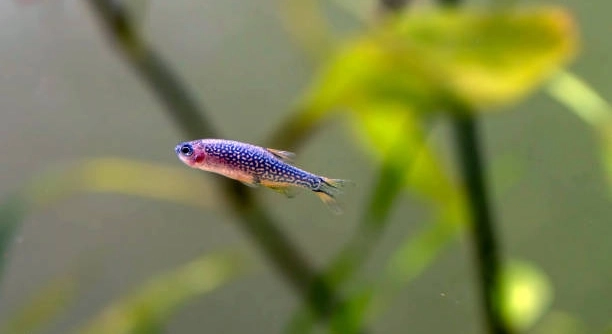
Danios are small, active fish that bring life to any aquarium. Their natural curiosity and vibrant movement make them engaging to watch, encouraging exploration and interaction within their aquatic environment. Observing their behaviors can be surprisingly rewarding.
Danios are encouraged to explore through environmental enrichment, varied habitats, and social interactions. Providing plants, hiding spots, and visual stimuli promotes natural behaviors, supporting their physical health and cognitive development while maintaining an active and dynamic tank ecosystem.
Understanding these features helps create a lively aquarium where danios thrive and display natural behaviors. Their activity and curiosity can transform the tank into a captivating space.
Varied Tank Landscape
Creating a varied tank landscape encourages danios to explore every corner of their environment. Plants of different heights, small caves, and floating decorations provide hiding spots and safe areas. Open swimming space combined with structured areas helps them feel secure while remaining active. Danios naturally move throughout their environment, and a mix of textures and spaces stimulates their curiosity. Including both tall plants and low-lying decorations ensures they can engage in vertical and horizontal exploration. Smooth rocks, driftwood, and other natural elements give them surfaces to swim around and interact with. Lighting that mimics natural day-night cycles adds another layer of stimulation, guiding their activity patterns. These small environmental changes can significantly impact their behavior, promoting both mental and physical health. Observing them navigate different spaces provides insight into their natural instincts and preferences. Over time, they learn to use the entire tank, avoiding boredom and promoting overall vitality.
A varied landscape not only keeps danios active but also reduces stress and strengthens their immune system.
Consistent maintenance of this setup ensures plants stay healthy and decorations remain safe. Rotating or occasionally changing plant arrangements can renew their interest. Small additions like floating moss or gentle currents further engage their senses, keeping them curious. Overcrowding should be avoided, as it limits movement and reduces exploratory behavior. Providing diverse hiding spots and open swimming areas balances safety with stimulation. Tank substrates can also contribute by allowing for natural digging or grazing behaviors. Observing how danios interact with each feature helps refine the environment. Over time, they begin to explore more confidently and actively, demonstrating increased social interaction and playful behavior. A thoughtfully designed tank supports long-term health and encourages natural activity patterns, making aquarium care both engaging and rewarding.
Social Interaction
Danios are social fish and thrive in groups. Keeping them in small schools encourages natural schooling behavior, enhancing movement and exploration.
Schooling behavior reduces stress and fosters coordination. Fish feel safer together and are more likely to explore various parts of the tank.
When danios are kept in groups of five or more, they develop strong social dynamics. These interactions include chasing, following, and synchronized swimming, which keep them active. A social environment also allows them to establish mild hierarchies and territory boundaries, contributing to mental stimulation. Observing these interactions provides insight into their personalities and preferences. Isolation can lead to boredom or stress, resulting in less activity or lethargy. Proper group size is essential to prevent aggression while ensuring healthy engagement. Socially stimulated danios are more likely to investigate new objects, interact with decorations, and utilize the entire tank space. In addition, their movement patterns become more natural, reflecting instincts found in the wild. Providing enough room, hiding spots, and visual complexity ensures each fish can participate fully, creating a lively and balanced tank environment.
Flow and Current
Danios enjoy gentle water currents that mimic natural river conditions. Creating a subtle flow encourages swimming, exploration, and interaction with the environment.
A consistent but mild current keeps danios active and engaged. They naturally swim against the flow, which strengthens their muscles and promotes endurance. Strategic placement of filters or water pumps can create varied flow zones, allowing fish to choose between calmer areas and gentle streams. This variety prevents monotony and stimulates natural instincts. Flow patterns also help distribute nutrients and maintain water quality. Observing how danios interact with these currents provides insight into their preferences and energy levels, showing which areas they use most and which they avoid. Properly balanced currents ensure a healthy, dynamic environment while encouraging exploration across the entire tank.
Flow dynamics also influence plant movement and oxygenation. Moving water creates shifting shadows and reflections that further stimulate curiosity, making the tank feel alive and interactive.
Feeding and Enrichment
Regular feeding routines with varied foods support active exploration. Introducing live, frozen, and flake options keeps danios interested and engaged.
Variety in diet encourages natural foraging behavior, stimulating mental and physical activity. Small feeding stations and occasional treats create opportunities for movement and interaction. Changing locations or types of food challenges them to explore new areas. Feeding at different depths also promotes vertical movement, while scattering food across the tank stimulates searching and hunting instincts. Rotating food types helps ensure balanced nutrition and prevents boredom. Observing how danios approach feeding spots can guide adjustments to promote activity and engagement. Over time, they become more confident and agile while exploring every corner. Controlled feeding methods encourage group coordination, reduce stress, and maintain a dynamic, lively aquarium. Proper enrichment paired with nutrition ensures they remain healthy, active, and socially interactive.
Lighting Variation
Danios respond well to varied lighting, which simulates natural day and night cycles. Adjusting light intensity encourages movement and activity throughout the tank.
Soft, indirect light during the day and dimmed lighting at night helps danios maintain natural rhythms. Shadows and reflections created by plants and decorations also stimulate curiosity and exploration.
Tank Depth and Levels
Providing different tank depths allows danios to explore vertical space. They naturally swim at various levels, from bottom areas to the surface, which promotes activity. A mix of deep and shallow regions, combined with hiding spots and open swimming areas, encourages full utilization of the tank.
Interactive Toys
Floating or drifting toys capture danios’ attention. They chase and investigate objects, which enhances activity and exploration within the tank.
FAQ
How many danios should I keep together?
Danios are social fish that thrive in groups. Keeping at least five to six together encourages natural schooling behavior, reduces stress, and promotes exploration. Smaller groups may lead to lethargy or aggression, while overly large groups can cause overcrowding and limit swimming space. A balanced group ensures healthy interactions.
What kind of plants work best for exploration?
Tall plants, floating greenery, and low-lying decorations provide multiple layers for danios to explore. Hardy species like Java fern, Anubias, and floating moss are excellent choices. Plants offer hiding spots, shade, and varied textures that keep them active and mentally stimulated throughout the day.
Do danios need strong water currents?
Danios prefer gentle to moderate currents. Strong currents can stress them, while no flow may lead to boredom. Positioning filters or pumps to create varied zones encourages swimming, allows rest in calmer areas, and mimics natural river environments. This balance supports both health and natural behavior.
How should I feed danios to encourage activity?
Offering a mix of flakes, frozen, and live foods stimulates foraging instincts. Feeding in different locations and at various tank levels encourages movement, interaction, and exploration. Rotating food types ensures balanced nutrition and prevents boredom, making meals a form of enrichment rather than just sustenance.
Can tank decorations influence exploration?
Yes, decorations like caves, driftwood, and smooth rocks encourage movement and curiosity. Open swimming areas combined with hiding spots let danios choose where to explore. Changing or rearranging decorations occasionally adds novelty, keeping them engaged and active without causing stress.
What role does lighting play in exploration?
Lighting impacts activity levels. Moderate, indirect light during the day encourages swimming, while dimmed light at night supports rest. Shadows and reflections created by plants or decorations add visual interest, prompting danios to investigate their environment and engage in natural exploratory behavior.
Is water quality important for active danios?
Maintaining stable water parameters is crucial. Clear, well-oxygenated water with regular partial changes reduces stress and supports activity. Poor water quality can lead to lethargy, illness, and reduced interest in exploring. A clean, balanced environment encourages natural behaviors and sustained curiosity.
Do danios get bored without stimulation?
Yes, lack of enrichment can lead to inactivity or stress. Varied plants, decorations, currents, and feeding routines keep them mentally and physically engaged. Regularly introducing small changes, such as floating toys or rearranged décor, helps maintain interest and encourages consistent exploration.
How can I monitor their exploration behavior?
Observe swimming patterns, interaction with objects, and responses to food or flow. Active, confident fish that investigate multiple areas indicate good engagement. Lethargy, hiding excessively, or ignoring enrichment may signal stress, health issues, or insufficient stimulation. Adjust tank conditions as needed to encourage natural behaviors.
Are there specific toys or objects for danios?
Simple floating or drifting objects work best. Lightweight toys or gentle floating decorations catch their attention and stimulate chasing or investigating. Avoid sharp edges or small parts that could cause injury. Regularly changing toys adds novelty and encourages exploration without overwhelming them.
How often should I rearrange the tank?
Small, occasional adjustments are ideal. Moving plants, rocks, or decorations every few weeks provides novelty without causing stress. Sudden large changes can frighten danios, while consistent minor changes encourage curiosity, exploration, and active swimming, keeping their environment dynamic and engaging.
Can danios explore together as a group?
Yes, group dynamics encourage interaction. Schooling behavior, synchronized swimming, and playful chasing are natural ways danios explore collectively. Observing their social interactions helps understand preferences and personality differences, enhancing tank management and overall engagement in a shared space.
How can I balance safety and stimulation?
Provide hiding spots alongside open swimming areas. Avoid overcrowding, sharp decorations, and aggressive tankmates. Controlled currents, varied lighting, and enrichment items create a stimulating yet safe environment. This balance ensures danios feel secure while remaining active and curious, promoting long-term health and natural behavior.
What signs show danios are enjoying exploration?
Active swimming across different tank levels, interacting with plants or decorations, and coordinated schooling indicate engagement. Regular foraging, chasing floating objects, and investigating new areas are also signs of curiosity. Confident and alert behavior demonstrates they are comfortable and stimulated in their environment.
How does tank size affect exploration?
A larger tank provides more swimming space, hiding spots, and opportunities for vertical and horizontal movement. Limited space restricts activity, reduces natural behavior, and may increase stress. Choosing an adequately sized tank ensures danios can fully utilize their environment and remain active.
Do seasonal changes affect activity?
Yes, natural light and temperature variations influence movement. Slight adjustments in lighting, feeding, or flow can mimic seasonal changes, encouraging natural rhythms and sustained exploration. Stable water parameters combined with these adjustments support health while maintaining engagement.
Can enrichment prevent aggression?
Providing multiple hiding spots, open swimming zones, and diverse stimuli reduces territorial disputes. When fish have choices for exploration and rest, they are less likely to compete aggressively. Balanced social groups combined with environmental complexity promote peaceful interactions and collective activity.
What are common mistakes that limit exploration?
Overcrowding, lack of plants or decorations, stagnant water, poor lighting, and monotonous feeding reduce activity. Ignoring social needs or neglecting tank maintenance also diminishes natural behaviors. Addressing these factors ensures danios remain curious, healthy, and fully engaged in their environment.
How long does it take for danios to adapt to a new tank?
Adaptation varies but generally takes one to two weeks. During this period, fish explore cautiously and may hide more. Providing a safe, enriched, and stable environment helps them adjust quickly and encourages natural movement, interaction, and confidence within the tank.
What are the benefits of encouraging exploration?
Active exploration promotes physical fitness, mental stimulation, and social interaction. It reduces stress, prevents boredom, and supports overall health. Engaged danios display natural behaviors, making the tank lively and enjoyable to observe while ensuring their long-term well-being and vitality.
How do temperature and water conditions influence exploration?
Stable temperatures and balanced pH levels support consistent activity. Extreme fluctuations or poor water quality can lead to lethargy, reduced curiosity, and health issues. Maintaining ideal parameters ensures danios feel secure and motivated to swim, forage, and interact with their environment.
Can changing decorations too often stress danios?
Yes, sudden large changes can frighten fish and disrupt routines. Gradual adjustments, like moving a few plants or adding a small object at a time, stimulate exploration without causing fear. Balance novelty with stability for optimal engagement.
Is it necessary to rotate enrichment items?
Rotating toys, plants, or feeding spots prevents monotony and keeps danios mentally engaged. Occasional changes encourage investigation, stimulate natural instincts, and maintain active swimming patterns. Consistent variation ensures their environment remains dynamic and enjoyable.
How do danios respond to mirrors or reflections?
Mirrors can encourage chasing behavior but should be used sparingly. Excessive reflection may cause stress or aggressive tendencies. Small, temporary exposure can stimulate activity and curiosity without negatively impacting their well-being.
Can other fish species affect danios’ exploration?
Peaceful tankmates enhance engagement, while aggressive or overly dominant species may restrict movement. Choosing compatible species ensures all fish can explore freely, interact naturally, and maintain a dynamic, balanced environment that encourages curiosity and activity.
Are there signs of boredom in danios?
Lethargy, hiding excessively, ignoring enrichment, or repetitive swimming in limited areas indicate boredom. Adjusting tank conditions, adding enrichment, or reviewing social dynamics can re-engage danios and restore natural exploratory behaviors.
How often should I observe danios for exploration patterns?
Daily observation helps monitor activity, social interactions, and responses to enrichment. Noting changes in behavior guides adjustments to tank setup, feeding, and group composition, ensuring a stimulating and healthy environment for all danios.
Can feeding schedules impact exploration?
Yes, irregular or predictable schedules influence activity. Varying feeding times, locations, and food types encourages movement, engagement, and natural foraging behavior, keeping danios active and interested in exploring their environment consistently.
What’s the best approach to long-term engagement?
Combine social groups, environmental enrichment, varied currents, lighting cycles, and diverse feeding routines. Small, gradual adjustments over time maintain curiosity, encourage active swimming, and support overall health, ensuring danios remain lively, engaged, and confident in their tank.
How can I tell if enrichment is effective?
Active exploration, frequent interaction with plants or objects, and confident swimming across all tank levels indicate effective enrichment. If fish consistently investigate new areas and engage with the environment, it demonstrates stimulation is working and supports well-being.
Does tank shape influence exploration?
Yes, longer or taller tanks encourage more swimming and vertical exploration. Wider tanks provide horizontal space for schooling and chasing behaviors. Choosing a tank with dimensions that promote movement supports natural activity and allows danios to fully utilize their environment.
How important is water temperature consistency?
Consistent temperatures reduce stress and support active behavior. Sudden drops or spikes can lead to lethargy, hiding, or illness. Maintaining a stable, suitable temperature ensures danios remain motivated to explore, swim, and interact naturally with their surroundings.
What enrichment can mimic natural habitats?
Floating plants, driftwood, rocks, gentle currents, and varied substrates replicate river or stream conditions. These features encourage natural swimming patterns, foraging, and hiding behaviors, promoting a stimulating and authentic environment for danios to explore actively.
Can enrichment help with breeding behavior?
Yes, enriched environments provide hiding spots, surfaces for egg-laying, and areas for pair interaction. Stimulating surroundings reduce stress, encourage natural reproductive behavior, and support overall health, enhancing chances for successful breeding without forcing interaction.
Is observation enough to adjust enrichment?
Monitoring activity and interactions is essential. Observing where danios swim, hide, or interact with objects helps identify which features encourage exploration. Adjusting enrichment based on these patterns ensures the environment remains stimulating and supports natural behavior consistently.
How does group hierarchy affect exploration?
Mild hierarchies form naturally in social groups. Dominant fish may lead exploration, while others follow. Ensuring enough space, hiding spots, and enrichment allows all fish to participate without stress, promoting balanced activity and social interaction.
Can enrichment prevent health issues?
Active exploration strengthens muscles, reduces stress, and improves mental stimulation. A dynamic environment encourages consistent movement, supporting cardiovascular health, immune function, and overall vitality, reducing the likelihood of lethargy-related health issues.
What’s the easiest way to start enrichment?
Begin with simple additions: a few plants, a cave, or floating objects. Introduce mild currents and varied feeding spots. Observe reactions and gradually increase complexity based on activity levels, ensuring danios remain comfortable and engaged.
How long should enrichment items remain in the tank?
Keep objects in place for several weeks to allow adaptation. Gradual rotations or additions maintain interest without causing stress, encouraging consistent exploration and engagement with the tank environment.
Can enrichment help shy or new danios?
Yes, providing hiding spots and gradual exposure to decorations or toys builds confidence. Slowly introducing stimuli allows timid fish to explore at their own pace, promoting comfort and natural activity patterns within the group.
Are there risks to over-enrichment?
Excessive objects, strong currents, or constant rearrangement can stress danios. Balance is key: provide enough stimulation to encourage exploration without overwhelming them, ensuring the environment remains safe and engaging.
How do seasonal lighting changes affect behavior?
Simulating longer daylight in summer and shorter in winter supports natural rhythms. Light adjustments influence activity levels, feeding behavior, and exploration, helping maintain consistent engagement while mimicking natural conditions.
What’s the role of observation in maintaining engagement?
Regular observation reveals preferences, social dynamics, and activity patterns. Adjusting enrichment, feeding, and tank layout based on these insights ensures danios remain curious, active, and mentally stimulated over time.
How does tank depth influence feeding enrichment?
Offering food at different vertical levels encourages movement and exploration. Surface, mid-water, and bottom feeding challenges danios to investigate various areas, promoting natural foraging behavior and stimulating physical activity throughout the tank.
Can enrichment help reduce aggression?
Yes, varied hiding spots, open areas, and multiple stimuli reduce territorial disputes. When each fish has choices for exploration and rest, aggression decreases, promoting peaceful interactions and encouraging natural, active behavior in all tank inhabitants.
How often should I introduce new enrichment?
Introduce small changes every few weeks. Gradual additions or rearrangements maintain curiosity, encourage exploration, and prevent boredom without overwhelming danios, ensuring the tank remains stimulating and enjoyable for all fish.
What’s the connection between enrichment and mental stimulation?
Enrichment challenges danios to navigate, investigate, and interact with their environment. Mental stimulation reduces stress, promotes natural behaviors, and supports problem-solving instincts, contributing to overall health and sustained curiosity.
How can enrichment improve tank aesthetics?
Plants, rocks, driftwood, and varied decorations create a visually appealing environment while encouraging activity. A well-designed, stimulating tank benefits both fish behavior and the overall enjoyment of observing their natural movements and exploration.
Are all danios equally curious?
Individual personalities vary. Some fish explore actively, while others are more cautious. Providing a balanced environment with options for hiding and open swimming ensures all personalities can engage comfortably without stress.
How can I tell if enrichment is insufficient?
Signs include lethargy, repetitive swimming in limited areas, ignoring objects, or hiding excessively. Adjusting tank layout, adding stimuli, or reviewing social dynamics can restore engagement and natural exploratory behavior.
Do temperature changes influence exploration?
Yes, stable temperatures promote consistent activity. Sudden shifts can reduce movement, increase hiding, or cause stress. Maintaining ideal temperature ranges ensures danios remain active, healthy, and motivated to explore their environment.
Can enrichment support breeding success?
Yes, proper hiding spots, varied substrates, and stimulating environments reduce stress and encourage natural mating behaviors. Enrichment creates conditions for healthier, more confident interactions and supports successful reproduction without forcing fish.
How do I balance enrichment and tank cleanliness?
Regular maintenance ensures decorations and plants remain safe and clean. Remove decaying plant matter and clean objects as needed. A well-kept tank prevents disease while maintaining stimulation, allowing danios to explore safely.
What are the most effective enrichment strategies?
A combination of varied plants, decorations, gentle currents, diverse feeding routines, and social interaction consistently encourages exploration. Observing behavior and adjusting features gradually ensures long-term engagement and supports natural instincts, health, and mental stimulation.
How can enrichment reduce stress?
Providing hiding spots, varied swimming areas, and interactive elements allows danios to control their environment. Predictable routines combined with occasional novelty reduce anxiety, encourage exploration, and promote confidence in their surroundings.
Does enrichment affect sleep patterns?
Yes, proper lighting cycles, quiet areas, and safe spaces help danios rest. Consistent day-night rhythms support energy levels, ensuring they remain active and engaged during daylight hours while resting appropriately at night.
Are there enrichment tools for all tank sizes?
Yes, floating plants, small caves, gentle currents, and drifting toys can be adapted to any tank size. Choosing appropriately sized elements ensures fish can explore safely and benefit from stimulation without overcrowding.
Can enrichment prevent health problems?
Active exploration supports cardiovascular fitness, strengthens muscles, and reduces stress. Combined with proper nutrition and water quality, enrichment helps maintain overall health, reducing risks of illness and promoting longevity.
How does enrichment impact behavior over time?
Consistent stimulation encourages natural swimming, schooling, foraging, and social behaviors. Over time, danios become more confident, active, and curious, demonstrating greater engagement with their environment and increased overall well-being.
Is enrichment necessary for all danio species?
Yes, all species benefit from mental and physical stimulation. Environmental complexity, social interaction, and varied feeding enhance activity, health, and natural behavior across different danio types.
How can I prevent over-stimulation?
Introduce small, gradual changes rather than many at once. Monitor fish reactions and adjust accordingly. Balance is key to maintaining curiosity without causing stress or overwhelming them.
What is the role of observation in enrichment planning?
Observing movement, social interaction, and responses to objects informs which features work best. Adjusting enrichment based on these insights ensures effective engagement and supports natural, healthy behavior patterns.
Can enrichment influence lifespan?
Yes, active, engaged fish are generally healthier. Mental and physical stimulation, combined with proper care, reduces stress, strengthens the immune system, and supports longevity, ensuring danios live full, active lives.
Does enrichment affect aggression levels?
Balanced enrichment with hiding spots, open swimming zones, and multiple stimuli reduces competition and territorial behavior. When fish have choices for exploration, social tension decreases, promoting harmony and encouraging active participation in the tank.
Can enrichment help shy or timid fish integrate?
Providing safe spaces, gentle currents, and gradual exposure to stimuli builds confidence. Timid fish can explore at their own pace, increasing comfort, activity, and interaction with the group over time.
How does enrichment impact feeding behavior?
Varied feeding locations, types, and depths encourage natural foraging and hunting instincts. Fish become more active, investigate their environment, and maintain healthy activity levels, making mealtime a form of stimulation.
What long-term effects does enrichment have?
Consistent stimulation promotes physical fitness, mental engagement, social interaction, and overall health. Over time, danios exhibit natural behaviors, reduced stress, and higher activity levels, resulting in a more dynamic and thriving aquarium environment.
Can enrichment reduce disease risk?
Active, engaged fish are healthier. Exploration, movement, and mental stimulation strengthen the immune system, reduce stress, and minimize lethargy-related issues, helping prevent common diseases and supporting long-term vitality.
How do I measure success of enrichment?
Successful enrichment is reflected in confident swimming, regular interaction with plants or toys, active schooling, and consistent exploration. Observing these behaviors ensures the tank environment remains stimulating, safe, and engaging.
Are certain substrates better for exploration?
Smooth gravel or sand allows for safe swimming and digging behaviors. Mixed textures create varied exploration zones, encouraging movement and interaction while reducing the risk of injury during foraging or chasing activities.
Does enrichment influence social hierarchy?
Providing adequate space, hiding spots, and multiple stimuli allows all fish to participate, reducing dominance stress. Healthy social structures emerge, supporting natural schooling, coordinated movement, and active exploration.
How does water temperature interact with enrichment?
Stable, suitable temperatures support activity and exploration. Extreme fluctuations reduce movement and engagement. Combining consistent temperature with varied stimuli ensures danios remain active and healthy.
Can enrichment help prevent boredom-related aggression?
Yes, engaging environments with varied stimuli reduce repetitive behaviors and competition. Fish remain mentally and physically occupied, minimizing aggression and encouraging positive interactions.
Is there a limit to enrichment items?
Overcrowding with objects can stress fish. Provide enough
Danios are naturally curious and active fish that benefit greatly from a well-thought-out environment. Providing varied plants, decorations, and hiding spots creates a stimulating space where they feel secure and encouraged to explore. Open swimming areas paired with structured zones allow them to move freely while having places to rest or hide. Gentle water currents mimic natural conditions and promote movement, while different tank depths encourage vertical and horizontal exploration. Even small additions, like floating objects or smooth rocks, can spark curiosity and enrich their daily activities. By carefully planning their environment, you give danios the opportunity to display natural behaviors, remain physically active, and develop social bonds with other fish in the tank. Observation is key—watching how they interact with plants, toys, and each other provides insight into their preferences and can guide further adjustments to their habitat.
Social interaction is another crucial factor in encouraging exploration. Danios thrive in small schools, and keeping them in appropriate group sizes promotes coordinated swimming, playful chasing, and natural hierarchical behaviors. Isolation or too few fish can lead to stress, lethargy, or disinterest in their surroundings, while overcrowding can cause tension and limit movement. Balanced social groups, combined with enriching elements in the tank, ensure all fish can explore without feeling threatened or restricted. Additionally, varied feeding routines support active behavior and natural foraging instincts. Scattering food at different locations and depths encourages movement and interaction with the environment. Using a mix of flakes, frozen, and live foods adds novelty to meals and reinforces positive behaviors. Maintaining stable water conditions, including temperature, pH, and cleanliness, ensures that danios remain healthy and motivated to engage with their surroundings consistently.
Long-term engagement depends on a combination of environmental, social, and nutritional factors. Introducing gradual changes, such as rotating decorations or adjusting currents, maintains curiosity without causing stress. Lighting cycles that mimic natural day and night patterns support regular activity and rest, while enrichment items encourage mental stimulation. Observing their behavior regularly helps identify areas of interest and ensures that all fish are participating in exploration. Active, engaged danios demonstrate better overall health, stronger muscles, and reduced stress, while also maintaining social harmony within the group. By providing a thoughtful and dynamic environment, you create a tank that is both stimulating for the fish and enjoyable to observe. Encouraging exploration in danios is about balance—combining safety, stimulation, and consistent care so they can thrive, display natural behaviors, and remain lively members of the aquarium for years to come.

Hello,
If you enjoy the content that we create, please consider saying a "Thank You!" by leaving a tip.
Every little bit helps us continue crafting quality advice that supports the health, happiness, and well-being of pets around the world, for pets of all shapes, sizes, and species.
We really appreciate the kindness and support that you show us!