
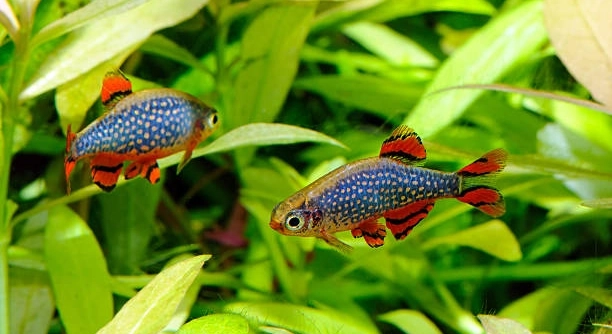
Many aquarists enjoy keeping danios because of their lively nature and easy care. Feeding time can, however, become stressful when different fish compete for food, causing uneven growth and tension within the tank environment.
Feeding conflicts among danios are usually caused by differences in size, speed, and aggression levels. Providing consistent feeding schedules, portion control, and suitable food types can help ensure all fish receive adequate nutrition while minimizing competition and stress.
By understanding the reasons behind these conflicts, aquarists can create a calmer feeding routine and promote healthier, happier fish for the entire aquarium community.
Adjusting Feeding Schedules
Many danio keepers notice that feeding conflicts often arise because some fish eat faster than others. Adjusting the feeding schedule can help. Feeding smaller portions multiple times a day ensures all fish have a chance to eat. Observing their behavior during feeding can reveal which fish are being left out or bullied. Some danios may rush to the surface, while others hang back and miss their food entirely. By spreading meals throughout the day, slower fish can catch up. It also prevents overeating in more aggressive individuals and reduces waste in the tank. Consistency in feeding times helps danios develop a routine, reducing stress and tension. Over time, this small adjustment can improve growth rates, overall health, and even coloration. Monitoring their response and tweaking schedules as needed keeps everyone balanced. A simple timer or routine note can make a noticeable difference in managing conflicts.
Small, frequent feedings give every danio a fair chance at proper nutrition and reduce tension.
Keeping track of which fish consistently miss meals allows targeted solutions. Using feeding tools like floating pellets or sinking granules can help direct food toward slower eaters. Some keepers separate fish temporarily during feeding or use feeding rings to control access. Adjusting the diet to include smaller or softer foods can also help less aggressive fish keep up. Observing how danios interact at meal times will guide further tweaks, ensuring no fish is consistently outcompeted. The goal is not only to feed the tank but to maintain harmony, health, and proper growth for every fish. These small, deliberate adjustments improve both the feeding experience and the overall aquarium environment.
Using Multiple Feeding Points
Introducing several feeding points in the tank helps reduce competition among danios. Spreading food across different areas ensures even distribution and reduces stress.
Multiple feeding points allow each danio to access food without being chased or blocked. It helps prevent dominance by faster, more aggressive individuals. Using floating or sinking feeders at various locations creates opportunities for slower fish to eat safely. Over time, this method reduces fighting, stress, and uneven growth, promoting a healthier tank environment where all fish thrive. Proper placement and observation of feeding points ensure everyone benefits equally.
By placing food in several areas, danios no longer have to compete intensely for a single spot. This encourages calmer behavior and allows all fish to consume their share. Some keepers use small dishes, feeding rings, or scatter food near plants and decorations to create natural feeding zones. Observing which areas attract certain fish helps refine placement and prevent leftover food from spoiling water quality. Combining multiple feeding points with appropriate food types ensures nutritional needs are met without escalating aggression. Over time, the tank becomes a more peaceful place, and all danios show better growth and coloration. Monitoring and adjusting based on behavior keeps the system effective and balanced.
Choosing the Right Food
Selecting the appropriate food for danios reduces competition and ensures balanced nutrition. Smaller flakes or micro-pellets are easier for all fish to eat, while frozen or live foods can satisfy their natural hunting instincts without favoring aggressive individuals.
Different types of danios have varying appetites and jaw sizes, so choosing a mix of flakes, pellets, and occasional live or frozen treats can prevent stronger fish from dominating mealtime. Floating flakes may favor surface feeders, while sinking granules allow slower fish to reach food. Offering varied textures and sizes ensures everyone gets the nutrients they need, reducing stress and aggressive behavior. Consistent quality and freshness of food are also important to avoid water quality issues and maintain overall health. Watching how each fish responds helps determine which foods work best for the group.
Feeding the right food in proper portions keeps slower fish from being left out. Combining flakes, pellets, and occasional live options balances nutrition and reduces aggression. Observing preferences and adjusting the mix ensures all danios thrive equally, minimizing competition.
Separating Aggressive Individuals
Temporary separation of aggressive danios prevents weaker fish from being bullied during feeding. This can involve using a divider or a quarantine tank for short periods.
Some danios naturally dominate during feeding, causing stress or preventing others from eating. Placing aggressive individuals in a separate section allows slower fish to eat without pressure. Timing is important; short feeding sessions in isolation work best. Observing their behavior during this process helps determine how long separation is needed and which fish require it. This method also reduces injuries and ensures consistent growth for all tank members. Gradually reintegrating aggressive fish after meals can promote more balanced behavior over time. Separating fish isn’t permanent; it’s a practical tool to maintain harmony.
By managing aggressive behavior through temporary separation, all fish can access food fairly. It supports slower eaters, reduces stress, and allows healthier growth. Careful observation and short intervals prevent long-term isolation while improving overall tank dynamics.
Monitoring Tank Size
A properly sized tank reduces feeding conflicts among danios. Overcrowding increases competition, while enough space allows slower fish to access food safely.
Adequate swimming space helps danios spread out during feeding. Each fish can establish its own territory, lowering stress and aggression. Proper stocking levels also improve water quality, which supports overall health and balanced growth.
Feeding with Tools
Using feeding tools like rings or tubes can direct food to specific areas. This prevents dominant fish from taking all the food. Proper placement of these tools ensures slower or less aggressive danios receive adequate nutrition without being chased or stressed. Consistent use of these devices can improve feeding fairness and tank harmony.
Adjusting Food Quantity
Providing the right amount of food reduces competition and waste. Overfeeding encourages fighting, while underfeeding leaves some fish hungry. Tracking portions helps maintain balance.
Observing Fish Behavior
Careful observation during feeding times reveals patterns of aggression or missed meals. Noting which fish are left out or dominate guides adjustments in feeding methods, placement, and scheduling, ensuring a calmer, healthier tank.
FAQ
How often should I feed my danios?
Feeding frequency depends on the age and number of fish. Adult danios do well with two small meals per day, while younger fish may need three to four smaller feedings. The goal is to provide enough food so everyone eats without leaving excessive leftovers that could harm water quality.
What types of food are best for danios?
A combination of high-quality flakes, micro-pellets, and occasional live or frozen foods works best. Flakes are easy for surface feeders, pellets sink slowly for slower eaters, and live or frozen treats add variety and encourage natural foraging behaviors. Balanced nutrition keeps all fish healthy.
How do I prevent aggressive feeding behavior?
Aggression is common in danios when food is limited or unevenly distributed. Using multiple feeding points, temporary separation for aggressive fish, and feeding smaller portions frequently can reduce competition. Monitoring behavior allows adjustments to ensure all fish eat safely.
Can tank size affect feeding conflicts?
Yes, overcrowded tanks increase stress and competition. Danios need enough swimming space to access food without being chased. A general guideline is at least 10 gallons for a small group, with an additional 2-3 gallons per extra fish. Proper stocking reduces tension and promotes balanced growth.
Is it necessary to separate aggressive individuals permanently?
Permanent separation is rarely needed. Short-term isolation during feeding is usually sufficient to protect slower fish. Using dividers or quarantine areas temporarily can prevent bullying, allowing weaker fish to eat, while reintegrating aggressive fish afterward maintains social balance.
How do I know if some fish are not eating enough?
Watch for fish that stay at the back of the tank, appear thinner, or show slower growth. Uneven coloration and energy levels can also indicate insufficient nutrition. Adjust feeding methods or placement to ensure these fish can access food.
Should I adjust the type of food based on the size of my danios?
Yes. Larger fish can handle bigger flakes or pellets, while smaller or juvenile fish need micro-pellets or finely crushed flakes. Matching food size to fish size prevents dominant individuals from taking food away from smaller tank mates.
Can feeding tools like rings or tubes improve mealtime fairness?
Feeding tools help distribute food evenly and reduce aggressive behavior. Floating rings keep food contained for slower surface feeders, while tubes or target feeding can deliver food directly to less dominant fish. These tools create a calmer feeding environment.
How do I handle leftover food after feeding?
Remove uneaten food promptly to prevent water quality issues. Overfeeding can lead to mold, bacteria growth, and poor water conditions, which stress fish and increase competition. Observing how much food is consumed helps determine the right portion for future feedings.
Are live foods necessary for a balanced diet?
Live foods are not mandatory but provide enrichment and additional nutrients. They encourage natural hunting behavior and can be a supplement to flakes and pellets. Use sparingly to avoid overfeeding or water contamination, and rotate with frozen options to maintain variety.
What signs show that feeding conflicts are decreasing?
Calmer feeding sessions, reduced chasing, and more even growth rates indicate improvement. All fish accessing food without stress shows that measures like multiple feeding points, portion control, or temporary separation are working effectively. Monitoring over time ensures continued success.
Can temperature or water conditions affect feeding behavior?
Yes. Danios are more active and feed more efficiently in appropriate temperatures, usually 72-78°F. Poor water quality or fluctuations can reduce appetite and increase competition. Maintaining stable, clean water supports healthy feeding routines and reduces stress-related aggression.
How long should it take to see improvements after changing feeding routines?
Changes are usually noticeable within a few days to a week. Fish start distributing themselves more evenly and slower eaters begin getting their share. Continuous observation ensures adjustments remain effective and long-term feeding conflicts are minimized.
Is it better to feed at the same time every day?
Consistency helps danios anticipate meals and reduces frantic behavior. Fixed feeding times create a routine, making slower fish more confident and decreasing overall aggression. A regular schedule supports healthy growth and a calmer tank environment.
Can supplements or vitamins reduce feeding conflicts?
Supplements don’t directly reduce competition but can support overall health. Stronger immune systems and improved energy levels make fish less stressed. Balanced nutrition from high-quality food combined with supplements ensures all danios thrive even if minor conflicts occur.
What should I do if conflicts persist despite all adjustments?
Persistent conflicts may indicate an imbalance in tank size, population, or social dynamics. Consider reducing fish numbers, re-evaluating food types, or consulting experienced keepers. Ensuring each fish has access to food and enough space is crucial for long-term harmony.
Feeding danios can sometimes feel challenging, especially when some fish are faster or more aggressive than others. Conflicts at mealtime are common, but they are not impossible to manage. Observing your fish closely is the first step. Noticing who gets left out or who chases others helps identify patterns and decide what adjustments are needed. Even small changes, like adjusting the type of food or using multiple feeding points, can make a big difference. Over time, calmer feeding routines become normal, and all fish have a fair chance to eat. It may take patience, but consistent care ensures a healthier, more balanced tank.
Creating a structured feeding routine is essential for reducing stress and promoting growth. Feeding smaller portions several times a day rather than one large meal allows slower fish to catch up without being overwhelmed. Using different types of food, including flakes, pellets, and occasional live or frozen options, provides variety while supporting nutritional needs. Tools like floating rings, tubes, or scatter feeding help direct food to slower eaters, reducing competition and aggression. Temporary separation of more aggressive individuals during feeding is another helpful strategy. These methods work best when combined with proper tank size and water quality, as overcrowding or poor conditions can worsen conflicts. Maintaining stable water temperature and clean conditions further supports calm and even feeding.
Patience and observation are key to long-term success. Some danios may need more attention at first, but once adjustments are in place, feeding becomes smoother for everyone. Watching how your fish respond allows further tweaks to schedules, feeding points, or food types, ensuring all individuals receive proper nutrition. Consistency in feeding and care creates a stable environment that supports the well-being of each fish. Over time, you will notice reduced chasing, calmer behavior, and more even growth across your tank. Feeding conflicts are manageable when approached thoughtfully, and with steady effort, your danios can thrive together in a peaceful, healthy aquarium environment.

Hello,
If you enjoy the content that we create, please consider saying a "Thank You!" by leaving a tip.
Every little bit helps us continue crafting quality advice that supports the health, happiness, and well-being of pets around the world, for pets of all shapes, sizes, and species.
We really appreciate the kindness and support that you show us!