
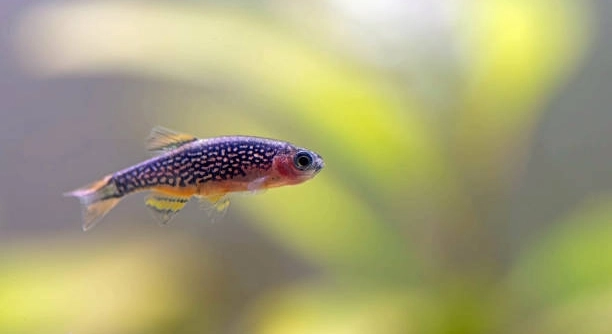
Many aquarium enthusiasts enjoy decorating their tanks with unique objects to create a lively environment. However, some of these decorations can be dangerous to delicate fish like danios, causing unexpected injuries or stress in their habitat.
Danios are small, active fish that are highly susceptible to injury from sharp edges, rough surfaces, unstable objects, or overly dense decorations. Items such as jagged rocks, broken ornaments, or poorly secured structures can easily harm their fins and bodies.
Knowing which objects pose risks can help you maintain a safer environment for your fish. Identifying hazardous decorations ensures your danios thrive in a secure, comfortable tank.
Sharp Rocks and Gravel
Sharp rocks and coarse gravel may look natural in a tank, but they can easily injure danios. These fish are small and active, often swimming quickly across the tank floor. Even minor scratches can lead to infections or fin damage. When selecting substrate, it is important to choose smooth, rounded stones. Avoid jagged edges that could tear delicate fins or scales. Over time, rough surfaces can wear down fins, making them more vulnerable to disease. Smooth gravel also reduces the chance of fish getting stuck or trapped. Rinsing all rocks thoroughly before placing them in the tank is necessary to remove debris or chemicals. Additionally, spacing and arrangement matter. Objects that create narrow gaps or sharp protrusions can increase the risk of injury, especially during group swimming or feeding frenzies. Creating a safe base for your danios promotes healthier movement and less stress, allowing them to swim freely without constant risk of harm.
Choosing smooth substrate ensures safer swimming paths and reduces accidental cuts for your fish.
Careful selection of gravel and rocks is one of the easiest ways to prevent common injuries in danios. Observing your fish as they explore the tank helps identify problem areas. Rounded stones, polished decorations, and avoiding overcrowding all contribute to a safer environment. Fish health can significantly improve with these small adjustments, reducing the likelihood of infections or fin deterioration. Even minor cuts can lead to long-term problems if left unchecked. Monitoring interactions between danios and tank objects ensures that all additions are safe. Replacing sharp or rough items promptly minimizes risk. A well-planned tank balances aesthetic appeal with functionality, keeping your fish active and uninjured. Regular inspections also allow you to catch early signs of wear or potential hazards, making it easier to maintain a protective habitat. Taking time to evaluate decorations may seem tedious, but it directly impacts your danios’ well-being. Safety and care in tank setup ultimately lead to healthier, more vibrant fish that can thrive.
Plastic Ornaments with Jagged Edges
Plastic ornaments often come with rough or broken edges that can hurt danios during play or exploration.
When using plastic decorations, inspect them carefully before placing them in the tank. Broken or poorly molded edges can snag fins or scales, causing injuries that are prone to infection. Even minor cracks can become dangerous if fish swim into them repeatedly. Smooth, well-finished plastic ornaments are safer alternatives. Regularly checking for wear and tear prevents unnoticed hazards from developing. Proper placement is also crucial; avoid positioning objects where fish swim quickly or chase one another. Overcrowded tanks with multiple plastic pieces increase collision risk. Softening rough spots with sandpaper or replacing damaged pieces entirely helps maintain a secure environment. Ensuring these decorations are stable reduces the chance of falling or shifting, which can startle or injure your danios. Well-chosen plastic ornaments provide stimulation without compromising safety.
Selecting intact, smooth plastic items and checking them regularly creates a safer tank setup. Careful attention to placement and stability helps danios interact safely with their decorations.
Broken Glass Decorations
Broken glass decorations are extremely dangerous for danios. Sharp shards can cause deep cuts and serious injuries. Even small cracks can create jagged edges that fish might swim into. Avoid any glass items with imperfections and replace them immediately if damage occurs.
Danios are small, quick swimmers, and collisions with sharp glass can lead to torn fins, scales, or worse. Infections often follow even minor injuries because bacteria in the tank can enter open wounds. Broken glass can also trap fish if edges form narrow gaps. Inspecting all glass decorations before use and checking them regularly reduces risks significantly. Choosing smooth, intact ornaments ensures safer movement, allowing your fish to explore without fear of injury.
Even a minor piece of broken glass hidden among other decorations can be hazardous. Monitoring how fish interact with ornaments and removing or replacing damaged glass immediately helps prevent accidents. Maintaining smooth surfaces in the tank is essential for protecting danios from avoidable harm and keeping them healthy.
Rough Driftwood
Rough driftwood with splinters or jagged surfaces can scratch or injure danios easily. Choosing smooth, sanded pieces reduces the risk of fin or scale damage.
Driftwood adds a natural look and hiding spaces, but rough edges are problematic. Danios swim quickly and may brush against splintered surfaces, causing small cuts that can worsen over time. Submerging driftwood in water and scrubbing it helps remove loose particles. Sanding rough edges before placing it in the tank ensures safer interaction. Regular inspection for new splinters is necessary, especially in tanks with active fish. Properly prepared driftwood provides enrichment without compromising fish health.
Maintaining smooth driftwood surfaces is crucial for preventing accidental injuries. Danios benefit from stable, safe hiding places, and careful driftwood preparation ensures their environment is both interesting and secure. Checking for wear over time allows you to keep decorations safe and your fish injury-free.
Metal Ornaments
Metal decorations can rust or corrode over time, creating sharp edges that injure danios. Avoid placing untreated or thin metals in the tank, as they may deteriorate quickly and pose a serious risk to fish.
Even small rust spots can cut fins or scales. Choosing corrosion-resistant metals like stainless steel ensures durability and safety. Regularly inspecting metal items prevents unnoticed damage and keeps your tank secure.
Hollow Ornaments
Hollow ornaments with narrow openings can trap danios, causing stress or physical injury. Avoid decorations with tiny gaps that fish cannot easily swim through.
Properly sized openings allow safe exploration while reducing the risk of stuck fish. Inspecting hollow items before adding them to the tank helps maintain a secure environment for active danios.
Aquarium Plants
Some aquarium plants have stiff or sharp leaves that can scratch or tear danio fins. Choosing soft, flexible plants minimizes injury risk.
Careful selection and regular trimming of plants ensure that decorations remain safe, allowing danios to swim freely without encountering obstacles that could harm them.
FAQ
What are the most common tank objects that injure danios?
The most common hazards include sharp rocks, coarse gravel, broken glass, rough driftwood, jagged plastic ornaments, hollow decorations with narrow openings, and metal items that can rust. These objects can tear fins, scratch scales, or trap fish, leading to stress and infection. Regular inspection and careful selection of decorations reduce the risk of injury.
How can I prevent my danios from getting injured by decorations?
Choose smooth, rounded, and well-finished decorations. Sand down rough edges on driftwood or plastic items. Avoid overcrowding the tank to give fish room to swim freely. Inspect all objects regularly for wear, cracks, or sharp spots. Stable placement is essential to prevent shifting that may harm active danios.
Are live plants safer than artificial ones?
Generally, live plants are safer if they have soft, flexible leaves. Some artificial plants have stiff or sharp edges that can tear fins. Regular trimming and careful placement of plants, whether live or artificial, help minimize the chance of injury. Observing fish behavior can indicate if plants cause harm.
Is substrate dangerous for danios?
Yes, coarse gravel or sharp stones can injure danios’ delicate fins and bodies. Smooth, rounded gravel or sand is a safer choice. Avoid jagged rocks, and ensure that any stones used are rinsed thoroughly to remove debris or chemicals that might irritate the fish.
Can metal decorations be used safely?
Only corrosion-resistant metals like stainless steel are recommended. Untreated metal may rust, creating sharp edges that can cut fish. Inspect metal ornaments regularly for rust or sharp points and replace them if deterioration occurs. Stability and proper placement also help prevent accidents.
What should I do if my danio gets injured?
Separate the injured fish if possible to prevent further harm. Clean the tank and monitor water quality to avoid infection. Use aquarium-safe treatments for minor cuts, and keep the fish in a calm environment while it heals. Regular observation ensures timely intervention if problems worsen.
Are hollow ornaments safe for small fish?
They can be safe if the openings are wide enough for fish to enter and exit freely. Narrow gaps can trap danios, causing stress or injury. Inspect hollow ornaments before adding them to the tank and remove or modify any that could pose a risk.
How often should I inspect tank objects?
Frequent inspections, at least once a month, are recommended. Check for sharp edges, cracks, rust, or other wear that could harm your fish. Early detection prevents accidents and keeps the tank safe, allowing danios to swim and explore without danger.
Can decorations be rearranged safely?
Yes, but always ensure stability and smooth surfaces. Moving objects around can expose sharp edges or create gaps. Observe how fish interact with rearranged items to make adjustments as needed. Careful planning keeps their environment stimulating without increasing injury risk.
Do I need to remove all risky objects immediately?
Yes, removing objects that pose a threat is the safest approach. Replace them with smooth, safe alternatives. Even minor hazards can result in serious injuries for small, active fish like danios. Regular monitoring and timely action ensure a secure, healthy tank.
Can injuries from tank objects affect long-term health?
Absolutely. Cuts and scratches can lead to infections or fin rot if untreated. Chronic injuries may stress fish, weakening their immune system and making them more susceptible to disease. Prevention through careful decoration choice and maintenance is the best approach.
How do I know if my danio is stressed from tank objects?
Signs include hiding frequently, swimming erratically, or damaged fins. Observing their behavior daily helps detect stress early. Adjusting decorations, removing sharp objects, and providing ample swimming space can reduce stress and prevent further injury.
Are certain tank sizes safer for danios?
Larger tanks with plenty of open swimming space reduce the risk of collisions with decorations. Crowded tanks increase the likelihood of injury from sharp or unstable objects. Proper spacing and careful decoration selection are key to creating a safe environment.
Do aquarium decorations require regular maintenance?
Yes, even safe decorations can degrade over time. Clean and inspect ornaments, plants, and driftwood periodically. Remove any broken, sharp, or unstable items promptly. Regular maintenance ensures a safe and comfortable habitat, supporting the long-term health of your danios.
Can I make my own safe decorations?
Yes, homemade decorations can be safer if made with smooth, non-toxic materials. Avoid sharp edges, loose parts, or untreated metals. Sanding and sealing surfaces before placing them in the tank helps ensure your fish interact safely with them. Proper preparation prevents injuries and keeps the tank secure.
Are all plastic decorations unsafe?
Not all, but poorly molded or broken plastic items are dangerous. Smooth, intact plastic ornaments with no sharp edges are safe. Regular inspection for cracks, sharp corners, or loose parts is important. Properly chosen plastic decorations provide stimulation without risking danio injuries.
How can I safely combine multiple decorations?
Ensure enough swimming space between items to prevent collisions. Avoid stacking sharp objects or placing unstable pieces near high-traffic areas. Grouping decorations safely reduces the chance of injury and allows danios to explore freely without risk of cuts or entrapment.
Do fish injuries affect their behavior?
Yes, injured fish may hide more, swim less actively, or avoid certain areas. Persistent injuries can lead to stress and susceptibility to disease. Maintaining a safe environment with smooth, stable decorations encourages natural, healthy behavior in danios.
Can I use stones from outdoors safely?
Only if they are smooth, non-toxic, and thoroughly cleaned. Outdoor rocks may carry bacteria, sharp edges, or chemicals. Inspect each stone carefully and rinse well before placing it in the tank to minimize risks. Smooth, rounded stones are safer for danios to swim around freely.
What is the safest overall approach for tank decoration?
Select smooth, non-toxic, and stable objects. Avoid sharp edges, cracks, or narrow openings. Regularly inspect and maintain all decorations. Provide enough space for swimming, and observe fish behavior to identify potential hazards. This careful approach ensures a secure, comfortable, and injury-free environment for danios.
Creating a safe and comfortable environment for danios is not as difficult as it may seem. Small adjustments in tank setup and decoration choices can make a big difference in the health and happiness of your fish. Avoiding sharp rocks, rough gravel, broken glass, jagged plastic ornaments, and rusting metal ensures that your fish are not at risk of cuts or injuries. Even minor scratches can lead to infections, so it is better to be cautious when selecting decorations. Smooth, rounded stones, polished driftwood, and intact plastic or metal ornaments help create a safer environment. Regularly inspecting these items also prevents accidents before they happen, which is an important part of maintaining a secure habitat.
Paying attention to the placement of objects in the tank is just as important as choosing safe materials. Hollow ornaments with narrow openings, overcrowded spaces, or unstable objects can trap or injure danios. Giving them enough open space to swim freely reduces the risk of collisions and stress. Live plants with soft leaves or well-prepared artificial plants provide hiding spots without sharp edges, which can make your fish feel safe and relaxed. Driftwood or decorations that might splinter should be sanded and checked regularly, and any metal items should be corrosion-resistant and free of rust. Simple steps like these prevent injuries while also creating a visually appealing and functional tank. Observing your fish’s behavior can help identify areas that may be unsafe or causing stress, making adjustments easier.
Maintenance is key to keeping your aquarium safe over time. Even decorations that were initially safe can deteriorate, developing sharp edges, cracks, or splinters. Regular checks for wear and tear, cleaning, and replacing damaged items protect your fish from injury. Monitoring your danios for signs of stress, fin damage, or unusual behavior also helps you react quickly if something goes wrong. Ensuring smooth surfaces, secure placements, and enough swimming space promotes both safety and natural behavior. By carefully selecting decorations, arranging them thoughtfully, and maintaining them consistently, you provide your danios with a healthy and secure environment where they can thrive. Small, consistent efforts in tank care have a big impact on the long-term wellbeing of your fish, making your aquarium a safer and more enjoyable home for them.

Hello,
If you enjoy the content that we create, please consider saying a "Thank You!" by leaving a tip.
Every little bit helps us continue crafting quality advice that supports the health, happiness, and well-being of pets around the world, for pets of all shapes, sizes, and species.
We really appreciate the kindness and support that you show us!