
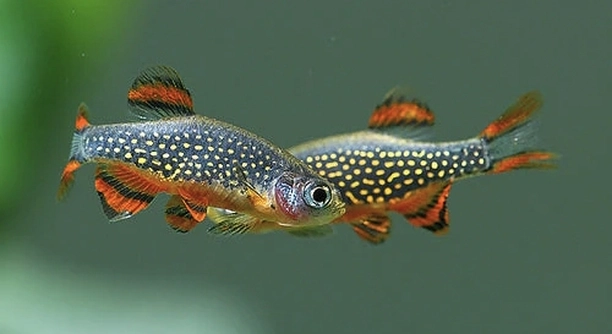
Danios are small, lively fish that react in interesting ways to their surroundings. Watching them interact with plants in an aquarium can reveal behaviors you might not notice at first glance. They are quick and curious.
Danios respond to moving plants through a range of behaviors, including darting around, nudging leaves, hiding temporarily, and following currents. These responses indicate both their natural curiosity and their instinctive reactions to changes in their environment.
Observing these behaviors can give insight into their personality and help create a more engaging and suitable aquarium setup.
Danios and Sudden Plant Movement
When plants in an aquarium sway quickly, danios often react instantly. They may dart away, pause, or circle the moving leaves. This behavior is part of their natural instinct to detect changes in their environment. Sudden plant movement can mimic predators or strong water currents, prompting them to respond. Observing these reactions helps understand how sensitive danios are to even minor changes. They are attentive and alert, often scanning the area before returning to normal swimming patterns. Their quick movements can also indicate a healthy, active fish, showing that they are engaged with their surroundings. Plant placement and water flow can influence how often these reactions occur. Over time, you may notice patterns in how they respond to specific plants or currents, which can guide you in designing a more comfortable habitat. The interaction between fish and plants creates a dynamic aquarium scene that is fascinating to watch.
Danios typically react to sudden plant movements by swimming rapidly, changing direction, or briefly hiding. This indicates high environmental awareness.
Repeated exposure to plant movement can make danios more accustomed to their environment. By gently moving plants during feeding or cleaning, you may see them explore more confidently. These reactions also provide insight into their playful and curious nature. Keeping an eye on how often they respond can indicate stress or comfort levels in the tank. Adjusting plant density or position may reduce unnecessary startle responses, creating a calmer environment. Observing their responses over time can help in planning the best plant arrangement. Danios often return to normal behavior quickly once they determine there is no threat, showing their adaptability. Such interactions emphasize the importance of a thoughtfully designed tank for promoting natural behavior and overall well-being.
Following Plant Movement
Danios are naturally drawn to moving objects, including plants, as part of their foraging and exploratory instincts.
When plants sway, danios often follow them, swimming alongside leaves or circling stems. This tracking behavior reflects both curiosity and instinctive attention to motion in their surroundings. Following movement can indicate comfort and engagement, suggesting that the fish feel safe in their environment. They may swim closely together or individually, depending on their social dynamics and personality. In some cases, following plant movement can stimulate feeding behavior, as fish may associate motion with food particles. Over time, this tracking can strengthen their coordination and responsiveness, providing mental stimulation. Watching danios follow plants gives a sense of their intelligence and alertness. This behavior also helps aquarists understand which areas of the tank attract more activity, guiding plant placement. Encouraging safe interaction with plants can enhance the visual appeal of the aquarium and support the fish’s natural behavior patterns. Proper plant care and placement are essential for sustaining these healthy interactions.
Investigating Plant Shadows
Danios often react to the shadows plants create when water moves. They may swim around cautiously or pause to observe, showing a mix of curiosity and alertness. Shadows can trigger natural instincts, making the fish more attentive to their surroundings.
Shadows from swaying plants can confuse danios at first. They may interpret sudden dark shapes as potential threats, causing brief hesitation or erratic swimming. Over time, the fish learn that these shadows are harmless. Observing how they respond helps understand their awareness and adaptability. Shadows also provide visual stimulation, keeping the fish mentally engaged. This behavior demonstrates how sensitive danios are to subtle changes in their environment, highlighting the importance of thoughtful tank lighting and plant placement.
Sometimes, shadows can encourage playful interaction. Danios may dart through patterns of light and dark, using movement to explore and navigate the tank. This adds energy and liveliness, making the aquarium feel more dynamic. Adjusting plant positions can create varying shadow effects, enhancing their experience. Such observations show that even small environmental changes influence behavior, feeding their curiosity and promoting natural responses. Watching them interact with shadows can reveal unique patterns, individual personalities, and social dynamics within the group. Proper lighting and careful plant arrangement support these healthy, engaging behaviors.
Nibbling on Leaves
Danios often nibble at moving plant leaves, using them to explore textures and satisfy curiosity. This behavior reflects both natural foraging instincts and playful interaction with their environment.
Nibbling helps danios test new plants and determine if they are edible. While not all leaves are consumed, this behavior indicates active engagement with the aquarium. Fish may lightly graze or pull at softer leaves, learning which plants are suitable for interaction. Over time, nibbling can reveal preferences for certain textures or movements. Observing these interactions gives insight into their dietary curiosity and natural tendencies. Adjusting plant selection can balance enjoyment with maintaining plant health.
Nibbling also provides mental stimulation, reducing boredom in the tank. By gently introducing new plants or moving existing ones, you can encourage exploration and activity. Fish often return to familiar plants for repeated interaction, showing learning and memory capabilities. Understanding nibbling patterns helps prevent damage to delicate species while still allowing natural behavior. This interaction highlights the importance of choosing resilient plants and arranging them thoughtfully to support both fish curiosity and aquarium aesthetics.
Darting Between Stems
Danios often dart quickly between plant stems when water moves. This sudden movement is instinctive, helping them avoid perceived threats. It also gives them a way to explore the tank efficiently while staying alert to changes around them.
Darting between stems can be repeated several times in a short span. Fish may appear playful, but this behavior is rooted in natural caution. It demonstrates agility and responsiveness, which are important for their overall well-being. Observing these patterns helps in understanding their comfort levels in the aquarium.
Investigating Plant Bases
Danios frequently explore the base of plants, inspecting roots and lower stems. This behavior helps them understand their surroundings and search for food particles or hiding spots. They move carefully, pausing to examine new textures or scents, showing both curiosity and caution.
Swaying in Sync
Some danios adjust their swimming to match plant movement. They glide alongside leaves, following the flow and creating synchronized motion within the tank. This behavior is subtle but indicates their attentiveness to the environment and how movement influences their patterns.
Why do danios react to moving plants?
Danios react to moving plants because they are naturally alert fish. Any movement in the tank can mimic potential threats or food sources. Their instincts make them pay close attention to changes, prompting darting, hiding, or following behaviors. This reaction is part of their survival strategy in the wild, where sudden shifts in water or plant life could indicate predators or shifting currents. Observing these responses in an aquarium helps you understand their attentiveness and overall health. Fish that consistently respond to movement tend to be active and engaged, which is a good sign of well-being.
Is it normal for danios to hide when plants move?
Yes, hiding is a normal response. Danios often retreat temporarily when plants sway or shadows shift. This behavior shows caution rather than fear, as they assess their environment. After a short pause, most danios return to regular swimming, exploring or following the plant’s motion. Providing sufficient plant coverage gives them safe areas to retreat, which supports their comfort. Over time, they may hide less as they become familiar with the movement patterns, showing adaptability and confidence. Observing this behavior helps gauge how stressed or comfortable they are in the tank.
Do danios nibble plants because they are hungry?
Nibbling plants is often more about exploration than hunger. Danios use their mouths to test textures and investigate potential food sources. They may lightly graze on leaves, but most do not consume large amounts. Offering a balanced diet ensures they do not rely solely on plants for nutrition. Nibbling also provides mental stimulation and interaction with the environment. Some fish show clear preferences for softer or swaying leaves, which can help aquarists choose suitable plant species. Watching nibbling behavior can reveal curiosity levels and individual personality traits.
Why do danios follow plant movement?
Following plant movement is linked to both curiosity and instinct. Danios track motion to investigate changes in their environment. This behavior allows them to explore safely while staying alert for potential threats. Fish may swim alongside a swaying plant or circle it repeatedly. Following movement can also be a playful activity, offering physical exercise and mental stimulation. Observing which plants attract the most attention can help in arranging the tank to encourage engagement while maintaining plant health. This behavior highlights their intelligence and awareness of subtle environmental changes.
How does plant movement affect danio stress levels?
Plant movement can either reduce or increase stress depending on its frequency and intensity. Gentle swaying usually stimulates natural exploration and engagement, keeping fish active. Rapid or excessive movement may startle danios repeatedly, causing brief stress responses. Monitoring their reactions helps determine if adjustments are needed in water flow or plant placement. Providing areas with dense plants allows fish to retreat when necessary, balancing stimulation with comfort. Over time, danios may acclimate to moderate movement, showing less frequent hiding or darting. Understanding these patterns ensures a healthier and more relaxed aquarium environment.
Can danios learn from repeated plant movement?
Yes, danios can adapt to repeated movement. They gradually recognize patterns, such as predictable swaying from filters or water currents. This learning reduces startle responses over time and encourages more confident exploration. Fish may begin following the plants deliberately, using movement as a guide for navigation or interaction. Observing these adaptations provides insight into their learning capabilities and intelligence. It also helps in designing an environment that balances stimulation with security, allowing them to thrive while maintaining natural behaviors.
Does lighting influence how danios react to moving plants?
Lighting affects shadow formation, which can change how danios perceive movement. Bright light may highlight swaying leaves, prompting investigation or darting. Dim lighting can make shadows more pronounced, triggering caution. Adjusting lighting levels helps control their reactions, providing comfort and enhancing natural behavior observation. Properly positioned lights combined with gentle plant movement encourage healthy engagement while avoiding excessive stress. Monitoring their behavior under different lighting conditions helps fine-tune tank setup for optimal comfort and visual appeal.
Are some danios more sensitive to movement than others?
Individual temperament plays a role in sensitivity. Some danios are bolder, exploring freely around moving plants, while others are cautious and retreat quickly. Factors such as age, health, and social dynamics influence reactions. Observing patterns among your fish helps identify which need more hiding spaces or gentle movement. Catering to these differences ensures all fish remain comfortable and active, promoting balanced interaction and minimizing stress. Sensitivity to movement can also change over time as fish acclimate to their tank environment.
How can I safely encourage interaction with plants?
You can encourage interaction by gently moving plants or introducing new leaves. Avoid rapid or forceful movement, which may startle fish. Providing a mix of dense and open areas allows exploration while offering safe retreat zones. Observing responses helps adjust plant placement and water flow to match fish comfort. Over time, danios learn to investigate without stress, enhancing engagement and promoting natural behaviors. Careful attention to their reactions ensures interaction remains healthy and enjoyable for the fish.
Does following or nibbling plants help danios stay healthy?
Yes, these behaviors provide both physical and mental benefits. Swimming around plants increases exercise, while nibbling and investigating stimulate curiosity and problem-solving instincts. Engaged fish tend to eat better, remain active, and show fewer stress signs. Encouraging these natural behaviors through thoughtful plant placement supports overall well-being. Regular observation helps maintain balance between stimulation and security. By creating an environment that fosters exploration and interaction, you contribute to healthier, more confident, and more active danios in the aquarium.
Danios are small, active fish that show a lot of interesting behaviors around plants in an aquarium. Their reactions to moving plants can include darting, hiding, following, or nibbling, and each behavior tells something about their instincts and personality. These responses are not random; they are rooted in natural survival skills, curiosity, and the need for stimulation. Even simple movements, like a leaf swaying in a gentle current, can attract attention and cause the fish to explore their environment. Over time, observing these interactions can help aquarists understand the individual traits of each fish and how they adjust to different situations. Providing a variety of plants and carefully positioning them allows the fish to feel safe while still being mentally and physically engaged. Plant movement is a subtle but important aspect of aquarium life, influencing not only how active the fish are but also how comfortable and confident they feel in their surroundings.
When planning an aquarium with danios, it is helpful to consider how the layout and plant placement will affect their behavior. Dense clusters of plants give hiding spots and allow the fish to retreat if they feel startled. Open areas provide space for swimming and chasing plant movement, supporting natural activity levels. Shadows, light, and currents all combine with moving plants to create a dynamic environment that the fish can interact with. This interaction keeps them alert, encourages exercise, and provides opportunities for curiosity-driven exploration. Even nibbling on leaves can be beneficial, offering a small form of stimulation while helping the fish investigate textures and learn more about their environment. Over time, danios may become accustomed to gentle plant movement, showing less startle behavior and more confident engagement, which is a sign of a well-balanced tank.
Caring for danios also means observing their behavior and adjusting the aquarium to meet their needs. By paying attention to how they respond to moving plants, you can make changes that improve their comfort, reduce stress, and encourage natural activity. Adjusting plant density, positioning, and even lighting can influence how often they hide, dart, or follow movement. Providing a mix of open swimming space and plant-covered areas allows the fish to choose where they feel safest and most interested. These observations not only enhance the aquarium’s visual appeal but also create a more enriching environment for the fish. Ultimately, understanding and supporting their reactions to moving plants helps maintain their health, happiness, and natural behavior, making the aquarium a more engaging and harmonious habitat for both the fish and the aquarist.

Hello,
If you enjoy the content that we create, please consider saying a "Thank You!" by leaving a tip.
Every little bit helps us continue crafting quality advice that supports the health, happiness, and well-being of pets around the world, for pets of all shapes, sizes, and species.
We really appreciate the kindness and support that you show us!