
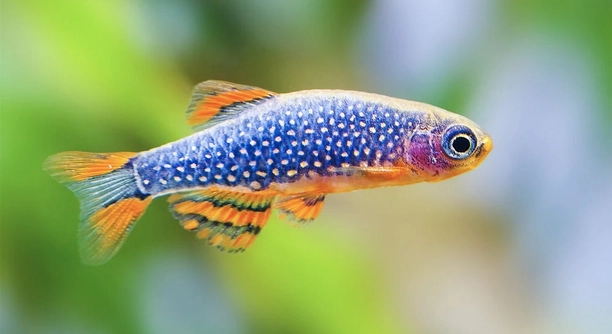
Danios are lively little fish that add energy to any aquarium. They react to their surroundings in ways we may not always notice, especially when sounds become too intense or persistent for their comfort.
Danios exhibit stress when exposed to sound levels above 70 decibels. Prolonged exposure to such noise can disrupt their swimming patterns, feeding behavior, and overall well-being. Maintaining quieter conditions ensures their natural behavior and health remain stable.
Learning which sound levels affect them most is important. This knowledge helps maintain a calm environment and supports the fish’s natural behavior and long-term health.
Loud Household Appliances
Daily appliances like blenders, vacuum cleaners, and washing machines can reach high decibel levels that Danios find stressful. When these devices run near the tank, the vibrations transfer through the floor and water, making fish dart, hide, or swim erratically. I’ve noticed that even routine chores can trigger sudden panic in my small school of Danios. Small vibrations from dishwashers or dryers can create a constant low-level hum that is still uncomfortable for the fish. It’s not just the loud moments but the continuous background noise that affects their behavior. Over time, these repeated disturbances can reduce appetite and interfere with normal social interactions in the tank. Providing a buffer, like moving the tank further from machines or adding a sturdy stand, helps reduce vibrations. Even adjusting the schedule for noisy chores can make a noticeable difference in the fish’s calmness and overall health.
Reducing nearby appliance noise allows Danios to swim more freely and maintain regular feeding patterns without stress.
Minimizing vibrations is essential for long-term aquarium health. Even minor adjustments, like placing rugs under washing machines or using quieter settings, can improve the tank environment. Creating a stable, quieter space allows Danios to thrive naturally and avoid constant stress reactions. This promotes regular movement, proper feeding, and social interaction among the fish. Over time, the calmer environment can lead to healthier fish and fewer signs of chronic stress. Observing their behavior closely after making these adjustments shows clear improvements.
Loud Music and TV
Danios react strongly to sustained loud music or TV sounds near their tank. Short bursts may startle them, but continuous noise is far more disturbing.
Exposing Danios to high-volume music or TV causes rapid, erratic swimming, hiding, and decreased feeding. Sound vibrations travel through the tank, affecting their balance and comfort. Long-term exposure may weaken their immune systems and reduce overall lifespan. Consistent monitoring of volume levels and tank placement helps maintain a peaceful environment for the fish.
Keeping the tank away from entertainment devices is key. Placing it in a quieter room or limiting volume during peak activity can prevent stress. Small steps, such as using noise-reducing furniture or insulating walls, also help. Observing the fish after adjustments shows calmer behavior and better feeding. Noise management ensures they continue to thrive naturally.
Construction Noise
Construction near the home can produce sudden and prolonged noise that Danios cannot escape. Hammering, drilling, and heavy machinery create vibrations that travel through walls and floors, causing noticeable stress in the fish.
Even when construction is outside, the low-frequency vibrations reach the tank, disturbing the fish’s natural rhythm. Danios may hide for long periods or swim frantically when exposed to these sounds. Feeding habits can change, and some fish may refuse food entirely. I’ve observed that tanks placed on solid, insulated surfaces experience less vibration, but noise still impacts sensitive species. Minimizing exposure during peak construction hours and adding soundproof barriers can reduce their discomfort. Over time, calmer conditions help maintain proper swimming patterns and social interaction, preventing long-term health problems.
Noise from construction is more than just a momentary annoyance. Repeated exposure can cause stress-related illnesses, weaken immunity, and even alter growth. Protecting Danios from these disturbances ensures they remain healthy and active, maintaining normal behavior despite external disruptions.
Loud Traffic
Traffic noise outside the home often reaches levels that are stressful for Danios. Constant honking, engines, and heavy vehicles produce vibrations that pass through walls and floors into the tank.
Prolonged exposure to traffic noise can make Danios skittish, reduce feeding, and disrupt their swimming patterns. Sudden loud noises trigger immediate hiding or frantic swimming, which can lead to long-term stress. Observing the tank after moving it away from direct vibration or adding sound-dampening materials shows noticeable improvement in their behavior.
Managing traffic noise around a tank requires strategic placement and barriers. Thick walls, rugs under stands, or locating the tank in an interior room can reduce vibrations. Even small adjustments, like closing windows during peak hours, can lower noise exposure. Fish tend to regain normal feeding and movement patterns when vibrations are minimized. Maintaining a quieter environment prevents stress-related health issues, ensuring Danios remain lively and comfortable in their tank habitat.
Barking Dogs
Barking dogs near the aquarium can create sudden loud noises that unsettle Danios. Even short bursts of noise make them dart and hide, disrupting their usual swimming patterns and feeding routines.
Continuous barking increases stress, causing Danios to swim frantically or cling to the tank’s corners. Reducing exposure by placing the tank away from windows or adding barriers helps calm them.
Thunderstorms
Thunderstorms produce loud rumbles and flashes that Danios can sense through vibrations and changes in light. These sudden environmental changes often lead to frantic swimming, hiding, or freezing in place. Over time, repeated exposure can reduce appetite and increase stress levels.
Dropping Objects
Dropping heavy items near the tank causes sharp vibrations that immediately disturb Danios. The sudden impact triggers quick, erratic swimming and hiding, making them appear anxious and unsettled.
What sound levels are safe for Danios?
Danios are most comfortable in environments under 60 decibels. Everyday household sounds at normal levels, like soft talking or quiet appliances, usually don’t disturb them. Anything above 70 decibels can stress them, leading to erratic swimming or hiding. I keep my tank in a quieter room to maintain consistent comfort.
How can I reduce vibrations from nearby appliances?
Placing the aquarium on a thick, sturdy stand helps absorb vibrations from washing machines, dryers, or dishwashers. Adding rubber mats or foam pads under the tank further reduces low-frequency vibrations. Even moving noisy appliances to another room or adjusting their schedule can prevent repeated stress on the fish.
Do Danios react to loud music or TV?
Yes, Danios are sensitive to continuous loud music or TV sounds. Even if the noise doesn’t seem extreme to humans, the vibrations transfer through walls and the floor into the tank. Fish may swim frantically, hide, or stop feeding. Reducing volume or relocating the tank can make a significant difference.
Can construction outside the home harm Danios?
Construction noise produces both sudden loud sounds and low-frequency vibrations. Danios react to hammering, drilling, or heavy machinery by hiding or swimming erratically. Over time, exposure can weaken their immune system. I noticed calmer behavior when I moved my tank to a more insulated room during construction.
Are traffic sounds a problem for aquarium fish?
Constant traffic noise, especially from heavy trucks or honking, sends vibrations through the building structure into the tank. Danios can become skittish, reduce feeding, or display rapid swimming patterns. Using interior rooms for the tank or adding thick rugs and furniture to dampen vibrations helps keep them calm.
Do thunderstorms affect Danios?
Yes, sudden thunder rumbles and flashes can scare Danios. The combination of sound, vibration, and bright light triggers hiding and frantic swimming. Over time, repeated exposure can impact appetite and increase stress. Using blackout curtains and placing the tank away from windows helps reduce disturbance during storms.
How do I know if my Danios are stressed from noise?
Signs include darting, hiding, refusing food, or swimming in unusual patterns. Stress can also show through changes in coloration or social behavior. Observing their daily habits helps identify triggers. I always pay attention after noisy events, like vacuuming or traffic surges, to ensure they return to normal activity.
Can small adjustments really improve their comfort?
Even minor changes, like moving the tank away from walls, adding foam pads under the stand, or reducing loud appliance usage, noticeably improve Danios’ behavior. Over time, these adjustments maintain regular feeding, swimming, and social interaction, making the aquarium environment calmer and healthier.
Should I avoid loud activities near the tank?
Yes, repeated loud sounds, even brief ones, can stress Danios. I try to schedule noisy chores or music sessions when the tank is in a less affected room or temporarily covered to minimize vibrations and sudden noise. Protecting the tank environment consistently helps them remain comfortable.
Can multiple sources of noise combine to stress Danios?
Absolutely. Continuous exposure to several noisy sources, like traffic, appliances, and barking dogs, compounds stress. Danios respond to cumulative vibrations, not just individual events. Observing all noise sources and mitigating them collectively provides the best protection for the fish’s well-being.
How long does it take for Danios to recover from noise stress?
Recovery varies but usually occurs within hours if the environment becomes quiet. Persistent stress over days or weeks may take longer to reverse, affecting feeding and swimming behavior. Maintaining a consistently calm tank ensures faster recovery and promotes overall health and vitality.
Are there long-term effects of repeated noise exposure?
Yes, chronic exposure can reduce appetite, weaken the immune system, and increase susceptibility to illness. It may also alter social behavior and swimming patterns. By monitoring sound levels and minimizing prolonged disturbances, I’ve seen my Danios stay active and healthy for years without stress-related issues.
Danios are small, active fish that react strongly to their environment, and sound is one factor that can affect their comfort. While they may appear calm on the surface, loud noises, vibrations, or sudden disturbances can make them anxious. Over time, these stressors can influence their swimming patterns, feeding habits, and overall health. I have seen how even common household sounds, like blenders or vacuum cleaners, can make them dart around or hide. It’s important to recognize that what seems normal to us can feel overwhelming for them. By understanding the types of noises that cause discomfort, it becomes easier to create a stable environment where the fish can thrive. Reducing excessive noise and vibrations is a simple way to improve their daily life.
Placement of the aquarium plays a significant role in minimizing stress. Tanks located near walls, windows, or areas with heavy traffic often transmit vibrations that the fish can sense. Even low-level background sounds, if persistent, can disturb Danios over time. I personally found that moving my tank to a quieter, interior room made a noticeable difference. Adding insulating materials, such as foam pads under the stand or rugs beneath furniture, helps absorb vibrations and prevent the tank from shaking. It may seem like a small adjustment, but these steps create a calmer environment that encourages natural swimming, regular feeding, and social interactions among the fish. Every little change counts when it comes to their comfort, and observing their behavior regularly helps identify areas where noise can be reduced.
Maintaining a peaceful environment is not just about comfort; it is about long-term health and happiness. Chronic stress from loud or persistent sounds can weaken immune systems and reduce the lifespan of Danios. By being mindful of noise levels from household appliances, music, traffic, or outdoor disturbances, we can significantly improve their quality of life. It’s not necessary to eliminate all sounds, but creating periods of calm and reducing sudden, intense noises makes a big difference. Over time, fish that feel safe and secure display more natural behavior, actively feed, and interact with other tank mates. Paying attention to the environment, making small adjustments, and monitoring their responses ensures that Danios live a healthy, comfortable life. Protecting them from unnecessary stress is one of the most effective ways to care for these lively, sensitive fish.

Hello,
If you enjoy the content that we create, please consider saying a "Thank You!" by leaving a tip.
Every little bit helps us continue crafting quality advice that supports the health, happiness, and well-being of pets around the world, for pets of all shapes, sizes, and species.
We really appreciate the kindness and support that you show us!