
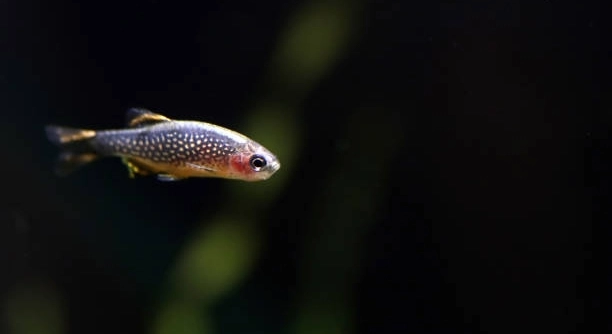
Maintaining a peaceful danio school can feel challenging for many aquarium enthusiasts. These small, energetic fish move quickly and interact constantly, which can sometimes lead to stress or aggression if not managed properly in a shared environment.
Ensuring a calm and harmonious danio school involves controlling tank size, water quality, and social structure. Providing adequate space, stable conditions, and compatible companions reduces stress, prevents aggression, and encourages natural schooling behavior, creating a balanced and healthy aquatic environment.
Proper care and observation help maintain a serene atmosphere in the tank. Small adjustments in their habitat can make a significant difference in the school’s overall well-being.
Choosing the Right Tank Size
A proper tank size is essential for maintaining a peaceful danio school. Danios are active swimmers, so a cramped tank leads to stress and fights. A minimum of 20 gallons is recommended for a small group of six, but larger tanks provide extra swimming space and reduce tension. The more space available, the more each fish can establish its own territory, helping prevent bullying. Decorations like plants and rocks offer hiding spots and visual breaks, which give timid fish places to retreat. Water volume also impacts water stability, making it easier to maintain consistent temperature, pH, and ammonia levels. Keeping up with regular water changes and proper filtration ensures that the environment remains healthy. A well-sized tank supports natural schooling behavior, which allows danios to swim together in harmony and exhibit less aggressive interactions. Observing your fish’s movement patterns can guide you to adjust the layout for optimal comfort and stress reduction.
Proper space directly affects stress and aggression levels in danios, creating calmer interactions and smoother schooling behavior.
Spacing, hiding areas, and water stability all work together to ensure your danios feel secure, reducing tension and promoting peaceful swimming patterns.
Maintaining Stable Water Conditions
Stable water conditions are key to keeping a danio school calm. Sudden changes in temperature, pH, or chemical balance can trigger aggression and stress. Monitoring water parameters regularly ensures the environment remains consistent. A reliable heater, thermometer, and test kits help maintain proper temperature and water chemistry. Danios thrive in slightly alkaline water with temperatures between 70°F and 78°F, and avoiding drastic fluctuations is crucial for their health. Filtration removes toxins and debris, supporting water clarity and oxygen levels. Frequent partial water changes replace lost minerals and reduce nitrate buildup, which otherwise can upset fish behavior. Introducing new water gradually prevents shock, allowing fish to adjust smoothly. Avoid overcrowding, as this strains filtration systems and destabilizes water. Observing your fish daily helps identify early signs of stress or illness, making timely adjustments possible. By creating a stable and clean habitat, your danios are more likely to swim together peacefully, maintain strong immunity, and display natural schooling patterns consistently.
Consistent temperature, filtration, and careful water changes prevent stress and promote a harmonious tank environment.
Maintaining stability in water conditions ensures that danios experience minimal stress, which is essential for natural schooling and reduced aggression. Regular monitoring, gradual adjustments, and proper equipment all contribute to a healthy aquatic environment where each fish can thrive and interact calmly.
Proper Diet and Feeding
A balanced diet keeps danios healthy and reduces aggression caused by hunger or competition. Feeding small portions multiple times a day prevents overeating and ensures all fish get enough nutrition. High-quality flakes, pellets, and occasional live or frozen foods work best.
Providing a varied diet supports growth, energy, and natural behavior. Danios need protein for strength and vegetable matter for digestion. Overfeeding can pollute the water and lead to stress, so measuring portions carefully is important. Observing how your fish eat helps adjust feeding amounts, preventing dominant individuals from monopolizing food and keeping the school peaceful.
Scheduled feeding routines create stability. When fish know when and how much food to expect, they are less likely to compete aggressively. Introducing treats like brine shrimp or daphnia occasionally adds variety, stimulating natural hunting instincts and encouraging movement within the school. A consistent diet improves coloration, activity, and overall harmony in the tank.
Choosing Compatible Tank Mates
Danios are social but can be stressed by aggressive or slow-moving species. Avoid mixing with large, territorial, or fin-nipping fish that disturb the school. Choosing similar-sized, peaceful fish helps maintain calm interactions.
Compatible tank mates provide balance. Small tetras, rasboras, and other peaceful species match danios’ swimming speed and temperament. Introducing new fish gradually allows the school to adjust, minimizing conflict. Overcrowding must be avoided to ensure everyone has enough space and hiding areas. Observing interactions during the first days helps identify any aggression early, so corrective measures can be taken.
Adding companions thoughtfully enhances the school’s social environment. Fish that occupy different tank levels reduce competition for space. Fast swimmers complement danios’ active nature, while bottom dwellers like Corydoras add diversity without conflict. By selecting the right species and monitoring behavior, the tank remains harmonious, stress is minimized, and all fish enjoy a stable and peaceful home.
Providing Hiding Spots
Hiding spots reduce stress and aggression among danios. Plants, rocks, and decorations create safe areas where timid fish can retreat when feeling threatened. This encourages natural schooling behavior while allowing each fish to feel secure in its environment.
Variety in hiding places is important. Tall plants, caves, and floating decorations offer multiple options. Rotating or rearranging these occasionally keeps the environment interesting without causing disruption.
Monitoring Behavior
Regular observation helps detect stress, bullying, or illness early. Watch how fish interact during feeding and swimming. Quick intervention prevents minor issues from escalating.
Maintaining Proper Lighting
Consistent lighting supports natural activity cycles. Too bright or inconsistent light can stress fish, triggering aggression or hiding behavior. Moderate, evenly distributed lighting helps danios stay active and calm throughout the day.
Managing School Size
Keeping the school at an appropriate size is essential. A group that is too small may lead to bullying, while an overcrowded tank causes stress and competition. Maintaining a balanced number of danios ensures harmony, proper schooling, and reduced aggressive interactions in the tank.
FAQ
How many danios should I keep in a school?
A minimum of six danios is recommended to encourage natural schooling behavior. Smaller groups can lead to stress and aggression, as fish may feel isolated or insecure. Larger groups, around eight to twelve, provide more social interaction and reduce dominance issues. Observing the school’s behavior helps determine if the number is appropriate.
What tank size is best for a peaceful danio school?
A tank of at least 20 gallons works well for six danios. Larger tanks give more swimming space and reduce competition. Extra space allows fish to establish personal zones and prevents overcrowding, which can cause stress, fighting, and irregular schooling patterns. Proper layout with plants and decorations also contributes to a peaceful environment.
What kind of water conditions do danios need?
Danios prefer slightly alkaline water with a pH around 7.0 to 7.5. Temperature should be stable between 70°F and 78°F. Sudden changes in water chemistry or temperature can stress the fish and trigger aggression. A reliable heater, thermometer, and regular water testing help maintain consistent conditions.
How often should I feed my danios?
Feeding small portions two to three times daily works best. Overfeeding can pollute the water and cause aggression as fish compete for food. A mix of high-quality flakes or pellets with occasional live or frozen foods ensures proper nutrition while keeping all fish healthy and calm.
Can danios live with other fish species?
Yes, but compatibility is key. Choose peaceful, similarly sized species that swim at the same speed, such as small tetras or rasboras. Avoid large, territorial, or fin-nipping fish. Introducing new fish gradually allows the school to adjust without stress, maintaining harmony in the tank.
What decorations help reduce stress in a danio school?
Tall plants, rocks, and small caves provide hiding spots and visual breaks. Timid fish can retreat when threatened, reducing bullying and tension. Floating plants also create shaded areas that make the environment feel safer. Rotating or rearranging decorations occasionally keeps the tank interesting without causing disruption.
How do I know if my danios are stressed?
Signs include hiding excessively, darting suddenly, or showing aggression toward tank mates. Loss of color, reduced activity, or irregular swimming patterns can also indicate stress. Observing the school daily helps catch early signs, allowing you to adjust water conditions, tank layout, or feeding routines to improve harmony.
What is the best way to introduce new danios?
Acclimate new fish slowly by floating them in a bag for 15–20 minutes, gradually mixing tank water into the bag. Release them carefully into the main tank, and watch interactions closely. Quarantining new fish for a week before introduction helps prevent disease transmission and reduces stress for the existing school.
How important is lighting for a danio school?
Lighting affects activity and stress levels. Too bright or inconsistent light can make fish skittish or aggressive. Moderate, evenly distributed lighting supports natural swimming and feeding routines, promoting calm behavior and regular schooling throughout the day.
Can rearranging the tank help with aggression?
Yes, slight rearrangements of plants, rocks, or decorations can reduce established dominance and provide new hiding spots. This helps reset territorial behavior and prevents bullying. Make changes gradually to avoid shocking the fish, ensuring a smoother transition while maintaining harmony in the school.
How do I prevent bullying in a danio school?
Provide enough space, hiding spots, and compatible companions. Feeding small portions frequently ensures no fish monopolizes food. Avoid keeping too few danios, and monitor behavior daily. Adjusting tank layout or separating aggressive individuals temporarily can restore balance and peace in the school.
What are common health issues in danios?
Danios can suffer from fin rot, ich, and stress-related illnesses. Poor water quality, overcrowding, or incompatible tank mates increase risk. Regular water changes, stable conditions, and observing behavior help prevent problems. Early intervention is critical to maintaining both health and peaceful interactions in the school.
How can I encourage natural schooling behavior?
Maintain a proper group size and consistent water conditions. Avoid overcrowding, provide swimming space, and include decorations for security. A balanced diet and compatible tank mates also promote synchronized movement, allowing the school to swim together naturally while reducing aggression.
What should I do if aggression persists despite adjustments?
Identify the aggressor and, if needed, separate it temporarily. Check water parameters, space, and hiding spots. Reducing stressors and maintaining proper feeding routines can restore harmony. In some cases, adding more danios to increase group size helps balance social dynamics and reduce repeated conflicts.
Can danios adapt to different tank setups?
Yes, they are adaptable, but sudden changes can cause stress. Gradually adjust decorations, lighting, or companions. Ensuring stable water conditions, proper diet, and hiding spaces allows danios to thrive in varying environments while maintaining peaceful schooling behavior.
How often should I check water parameters?
Testing at least once a week is recommended. Monitoring pH, temperature, ammonia, nitrite, and nitrate levels ensures stable conditions. Early detection of imbalances prevents stress and aggressive behavior, supporting the overall health and harmony of the danio school.
Is it necessary to trim plants or clean decorations regularly?
Yes, overgrown plants or algae-covered decorations can limit swimming space and hiding spots, increasing stress. Regular maintenance keeps the tank clean, preserves oxygen levels, and ensures the school has adequate space for peaceful schooling. Gentle trimming prevents disruption to fish and maintains balance in the tank.
How long do danios usually live?
Danios typically live 3–5 years, depending on care. Proper diet, stable water, adequate space, and compatible tank mates contribute to longevity. Maintaining a healthy environment reduces stress, prevents disease, and allows the school to remain active and harmonious over time.
Can I keep danios with bottom-dwelling fish?
Yes, bottom dwellers like Corydoras complement danios because they occupy different tank levels and do not compete for space. This setup reduces tension, encourages natural movement, and maintains a balanced, peaceful environment where all species can coexist comfortably.
What is the role of observation in maintaining a peaceful school?
Regularly watching fish behavior helps detect aggression, illness, or stress early. Quick adjustments in water, feeding, or tank layout prevent minor issues from escalating. Observation ensures harmonious schooling, supports health, and allows proactive care to maintain a calm, stable aquatic environment.
How can I reduce stress during water changes?
Change only 20–30% of water at a time and match temperature and pH to the tank. Slow adjustments prevent shocking the fish. Consistent, gradual water changes maintain stability, keeping the school calm and reducing aggressive or erratic behavior.
Are danios sensitive to sudden changes?
Yes, sudden temperature swings, water chemistry shifts, or new tank mates can stress them. Gradual acclimation and maintaining stable conditions are crucial. Minimizing sudden changes preserves peaceful schooling behavior and supports overall health, allowing danios to thrive in a calm, predictable environment.
What feeding techniques minimize competition?
Use multiple feeding points to reduce fighting, and provide small portions frequently. Rotating food types, like flakes, pellets, and occasional live foods, ensures all fish receive proper nutrition. Consistent routines reduce aggression and create a more relaxed school.
Can lighting changes affect aggression?
Yes, inconsistent or overly bright lighting can increase stress and aggressive interactions. Moderate, stable light supports normal activity cycles, encouraging peaceful schooling and consistent feeding behavior throughout the day.
What signs indicate a balanced school?
Fish swim together naturally, show minimal chasing, and interact calmly. Coloration is bright, activity is steady, and all individuals feed evenly. Observing synchronized movement and low stress indicators signals a healthy, harmonious group.
How do I deal with fin-nipping?
Identify the nipper and provide more space or hiding spots. Consider tank mate compatibility and adjust school size if needed. Removing aggressive individuals temporarily or rearranging decorations can restore peace and prevent injuries.
Is quarantine necessary for new fish?
Yes, isolating new arrivals for a week prevents disease spread and allows gradual introduction to the main school. This reduces stress and ensures the current group remains calm and healthy.
Can plants improve behavior?
Yes, live plants provide cover, reduce stress, and break line-of-sight between aggressive fish. This encourages natural schooling and safer interactions while enhancing the tank’s overall environment.
How do I prevent overcrowding?
Follow recommended tank sizes and school numbers. Avoid adding too many fish at once, and provide adequate hiding spaces. Overcrowding leads to competition, aggression, and stress, undermining the peacefulness of the school.
What is the best way to acclimate new water?
Introduce new water gradually, mixing it slowly with tank water to avoid shocking fish. This preserves stability in temperature, pH, and minerals, helping danios remain calm and maintain natural schooling behavior.
Can seasonal changes affect danios?
Yes, fluctuations in room temperature or lighting can influence behavior. Monitoring and adjusting tank conditions ensures the school stays active, healthy, and harmonious throughout the year.
How do I encourage shy fish to join the school?
Provide hiding spots and minimal disturbances. Gradually increase exposure to the group while ensuring enough space. Positive interactions during feeding or swimming help timid fish integrate naturally without causing stress.
What routine maintenance supports peace in the tank?
Weekly water testing, partial changes, gentle cleaning, and observation prevent stress and aggression. Maintaining stable conditions, adequate feeding, and proper tank layout ensures the school remains calm, healthy, and balanced.
How do I identify compatible companions?
Choose species with similar size, temperament, and activity levels. Observe their interactions carefully after introduction. Peaceful, non-territorial fish help maintain harmony and reduce aggressive behavior, supporting a healthy and peaceful danio school.
How can temperature swings be minimized?
Use a reliable heater, monitor daily, and avoid placing the tank near drafts or heat sources. Stable temperature reduces stress, encourages schooling, and prevents aggression among danios.
What is the role of enrichment in a danio tank?
Varied decorations, plants, and occasional feeding changes stimulate natural behavior, reduce boredom, and prevent aggressive interactions. Enrichment supports mental and physical health, helping the school remain active, calm, and balanced.
How often should I rearrange decorations?
Occasionally, with small adjustments to avoid shocking fish. Rearranging creates new hiding spots and reduces dominance, supporting harmony while keeping the environment engaging and safe for all danios.
How important is group observation during feeding?
Watching fish while they eat helps identify dominant or shy individuals, prevent overfeeding, and ensure all fish get proper nutrition. Careful monitoring supports calm interactions and a peaceful school.
Can stress affect breeding behavior?
Yes, stressed danios are less likely to spawn. Providing stable conditions, adequate space, compatible companions, and proper diet promotes natural breeding while keeping the school calm and healthy.
How do I maintain long-term peace in the school?
Consistent water quality, proper diet, suitable tank mates, adequate space, hiding spots, and regular observation ensure long-term harmony. Attention to these factors minimizes aggression, stress, and health issues, allowing danios to thrive together peacefully.
How can I prevent sudden aggressive outbreaks?
Identify triggers such as overcrowding, poor water, or incompatible companions. Adjusting tank layout, school size, feeding routines, and water parameters reduces aggression and restores calm quickly.
What is the impact of diet on behavior?
A balanced diet prevents competition, ensures energy, and supports growth. Nutritional deficiencies or overfeeding can lead to stress, aggression, and poor schooling behavior. Careful feeding routines promote harmony and calm interactions.
Can danios adjust to different group sizes?
Yes, but too few can cause dominance and stress, while too many create overcrowding. Gradually increasing or decreasing school size helps maintain social balance and peaceful behavior.
How do I encourage natural hierarchy without aggression?
Provide adequate space, hiding spots, and multiple feeding areas. Observing interactions allows minor dominance to form without serious conflict, keeping the school orderly and calm.
What equipment is essential for a peaceful danio tank?
A reliable heater, thermometer, filtration system, test kits, and decorations for hiding spots. These items maintain stable conditions, prevent stress, and encourage harmonious schooling behavior.
How do I handle sudden illness in the school?
Isolate affected fish immediately, test water, and treat as necessary. Maintaining clean, stable conditions prevents disease spread and reduces stress for the remaining school.
Can tank layout influence social behavior?
Yes, open areas allow swimming, while plants and caves provide retreats. Balanced layout prevents overcrowding, reduces conflict, and encourages natural schooling.
How often should I observe my danios?
Daily observation is ideal. Monitoring swimming, feeding, and interactions ensures early detection of stress, aggression, or illness, allowing timely intervention to maintain a peaceful school.
Can temperature and light cycles be synchronized?
Yes, keeping consistent day-night lighting and stable temperature supports natural behavior. Synchronization reduces stress, encourages regular activity, and promotes peaceful schooling throughout the day.
What role does water flow play in behavior?
Moderate water flow stimulates swimming without overwhelming the school. Too strong a current causes stress, while too little reduces activity. Balanced flow helps maintain calm interactions and proper schooling patterns.
Are danios suitable for community tanks?
Yes, if companions are peaceful and similarly sized. Careful selection, adequate space, and stable conditions prevent aggression, ensuring a harmonious multi-species environment.
How can seasonal light changes be managed?
Adjust tank lighting gradually to mimic natural cycles. This prevents stress, maintains activity patterns, and supports calm, consistent schooling behavior year-round.
What is the best way to reduce territorial disputes?
Provide hiding spots, space, and compatible companions. Rearranging decorations occasionally and maintaining proper school size minimizes conflict and helps maintain harmony in the tank.
How does water quality impact aggression?
Poor water quality stresses fish, causing irritability and bullying. Maintaining stable pH, temperature, and low toxins ensures calm interactions and supports peaceful schooling behavior.
Can frequent tank cleaning cause stress?
Yes, aggressive or rapid cleaning can disturb fish and trigger hiding or aggression. Gentle, partial cleaning maintains hygiene without disrupting the school’s stability.
What are the signs of a happy danio school?
Calm, coordinated swimming, minimal chasing, even feeding, bright coloration, and low stress behaviors indicate a balanced, healthy, and peaceful school.
How do I prevent dominance-related injuries?
Provide space, hiding spots, multiple feeding areas, and compatible companions. Temporary separation of aggressive individuals restores balance and prevents injuries.
Can live plants improve water quality?
Yes, plants absorb nitrates and provide oxygen, improving water conditions and reducing stress. Healthy water contributes to peaceful schooling behavior and overall fish well-being.
How do I integrate new decorations without stress?
Introduce one item at a time, placing it gradually to avoid sudden changes. This maintains security, supports natural schooling, and prevents aggressive responses.
Are danios sensitive to noise and vibration?
Yes, loud or constant disturbances can stress fish, triggering hiding or aggression. Placing the tank in a quiet, stable area reduces tension and encourages calm schooling.
How important is regular health monitoring?
Monitoring for illness, fin damage, or abnormal behavior allows quick intervention. Maintaining health is crucial for peaceful interactions and long-term stability of the school.
How do I balance activity and rest periods?
Consistent lighting and temperature cycles encourage regular swimming and resting behavior. Predictable routines reduce stress, support natural activity, and maintain peaceful schooling throughout the day.
What role does oxygenation play in behavior?
Adequate oxygen prevents stress and lethargy. Well-aerated water supports swimming activity, reduces competition, and keeps the school calm and healthy.
How can I encourage shy fish to interact?
Provide hiding spots, gradual exposure, and multiple feeding points. Positive experiences during swimming and feeding help timid fish integrate without stress or aggression.
How do I know if water changes are sufficient?
Testing ammonia, nitrite, and nitrate levels shows if changes maintain safe levels. Stable chemistry reduces stress and supports peaceful schooling.
What is the impact of overcrowding on danios?
Overcrowding increases stress, aggression, and disease risk. Maintaining appropriate tank size and school number ensures calm interactions and a healthy social environment.
How do I prevent fin damage during conflicts?
Provide hiding spots, adequate space, and compatible companions. Reduce stressors and monitor behavior to intervene if aggression occurs.
Can feeding schedules affect harmony?
Yes, consistent feeding reduces competition. Small, frequent portions at predictable times prevent dominance disputes and support calm, natural schooling.
How do I maintain long-term water stability?
Regular testing, proper filtration, partial water changes, and gradual adjustments preserve pH, temperature, and mineral balance, ensuring peaceful schooling and healthy fish.
How important is tank location?
Place the tank in a stable, low-traffic area. Avoid direct sunlight, drafts, or vibrations. A calm environment minimizes stress and supports harmonious schooling behavior.
Can seasonal temperature fluctuations harm danios?
Yes, sudden changes can stress fish and trigger aggression. Using a reliable heater and monitoring temperature ensures a stable, peaceful environment year-round.
How do I prevent bullying during feeding?
Spread food across the tank, offer small portions frequently, and monitor behavior. This prevents dominant fish from monopolizing resources and keeps the school calm.
What is the best way to reduce aggression after adding new fish?
Introduce gradually, monitor closely, and provide hiding spots. Ensuring enough space and compatible companions helps restore harmony and reduce conflicts.
How do I maintain a peaceful school during breeding?
Provide extra hiding spots and stable conditions. Separate overly aggressive individuals if needed, ensuring all fish can interact safely while supporting natural breeding behavior.
How does water hardness affect behavior?
Moderate hardness supports overall health. Sudden changes or extremes can stress fish, leading to aggression or hiding. Stable water hardness encourages calm interactions.
How often should I trim plants?
Trim occasionally to prevent overcrowding and maintain swimming space. Balanced vegetation reduces stress, provides hiding spots, and supports peaceful schooling behavior.
What is the ideal pH for danios?
A slightly alkaline pH around 7.0 to 7.5 supports health and reduces stress. Stable pH prevents aggressive behavior and promotes natural schooling patterns.
Can tank mates influence aggression?
Yes, incompatible or slow-moving species can trigger stress or bullying. Choosing peaceful, similarly sized companions supports calm interactions and balanced social behavior.
How do I manage water flow for active swimming?
Moderate currents stimulate natural movement without overwhelming the school. Balanced flow promotes activity, reduces stress, and maintains peaceful schooling.
Are danios sensitive to light intensity?
Yes, too bright or inconsistent lighting causes stress and hiding. Moderate, stable light supports calm behavior, regular swimming, and feeding patterns.
**How
Maintaining a peaceful danio school takes consistent effort, but the results are rewarding. Small adjustments in tank size, water conditions, and feeding routines have a significant impact on fish behavior. Providing enough space for swimming, hiding spots, and decorations reduces stress and encourages natural schooling. When each fish has its own territory and the environment feels stable, aggression decreases. Observing how the fish interact daily allows you to notice early signs of tension or illness, so you can make changes before small issues become larger problems. Even minor details like the placement of plants or the type of decorations can influence how calm the school remains.
Stable water conditions are one of the most important factors for a peaceful tank. Sudden changes in temperature, pH, or chemical balance can stress danios and trigger fights. Using a reliable heater, thermometer, and test kits helps keep conditions consistent. Regular partial water changes prevent harmful toxin buildup while maintaining a clean environment. Attention to water quality is closely tied to overall health, as stressed fish are more prone to disease and aggressive behavior. By keeping the water consistent and clean, the school is more likely to swim in harmony, feeding evenly, and showing natural behavior without unnecessary stress.
Choosing the right companions, maintaining proper feeding routines, and monitoring behavior all support a calm danio school. Fish that are compatible in size, temperament, and activity reduce competition and help the group remain balanced. Small, frequent meals prevent dominant individuals from taking over food, while hiding spots allow shy fish to feel secure. Even lighting and moderate water flow contribute to a predictable, low-stress environment. Maintaining these elements over time encourages healthy interactions, strong schooling behavior, and reduced aggression. With careful observation and regular care, your danios can thrive together, creating a balanced, peaceful aquarium where each fish can move freely, interact naturally, and remain healthy for years.

Hello,
If you enjoy the content that we create, please consider saying a "Thank You!" by leaving a tip.
Every little bit helps us continue crafting quality advice that supports the health, happiness, and well-being of pets around the world, for pets of all shapes, sizes, and species.
We really appreciate the kindness and support that you show us!