
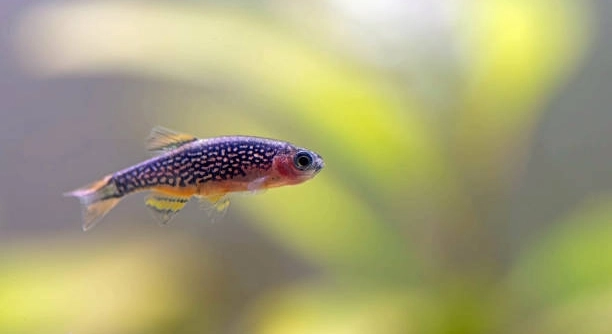
Observing Danio fish can be both relaxing and rewarding. Watching them swim gracefully while noticing subtle changes in size or color can give insight into their overall health and growth patterns.
Tracking Danio growth involves monitoring size, coloration, behavior, and feeding patterns over time. Regular observations allow for timely adjustments in diet, water conditions, and tank environment, ensuring optimal development and reducing the risk of disease or stress.
Learning simple methods to observe these signs can improve care and help your fish thrive in a healthy environment.
Size Changes Over Time
Observing Danio size is one of the clearest ways to track their growth. Measuring them weekly helps notice gradual changes, even if they seem small. Younger fish grow faster, while adults increase more slowly. Keeping a log of measurements provides a visual record, making trends easy to spot. Consistent feeding and maintaining water quality directly affect growth rates. Sometimes, differences in size among the same batch are normal due to genetics, but large gaps may indicate dietary or health issues. Tracking size also helps anticipate when the fish might need a larger tank or more swimming space. By noting both length and girth, you get a full picture of their development. Physical activity, tank conditions, and stress levels all contribute to how quickly a Danio grows. Patience is key, as growth is gradual and can vary individually. Regular observation ensures early detection of any potential problems before they become serious.
Monitoring size weekly keeps your notes accurate and reveals consistent growth patterns over time.
Keeping a growth chart allows for a structured approach to care. By comparing measurements week by week, you can adjust feeding schedules, monitor water parameters more closely, and address health issues early. It also makes it easier to identify whether slower growth is natural or a sign of stress. Over time, this method creates a reliable record of your Danio’s development, helping maintain their overall health.
Color and Pattern Changes
Color changes in Danios can indicate age, health, and stress. Monitoring shifts can guide care adjustments and ensure proper tank conditions.
Danios often develop brighter hues with age and good nutrition. Poor water quality or improper diet may dull colors.
Keeping an eye on patterns and colors provides insights beyond size. A healthy fish displays vibrant, consistent markings, while faded or uneven colors may signal illness or insufficient lighting. Changes can also result from environmental factors like tank decor or water parameters. Observing these shifts helps adjust diet, improve tank setup, and reduce stressors. Color tracking complements size monitoring, offering a more complete picture of fish health. Regular observation encourages proactive care, preventing minor issues from becoming major problems. It also enhances the enjoyment of caring for Danios, as their evolving appearance reflects their well-being and the success of your maintenance routine.
Feeding Response
Danios react quickly to food, and their appetite is a clear growth indicator. Active, eager fish usually show good health, while reduced interest may signal stress or illness.
Observing how your Danios eat gives insight into their overall condition. Healthy fish swim to the surface or chase food immediately, showing energy and vitality. If a fish consistently ignores food, it may need a check on water quality, diet variety, or potential health problems. Feeding response can also indicate social dynamics in the tank, as more dominant fish may get priority over others. Adjusting feeding amounts, frequency, and types of food helps maintain balanced growth. Overfeeding can lead to water quality issues, while underfeeding slows development. A simple observation during feeding times can reveal both individual and group health trends, making it a valuable daily habit for proper care.
Monitoring feeding behavior over time allows you to track changes that might indicate slower growth or emerging health concerns, giving you a chance to act before problems escalate.
Swimming Patterns
Active swimming is a strong sign of a Danio’s well-being. Fish that move confidently through the tank usually enjoy good growth and health.
Swimming patterns reveal more than just energy. Fish that linger at the bottom, hide, or move erratically may be stressed or unwell. Proper tank conditions, including temperature, oxygen levels, and space, directly affect movement. Observing these patterns helps adjust the environment for optimal health. Regular swimming also strengthens muscles and improves digestion, supporting consistent growth. Noticing interactions with other fish can indicate social stress or dominance behaviors that might impact overall development. By tracking how Danios move daily, you can make informed changes to feeding schedules, tank layout, or maintenance routines, ensuring the fish stay active and healthy.
Body Shape
Changes in body shape can indicate growth or health issues. A fuller, streamlined body usually reflects good nutrition and development.
Sudden thinning or bloating may signal illness or dietary problems. Watching body shape helps catch problems early and ensures proper growth.
Fins and Tail
Healthy fins and tails grow proportionally with the fish. Frayed, torn, or clamped fins can point to stress, water quality issues, or aggression. Proper care and observation allow for timely intervention to maintain fin integrity and overall well-being.
Social Behavior
Danios interact in predictable ways. Observing schooling, chasing, or resting patterns helps assess health, stress levels, and adaptation within the tank environment. Regular monitoring of social behavior ensures a balanced, safe space for all fish.
FAQ
How often should I measure my Danios to track growth?
Weekly measurements are usually sufficient to notice changes without stressing the fish. Use a soft ruler or a measuring board designed for fish. Record length and girth consistently to identify growth patterns, and compare results over several weeks to track progress accurately.
What signs indicate my Danios are not growing properly?
Slow growth, dull coloration, loss of appetite, frayed fins, or unusual swimming patterns can signal issues. Environmental factors, diet deficiencies, or illness may be behind these changes. Tracking size and behavior over time helps pinpoint the cause. Early observation makes interventions more effective.
Can diet really influence growth speed?
Yes, diet is one of the most important factors. High-quality flakes, frozen foods, and occasional live food ensure proper nutrition. Overfeeding or feeding low-quality food can slow growth, cause obesity, or affect water quality. Balance and variety help maintain healthy development.
Do genetics affect Danio growth?
Genetics play a role in maximum size and growth rate. Even under ideal conditions, some fish naturally grow faster or larger than others. Recognizing genetic differences helps set realistic expectations and ensures care is tailored to each fish.
How does tank size impact growth?
Smaller tanks can restrict swimming space and affect overall health, slowing growth. Larger tanks provide better circulation, space, and social interaction. Keeping the tank appropriately sized for the number of Danios helps maintain activity levels, reduces stress, and supports healthy development.
Should I track water quality regularly?
Yes, water quality directly impacts growth. Monitor temperature, pH, ammonia, nitrite, and nitrate levels frequently. Consistent conditions prevent stress and illness. Even small fluctuations can affect appetite, energy, and coloration, so maintaining stability is critical for healthy growth.
Is it necessary to separate slow-growing fish?
Sometimes separation can reduce competition for food, helping smaller fish catch up. However, it should be temporary and carefully monitored. Ensure all fish receive enough nutrition and maintain proper tank conditions to avoid long-term stress or social issues.
How can I encourage vibrant coloration during growth?
A balanced diet, proper lighting, and clean water enhance color. Certain foods like live or frozen brine shrimp, daphnia, or spirulina-rich flakes can intensify hues. Regular observation ensures changes are noticed early, allowing adjustments to diet or environment as needed.
Can stress affect growth rates?
Stress slows metabolism and growth. Overcrowding, aggressive tank mates, poor water quality, or sudden changes in environment contribute to stress. Observing behavior and maintaining a stable, comfortable environment reduces stress and supports healthy, consistent growth.
How do I know if my Danios are ready for a larger tank?
Signs include active swimming, consistent growth, and space limitations in the current tank. Larger tanks provide room for movement, reduce stress, and allow for social interactions. Monitoring size and behavior over time helps decide when upgrading the tank is necessary.
What tools are best for tracking growth?
Simple tools like rulers, digital calipers, or measuring boards work well. Maintain a written or digital log to track weekly measurements. Photos can also help visualize changes. Consistency in measurement techniques ensures reliable data and clear insights into growth trends.
Can water temperature affect growth?
Yes, Danios grow optimally within specific temperature ranges. Too cold or too warm water slows metabolism, affecting feeding and growth. Maintaining stable, species-appropriate temperatures encourages steady development and reduces health risks.
How long does it take for Danios to reach full size?
Growth rates vary by species, genetics, diet, and tank conditions. Most Danios reach near-adult size within six to twelve months. Regular monitoring ensures they are developing normally, and allows adjustments if growth is slower than expected.
Are there signs of overfeeding that affect growth?
Yes, overfed fish may appear bloated, have fatty deposits, or create water quality issues. Slower growth can result from stress caused by poor water conditions. Feeding smaller portions multiple times a day helps maintain healthy development without overloading the tank.
What role does lighting play in growth and health?
Proper lighting supports natural behavior, feeding patterns, and color development. Too little light can reduce activity and appetite, while excessive light may stress the fish. Balanced lighting simulates a natural environment, encouraging healthy growth and vitality.
How can I track growth without stressing my Danios?
Use gentle handling, soft nets, or clear measuring boards. Minimize disturbances and perform observations at consistent times. Keeping a calm environment and regular routines ensures accurate tracking without causing unnecessary stress.
Is it important to note behavioral changes along with size?
Yes, behavior often signals underlying issues before physical changes appear. Tracking swimming patterns, feeding response, and social interactions alongside size gives a complete picture of health and growth trends, allowing for proactive care.
How do I differentiate natural growth variation from health problems?
Compare individual fish within the same batch and track trends over time. Gradual differences are usually normal, while sudden stagnation, appetite loss, or abnormal behavior indicates potential issues. Documentation helps distinguish between normal variation and concerning changes.
What records should I keep for optimal tracking?
Maintain a weekly log with size measurements, color observations, behavior notes, feeding response, and water quality parameters. Photos and diagrams enhance records, allowing you to track trends, spot problems early, and make informed decisions about care and tank management.
Can seasonal changes affect growth?
Yes, temperature fluctuations, light changes, or seasonal shifts in water parameters can impact appetite and activity, influencing growth. Monitoring conditions closely and adjusting care helps maintain stable growth regardless of seasonal variations.
How do I know if dietary supplements are necessary?
If color fades or growth slows despite a balanced diet, supplements like vitamins or spirulina can help. Introduce them gradually and monitor response. Excessive supplements are unnecessary and can affect water quality, so careful observation is key.
How important is consistency in tracking growth?
Consistency ensures that trends are reliable and interventions are timely. Regular, structured observation allows early detection of problems and supports steady, healthy development of Danios. Sporadic tracking can lead to missed signs and delayed care adjustments.
Can tank mates influence growth?
Yes, aggressive or competitive fish can reduce access to food, slow growth, and cause stress. Observing social behavior and ensuring compatible tank mates maintain a stable environment conducive to healthy development.
Are there signs that growth has plateaued?
A stable size over several weeks, combined with normal feeding and activity, often indicates that growth is reaching its natural limit. Noticing plateaus helps adjust expectations and focus on maintaining health rather than accelerating growth.
Is it necessary to track multiple growth factors together?
Yes, size, color, behavior, and feeding patterns provide a complete view of health. Monitoring them together allows for early detection of subtle changes, supporting proactive care and preventing long-term issues in Danios.
Final Thoughts
Observing and tracking Danio growth is a simple yet important part of keeping them healthy. Paying attention to size, color, swimming patterns, and behavior allows you to notice small changes early. These changes often provide clues about diet, tank conditions, or possible stressors. Even small details, like the way they eat or interact with other fish, can indicate overall health. By keeping consistent records, such as weekly measurements or brief notes on appearance and behavior, you can see patterns that may not be obvious day to day. This structured observation makes it easier to spot slow growth, illness, or other issues before they become serious. It also helps ensure that your tank environment supports healthy development. Tracking growth is not just about numbers; it is about understanding how your fish are responding to their care.
Providing a stable environment is one of the most effective ways to support healthy Danio growth. Proper water quality, consistent temperature, and adequate tank size all play a role in development. Overcrowding or poor water conditions can slow growth and cause stress, while clean, well-maintained water encourages activity and feeding. Nutrition is equally important, and offering a balanced diet with a mix of high-quality flakes, frozen foods, and occasional live foods ensures your Danios get the vitamins and protein they need. Adjusting feeding amounts and schedules based on growth trends can prevent overfeeding or underfeeding. Monitoring water parameters regularly, including pH, ammonia, nitrite, and nitrate, helps maintain stability. A stable and comfortable environment allows fish to grow steadily, remain active, and display vibrant coloration.
Consistency and patience are key when tracking Danio growth. Growth does not always happen at the same rate for every fish, and small differences in size or color are normal. Some fish naturally grow faster, while others may take longer to reach full size. By combining regular measurements, careful observation of behavior, and attention to environmental conditions, you can create a detailed understanding of your fish’s health and development. Using this approach helps prevent problems, supports proper nutrition, and encourages overall well-being. Taking the time to observe, record, and adjust care based on what you see ensures that your Danios thrive in their tank. Tracking growth is an ongoing process, but it makes a noticeable difference in the quality of care and the success of maintaining a healthy aquarium.

Hello,
If you enjoy the content that we create, please consider saying a "Thank You!" by leaving a tip.
Every little bit helps us continue crafting quality advice that supports the health, happiness, and well-being of pets around the world, for pets of all shapes, sizes, and species.
We really appreciate the kindness and support that you show us!