
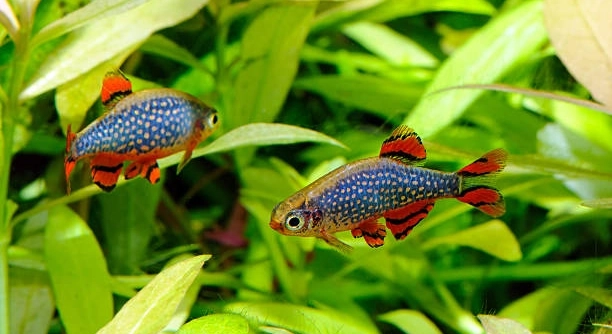
Have you ever welcomed a small, colorful fish into your home and wondered how to care for it properly? Danios are lively, hardy fish, but new owners often miss small details that affect their health and happiness.
Danios require specific water conditions, social interaction, and a balanced diet to thrive. Overlooking tank size, filtration, or schooling behavior can lead to stress, illness, and shortened lifespan. Awareness of these factors is crucial for successful long-term care.
Understanding these basic care needs will make a big difference for your new fish. Simple adjustments can create a healthier and more enjoyable environment.
Danios Are Active Swimmers
Danios are energetic fish that need plenty of space to move. Keeping them in a small tank can cause stress and reduce their lifespan. They enjoy swimming in groups, which helps them feel secure. A tank of at least 20 gallons is recommended for a small school. Adding plants and hiding spots provides stimulation and prevents boredom. These fish prefer steady, gentle water currents that mimic their natural environment. Avoid overcrowding, as it can lead to aggression and poor water quality. Regular maintenance, such as water changes and filter cleaning, is essential to keep the tank healthy. Observing their behavior daily helps you notice if any fish are unwell. Active swimming is not just a sign of health but also a key aspect of their natural instincts. Providing enough room ensures they display natural behaviors, which is satisfying for owners to see and helps keep the fish thriving.
Danios often swim in the middle and upper levels of the tank, enjoying constant motion and exploration.
Schooling behavior keeps them calm and reduces stress. A minimum of five danios is recommended for proper social interaction. They respond well to consistent feeding schedules, and using varied, high-quality food supports their energy levels. Observation of each fish helps detect early signs of illness or stress. Maintaining proper temperature and water conditions ensures they remain active. Even small changes, like rearranging plants, can provide stimulation. By respecting their need for activity and companionship, you create a lively and healthy aquarium where danios can flourish naturally.
Danios Prefer Stable Water Conditions
Danios are sensitive to sudden changes in water temperature or chemistry. Consistent conditions prevent stress and illness, making monitoring essential. Small fluctuations in pH or temperature can weaken their immune systems. Regular testing and adjustments maintain stability, ensuring long-term health and vitality.
Stable water is key for breeding and general well-being. A thermometer and test kits are necessary tools for monitoring daily conditions.
New owners often overlook the importance of water quality, but it directly affects danios’ health. Chlorine and other chemicals in tap water can be harmful, so conditioning the water before adding fish is essential. Filtration systems help remove waste and maintain oxygen levels, preventing toxic buildup. Frequent partial water changes reduce nitrate levels and prevent algae overgrowth, supporting a cleaner environment. Sudden changes, such as temperature swings or pH spikes, can trigger stress, making fish more vulnerable to disease. Maintaining stable water encourages natural behavior, keeps colors vibrant, and supports growth. Proper attention to water quality ensures a thriving, energetic school of danios, making care more manageable for owners. Even minor adjustments, like consistent feeding and plant placement, contribute to a balanced, healthy ecosystem for these active fish.
Danios Are Omnivores
Danios eat both plant and animal-based foods. A balanced diet includes flakes, pellets, and occasional live or frozen treats. Variety helps them stay healthy and energetic. Overfeeding can cause obesity and poor water quality, so portions should be small and measured.
Providing a mix of high-quality flakes and live or frozen foods ensures danios get all necessary nutrients. Flakes or pellets serve as daily staples, while occasional bloodworms, brine shrimp, or daphnia provide protein boosts. Including some vegetable matter, like blanched spinach or spirulina, supports digestion and coloration. Feeding two to three times daily in small amounts prevents leftovers from polluting the water. Observing their feeding behavior helps determine if adjustments are needed. A varied diet not only enhances health but also encourages natural foraging behavior, keeping the fish active and engaged throughout the day. Proper nutrition is key for their growth, energy, and overall well-being in captivity.
Feeding frequency and portion control are critical for maintaining water quality and preventing digestive problems. Small, consistent meals work best for active danios.
Danios Need Company
Danios thrive in groups and exhibit less stress when kept with others of their species. Solitary fish may become timid or display abnormal behavior. Social interaction is a natural part of their behavior.
Keeping at least five danios together allows them to form a natural hierarchy and swim confidently. In small groups or isolation, they may hide frequently and show signs of stress, which can lead to health problems. A school of danios promotes natural swimming patterns, synchronized movement, and active behavior, creating a more dynamic and visually appealing tank. Watching them interact provides insight into their personalities and ensures early detection of illness or injury. Tank size must accommodate the group comfortably, giving enough space for movement and exploration. Plants, rocks, and gentle currents help mimic their natural habitat. Social structures support mental stimulation, prevent aggression, and maintain a balanced environment, essential for long-term health and happiness.
Danios Prefer Moderate Lighting
Too much light can stress danios, while too little can affect plant growth and behavior. A balance of 8–10 hours of light per day keeps them healthy and active.
Providing a natural day-night cycle helps regulate their activity and reduces stress. Adjustable lighting is helpful for maintaining this balance.
Danios Enjoy Hiding Spots
Plants, rocks, and small caves give danios places to retreat when they feel threatened. These areas reduce stress and mimic their natural environment. They also provide boundaries within the tank, helping to prevent aggression among tank mates and giving them a sense of security.
Danios Are Sensitive to Water Temperature
Danios do best in water between 64–75°F. Sudden changes can cause stress, weaken the immune system, and make them more susceptible to illness. Regular monitoring with a thermometer ensures stable conditions, supporting healthy growth and active behavior in the tank.
Danios Can Jump
Danios are known to leap out of tanks if startled. A secure lid is necessary to prevent escapes and accidents. Providing calm surroundings and avoiding sudden movements near the tank reduces this behavior.
FAQ
How many danios should I keep together?
Danios are schooling fish and feel most comfortable in groups. A minimum of five is recommended to support natural behavior. Smaller numbers can cause stress, hiding, or lethargy. A proper school encourages active swimming, reduces aggression, and helps maintain a balanced social structure in the tank.
What is the ideal tank size for danios?
A tank of at least 20 gallons works well for a small group of danios. Larger tanks allow more swimming space and better water quality. Overcrowding can lead to stress, poor health, and increased waste buildup. Proper filtration and regular water changes are also important to maintain a healthy environment.
What should I feed my danios?
Danios are omnivores and need a varied diet. High-quality flakes or pellets serve as daily staples, while live or frozen foods, such as brine shrimp or bloodworms, provide extra protein. Occasional vegetable matter like blanched spinach supports digestion. Feeding two to three small meals daily prevents overfeeding and maintains water quality.
How often should I clean the tank?
Regular maintenance is key for danio health. Partial water changes of 20–30% every week help remove toxins and nitrates. Cleaning the substrate and filter keeps water clear and oxygenated. Monitoring water parameters frequently prevents stress and illness. Proper cleaning routines create a stable, healthy environment for active, energetic fish.
Do danios get along with other fish?
Danios are generally peaceful and compatible with other non-aggressive fish. Avoid slow-moving or long-finned species that may become stressed or nipped. Proper tank size, hiding spaces, and a balanced social group help maintain harmony. Observing interactions daily ensures early detection of any conflicts or bullying.
How do I prevent my danios from jumping?
Danios can leap when startled. Using a secure lid or hood prevents accidents. Maintaining a calm environment and avoiding sudden movements or tapping near the tank helps reduce stress-induced jumps. Plants or decorations provide a sense of security, making the tank feel safe.
What water conditions do danios need?
Stable water is essential. Danios thrive in temperatures between 64–75°F with a pH of 6.5–7.5. Sudden changes can stress them and trigger disease. Consistent filtration, aeration, and regular testing help maintain proper conditions. A conditioned water supply ensures chlorine and harmful chemicals are removed before adding fish.
Can danios breed in a home aquarium?
Yes, they can breed if conditions are suitable. Provide slightly warmer water, fine-leaved plants, or spawning mops. Remove adults after eggs are laid to prevent them from eating the fry. Regular water changes and gentle feeding support healthy growth for young danios. Breeding requires careful monitoring but is manageable with proper preparation.
What signs show my danios are stressed or sick?
Lethargy, clamped fins, loss of color, or hiding frequently are common stress indicators. Labored swimming, rapid gill movement, or unusual spots can signal illness. Early detection allows prompt treatment. Maintaining water quality, proper diet, and social groups minimizes stress and supports long-term health.
How often should I feed danios?
Feed small portions two to three times per day. Avoid overfeeding, which can pollute the tank and cause digestive issues. Observing their eating behavior helps adjust amounts. A balanced, varied diet supports energy, growth, and vibrant coloration in active fish.
Are plants necessary in a danio tank?
Plants are beneficial but not strictly required. They offer hiding spots, mimic natural habitats, and help maintain water quality. Both live and artificial plants can work, as long as there is room to swim freely. Plants reduce stress, provide enrichment, and improve tank aesthetics.
How long do danios live?
With proper care, danios typically live 3–5 years, though some may reach 6 years. Stable water conditions, balanced nutrition, and social interaction all contribute to longevity. Regular observation and attention to health issues help ensure a full, active life for your fish.
Can danios live in cold water?
Danios are hardy and tolerate cooler temperatures but should not experience sudden drops. Temperatures below 60°F can slow metabolism and reduce activity. A consistent, moderate temperature range supports health, immune function, and normal behavior. Avoid sudden fluctuations to prevent stress-related illness.
What decorations are best for a danio tank?
Smooth rocks, plants, and caves provide security and enrichment. Avoid sharp edges that could injure active swimmers. Decorations help define territories, reduce aggression, and offer hiding spots. Proper placement encourages natural swimming patterns and supports mental stimulation for the fish.
Is a heater necessary for danios?
A heater is optional in stable, cool environments but useful for maintaining consistent temperatures. Sudden drops can stress fish, so a reliable heater ensures stability. Adjusting temperature gradually and monitoring daily prevents shocks and supports healthy activity levels.
Can danios live alone?
Solitary danios often become stressed, hide, or display abnormal behavior. Keeping them in schools of at least five encourages natural activity and social interaction. Isolation can reduce lifespan and overall health, making proper group sizes essential for well-being.
What is the best filtration system for a danio tank?
A gentle filter that provides biological and mechanical filtration is ideal. Danios prefer mild currents, so avoid strong flow. Proper filtration keeps water clean, oxygenated, and reduces maintenance frequency. Regular monitoring and occasional filter cleaning maintain efficiency and a healthy environment.
Do danios need lighting?
Yes, moderate lighting of 8–10 hours per day maintains natural activity and supports plants if present. Too much light causes stress, while too little affects behavior and coloration. Adjustable lighting helps create a stable day-night cycle for healthy fish.
How can I tell if my danios are happy?
Active swimming, bright coloration, and regular feeding are good indicators. Social behavior, schooling, and exploration of the tank show comfort. Healthy fish display natural behaviors consistently, while hiding, lethargy, or clamped fins suggest stress or illness.
What common mistakes do new owners make with danios?
Underestimating tank size, overfeeding, poor water quality, and keeping too few fish are frequent errors. Lack of enrichment or ignoring social behavior also affects health. Awareness of these factors improves care, encourages natural behavior, and ensures a thriving, long-lived school of danios.
Danios are lively, small fish that bring energy and color to a tank. They are generally hardy but require proper care to thrive. Understanding their basic needs, such as tank size, water quality, diet, and social interaction, is important for their health. Many new owners focus on appearance and underestimate the daily maintenance needed to keep them healthy. Providing a balanced diet, stable water conditions, and sufficient swimming space allows them to show natural behaviors and reduces stress. Observing their activity and coloration regularly helps detect any problems early. Even though danios are resilient, neglecting these simple care elements can shorten their lifespan and affect their overall well-being.
Social interaction is another key aspect of keeping danios. They are schooling fish and feel more secure in groups of at least five. A proper school encourages swimming in formation, reduces aggressive behavior, and allows the fish to express normal, natural behaviors. Small groups or solitary fish often hide or become stressed, which can impact health. Including plants, rocks, and hiding spots gives them comfort and helps maintain a calm environment. These elements mimic their natural habitat and provide opportunities for exploration and stimulation. Tank decorations should be chosen carefully to prevent injury while still allowing plenty of open space for swimming. Watching danios interact and move naturally is rewarding and ensures they are healthy, active, and comfortable in their home.
Daily maintenance and consistent routines are essential for a successful danio aquarium. Monitoring water temperature, pH, and cleanliness ensures a stable environment. Partial water changes, proper filtration, and attention to feeding habits prevent common problems like illness or stress. Avoiding sudden changes, overfeeding, and overcrowding keeps the tank safe and balanced. Lighting should be moderate and consistent, providing a day-night cycle that supports normal activity. By understanding their needs and observing behavior carefully, owners can create a healthy, enriching habitat that supports long-term growth and well-being. Danios can live several years in captivity when cared for properly, making them a rewarding species for both new and experienced fish keepers. With attention to detail and patience, a danio tank becomes a vibrant, active, and harmonious environment where these fish can thrive.

Hello,
If you enjoy the content that we create, please consider saying a "Thank You!" by leaving a tip.
Every little bit helps us continue crafting quality advice that supports the health, happiness, and well-being of pets around the world, for pets of all shapes, sizes, and species.
We really appreciate the kindness and support that you show us!