
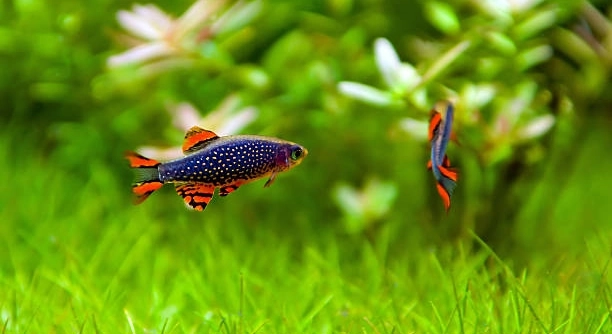
Have you ever noticed changes in your aquarium water and wondered how it might affect your Danio fish? Maintaining the right conditions is important for their overall health and reproductive success. Water quality can shift more easily than expected.
Danio fertility is highly sensitive to water parameters. Sudden changes in temperature, pH, hardness, ammonia, nitrates, or oxygen levels can directly affect egg production, sperm quality, and spawning behavior. Stable and well-monitored water conditions are essential for reproductive success.
Even small adjustments can have a noticeable impact on your fish’s breeding patterns. Understanding these changes can help you maintain a healthier, more productive aquarium environment.
Temperature Fluctuations
Temperature plays a crucial role in Danio fertility. Even small shifts of a few degrees can stress the fish, lowering egg production and affecting sperm quality. Sudden drops can slow metabolism, making the fish lethargic and less likely to engage in spawning behavior. Conversely, temperatures that are too high can accelerate metabolism but reduce lifespan and reproductive efficiency. Maintaining a stable, species-appropriate temperature is key, typically between 22°C and 28°C for most Danio varieties. Seasonal changes, heater failures, or placing the tank near windows or vents can cause unwanted fluctuations. Regular monitoring with a reliable thermometer and adjusting gradually when needed helps minimize stress. Providing a consistent environment allows natural breeding behaviors to continue, supporting overall fertility.
Even minor temperature shifts over a few hours can trigger stress responses, disrupting mating routines and egg viability.
Consistency in temperature ensures the fish remain active and healthy. Gradual adjustments are better than sudden changes, which may shock the system and halt breeding temporarily. This stability also promotes normal feeding and social behavior, reducing conflicts that could interfere with spawning. If the water becomes too cold or too warm, fertility rates can drop sharply, emphasizing the importance of careful monitoring. Using a heater with a thermostat and avoiding direct sunlight exposure can help maintain stable conditions. Observing your Danios’ behavior alongside temperature readings gives insight into their comfort and reproductive readiness.
pH Level Changes
pH shifts can stress Danios and impact reproductive success. Even small deviations from the preferred range of 6.5 to 7.5 can interfere with spawning.
Water chemistry directly influences egg quality, sperm motility, and overall reproductive activity. Sudden swings can cause eggs to be unfertilized or fry to fail to survive. Buffering water with proper additives and testing regularly helps maintain a steady pH, supporting consistent breeding cycles. Over time, natural processes like decomposition, uneaten food, or changes in water source can alter pH levels. Correcting imbalances gradually prevents shock and supports a stable environment for mating. Using live plants can also help buffer pH while providing cover for fry. Keeping track of both pH and other chemical levels together ensures a healthier, more fertile environment for your Danios to reproduce successfully. Regular testing and incremental adjustments are essential to protect reproductive health and maintain an aquarium that promotes successful spawning.
Hardness and Mineral Content
Hardness affects egg development and sperm quality in Danios. Water that is too soft or too hard can make breeding less successful.
Balanced mineral content supports reproductive health. Calcium and magnesium influence eggshell formation and overall fertility. Extremely soft water may weaken eggs, while very hard water can stress the fish and reduce spawning. Testing hardness regularly and adjusting slowly with mineral additives or mixing with conditioned water can maintain a stable environment. Proper hardness levels ensure eggs develop correctly and fry survive, promoting steady reproduction in your aquarium.
Consistent hardness also helps maintain pH stability, which indirectly supports fertility. When hardness fluctuates, fish can experience stress responses, including decreased mating behavior. Using natural substrates or water conditioners can help control mineral levels. Observing your Danios’ behavior alongside water tests ensures that the conditions remain optimal. When adjustments are necessary, gradual changes prevent shock and maintain overall reproductive efficiency. Maintaining proper hardness is as important as temperature and pH in supporting healthy breeding.
Ammonia and Nitrite Levels
High ammonia or nitrite levels directly harm eggs and sperm. Even low concentrations can cause stress and reduce reproductive success.
Ammonia and nitrite are toxic waste byproducts that accumulate from uneaten food and fish waste. Elevated levels damage gills and internal organs, reducing fertility and making fish more susceptible to disease. Regular water changes and proper filtration help keep these compounds near zero. Testing frequently is essential, as spikes can happen quickly and unexpectedly. Young or spawning fish are particularly sensitive, and prolonged exposure can result in failed breeding cycles. Biological filtration using beneficial bacteria breaks down harmful compounds, supporting a safer environment for reproduction. Maintaining these levels within safe limits is critical for consistent spawning and healthy fry development.
Even minor fluctuations in ammonia or nitrite can stress fish, altering behavior and lowering mating activity. Careful monitoring, combined with routine cleaning and proper tank management, prevents toxic accumulation. Observing your Danios for signs of stress, such as rapid gill movement or reduced swimming, helps identify early issues. Keeping ammonia and nitrite levels consistently low ensures eggs remain viable and fry survive, creating conditions that support long-term fertility and reproductive success.
Nitrate Accumulation
High nitrate levels can reduce Danio fertility over time. Even moderate concentrations stress the fish and make spawning less frequent.
Regular water changes and live plants help control nitrate buildup. Nitrates interfere with reproductive hormones and can affect egg development, so keeping levels low supports consistent breeding activity.
Oxygen Availability
Low oxygen directly impacts egg viability and sperm activity. Proper aeration ensures all fish receive sufficient oxygen for healthy reproduction. Maintaining strong surface agitation and avoiding overcrowding keeps oxygen levels adequate, supporting active mating behavior and fry survival.
Water Flow and Circulation
Strong or uneven water flow can stress Danios and disrupt breeding. Gentle, consistent circulation encourages natural swimming patterns and reduces aggressive behavior, supporting a stable environment for mating and egg fertilization.
Light Exposure
Excessive or inconsistent light can affect Danio reproductive cycles. Stable light periods help regulate spawning schedules and maintain natural rhythms critical for fertility.
FAQ
How often should I test water parameters for Danio fertility?
Testing water parameters weekly is ideal for maintaining optimal fertility. Key metrics include temperature, pH, hardness, ammonia, nitrite, and nitrate levels. Regular monitoring helps detect small changes early, allowing adjustments before they stress the fish and affect spawning success.
Can Danios adapt to minor fluctuations in water conditions?
Yes, Danios can tolerate small, gradual changes, but sudden shifts in temperature, pH, or hardness can cause stress and reduce reproductive activity. Stability is more important than perfect numbers, as consistent conditions support normal mating behavior and egg viability.
What temperature range is best for breeding Danios?
A stable range of 22°C to 28°C is suitable for most Danio species. Maintaining consistent temperature encourages regular spawning, while sudden increases or decreases can slow metabolism, reduce activity, and negatively affect egg and sperm quality.
How do I safely adjust pH levels?
Gradual adjustments using buffers or conditioned water are safest. Sudden changes can shock the fish and disrupt breeding. Monitoring pH daily during adjustments ensures the environment remains suitable for mating and egg development.
Why is water hardness important for fertility?
Proper hardness supports egg formation and overall reproductive health. Both excessively soft and hard water can stress fish, reducing spawning frequency. Regular testing and incremental adjustments help maintain stable conditions that support healthy eggs and fry.
How can I reduce ammonia and nitrite levels effectively?
Frequent water changes, avoiding overfeeding, and maintaining a strong biological filter help control ammonia and nitrite. Even low levels stress fish and reduce fertility, so consistent management is critical for successful reproduction.
Do nitrates affect breeding immediately?
High nitrates affect fertility over time rather than instantly. Persistent nitrate accumulation stresses fish, disrupts hormone balance, and can reduce egg and fry survival. Keeping levels low with water changes and live plants helps maintain reproductive efficiency.
Is oxygenation really that important for Danios?
Yes, adequate oxygen supports egg viability, sperm motility, and overall breeding activity. Surface agitation, aeration, and avoiding overcrowding ensure oxygen is sufficient, creating an environment conducive to mating and fry development.
How does water flow influence spawning?
Strong or inconsistent currents can stress Danios and disrupt breeding. Gentle, even circulation encourages natural swimming and social interaction, promoting mating behavior and successful fertilization of eggs.
Does light exposure impact reproductive cycles?
Consistent light periods help regulate spawning schedules. Too much or irregular lighting can confuse natural rhythms, reduce breeding activity, and negatively affect fertility. Maintaining a stable day-night cycle supports reproductive health.
Can diet affect fertility in Danios?
Yes, proper nutrition directly influences reproductive health. A balanced diet with protein-rich foods enhances egg quality and sperm production. Feeding small, frequent meals and including live or frozen foods can improve overall fertility and spawning success.
How do I know if eggs are viable?
Healthy eggs are usually transparent or slightly yellowish and remain intact after spawning. Cloudy, discolored, or unfertilized eggs often indicate poor water conditions, stress, or low fertility, and may need to be removed to prevent water contamination.
Are there signs of stress that indicate reduced fertility?
Behavioral changes like reduced swimming activity, hiding, loss of appetite, or erratic movements often signal stress. Stress lowers reproductive output, so identifying and correcting water quality or environmental issues is key for maintaining fertility.
How long after water adjustments should I expect spawning?
If conditions are stable and appropriate, spawning can occur within a few days to a week. Gradual improvements in water parameters, proper diet, and consistent light cycles encourage natural mating behavior to resume quickly.
Can I prevent fertility issues entirely?
While some factors like genetics or age cannot be controlled, careful management of water quality, diet, light, and oxygen levels greatly reduces the risk of fertility problems. Observing the fish closely and responding promptly to stress signs supports consistent reproductive success.
Is separating males and females necessary for breeding?
Separating them isn’t always required, but providing adequate space and hiding areas reduces aggression and stress. Some breeders temporarily separate fish to stimulate spawning, then reintroduce them under stable conditions for optimal fertility outcomes.
How do I protect fry after hatching?
Removing adults or providing dense plant cover prevents predation. Clean, well-oxygenated water and consistent feeding with suitable fry food help maximize survival and support the next generation’s health.
Are there any long-term effects of repeated water shifts?
Frequent, unmonitored water changes can stress Danios, lowering long-term reproductive output. Maintaining gradual, controlled adjustments prevents fertility decline while keeping the tank environment stable for ongoing breeding.
What is the best way to track reproductive success?
Keep a log of water parameters, diet, spawning events, and fry survival. Monitoring trends over time allows adjustments that improve fertility, identify recurring issues, and support healthier, more productive breeding cycles.
Can older Danios still reproduce successfully?
Yes, but fertility declines with age. Older fish may produce fewer eggs or weaker sperm, making optimal water quality, diet, and low-stress conditions even more important to maintain successful reproduction.
Maintaining healthy conditions in a Danio aquarium is essential for ensuring consistent fertility. Water quality plays a central role in reproductive success, and even small shifts in temperature, pH, hardness, or chemical levels can affect egg and sperm development. Stable, well-monitored water supports normal behavior, encourages spawning, and improves the survival rate of fry. Paying attention to these factors requires regular testing and careful observation of your fish. Over time, the effort put into monitoring water and making gradual adjustments can create an environment where your Danios thrive and breed naturally without unnecessary stress.
Other environmental factors, such as oxygen availability, water flow, and light exposure, also influence reproductive outcomes. Adequate aeration ensures eggs remain viable and sperm remains active, while gentle water circulation encourages natural swimming patterns that support mating. Light exposure affects reproductive cycles, so maintaining consistent day and night periods can help regulate spawning behavior. These factors, combined with proper water chemistry, create a balanced ecosystem where fertility can remain stable. Attention to the physical and chemical aspects of the tank is just as important as diet and space management when trying to maintain or improve reproductive success.
Diet and overall care are additional components that directly impact Danio fertility. Providing a balanced, protein-rich diet supports egg and sperm production, while frequent feeding of small portions helps maintain energy levels without overloading the tank with waste. Observing stress signs, maintaining a clean environment, and avoiding overcrowding further contribute to reproductive health. Over time, consistent management of water conditions, environmental factors, and nutrition builds a stable, predictable setting where Danios can breed successfully. These practices may require patience, but the results are visible in healthier fish and higher survival rates for fry, making the aquarium more rewarding and productive in the long term.

Hello,
If you enjoy the content that we create, please consider saying a "Thank You!" by leaving a tip.
Every little bit helps us continue crafting quality advice that supports the health, happiness, and well-being of pets around the world, for pets of all shapes, sizes, and species.
We really appreciate the kindness and support that you show us!